







Here lies the physical gaming world
Physical video games are meeting their end
By Poch Eulalia
Published Jul 10, 2026 10:25 am


At A Glance
- Alas, similar to how the Industrial Revolution all but wiped out entire human workforces, a new era of gaming threatens to do the same to physical media consumers.
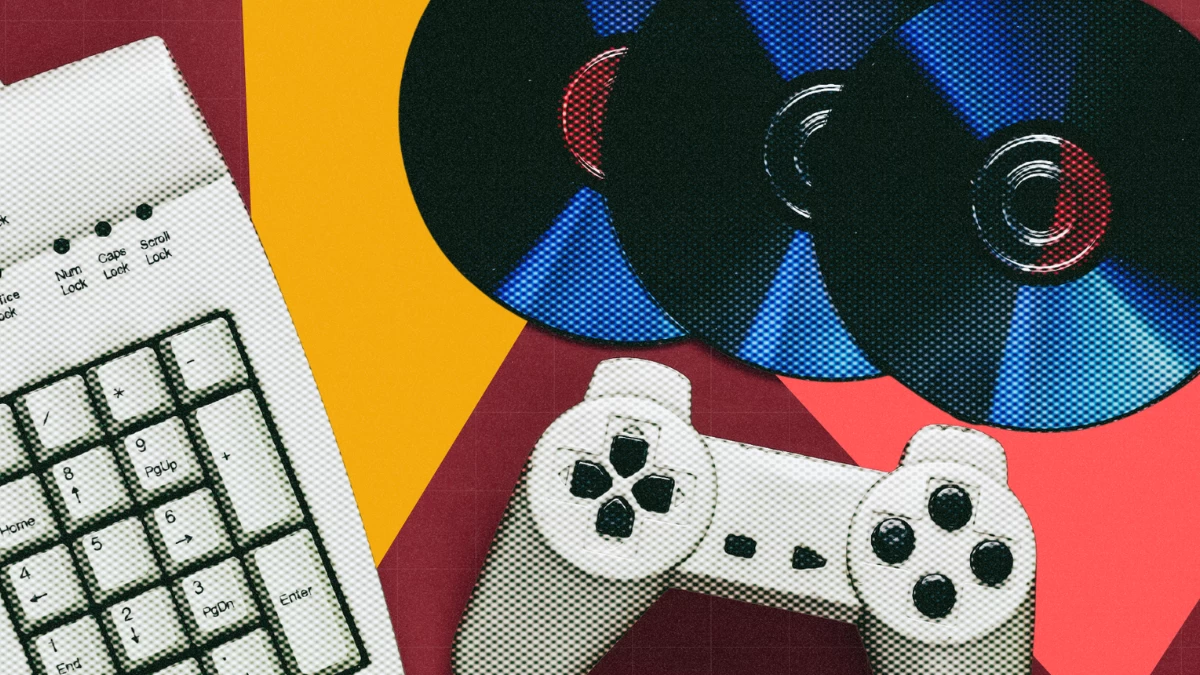
DEATH OF PHYSICAL MEDIA As companies lean toward digital, physical copies of games have been left to die out
We are gathered here today to mourn the loss of physical video games. After Sony’s recent announcement of its intent to cease all physical disc releases and Microsoft's ongoing downsizing, it is with a heavy heart to declare that the era of physical gaming is reaching its final breath. How did we end up here?
Once upon a time, every household with a console longed for the day they got to bring home their own disc or cartridge. In the gaming world’s golden era, there was a constant war between two giants, Sony’s PlayStation and Microsoft's Xbox. At the sidelines, PC gamers and Nintendo fans happily relaxed in their own sphere. These four, while continuously clashing in sales, led to innovation and a constant push to produce better games to entice more players. From basic pixels, we witnessed the burst of three-dimensional gaming. Everyone had their own gimmicks to stand out.
Alas, similar to how the Industrial Revolution all but wiped out entire human workforces, a new era of gaming threatens to do the same to physical media consumers. As the technology for new games improves, so too do their game file sizes. A whole game could once fit inside a floppy disc that had no more than 16 megabytes. These days, most triple-A titles reach the 150 to 200 gigabyte threshold. Most gaming companies have done away with physical releases due to discs having a limited file size allotment. Among the first to die out were physical releases for the PC, as cloudware and digital downloads became the norm.
By 2028, Sony expects us to say goodbye to discs altogether. Future physical releases are starting to look more like plastic cases with download codes inside. What's scary is that with the rise of digital-only, we start to lose a sense of ownership over these games. Gone are the days of sharing games and secondhand gaming. This also gives gaming companies the ability to cease access to games and its content completely, effectively leaving the player with nothing despite paying to play.
We’ve seen it happen multiple times with some online games like Sony's “Concord,” which notoriously pulled the plug just 14 days after it was released. Some game franchises like “Grand Theft Auto” have also been known to remove parts of older games, like songs from their radio stations, due to licensing issues. There may be a time when your copy of “GTA V” will have zero songs on the radio if Rockstar decides it no longer wants to pay license fees for these songs.
With all these rapid changes, the future of video game ownership looks grim. There are efforts, such as the “Stop Killing Games” petition, hoping to urge governments to put policies in place to prevent companies from completely removing games from digital libraries without refunds or explanations. Gamers have also continuously spammed Sony’s online pages with protests regarding its decision to kill physical games. It’s time these gaming companies remember it was through players sharing games and passing them on to others that let this community thrive and become the profitable venture it is now.