







ERC moves to block rigged power supply deals
Published Jul 10, 2026 10:43 am
|
Updated Jul 10, 2026 01:08 pm


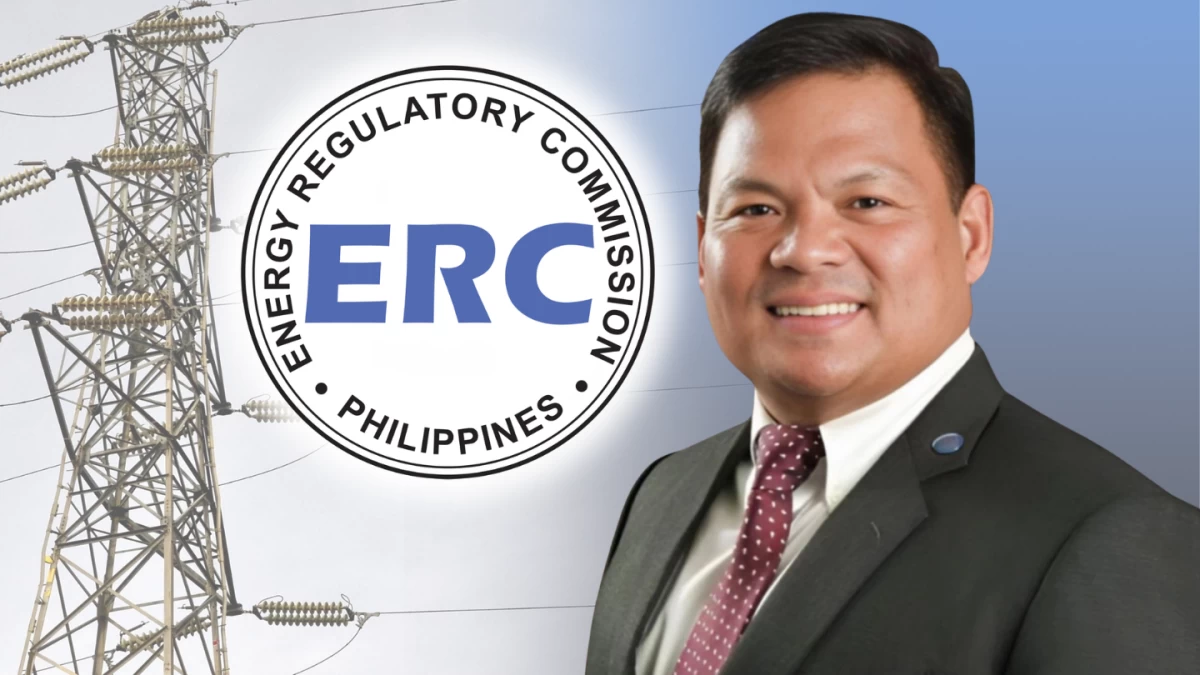
Atty. Francis Saturnino “Nino” Juan
The Energy Regulatory Commission (ERC) is planning a stricter regulatory framework that will require electricity distributors to secure prior approval for bidding terms on power supply contracts, a move aimed at eliminating anti-competitive practices and lowering consumer electricity rates.
Under the draft rules, distribution utilities and the national system operator must submit their terms of reference to the ERC before issuing any invitations to bid for competitive selection processes.
The regulator is introducing a structured, two-level screening mechanism designed to evaluate bidding terms for completeness, market competition, and least-cost alignment to ensure that procurement conditions do not artificially exclude qualified power generators or give unfair advantages to preferred suppliers.
“We are setting the rules of the game earlier in the process to ensure that competition is genuine and not merely procedural,” Energy Regulatory Commission Chairman Francis Saturnino Juan said. “By reviewing the terms of reference upfront, we help prevent anti-competitive design and ensure that procurement outcomes truly reflect the least-cost for consumers.”
The proposed regulations dictate that no power utility or system operator can publish a bid invitation without obtaining a compliance certificate from the commission, or receiving a tacit “deemed approved” clearance if the regulator fails to act within a specified time window.
Utility executives will face stricter accountability under the rules. Presidents or general managers must submit a sworn statement certifying that bidding metrics do not deliberately or inadvertently block legitimate competitors. The ERC will use a five-part substantive test covering price, competition, project design, deliverability, and overall grid impact to detect potential collusion.
The commission retains the authority to approve the bidding terms outright, demand structural revisions, or veto proposals that violate least-cost mandates.
To prevent regulatory backlogs from stalling power infrastructure investments, the framework binds the regulator to a rigid schedule. The commission will have five working days to perform an initial completeness check and up to 20 calendar days for substantive review.
A single 10-day extension is permitted under justified cases; otherwise, the terms are automatically approved. The regulator emphasized that upfront clearances do not waive its statutory power to review eventual contract implementations. (Gabriell Christel Galang)