







New Energy Vehicle (NEV) is not the same as Electrified Vehicle (xEV)
One encompasses all electrified cars, the other excludes most of them
By Inigo Roces
Published Jul 9, 2026 10:33 am


At A Glance
- No doubt you've already heard some terms like 'hybrid,' 'new energy vehicle,' 'electrified,' or 'even range-extended /extended range electric vehicle (REEV / EREV).'
- There are subtle differences between these terms, and some may not even be as intuitive as their names suggest.
- New Energy Vehicle includes BEVs, PHEVs, and REEVs, while excluding hybrid electric vehicles (HEVs).
- xEV is an umbrella term for all kinds of electrified vehicles, includings BEVs, HEVs, MHEVs, and PHEVs.
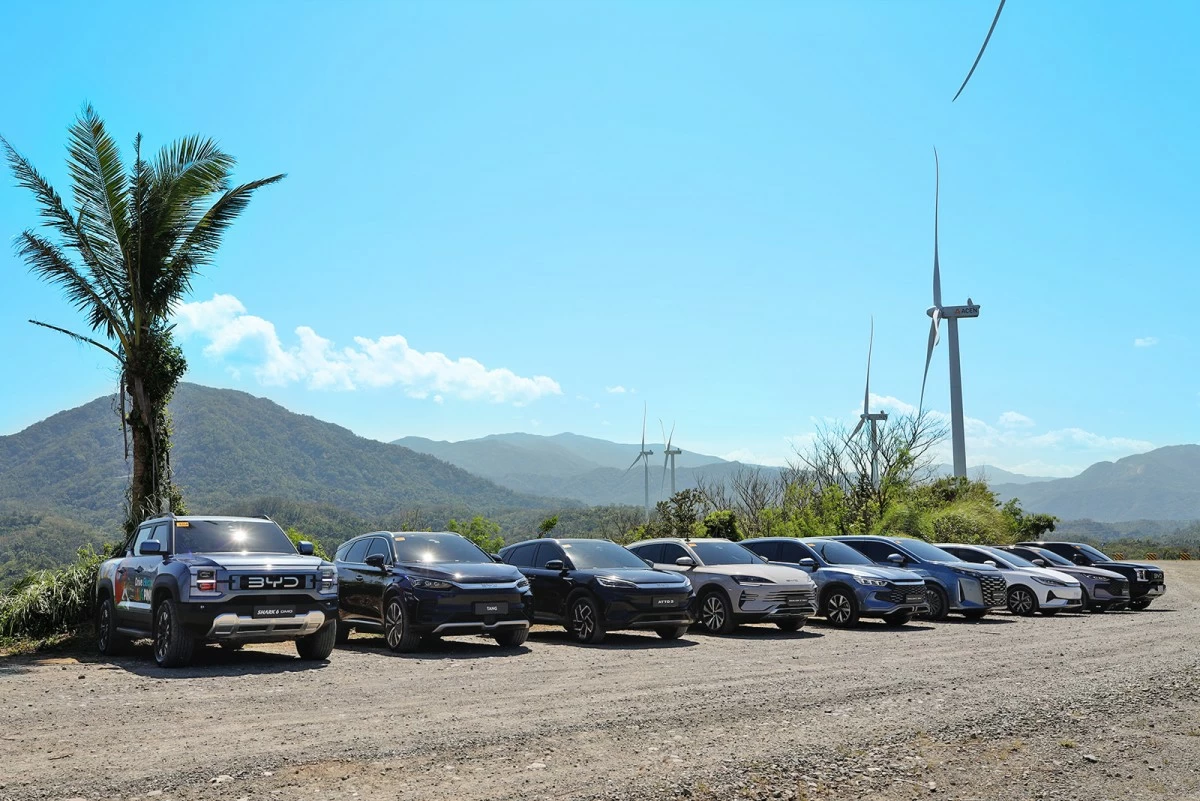
BYD Philippines' New Energy Vehicle lineup
With the growing popularity of electrified vehicles these days, it’s easy to get confused with all the new terminology being thrown our way. No doubt you’ve already heard some of them like ‘hybrid,’ ‘new energy vehicle,’ ‘electrified,’ or ‘even range-extended /extended range electric vehicle (REEV / EREV).’
There are subtle differences between these terms, and some may not even be as intuitive as their names suggest. We’ll dive into why it’s important to learn the difference between these terms and why they aren’t necessarily interchangeable.
Electrified vehicles (xEV)
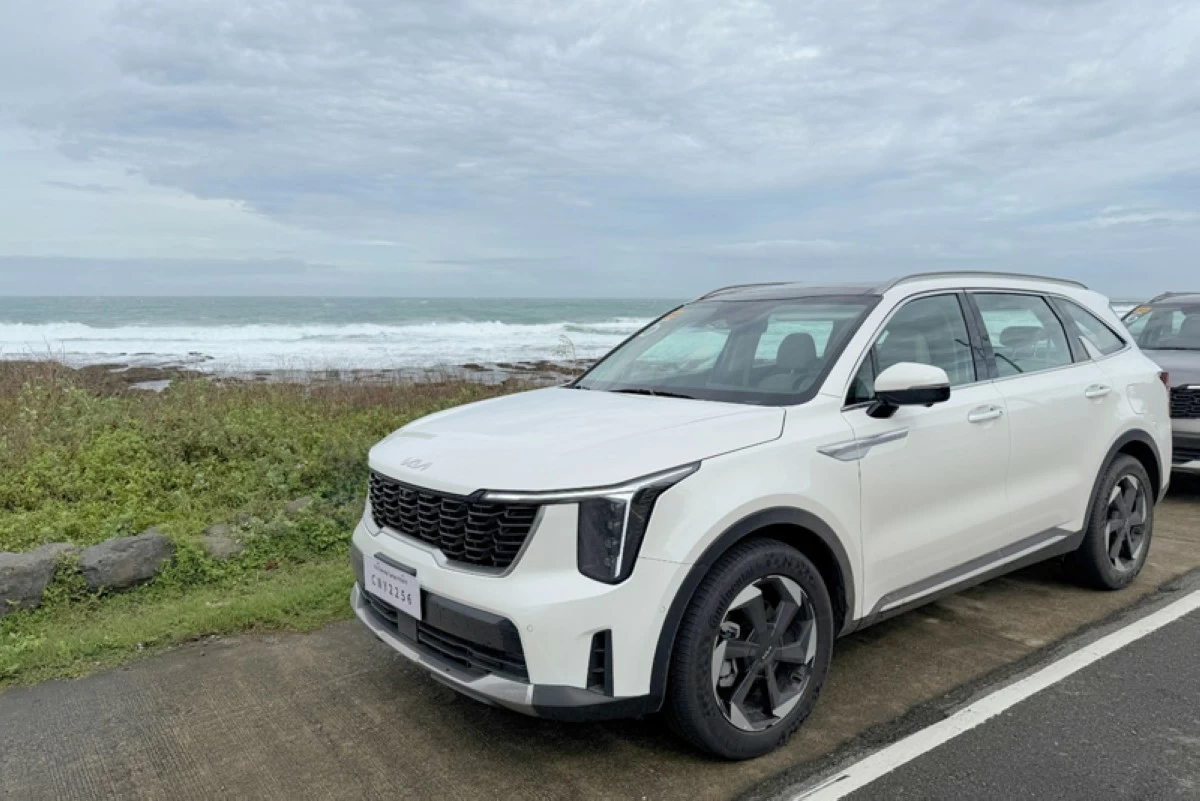
Kia Sorento Turbo Hybrid
Chances are, you already know what an electrified vehicle is. This is a vehicle that derives part or all of its power from an electric source. Electrified vehicle is a blanket term for any vehicle with a partly- or fully-electric power source. The proper acronym for electrified vehicle is xEV with the ‘x’ serving as a variable for the power source be it a hybrid system (HEV), battery (BEV), fuel cell (FCEV), or any other power source. Do not interchange electrified vehicle (xEV) with electric vehicle (BEV), because xEV is an umbrella term while an EV (more specifically a battery electric vehicle [BEV]) is a specific kind of electrified vehicle.
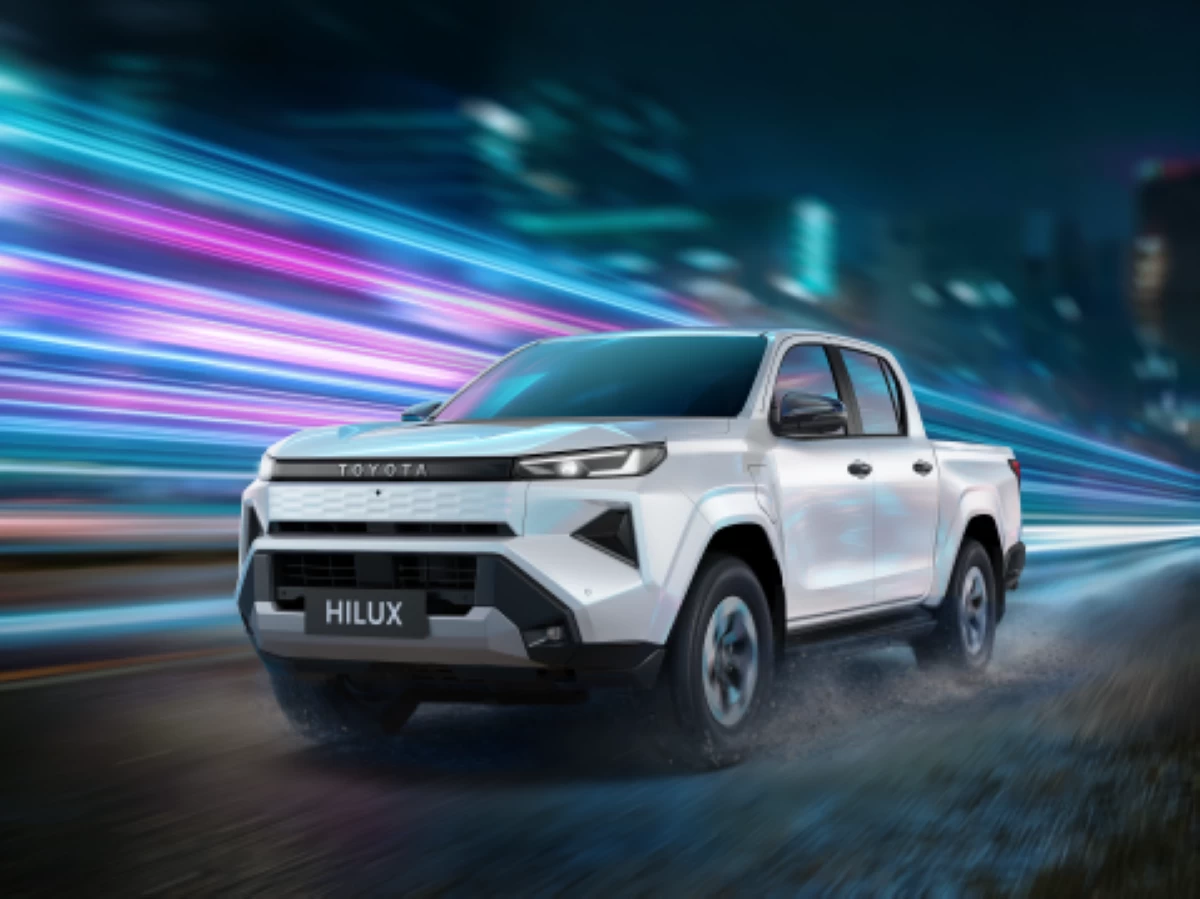
Toyota Hilux BEV
As such, this encompasses vehicles like battery electric vehicles (BEV) which rely fully on electric power; hybrid electric vehicles (HEV) which rely on both a battery and gasoline engine to propel the vehicle; and even unique vehicles like hydrogen fuel cell electric vehicles (FCEV) which derive power from the process of combining hydrogen and oxygen to produce electricity and only emit oxygen and water vapor. So long as there’s a battery involved, whether it’s charged by plugging in to the grid, by an onboard engine, or electricity producer, or both, it’s an electrified vehicle.
Hybrid vehicles (HEV, PHEV, MHEV, REEV)

Honda CR-V e:HEV RS AWD
This second kind slots right under electrified vehicles but has its own category and refers to vehicles that use both gasoline or diesel engines and a battery to produce power. They may use both in combination or independently. Hybrids range from regular hybrid electric vehicles (HEV), plug-in hybrid electric vehicles where batteries are charged by the engine or grid (PHEV); and even range-extended / extended-range electric vehicle (REEV/EREV), which are basically PHEVs too but rely on the electric motor primarily rather than the ICE. Also under this segment are mild hybrids (MHEV) which use a hybrid system with a battery and electric motor (but one not strong enough to propel the car on its own) as well as ICE engine.
New Energy Vehicle (NEV)
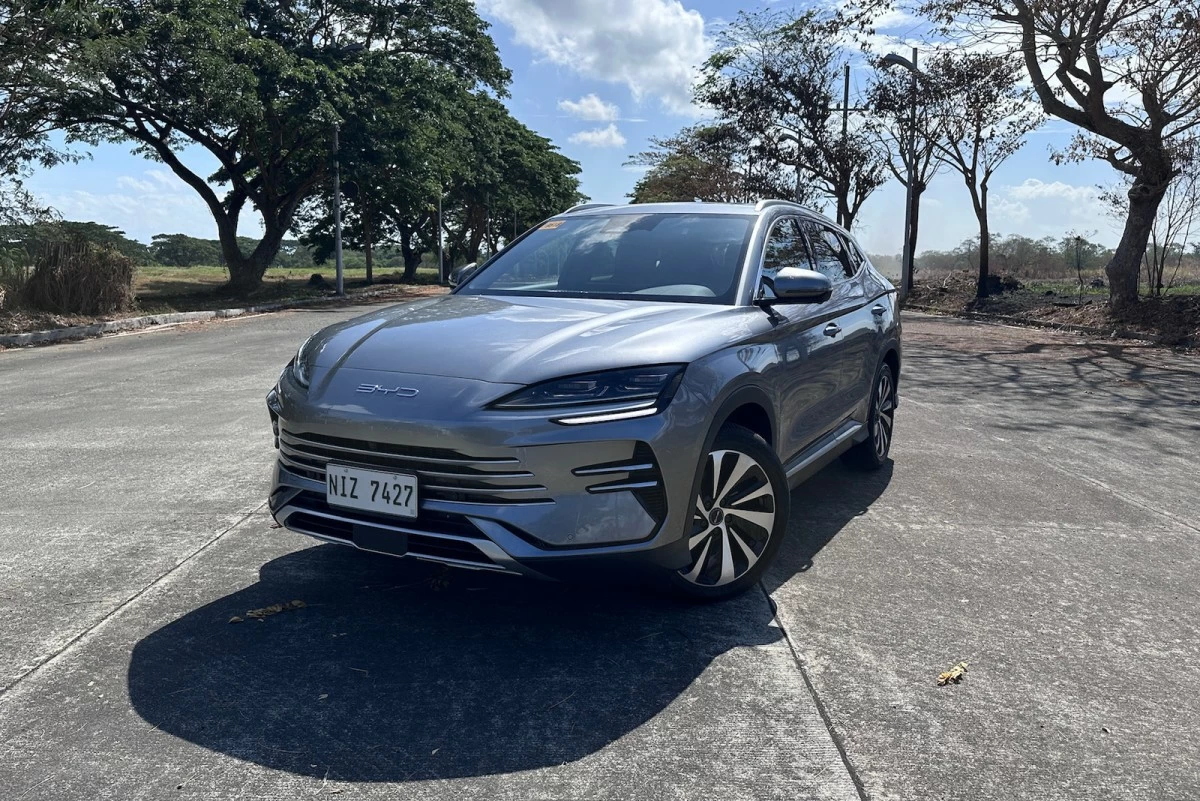
BYD Sealion 6 DM-i
New energy vehicles (NEVs) may be the most confusing term among them. After all, by the name itself, you’d think this could be any vehicle powered by a non-petrol (new energy) source. As such, it would be logical to include battery electric vehicles, ethanol alcohol-powered vehicles, biodiesels, natural gas-powered vehicles, and even hydrogen or synthetic gasoline-powered vehicles. Unfortunately, this couldn’t be farther from the truth.
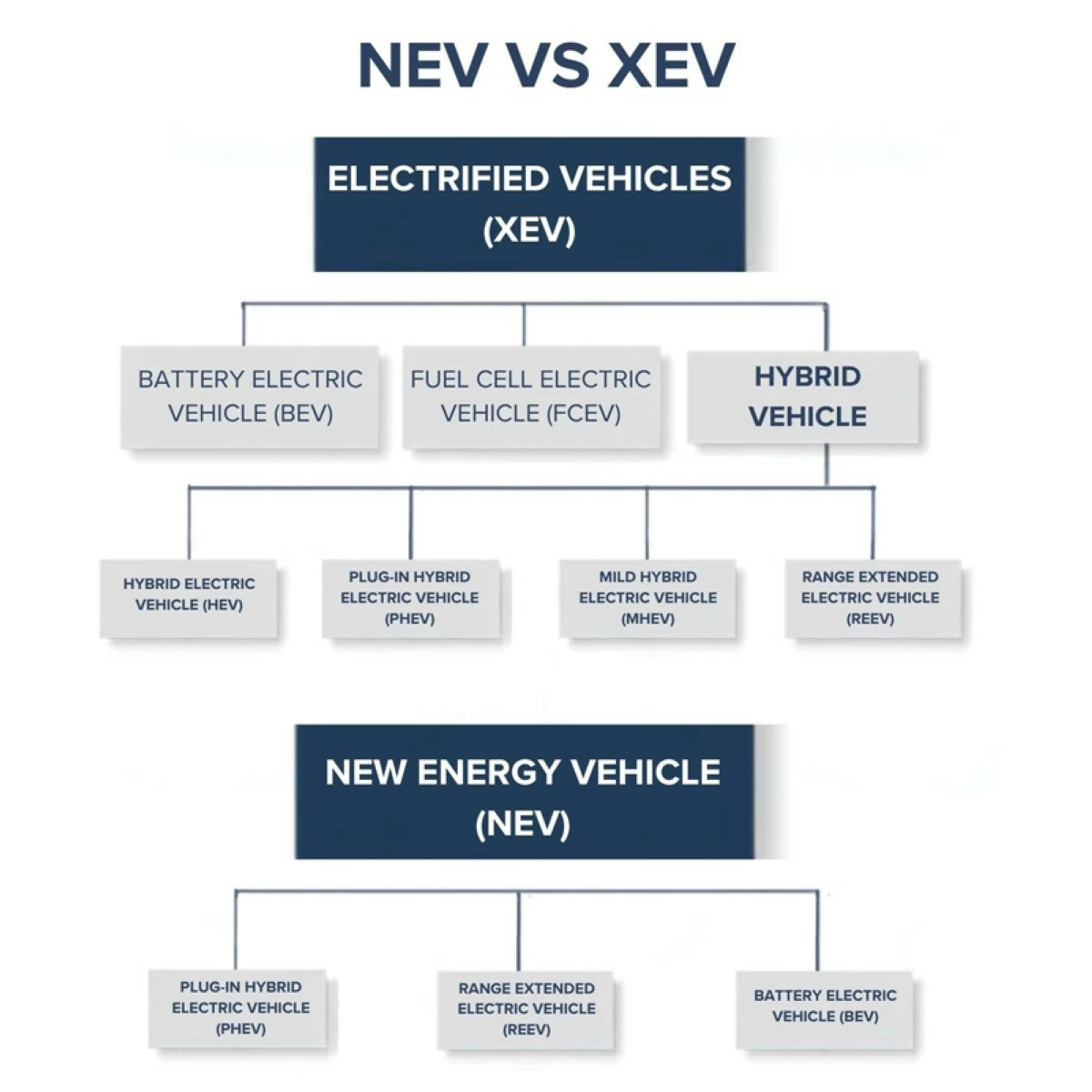
The term New Energy Vehicle, as it's used today, only encompasses battery electric vehicles (BEVs), plug-in hybrid electric vehicles (PHEVs), and range-extended electric vehicles (REEV).
New Energy Vehicle is not a car classification term, but actually a vehicle manufacturing project coined by the Chinese government as part of its efforts to steer local research and development towards electrified vehicles. The Chinese government initially selected what it called NEVs to be one of their emerging strategic industries in 2010.
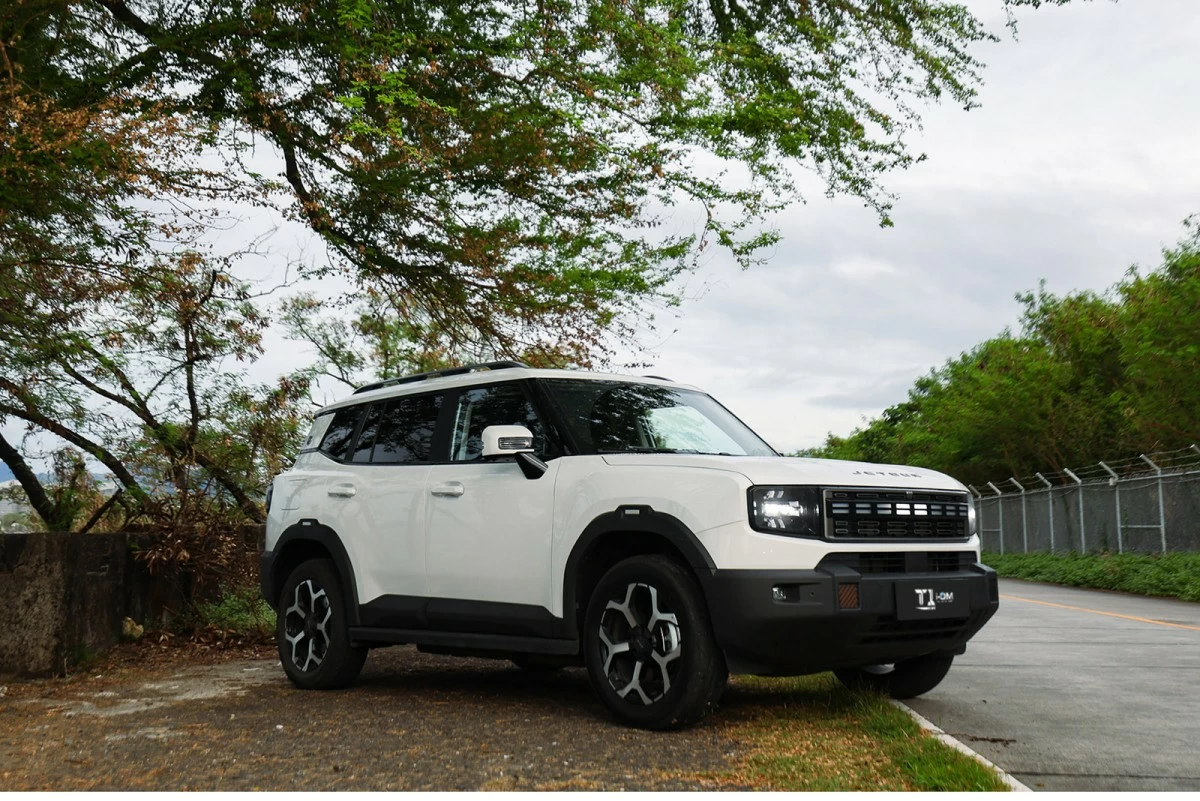
Jetour T1 Lightning i-DM
It released the Energy-saving and NEV Industry Development Plan in 2012. The policy called for high production and sales targets but only for BEVs, PHEVs, and REEVs specifically to create economies of scale and foster domestic manufacture. Local carmakers that participated benefited from subsidies while buyers enjoyed subsidies and tax rebates when purchasing these vehicles. The term includes BEVs, PHEVs, and REEVs, while excluding hybrid electric vehicles (HEVs) because this is where Japanese manufacturers had the lead. As such, the policy was conceived to bolster local manufacturers while preventing foreign carmakers in similar fields from enjoying the same advantages. It’s the reason why Chinese carmakers have seemingly overtaken the world overnight when it comes to producing EVs and EV-related technology.
Why the distinction?
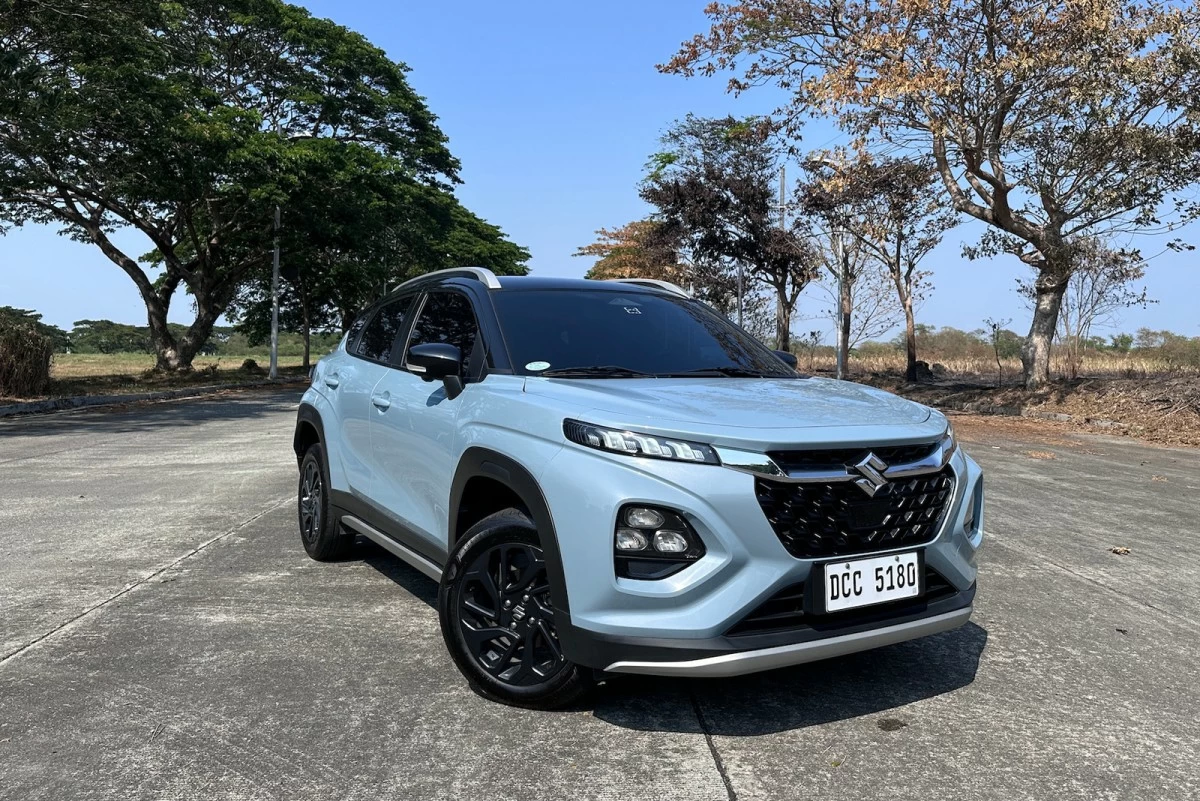
Suzuki Fronx Hybrid
Knowing this difference is important because, as more and more Chinese carmakers are entering our market, we’re hearing the term, NEV, being used more frequently. More and more people are adopting the term without understanding the critical exclusion.
Adding even more confusion is the marketing and promotions of some brands that tout themselves as a “leader in NEVs.” After all, every car brand is eager to call themselves the biggest, best, fastest growing, or best-selling in one metric or another. Based on the Chinese definition (which excludes regular hybrids [HEVs]), there’s truth to their claim. However, in the Philippine context, where most buyers might presume that HEVs are included in the NEV classification, this may be a bit misleading.
Most of these new brands have not taken the pains to explain to the public precisely what NEV means. Perhaps they don’t want to, or perhaps they’re not quite aware of the distinction themselves. Nevertheless, it’s important that you as a buyer know the difference so you’ll more easily spot any sweeping claims like “leader in NEVs” or “widest NEV model lineup.” It may be true if you know the difference, but if you don't, it might lead you to believe some car companies are bigger and more successful than they actually are.