







Korean envoy receives Order of Sikatuna
Published Jul 9, 2026 11:34 am


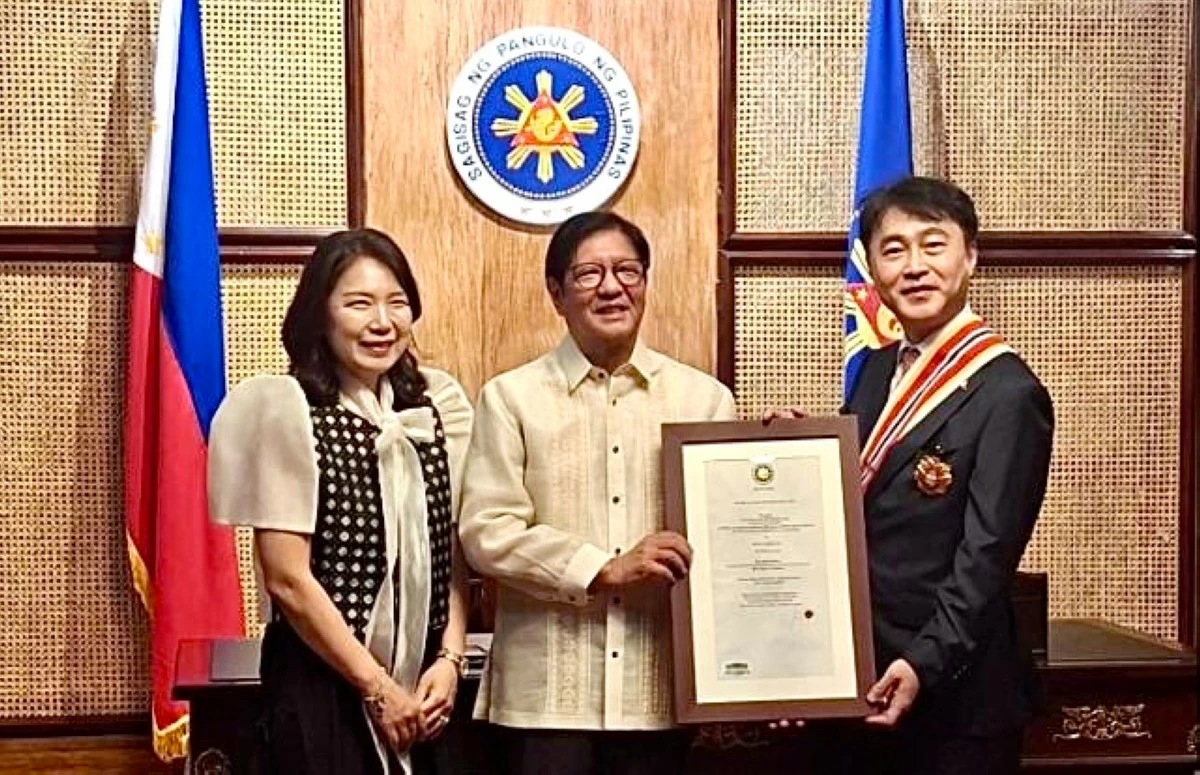
Ambassador Lee Sang Hwa, together with his wife Mme. Lee Eun Hwa, receive the Order of Sikatuna from President Ferdinand Marcos Jr. (Photos: Korean Embassy)
South Korean Ambassador Lee Sang-hwa concluded his diplomatic posting in the Philippines with one of the country’s highest honors for foreign diplomats.
During a farewell call at Malacañang Palace on July 9, President Ferdinand Marcos Jr. conferred on Lee the Order of Sikatuna, Rank of Datu (Grand Cross, Gold Distinction) in recognition of his contributions to strengthening Philippines–South Korea relations during a period of unprecedented growth between the two countries.
The Order of Sikatuna is the Philippines’ highest diplomatic distinction, awarded to foreign diplomats and officials who have rendered exceptional service in advancing international relations.
Lee’s three-year posting coincided with one of the most significant chapters in bilateral ties. Since assuming office in June 2023, relations between the Philippines and South Korea have been elevated to a strategic partnership, supported by reciprocal high-level visits and closer cooperation across trade, defense, infrastructure, development, and cultural exchange.
The momentum culminated earlier this year with the state visit of South Korean President Lee Jae Myung to the Philippines on March 3 and 4, held as both countries marked the 77th anniversary of diplomatic relations. The visit reaffirmed the commitment of Manila and Seoul to further deepen cooperation and underscored the enduring friendship between the two nations.
Among the major milestones during Lee’s tenure was the implementation of the Korea-Philippines Free Trade Agreement in December 2024, which further strengthened economic cooperation between the two countries. South Korea has since remained one of the Philippines’ leading sources of foreign direct investment, with Korean companies expanding their presence in semiconductors, energy, and critical minerals.
Infrastructure cooperation also accelerated, with Korean participation in projects involving airports, railways, seaports, and the Bataan-Cavite Interlink Bridge. South Korea has likewise emerged as a key partner in the Luzon Economic Corridor, while Samsung Electro-Mechanics’ expansion in Calamba became the first project approved under the CREATE MORE Act.
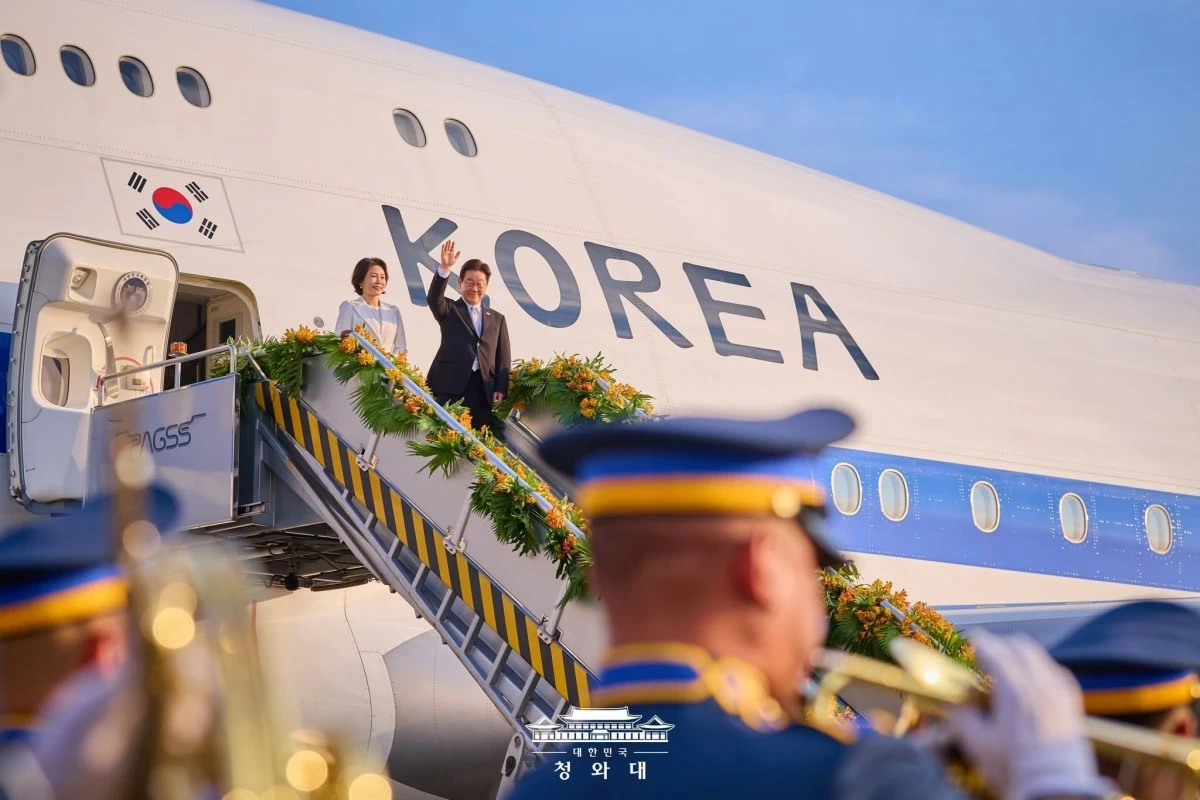
One of the ambassador’s tour of duty highlights in Manila is the state visit of South Korean President Lee Jae Myung to the Philippines on March 3 and 4 of this year.
Defense cooperation also deepened during Lee’s tenure, reinforcing South Korea’s position as one of the Philippines’ closest security partners. Korean-built FA-50 fighter aircraft, frigates, and corvettes have become central to the modernization of the Armed Forces of the Philippines, while development cooperation has continued through projects in healthcare, education, agriculture, digital transformation, climate resilience, and disaster preparedness.
Beyond government cooperation, people-to-people ties also continued to expand. South Korea remained the Philippines’ largest source of foreign tourists, while growing numbers of Filipinos traveled to Korea for work, study, and leisure. Educational exchanges, local government partnerships, and cultural cooperation further strengthened the relationship between the two countries.
Receiving the award, Ambassador Lee expressed his gratitude to President Marcos and the Filipino people for the warmth and cooperation extended to him throughout his assignment.
Lee concludes his tour of duty after serving as Ambassador Extraordinary and Plenipotentiary of the Republic of Korea to the Philippines after three years. His posting saw bilateral ties reach new milestones—from the elevation of relations to a strategic partnership and the implementation of the bilateral free trade agreement to the historic visit of the South Korean president earlier this year—leaving the relationship broader, deeper, and more dynamic than when he first arrived in Manila.