






Manila Bulletin
 Philippines
National
Crucial court issue: Oral arguments on VP Duterte's bank, tax record subpoenas set
Philippines
National
Crucial court issue: Oral arguments on VP Duterte's bank, tax record subpoenas set
Philippines
National
Crucial court issue: Oral arguments on VP Duterte's bank, tax record subpoenas set
Crucial court issue: Oral arguments on VP Duterte's bank, tax record subpoenas set
By Dhel Nazario
Published Jul 9, 2026 02:28 pm


At A Glance
- The Senate Impeachment Court will hear oral arguments next week on the House prosecution's requests to subpoena Vice President Sara Duterte's bank records and the tax records of Mans Carpio and 22 businesses allegedly linked to the Vice President before ruling on the requests.
- Both sides must first submit written memoranda, with the oral arguments serving to highlight their key legal positions and allow senator-judges to question them on issues such as bank secrecy and the confidentiality of tax records.
- The oral arguments could shape whether the subpoenas are issued, as the presiding officer will first rule on the requests, subject to appeal and a possible vote by the senator-judges.
The Senate impeachment court is set to hear oral arguments next week on whether or not it should issue subpoenas for the bank and tax records sought by the House prosecution against Vice President Sara Duterte, her husband Mans Carpio, and several businesses allegedly linked to her.
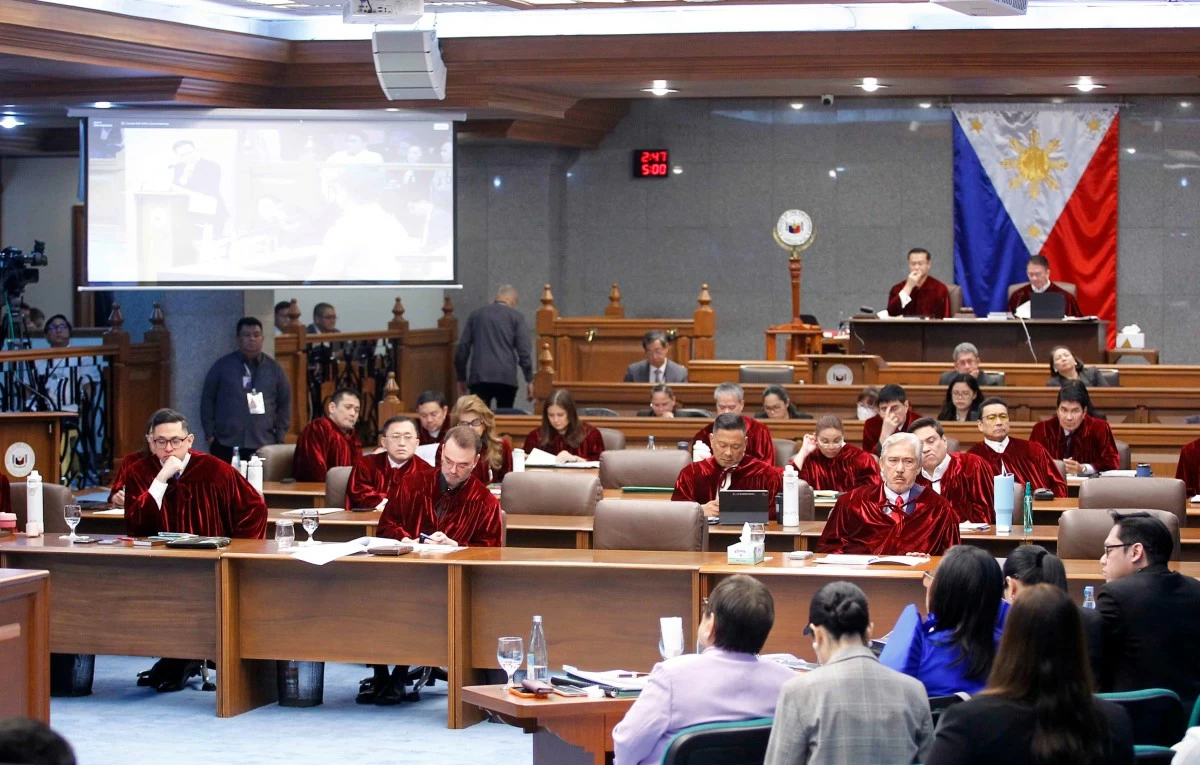
Scenes during the second day of the impeachment trial of Vice President Sara Duterte at the Senate Session Hall in Pasay City on Tuesday, July 7, 2026. (Mark Balmores)
The oral arguments--which will take place alongside the Vice President's ongoing Senate impeachment trial--will also cover the disputed "BIR box" that contains tax records of both Duterte and Carpio.
While the arguments will only last 10 minutes per side, Senate impeachment court spokesperson, lawyer Regie Tongol said the proceedings will play an important role in helping the court decide whether or not to compel the production of the requested records.
Written memoranda come first
Before appearing for oral arguments set on Wednesday next week, both the prosecution and defense have been directed to submit written memoranda laying out their legal positions.
According to Tongol, the senator-judges will study these documents before the hearing, allowing the oral arguments to focus only on the key issues.
"The parties will simply reiterate the most important portions of their memoranda," Tongol said.
Public explanation from both sides
Tongol said the oral arguments are also intended to make the legal debate accessible to the public.
Unlike the written memoranda, which are not publicly presented, the oral arguments will be televised, allowing Filipinos to hear both camps explain their respective positions.
This will also allow senator-judges to question both parties on the legal issues surrounding the requested subpoenas.
Tongol said these questions could cover matters such as:
- the Bank Secrecy Law;
- the confidentiality of tax records under the National Internal Revenue Code; and
- whether any legal exceptions would allow the disclosure of the requested documents.
He noted that discussions may also tackle the limited circumstances under Section 270 of the Tax Code that permit the release of tax records and whether presidential consent would be required.
Will subpoenas be issued
After the oral arguments, the presiding officer of the court is expected to rule on the subpoena requests.
Tongol explained that the ruling is not necessarily final. If a senator-judge appeals the decision, the entire impeachment court may vote on whether to uphold or overturn it.
If no majority votes to reverse the ruling, the presiding officer's decision stands. Otherwise, the Senate impeachment court's majority vote will prevail.
The oral arguments, therefore, represent the final opportunity for both the prosecution and defense to publicly argue whether the court should compel the production of the bank and tax records before a ruling is made