

ADVERTISEMENT

Xiaomi YU7 GT finishes first driverless Nordschleife lap

3-minutes slower than a human-driven car

Published Jul 8, 2026 11:12 pm

At A Glance

  • The Xiaomi YU7 GT completed an officially timed autonomous lap of the Nürburgring Nordschleife.
  • The electric SUV ran the 20.8-km circuit without a driver on board in 10:29.483.
  • Nürburgring has added a new Autonomous Driving category under Electric Vehicles after the run.
  • The project gave Xiaomi high-speed test data for autonomous vehicle control, stability, and safety systems.
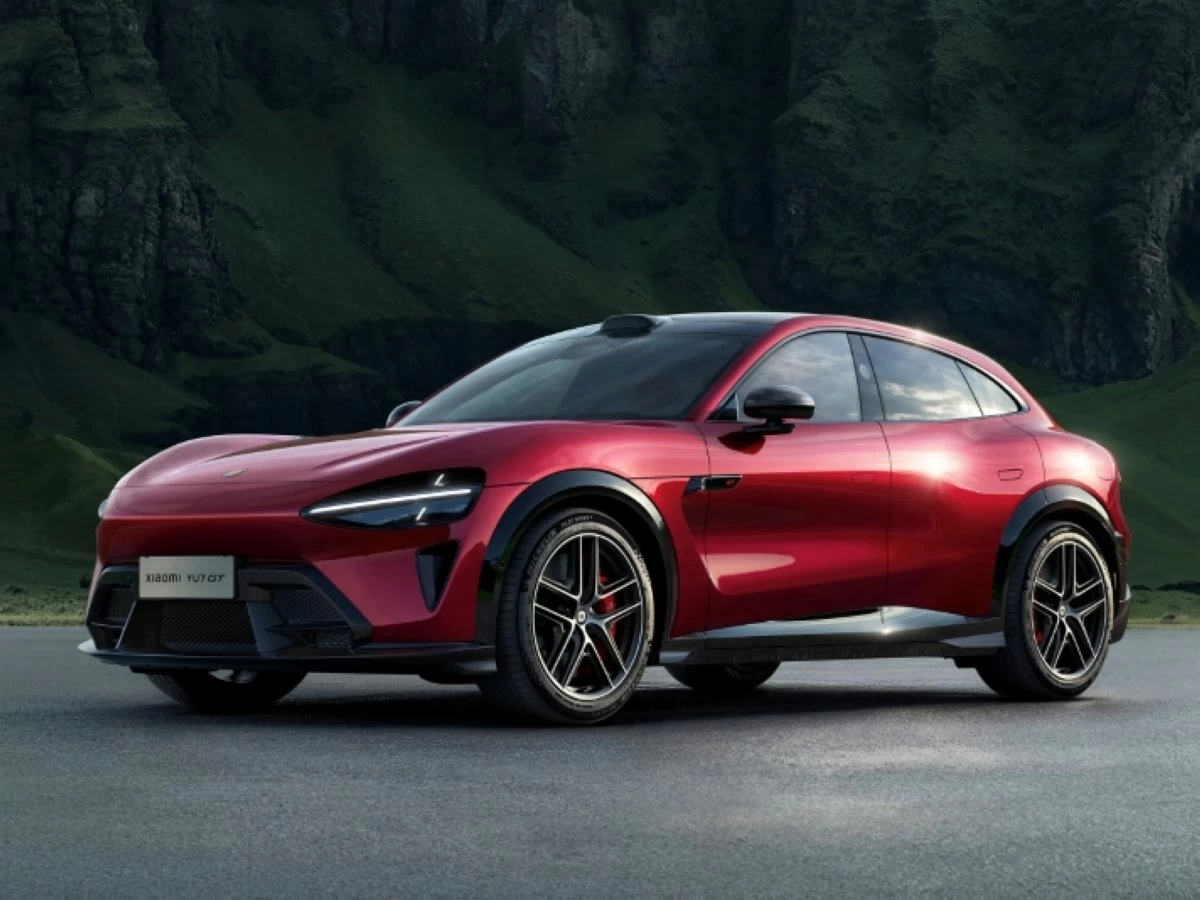
Photo courtesy of Xiaomi
Xiaomi EV has put the YU7 GT into the Nürburgring record books after the electric SUV completed an officially timed autonomous lap of the Nordschleife.
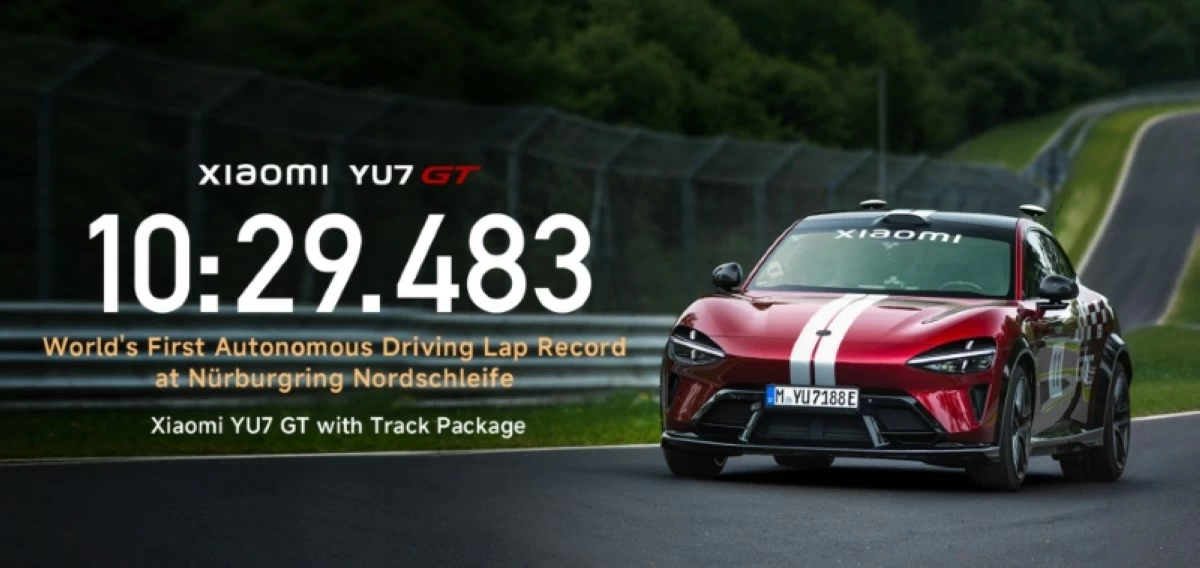
Photo courtesy of Xiaomi
Fitted with the Track Package, the Xiaomi YU7 GT covered the 20.8-km circuit in 10:29.483 without a driver on board. Nürburgring also confirmed that the run led to the creation of a new Autonomous Driving category under Electric Vehicles.
The run took place on June 8, 2026, while Xiaomi announced the result later in the month. The YU7 GT had to complete the lap on its own across the full Nordschleife layout, which is known for its fast sections, blind crests, heavy braking zones, uneven surfaces, and narrow margins for error.
According to Xiaomi, the vehicle handled 73 corners and about 300 meters of elevation change during the lap. That makes the run less about outright speed and more about whether an autonomous driving system can manage a high-performance vehicle through a circuit that constantly changes direction, load, gradient, and grip.
The time is also best viewed in the right context. This was not a driver-set performance lap. It was an autonomous run, so the 10:29.483 time sits in its own category rather than against conventional Nürburgring records. For reference, the same YU7 GT with a professional driver had earlier posted a much quicker 7:22.755 lap, which shows the gap between a human-driven attack lap and an electronic system managing the circuit without a driver.
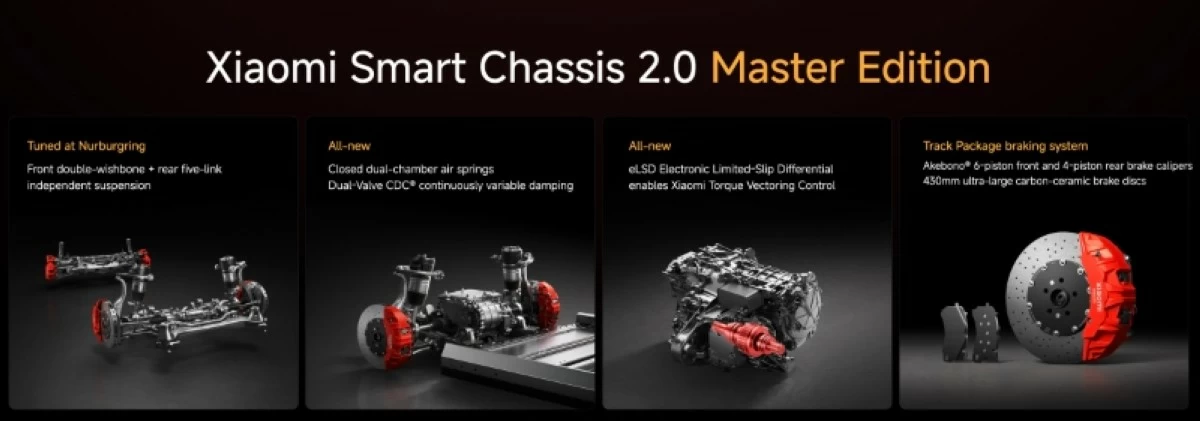
Photo courtesy of Xiaomi
The YU7 GT used Xiaomi’s autonomous driving setup, which combines an end-to-end architecture with a vehicle dynamics model. In practical terms, the system has to read the car’s condition, the road surface, and the corner sequence while coordinating steering, braking, and power delivery at speed.
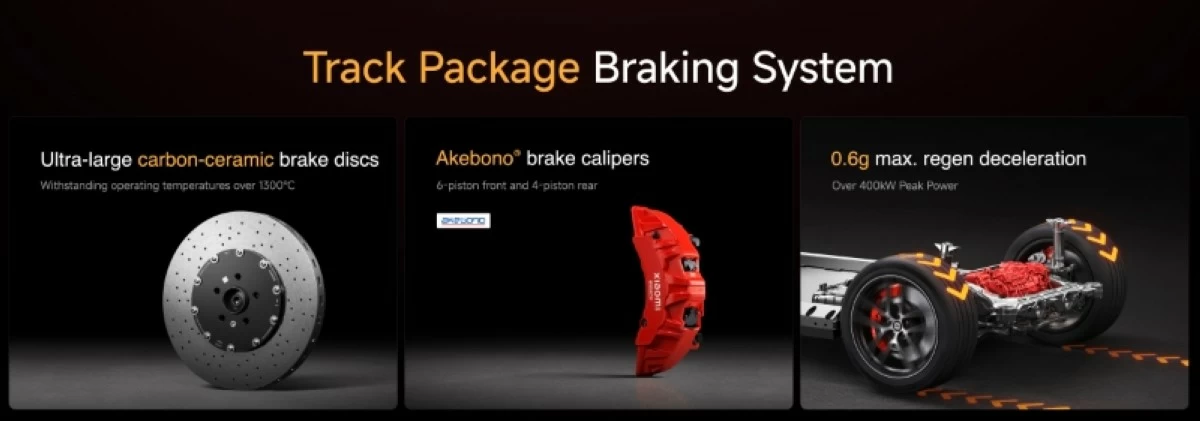
Photo courtesy of Xiaomi
That is the difficult part of the Nordschleife exercise. A road car on a circuit is always shifting weight under acceleration, braking, and cornering. The autonomous system cannot simply follow a map. It has to manage grip, speed, line, and stability while responding to the way the vehicle behaves through each section.
Xiaomi has been developing its HAD autonomous driving system since 2024. In 2026, it introduced a newer platform using its XLA architecture and MiMo-Embodied foundation model, which the company uses to improve environmental understanding and vehicle decision-making.
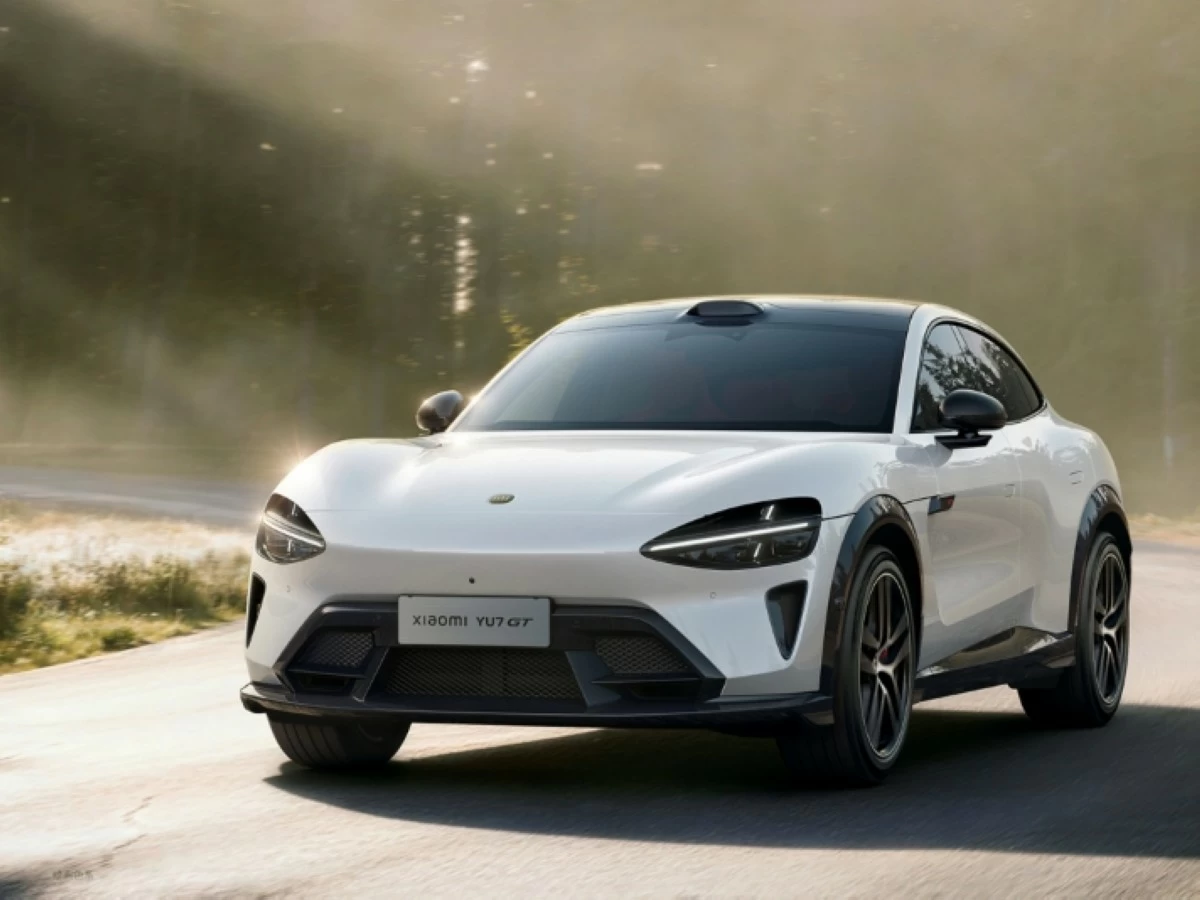
Photo courtesy of Xiaomi
The Nürburgring run gives Xiaomi another layer of test data under conditions that are hard to reproduce on normal roads. The information from the lap can be used to refine vehicle dynamics modeling, control logic, and safety redundancy systems.
For Xiaomi EV, the achievement places its autonomous driving program in a more visible arena. For Nürburgring, it also marks the start of an official category for driverless circuit laps.

Related Tags

Xiaomi Nurburgring Nordeschleife battery electric vehicle (BEV)
ADVERTISEMENT
.most-popular .layout-ratio{ padding-bottom: 79.13%; } @media (min-width: 768px) and (max-width: 1024px) { .widget-title { font-size: 15px !important; } }

{{ articles_filter_1561_widget.title }}

.most-popular .layout-ratio{ padding-bottom: 79.13%; } @media (min-width: 768px) and (max-width: 1024px) { .widget-title { font-size: 15px !important; } }

{{ static_articles_1562_widget.title }}

.most-popular .layout-ratio{ padding-bottom: 79.13%; } @media (min-width: 768px) and (max-width: 1024px) { .widget-title { font-size: 15px !important; } }

{{ articles_filter_1563_widget.title }}

{{ articles_filter_1564_widget.title }}

.mb-article-details { position: relative; } .mb-article-details .article-body-preview, .mb-article-details .article-body-summary{ font-size: 17px; line-height: 30px; font-family: "Libre Caslon Text", serif; color: #000; } .mb-article-details .article-body-preview iframe , .mb-article-details .article-body-summary iframe{ width: 100%; margin: auto; } .read-more-background { background: linear-gradient(180deg, color(display-p3 1.000 1.000 1.000 / 0) 13.75%, color(display-p3 1.000 1.000 1.000 / 0.8) 30.79%, color(display-p3 1.000 1.000 1.000) 72.5%); position: absolute; height: 200px; width: 100%; bottom: 0; display: flex; justify-content: center; align-items: center; padding: 0; } .read-more-background a{ color: #000; } .read-more-btn { padding: 17px 45px; font-family: Inter; font-weight: 700; font-size: 18px; line-height: 16px; text-align: center; vertical-align: middle; border: 1px solid black; background-color: white; } .hidden { display: none; }
function initializeAllSwipers() { // Get all hidden inputs with cms_article_id document.querySelectorAll('[id^="cms_article_id_"]').forEach(function (input) { const cmsArticleId = input.value; const articleSelector = '#article-' + cmsArticleId + ' .body_images'; const swiperElement = document.querySelector(articleSelector); if (swiperElement && !swiperElement.classList.contains('swiper-initialized')) { new Swiper(articleSelector, { loop: true, pagination: false, navigation: { nextEl: '#article-' + cmsArticleId + ' .swiper-button-next', prevEl: '#article-' + cmsArticleId + ' .swiper-button-prev', }, }); } }); } setTimeout(initializeAllSwipers, 3000); const intersectionObserver = new IntersectionObserver( (entries) => { entries.forEach((entry) => { if (entry.isIntersecting) { const newUrl = entry.target.getAttribute("data-url"); if (newUrl) { history.pushState(null, null, newUrl); let article = entry.target; // Extract metadata const author = article.querySelector('.author-section').textContent.replace('By', '').trim(); const section = article.querySelector('.section-info ').textContent.replace(' ', ' '); const title = article.querySelector('.article-title h1').textContent; // Parse URL for Chartbeat path format const parsedUrl = new URL(newUrl, window.location.origin); const cleanUrl = parsedUrl.host + parsedUrl.pathname; // Update Chartbeat configuration if (typeof window._sf_async_config !== 'undefined') { window._sf_async_config.path = cleanUrl; window._sf_async_config.sections = section; window._sf_async_config.authors = author; } // Track virtual page view with Chartbeat if (typeof pSUPERFLY !== 'undefined' && typeof pSUPERFLY.virtualPage === 'function') { try { pSUPERFLY.virtualPage({ path: cleanUrl, title: title, sections: section, authors: author }); } catch (error) { console.error('ping error', error); } } // Optional: Update document title if (title && title !== document.title) { document.title = title; } } } }); }, { threshold: 0.1 } ); function showArticleBody(button) { const article = button.closest("article"); const summary = article.querySelector(".article-body-summary"); const body = article.querySelector(".article-body-preview"); const readMoreSection = article.querySelector(".read-more-background"); // Hide summary and read-more section summary.style.display = "none"; readMoreSection.style.display = "none"; // Show the full article body body.classList.remove("hidden"); } document.addEventListener("DOMContentLoaded", () => { let loadCount = 0; // Track how many times articles are loaded const offset = [1, 2, 3, 4, 5, 6, 7, 8, 9, 10]; // Offset values const currentUrl = window.location.pathname.substring(1); let isLoading = false; // Prevent multiple calls if (!currentUrl) { console.log("Current URL is invalid."); return; } const sentinel = document.getElementById("load-more-sentinel"); if (!sentinel) { console.log("Sentinel element not found."); return; } function isSentinelVisible() { const rect = sentinel.getBoundingClientRect(); return ( rect.top < window.innerHeight && rect.bottom >= 0 ); } function onScroll() { if (isLoading) return; if (isSentinelVisible()) { if (loadCount >= offset.length) { console.log("Maximum load attempts reached."); window.removeEventListener("scroll", onScroll); return; } isLoading = true; const currentOffset = offset[loadCount]; window.loadMoreItems().then(() => { let article = document.querySelector('#widget_1690 > div:nth-last-of-type(2) article'); intersectionObserver.observe(article) loadCount++; }).catch(error => { console.error("Error loading more items:", error); }).finally(() => { isLoading = false; }); } } window.addEventListener("scroll", onScroll); });

Sign up by email to receive news.