







VP Sara impeachment trial to push through despite SC petition
By Dhel Nazario
Published Jul 8, 2026 09:47 am


The impeachment trial of Vice President Sara Duterte will proceed despite a petition filed with the Supreme Court (SC) seeking to stop it.
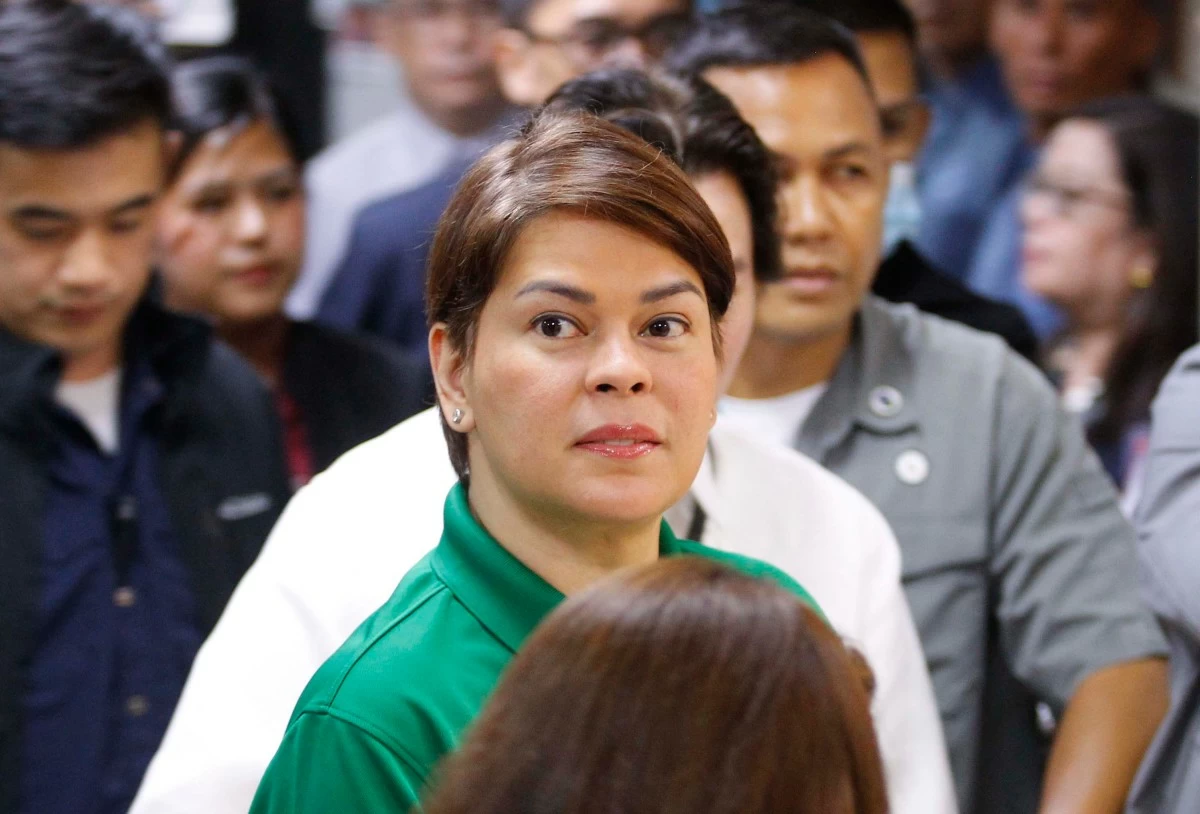
Vice President Sara Duterte arrives at the Senate in Pasay City on Tuesday, July 7, ahead of the second day of her impeachment trial. (Mark Balmores)
In an urgent motion and manifestation on two pending SC petitions that Duterte herself, lawyer Israelito P. Torreon, and others had earlier filed, Duterte challenged the authority of Senator Francis “Chiz” Escudero to preside over the proceedings of the Impeachment Court.
During a press conference, Impeachment Court spokesperson and lawyer Reginald Tongol said that any person can raise the matter and exhaust legal remedies.
Should the SC issue a temporary restraining order (TRO), the impeachment court will vote on it.
"I think pagbobotohan po yun ng impeachment court as a collegial body (I think the impeachment court will vote on it as a collegial body)," he said.
"Because this is a collegial body, not a single person can speak for the body. So mas mabuti pong pagbobotohan kung susundan ng Kongreso o ng Senado ‘yung mga ganong order from another co-equal branch of government (So it would be better for Congress, or the Senate, to vote on whether to comply with such an order from another co-equal branch of government)," he added.
In the motion, Duterte asked the SC to ensure that the impeachment trial “proceeds only under Rules of Procedure on Impeachment Trials validly adopted, and only under a presiding officer whose authority to preside is not under serious and unresolved constitutional challenge, so as to avert any further taint upon the validity of the proceedings.”
Asked if the trial would proceed, Tongol said: "Tama po. Dahil wala naman pong in-issue na TRO or status quo ante order (That is correct. Because no TRO or status quo ante order has been issued).
Tongol said the impeachment court would no longer comment on the matter in observance of the sub judice rule.