ADVERTISEMENT

Sara Duterte impeachment trial must be decided by evidence, not politics

Published Jul 8, 2026 12:05 am  |  Updated Jul 7, 2026 05:27 pm
The impeachment trial of Vice President Sara Duterte has entered a defining phase—not only for the country’s No. 2 official but also for the Philippine institutions entrusted with upholding the Constitution. How this trial unfolds will shape public confidence in the rule of law, the integrity of the Senate as an impeachment court, and the nation’s commitment to democratic accountability.
At the opening of the trial proper on July 6, both sides invoked constitutional principles. The House prosecution described the proceedings as a constitutional moment to enforce the principle that “public office is a public trust,” emphasizing accountability and equality before the law. The defense panel, meanwhile, cautioned that while impeachment is an indispensable constitutional mechanism, it must never be used to advance partisan interests or political dominance.
These are not opposing ideals. Accountability and due process are complementary pillars of constitutional democracy. One cannot exist meaningfully without the other.
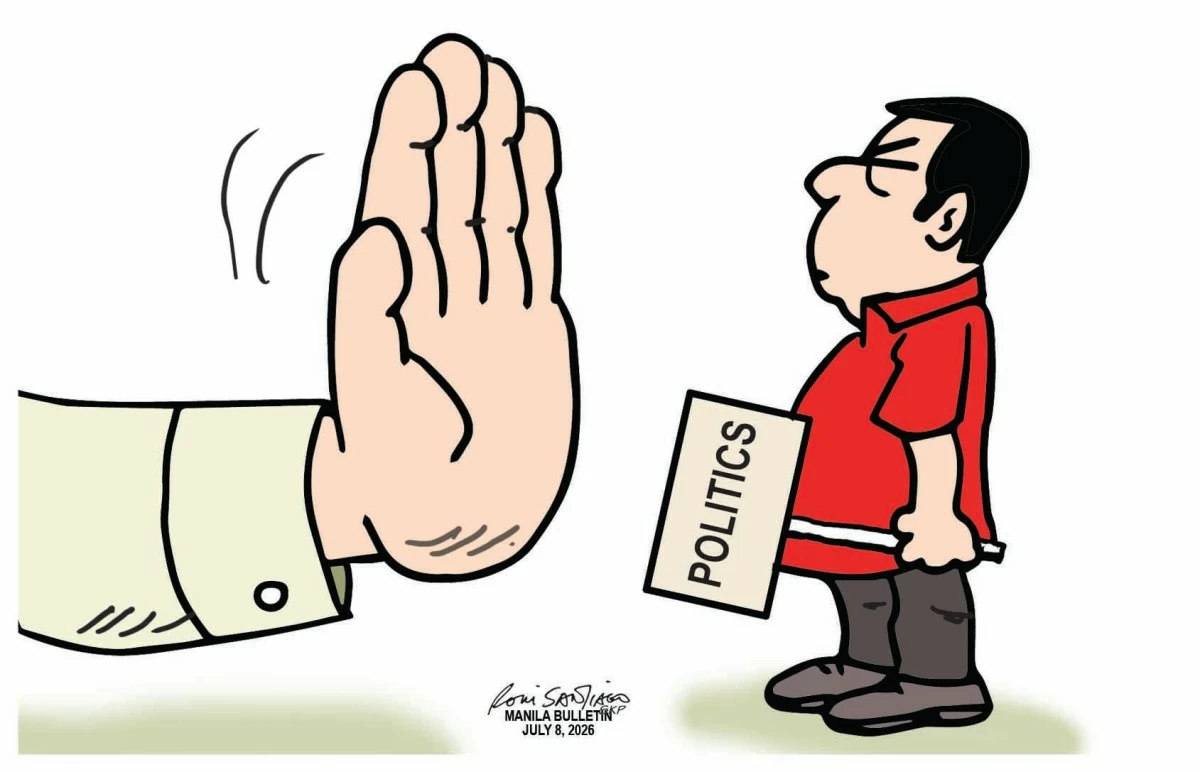
That is why everyone involved must resist turning this solemn constitutional process into political theater.
The impeachment trial is neither a campaign rally nor a contest for public approval. It is a constitutional proceeding designed to determine whether an impeachable official should remain in office. Its legitimacy rests not on impassioned speeches or political narratives but on the disciplined presentation of evidence, careful examination of facts, and faithful adherence to due process.
The House prosecution bears the burden of proving its allegations with competent, credible, and persuasive evidence. Public outrage, political pressure, or media attention cannot substitute for proof.
The defense, for its part, deserves every protection guaranteed by due process. Yet constitutional safeguards should never become shields against legitimate scrutiny. The strongest defense is one anchored in evidence, law, and transparency—not merely in claims of political persecution.
At the heart of this exercise are the senator-judges.
Their role transcends politics. In an impeachment trial, they serve as judges whose constitutional oath demands impartiality, independence, and fidelity to the law. Every witness, document, and argument must be evaluated without fear or favor, uninfluenced by party affiliation, personal friendships, political alliances, or electoral considerations.
Their responsibility is not to protect allies or punish adversaries, but to determine whether the evidence establishes impeachable offenses under the Constitution. History will judge not only their verdict but also the fairness, independence, and integrity with which they reach it.
The Filipino people also have a vital responsibility.
Supporters of Vice President Duterte should allow the constitutional process to run its course before dismissing every allegation as political persecution. Her critics should likewise refrain from treating conviction as inevitable before all the evidence has been presented. Justice suffers when conclusions are reached through social media narratives before proceedings have run their constitutional course.
Equally important, Filipinos must reject the politics of division. Political disagreements should never descend into hatred, disinformation, or personal attacks. Democracy is strengthened by vigorous but respectful debate, not by demonizing those who hold opposing views.
The 1987 Constitution created impeachment to ensure that the nation’s highest officials remain accountable while safeguarding fairness and due process. Those twin objectives must guide every participant throughout these proceedings.
Justice will inevitably disappoint one side. Yet justice is not measured by political victories or defeats but by whether the truth is established through an impartial process governed by evidence and law.
If the prosecution proves its case, accountability must prevail. If the evidence falls short, acquittal must follow. In either event, the Constitution—not personalities, political affiliations, or factional interests—must have the final word.
Only by allowing evidence, due process, and the rule of law to prevail can this impeachment trial strengthen, rather than diminish, public trust in government. That outcome is far more important than the fate of any single political figure, for it will determine whether Filipinos continue to believe that justice in a democracy is administered fairly, impartially, and equally for all.
ADVERTISEMENT
.most-popular .layout-ratio{ padding-bottom: 79.13%; } @media (min-width: 768px) and (max-width: 1024px) { .widget-title { font-size: 15px !important; } }

{{ articles_filter_1561_widget.title }}

.most-popular .layout-ratio{ padding-bottom: 79.13%; } @media (min-width: 768px) and (max-width: 1024px) { .widget-title { font-size: 15px !important; } }

{{ static_articles_1562_widget.title }}

.most-popular .layout-ratio{ padding-bottom: 79.13%; } @media (min-width: 768px) and (max-width: 1024px) { .widget-title { font-size: 15px !important; } }

{{ articles_filter_1563_widget.title }}

{{ articles_filter_1564_widget.title }}

.mb-article-details { position: relative; } .mb-article-details .article-body-preview, .mb-article-details .article-body-summary{ font-size: 17px; line-height: 30px; font-family: "Libre Caslon Text", serif; color: #000; } .mb-article-details .article-body-preview iframe , .mb-article-details .article-body-summary iframe{ width: 100%; margin: auto; } .read-more-background { background: linear-gradient(180deg, color(display-p3 1.000 1.000 1.000 / 0) 13.75%, color(display-p3 1.000 1.000 1.000 / 0.8) 30.79%, color(display-p3 1.000 1.000 1.000) 72.5%); position: absolute; height: 200px; width: 100%; bottom: 0; display: flex; justify-content: center; align-items: center; padding: 0; } .read-more-background a{ color: #000; } .read-more-btn { padding: 17px 45px; font-family: Inter; font-weight: 700; font-size: 18px; line-height: 16px; text-align: center; vertical-align: middle; border: 1px solid black; background-color: white; } .hidden { display: none; }
function initializeAllSwipers() { // Get all hidden inputs with cms_article_id document.querySelectorAll('[id^="cms_article_id_"]').forEach(function (input) { const cmsArticleId = input.value; const articleSelector = '#article-' + cmsArticleId + ' .body_images'; const swiperElement = document.querySelector(articleSelector); if (swiperElement && !swiperElement.classList.contains('swiper-initialized')) { new Swiper(articleSelector, { loop: true, pagination: false, navigation: { nextEl: '#article-' + cmsArticleId + ' .swiper-button-next', prevEl: '#article-' + cmsArticleId + ' .swiper-button-prev', }, }); } }); } setTimeout(initializeAllSwipers, 3000); const intersectionObserver = new IntersectionObserver( (entries) => { entries.forEach((entry) => { if (entry.isIntersecting) { const newUrl = entry.target.getAttribute("data-url"); if (newUrl) { history.pushState(null, null, newUrl); let article = entry.target; // Extract metadata const author = article.querySelector('.author-section').textContent.replace('By', '').trim(); const section = article.querySelector('.section-info ').textContent.replace(' ', ' '); const title = article.querySelector('.article-title h1').textContent; // Parse URL for Chartbeat path format const parsedUrl = new URL(newUrl, window.location.origin); const cleanUrl = parsedUrl.host + parsedUrl.pathname; // Update Chartbeat configuration if (typeof window._sf_async_config !== 'undefined') { window._sf_async_config.path = cleanUrl; window._sf_async_config.sections = section; window._sf_async_config.authors = author; } // Track virtual page view with Chartbeat if (typeof pSUPERFLY !== 'undefined' && typeof pSUPERFLY.virtualPage === 'function') { try { pSUPERFLY.virtualPage({ path: cleanUrl, title: title, sections: section, authors: author }); } catch (error) { console.error('ping error', error); } } // Optional: Update document title if (title && title !== document.title) { document.title = title; } } } }); }, { threshold: 0.1 } ); function showArticleBody(button) { const article = button.closest("article"); const summary = article.querySelector(".article-body-summary"); const body = article.querySelector(".article-body-preview"); const readMoreSection = article.querySelector(".read-more-background"); // Hide summary and read-more section summary.style.display = "none"; readMoreSection.style.display = "none"; // Show the full article body body.classList.remove("hidden"); } document.addEventListener("DOMContentLoaded", () => { let loadCount = 0; // Track how many times articles are loaded const offset = [1, 2, 3, 4, 5, 6, 7, 8, 9, 10]; // Offset values const currentUrl = window.location.pathname.substring(1); let isLoading = false; // Prevent multiple calls if (!currentUrl) { console.log("Current URL is invalid."); return; } const sentinel = document.getElementById("load-more-sentinel"); if (!sentinel) { console.log("Sentinel element not found."); return; } function isSentinelVisible() { const rect = sentinel.getBoundingClientRect(); return ( rect.top < window.innerHeight && rect.bottom >= 0 ); } function onScroll() { if (isLoading) return; if (isSentinelVisible()) { if (loadCount >= offset.length) { console.log("Maximum load attempts reached."); window.removeEventListener("scroll", onScroll); return; } isLoading = true; const currentOffset = offset[loadCount]; window.loadMoreItems().then(() => { let article = document.querySelector('#widget_1690 > div:nth-last-of-type(2) article'); intersectionObserver.observe(article) loadCount++; }).catch(error => { console.error("Error loading more items:", error); }).finally(() => { isLoading = false; }); } } window.addEventListener("scroll", onScroll); });

Sign up by email to receive news.