







Report: EV batteries are lasting longer than expected
US-based EV app reports better longevity based on user data
By Inigo Roces
Published Jul 8, 2026 02:59 pm


At A Glance
- The latest generation of electric vehicles (EVs) have batteries that are lasting longer than expected, based on a report released by Recurrent.
- After five years on the road, the average EV will still be able to drive up to 95% of its original range, according to Recurrent, better than many in the auto industry expected.
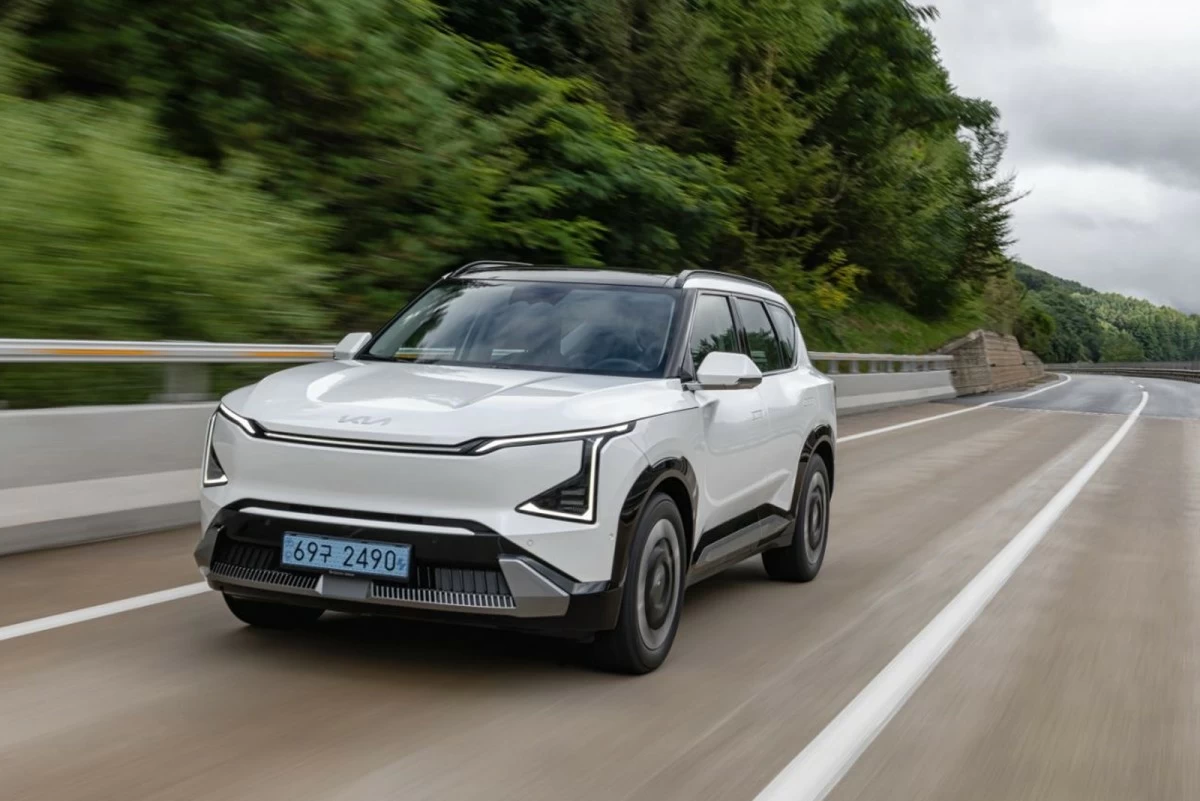
Kia EV5
The latest generation of electric vehicles (EVs) have batteries that are lasting longer than expected. This is based on a report released by Recurrent, a US-based startup that creates battery tracking apps for EVs.
Recurrent uses no hardware, just the software that runs on thousands of electric vehicles daily. It can analyze a car over and over again, normalizing things like weather, driving and charging style in order to compare two similar vehicles and show which has a stronger battery, and consequently a higher value. At the end of 2025, drivers in the Recurrent community hit a huge milestone: 1 billion miles driven. Based on this data, Recurrent was able to obtain and analyze EV battery data to paint a picture of the average battery longevity of vehicles currently on the market in the US.
Better tech, better range
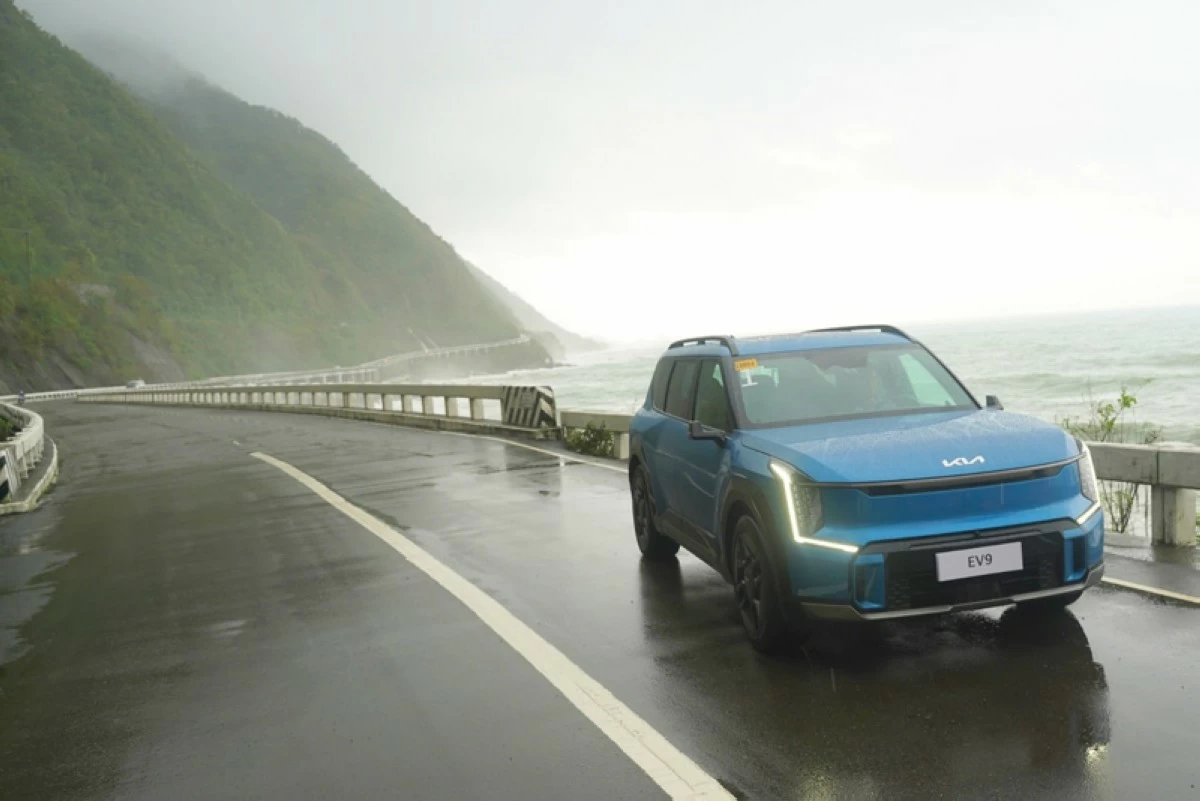
After five years on the road, the average EV will still be able to drive up to 95% of its original range, according to Recurrent, better than many in the auto industry expected. The newest battery-powered EVs have lifespans comparable to internal-combustion-engine vehicles, even when driven more miles. This means that an EV with 500-km of range should retain 485-km of range after three years of driving, and 475-km after five years. Even the ‘worst performing’ in their data managed to retain 93-94% of the range after the time period.
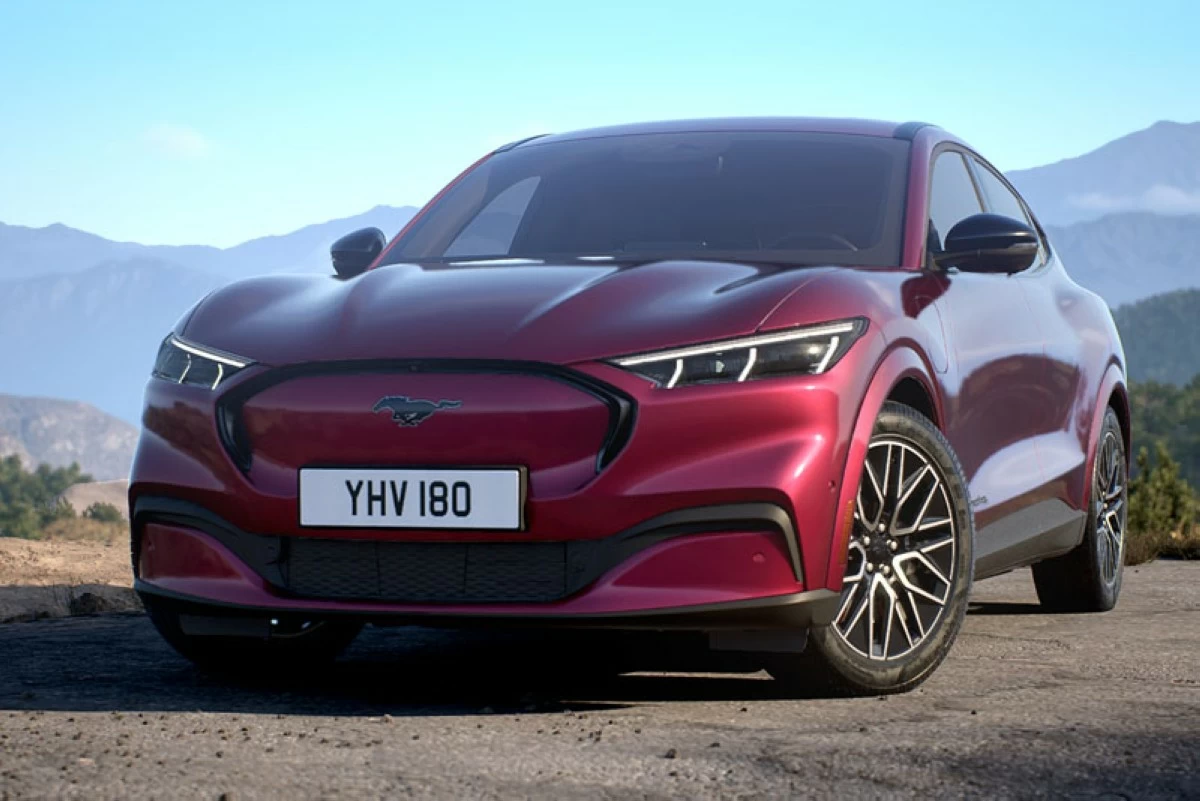
The company credits improvements in car batteries’ chemical contents, battery-management systems and thermal regulation. These improvements have been the difference in making batteries last longer and cost less. Battery prices have also fallen more than 90% since 2010, bringing down the cost of EVs in general, as well as the cost of out-of-warranty battery replacement when applicable. Contributing to this is how many EV manufacturers have shifted to allow smaller components or cells of their battery packs to be repaired or replaced, instead of requiring the entire battery to be replaced. This allows owners to avoid the full costs of a battery replacement.
Mitigating factors
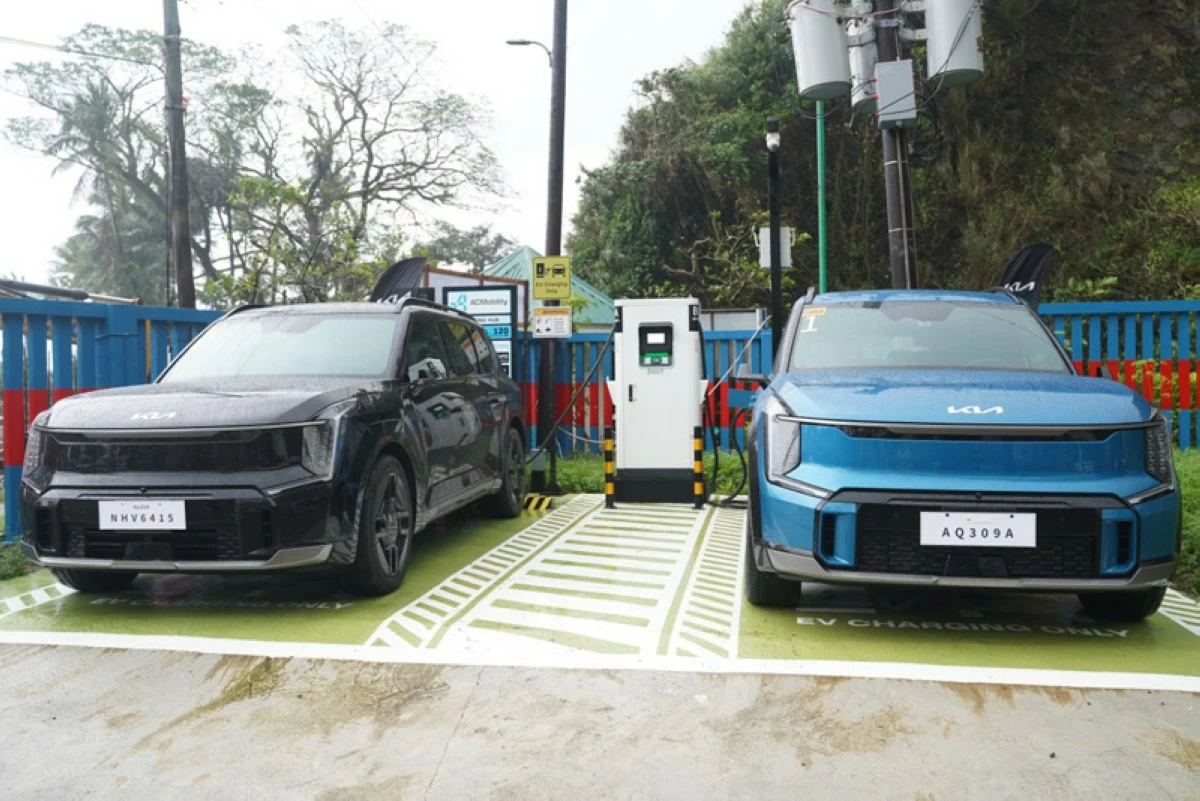
Nonetheless, experts still warn that certain habits can prematurely reduce a battery’s range. A battery that is frequently fast-charged with high power loses its range, on average, at twice the rate of a battery charged at a lower power. Frequently charging a battery to 100%, or letting it rest at 0% for extended periods, can also reduce range long-term. And EVs regularly deliver less range in extreme cold or heat.
Brand-dependent
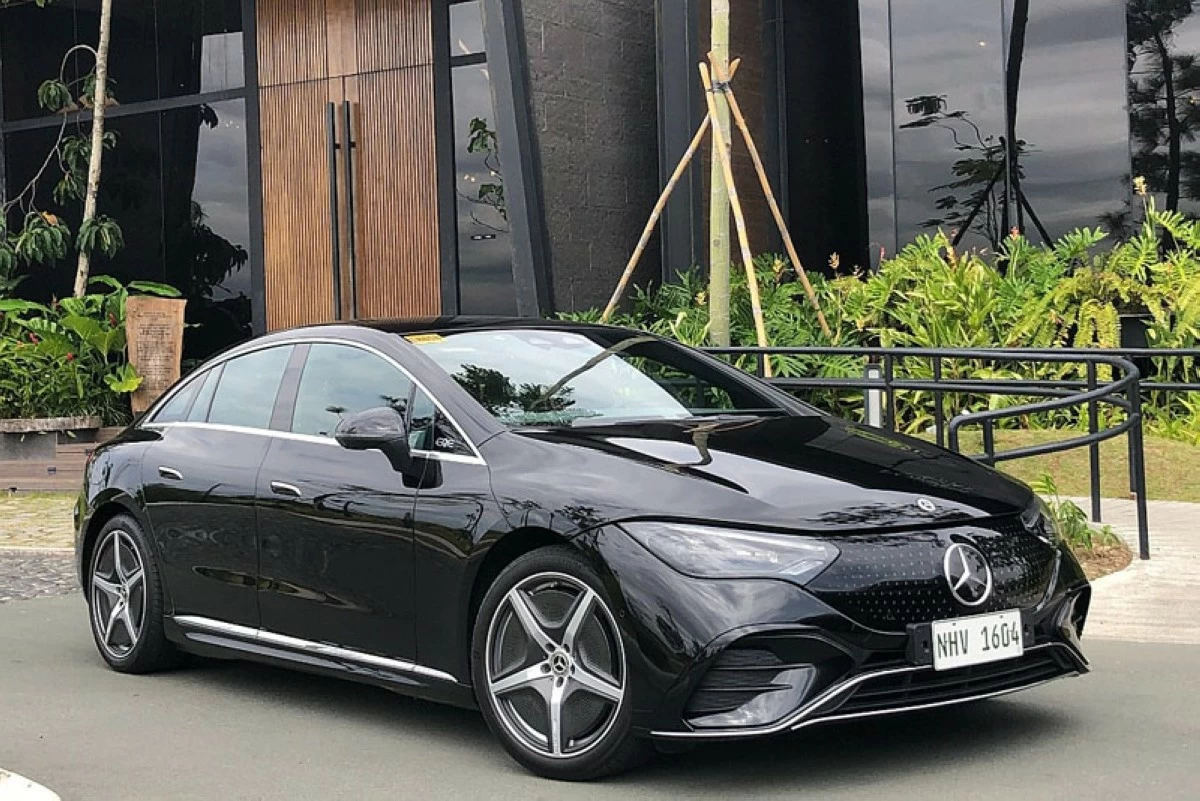
Finally, Recurrent reveals that the range longevity is still highly dependent on the automaker. Afterall, some produce batteries in-house while others source them from an external supplier. Long term range is also dependent on the software and technologies implemented in the batteries to help mitigate range.
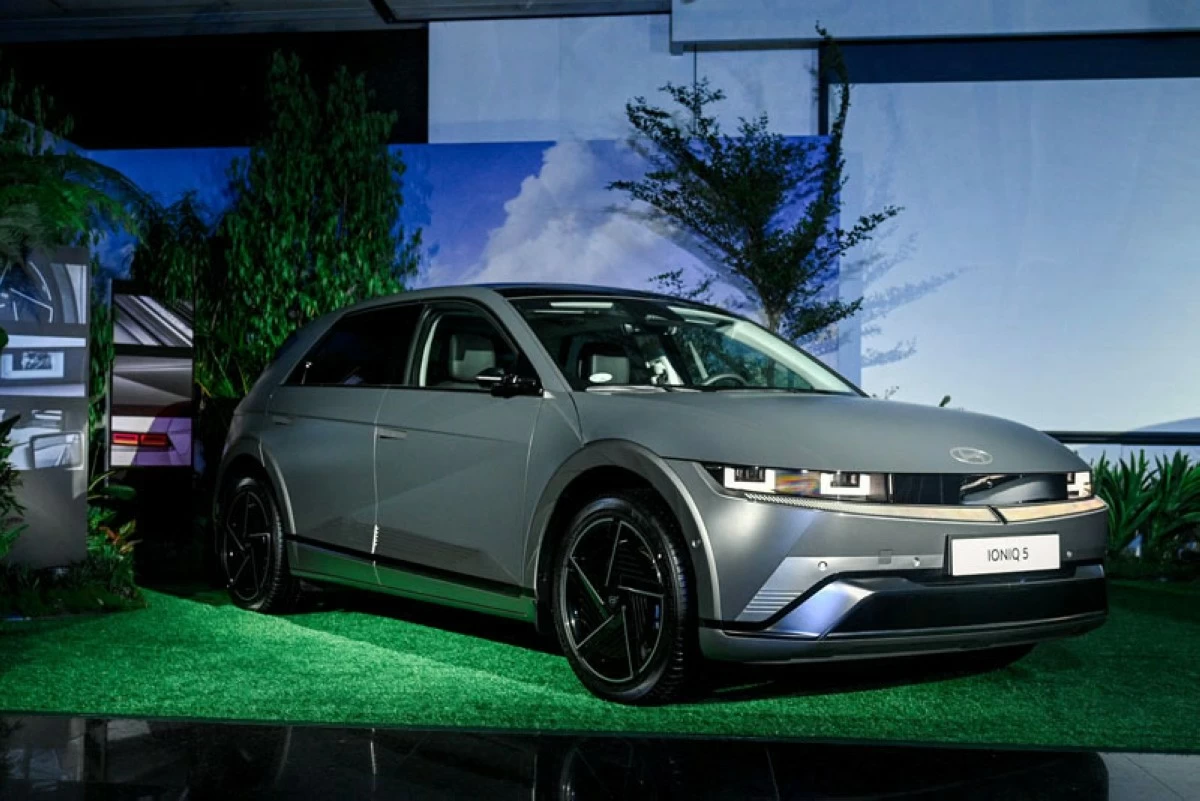
Recorrent says some brands show ‘no apparent range loss’ after several years. In reality, the automaker is probably releasing some of the capacity of the reserved battery so that the range stays consistent. In addition, over-the-air software updates can help improve preservation and present a consistent range.
Recurrent has grouped these brands into three different groups: high range retention, average range retention, and lower than average range retention. Bear in mind that this data is for US models only. As such, there is currently no data for Chinese-made EVs due to the existing ban.
High range retention
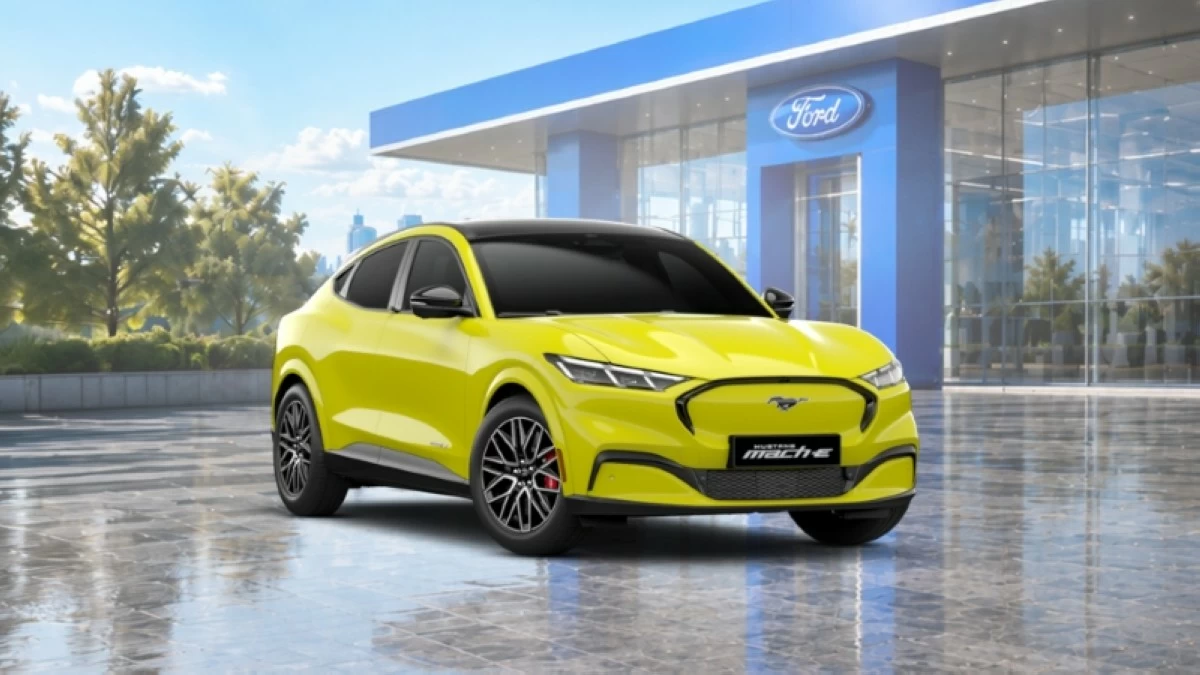
Cadillac, Ford, Hyundai, Mercedes-Benz, Rivian, and Nissan present a very stable range over the first few years of ownership, with an expected range at three years being the same as the expected range when new. Software in this vehicle is likely a factor in how the displayed range is calculated to better reflect actual energy usage. It may also change the degree to which regenerative braking recaptures lost energy. Finally, it may also limit acceleration in certain drive modes to decrease energy consumption.
Average range retention
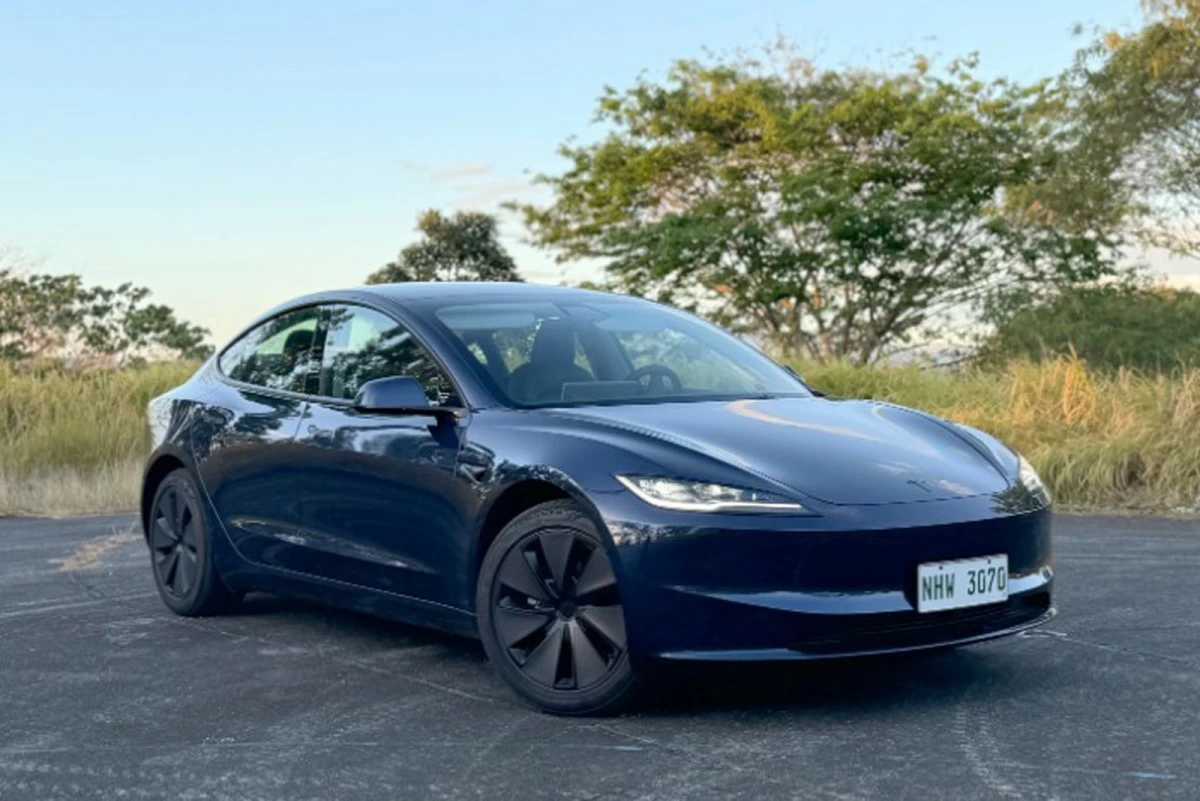
Audi, Chevrolet, Kia, Tesla belong in this group with range retention consistent with the average degradation of between 2-5% over the first three to five years. It is likely that these automakers are dynamically calculating a range that reflects the true changes in battery capacity over time. Quite surprisingly, Kia vehicles show lower range retention than Hyundais, despite using the same platform and batteries.
Lower than average range retention
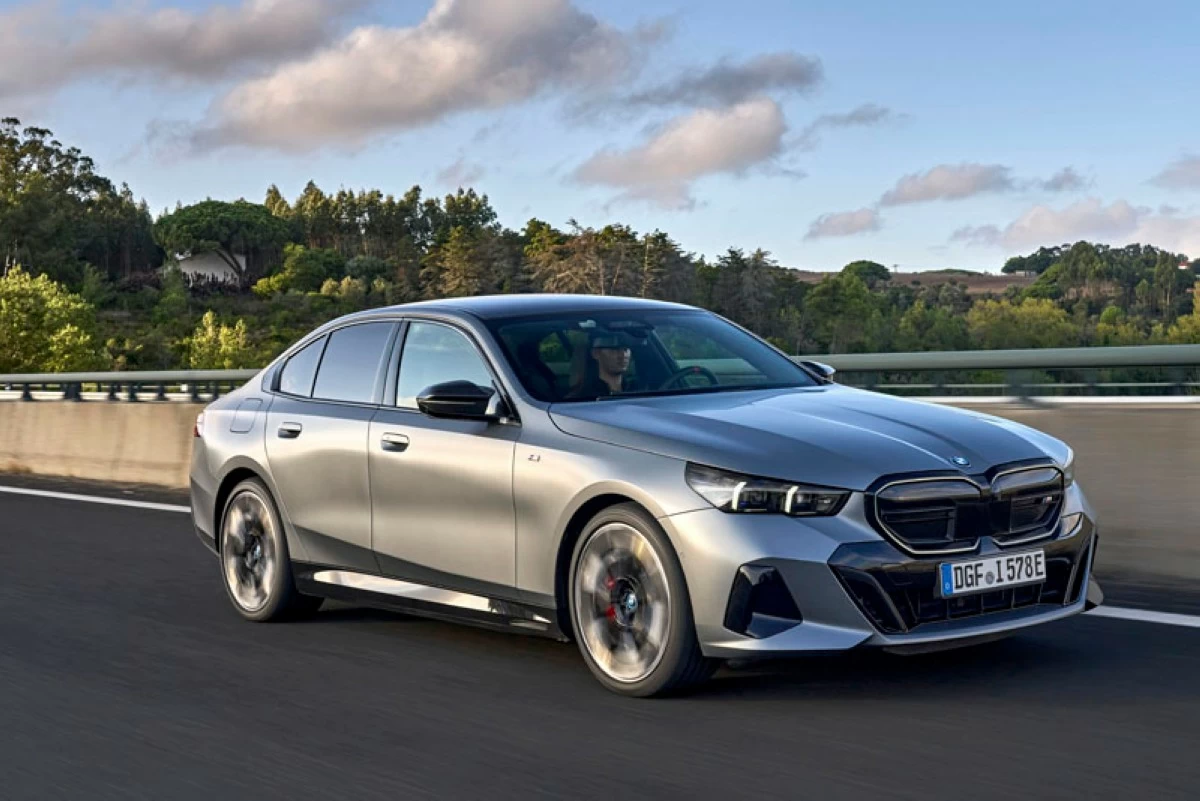
Brands like BMW, Jaguar and Volkswagen fall into this segment as their batteries have been reported to drop faster than the overall EV population. Recurrent says this may be due to the software showing the range as the battery ages without any updates to algorithms or software. It seems like neither of these companies releases reserved capacity as the batteries age, which means that there may be a large battery buffer to enhance battery life.
Bear in mind that this data is all based on the range displayed on the dashboard and recorded by recurrent’s software. The data is then input into Recurrent’s machine learning models, which are built on observational and telematic data.