ADVERTISEMENT

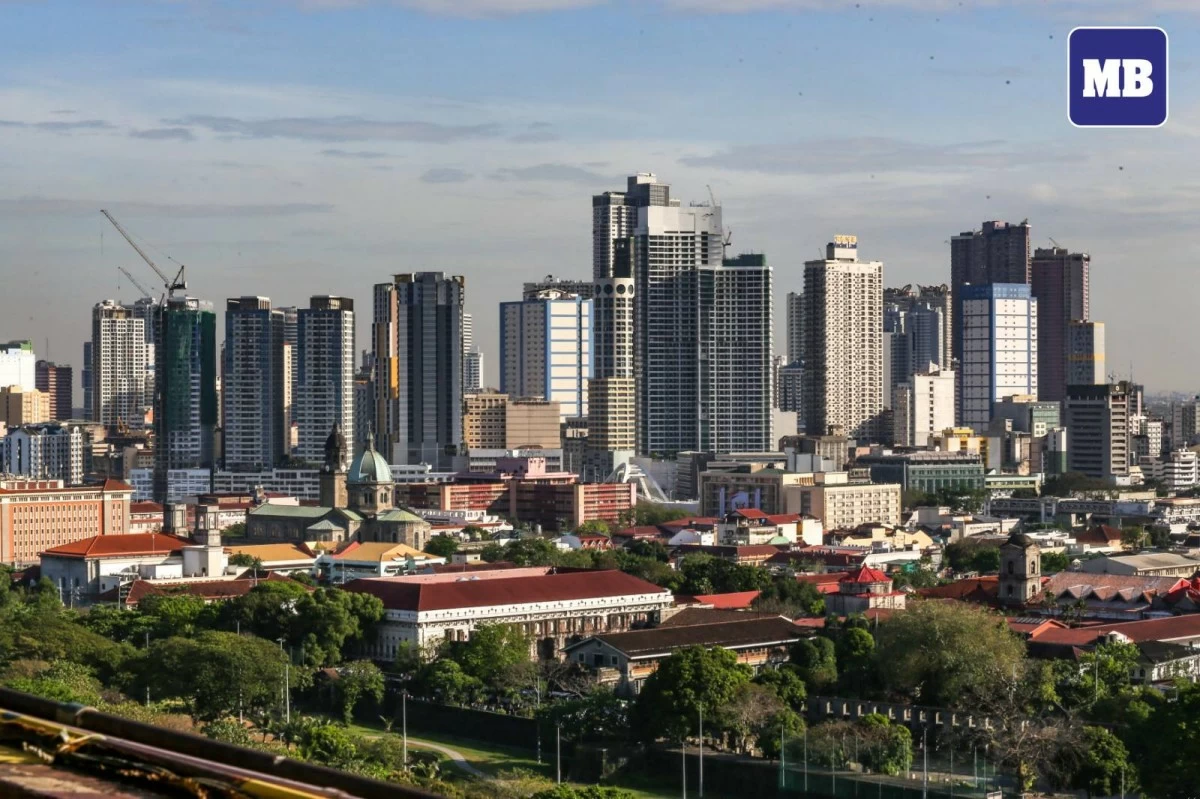
Manila remains Asia-Pacific's cheapest city for the rich

Published Jul 8, 2026 11:44 am

Manila remained the cheapest city in Asia-Pacific for the wealthy to maintain a luxury lifestyle in 2026, even as the cost of living well surged worldwide amid sharp currency swings and higher prices of premium goods.

In its Global Wealth and Lifestyle Report 2026 published last Tuesday, July 7, Swiss wealth manager Julius Baer said Manila retained its 23rd spot among 25 cities in its global lifestyle index, making the Philippine capital the third least expensive city for high-net-worth individuals (HNWIs).

Only Johannesburg, which ranked 24th, and Vancouver at 25th were cheaper than Manila globally.

Within Asia-Pacific, Manila was again the least expensive city covered by the index, trailing Mumbai at 22nd and Jakarta at 21st in the global ranking.

This marked the second straight year that Manila ranked 23rd globally. Last year, it fell two places from 21st in 2024 despite a 7.5-percent rise in average prices in local currency terms.

Julius Baer’s lifestyle index tracks the prices of a basket of 20 luxury goods and services representing discretionary purchases by HNWIs across 25 cities worldwide.

These include residential property, cars, watches, jewelry, designer clothing and accessories, business-class flights, fine dining, healthcare, hotel suites, private school fees, as well as spa services.

Manila remained particularly affordable for services and some high-end purchases compared with other global cities.

The city ranked the cheapest for spa treatments and the second cheapest for legal services as well as sports equipment, while bicycles and fine dining were the third cheapest among the 25 cities in their respective categories.

Hotel suites were also relatively affordable in Manila, ranking 22nd, while residential property, watches, and women’s handbags placed 20th.

Manila ranked 17th for private-school fees, 16th for healthcare, and 15th for technology package.

For luxury clothing, the city placed 14th for men’s suits and ninth for women’s shoes.

Some indulgences and travel costs, however, were relatively pricier in the Philippine capital.

A business-class flight from Manila ranked eighth most expensive among the cities surveyed, while jewelry placed 10th, and champagne ranked 12th.

Manila also ranked first alongside other Asia-Pacific cities for a master of business administration (MBA) degree under Julius Baer’s methodology.

The latest rankings showed a marked shift from last year, when champagne, women’s handbags, and a LASIK procedure stood out among the most expensive luxury items in Manila compared with other cities.

Across Asia-Pacific, average luxury prices increased by 7.4 percent in United States (US) dollar terms, slower than the global average increase of 10.2 percent.

Julius Baer said Asia-Pacific remained a “powerhouse in global affluence,” with five cities in the global top 10 despite relatively muted price growth across the region.

Singapore retained its position as the world’s most expensive city for HNWIs for the fourth consecutive year, followed by Zurich, and Monaco.

Hong Kong slipped to fourth place, followed by London, Shanghai, Paris, Sydney, Milan, and Bangkok.

Julius Baer said currency movements played an outsized role in reshaping this year’s rankings, as cities tied to appreciating currencies such as the Swiss franc and euro became more expensive when prices were converted into US dollars.

The wealth manager noted that much of the apparent increase in luxury living costs in 2026 was a currency story rather than simply a result of local inflation.

“A portfolio setup that works brilliantly for an entrepreneur in Zurich will not necessarily deliver the same results for a similar individual in Manila; currency and context matter,” Julius Baer said.

Globally, luxury goods prices jumped by an average of 12.3 percent, outpacing services, as higher costs of raw materials, supply chain adjustments, and pricing strategies of global luxury brands pushed up expenses.

In particular, jewelry prices rose by 16.4 percent and watches by 15.5 percent as the price of gold more than doubled since 2024.

Julius Baer said wealthy consumers were increasingly adapting where they live, spend, and buy luxury goods based on relative value across countries as currency fluctuations reshape purchasing power.

The report, however, noted that data collection for the index ended in late February 2026, which meant that the impact of the war in the Middle East was not yet reflected in its findings.

For Asia-Pacific’s wealthy, Julius Baer found that 90 percent of HNWIs surveyed reported an increase in their assets over the past 12 months.

Nearly half, or 49 percent, said they both invested and spent more, while another 28 percent increased investments but reduced spending.

Health also remained a priority, with 66 percent taking active steps to improve their own as well as their family’s health, and 58 percent planning to spend more on health-related expenses over the next 12 months.

Still, experiential spending remained stronger, with hotels and fine dining continuing to attract more spending among the region’s wealthy.

Julius Baer said Asia-Pacific’s affluent individuals were pursuing growth while remaining cautious amid global turbulence, with their priorities increasingly extending beyond investment returns to health, legacy, and responsibility.

Related Tags

Julius Baer high-net-worth individuals (HNWIs) luxury Manila Asia-Pacific
ADVERTISEMENT
.most-popular .layout-ratio{ padding-bottom: 79.13%; } @media (min-width: 768px) and (max-width: 1024px) { .widget-title { font-size: 15px !important; } }

{{ articles_filter_1561_widget.title }}

.most-popular .layout-ratio{ padding-bottom: 79.13%; } @media (min-width: 768px) and (max-width: 1024px) { .widget-title { font-size: 15px !important; } }

{{ static_articles_1562_widget.title }}

.most-popular .layout-ratio{ padding-bottom: 79.13%; } @media (min-width: 768px) and (max-width: 1024px) { .widget-title { font-size: 15px !important; } }

{{ articles_filter_1563_widget.title }}

{{ articles_filter_1564_widget.title }}

.mb-article-details { position: relative; } .mb-article-details .article-body-preview, .mb-article-details .article-body-summary{ font-size: 17px; line-height: 30px; font-family: "Libre Caslon Text", serif; color: #000; } .mb-article-details .article-body-preview iframe , .mb-article-details .article-body-summary iframe{ width: 100%; margin: auto; } .read-more-background { background: linear-gradient(180deg, color(display-p3 1.000 1.000 1.000 / 0) 13.75%, color(display-p3 1.000 1.000 1.000 / 0.8) 30.79%, color(display-p3 1.000 1.000 1.000) 72.5%); position: absolute; height: 200px; width: 100%; bottom: 0; display: flex; justify-content: center; align-items: center; padding: 0; } .read-more-background a{ color: #000; } .read-more-btn { padding: 17px 45px; font-family: Inter; font-weight: 700; font-size: 18px; line-height: 16px; text-align: center; vertical-align: middle; border: 1px solid black; background-color: white; } .hidden { display: none; }
function initializeAllSwipers() { // Get all hidden inputs with cms_article_id document.querySelectorAll('[id^="cms_article_id_"]').forEach(function (input) { const cmsArticleId = input.value; const articleSelector = '#article-' + cmsArticleId + ' .body_images'; const swiperElement = document.querySelector(articleSelector); if (swiperElement && !swiperElement.classList.contains('swiper-initialized')) { new Swiper(articleSelector, { loop: true, pagination: false, navigation: { nextEl: '#article-' + cmsArticleId + ' .swiper-button-next', prevEl: '#article-' + cmsArticleId + ' .swiper-button-prev', }, }); } }); } setTimeout(initializeAllSwipers, 3000); const intersectionObserver = new IntersectionObserver( (entries) => { entries.forEach((entry) => { if (entry.isIntersecting) { const newUrl = entry.target.getAttribute("data-url"); if (newUrl) { history.pushState(null, null, newUrl); let article = entry.target; // Extract metadata const author = article.querySelector('.author-section').textContent.replace('By', '').trim(); const section = article.querySelector('.section-info ').textContent.replace(' ', ' '); const title = article.querySelector('.article-title h1').textContent; // Parse URL for Chartbeat path format const parsedUrl = new URL(newUrl, window.location.origin); const cleanUrl = parsedUrl.host + parsedUrl.pathname; // Update Chartbeat configuration if (typeof window._sf_async_config !== 'undefined') { window._sf_async_config.path = cleanUrl; window._sf_async_config.sections = section; window._sf_async_config.authors = author; } // Track virtual page view with Chartbeat if (typeof pSUPERFLY !== 'undefined' && typeof pSUPERFLY.virtualPage === 'function') { try { pSUPERFLY.virtualPage({ path: cleanUrl, title: title, sections: section, authors: author }); } catch (error) { console.error('ping error', error); } } // Optional: Update document title if (title && title !== document.title) { document.title = title; } } } }); }, { threshold: 0.1 } ); function showArticleBody(button) { const article = button.closest("article"); const summary = article.querySelector(".article-body-summary"); const body = article.querySelector(".article-body-preview"); const readMoreSection = article.querySelector(".read-more-background"); // Hide summary and read-more section summary.style.display = "none"; readMoreSection.style.display = "none"; // Show the full article body body.classList.remove("hidden"); } document.addEventListener("DOMContentLoaded", () => { let loadCount = 0; // Track how many times articles are loaded const offset = [1, 2, 3, 4, 5, 6, 7, 8, 9, 10]; // Offset values const currentUrl = window.location.pathname.substring(1); let isLoading = false; // Prevent multiple calls if (!currentUrl) { console.log("Current URL is invalid."); return; } const sentinel = document.getElementById("load-more-sentinel"); if (!sentinel) { console.log("Sentinel element not found."); return; } function isSentinelVisible() { const rect = sentinel.getBoundingClientRect(); return ( rect.top < window.innerHeight && rect.bottom >= 0 ); } function onScroll() { if (isLoading) return; if (isSentinelVisible()) { if (loadCount >= offset.length) { console.log("Maximum load attempts reached."); window.removeEventListener("scroll", onScroll); return; } isLoading = true; const currentOffset = offset[loadCount]; window.loadMoreItems().then(() => { let article = document.querySelector('#widget_1690 > div:nth-last-of-type(2) article'); intersectionObserver.observe(article) loadCount++; }).catch(error => { console.error("Error loading more items:", error); }).finally(() => { isLoading = false; }); } } window.addEventListener("scroll", onScroll); });

Sign up by email to receive news.