






Manila Bulletin
 Environment and Sustainability
Innovation transforms plastic sachets into reusable materials
Environment and Sustainability
Innovation transforms plastic sachets into reusable materials
Environment and Sustainability
Innovation transforms plastic sachets into reusable materials
Innovation transforms plastic sachets into reusable materials
Published Jul 8, 2026 01:01 pm
|
Updated Jul 17, 2026 07:37 am


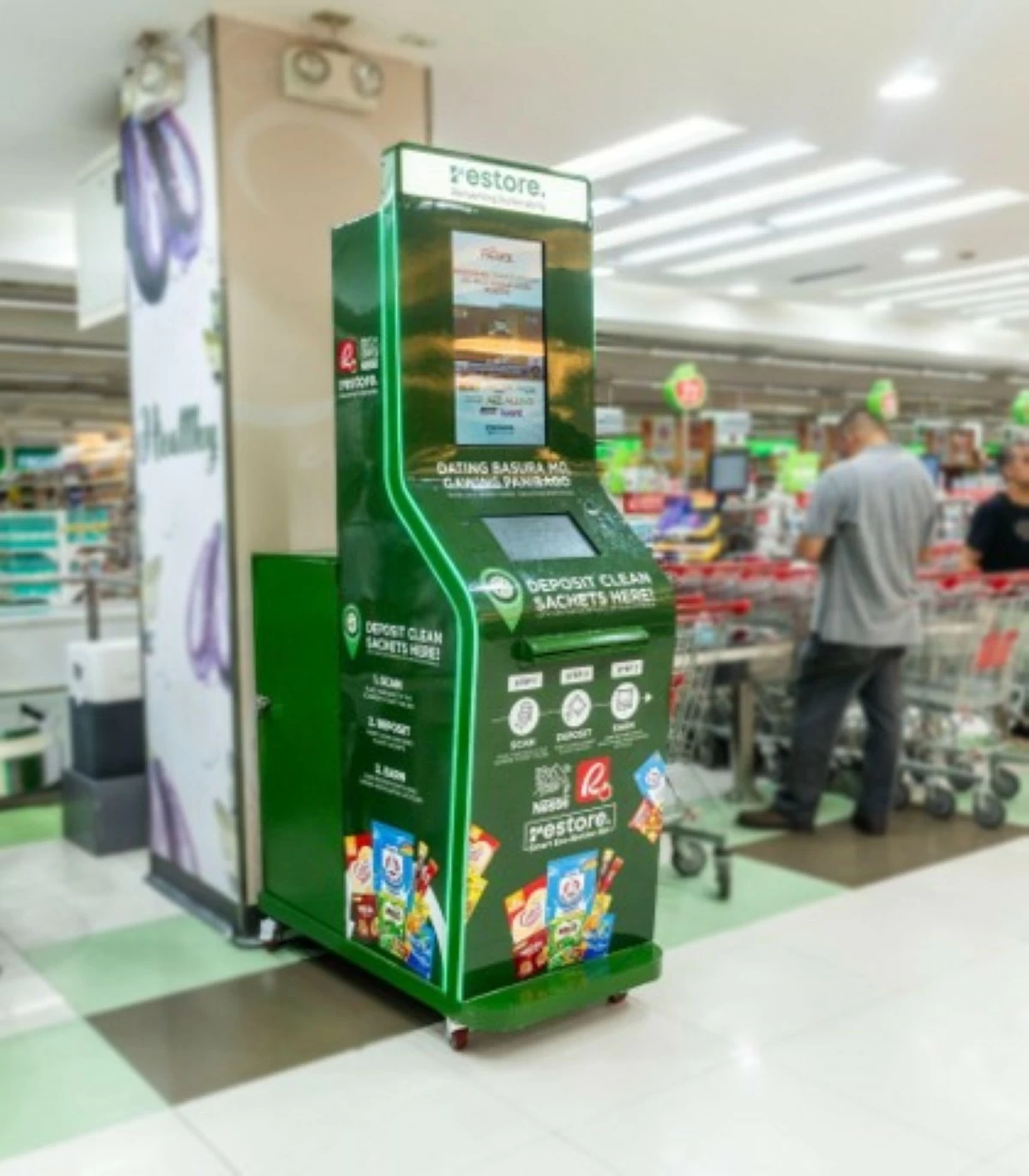
Plastic is everywhere. From neighborhood stores to high-end retailers, plastic has become part of daily life. In the Philippines, single-use sachets have become a common option because they make household products more affordable and accessible to many consumers. Their widespread use, however, has also contributed to the country’s growing plastic waste problem.
For decades, plastic sachets have been a fixture in Filipino households, making everyday products affordable and accessible to millions. But the convenience of the country's sachet economy has come with an environmental cost, contributing to the millions of pieces of plastic waste discarded daily across the archipelago.
One company exploring ways to address this challenge is Restore Solutions PH, which developed the Smart Eco-Collection Bin (SEB), an artificial intelligence (AI)-powered recycling system designed to encourage proper disposal of used sachets and other flexible plastic packaging through a rewards program.
The system allows users, referred to as “Eco-Heroes,” to earn points by depositing eligible plastic sachets into a Smart Eco-Collection Bin. Through a digital platform, participants can track accumulated points and redeem rewards. The approach aims to encourage more people to participate in recycling by providing an immediate incentive for proper waste disposal.
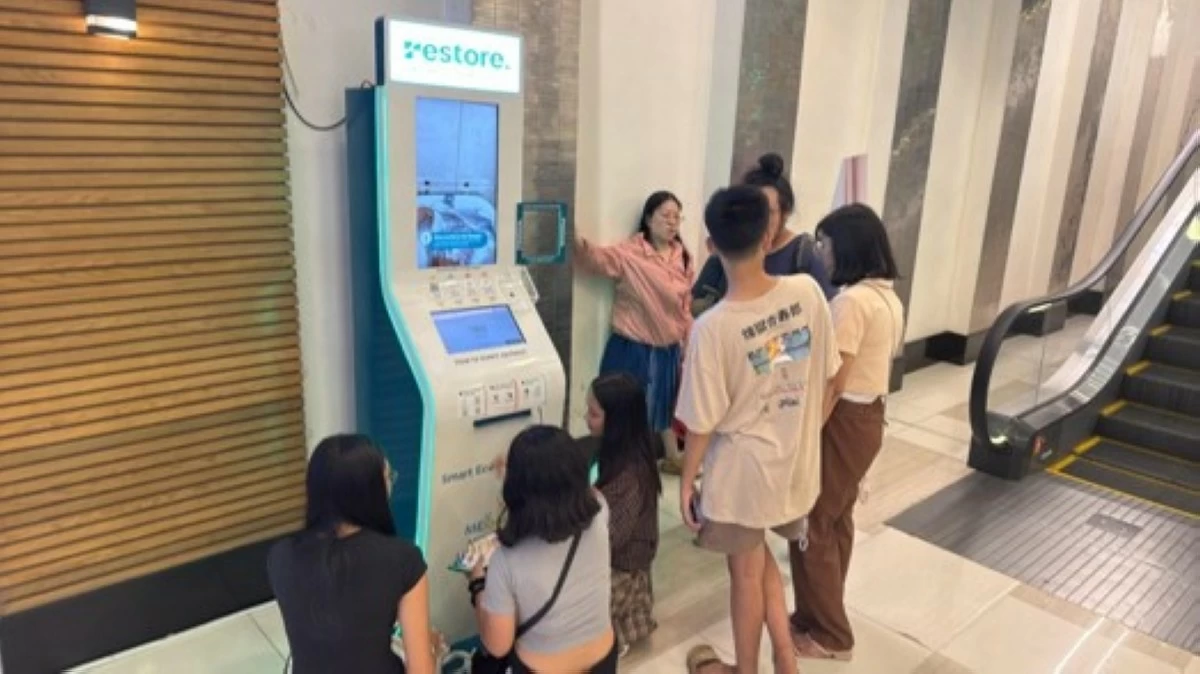
The concept reflects a broader idea in waste management: people are often more likely to adopt sustainable habits when recycling is convenient and provides visible benefits. Instead of ending up in trash bins, waterways, or landfills, used sachets are collected for processing and reuse. Each deposit represents a small contribution to reducing plastic pollution.
The Smart Eco-Collection Bin draws inspiration from reverse vending machines used in several countries. Unlike many existing systems that primarily collect bottles and cans, the SEB is designed to accept single-use sachets and other flexible plastic packaging, which make up a significant portion of plastic waste in the Philippines. The system identifies eligible packaging through AI technology while recording user participation.
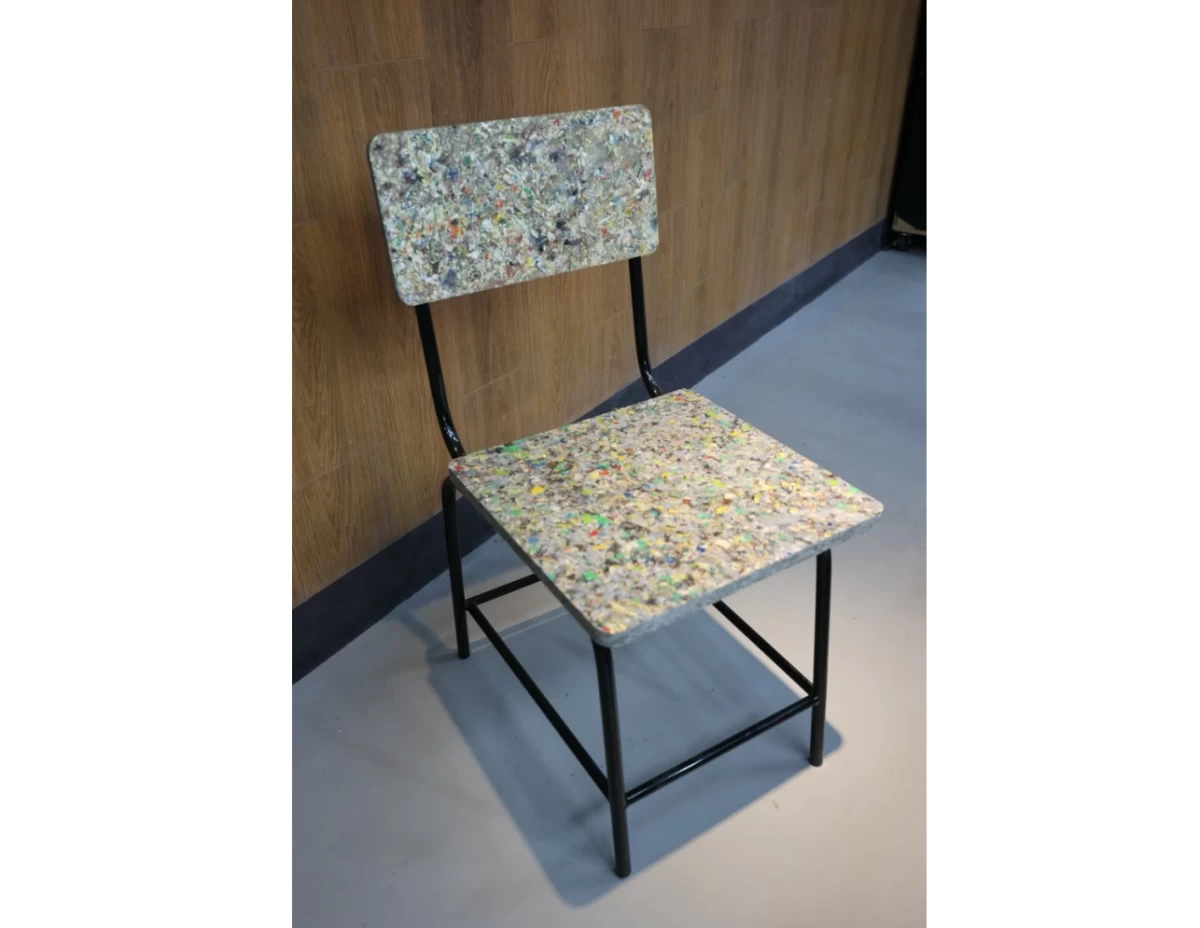
A chair crafted from Restore Boards made with materials collected through Smart Eco-Collection Bins.
Collected plastics are brought to Restore Solutions PH’s upcycling facility in Guiguinto, Bulacan, where they are processed into industrial panels called Restore Boards. The panels are intended for use as alternatives to some conventional building materials while giving discarded plastics a second life.
According to Restore Solutions PH, the company has diverted about 450 metric tons of flexible plastics from landfills and marine environments through its collection and upcycling efforts. While initiatives such as the Smart Eco-Collection Bin alone cannot solve the country’s plastic waste problem, they demonstrate one of several approaches being explored to support recycling, encourage responsible waste disposal, and contribute to broader circular economy efforts in the Philippines.