







Ferrari unveils exclusive 12Cilindri with 'manual' transmission
Ferrari 12Cilindri Manuale
By Inigo Roces
Published Jul 8, 2026 12:05 pm


At A Glance
- The Prancing Horse just announced its latest model, the 12Cilindri Manuale, a limited-edition special series of the current model.
- The 12Cilindri Manuale integrates a manual command gear shifter and a new clutch pedal, which together form the Manual-By-Wire system.
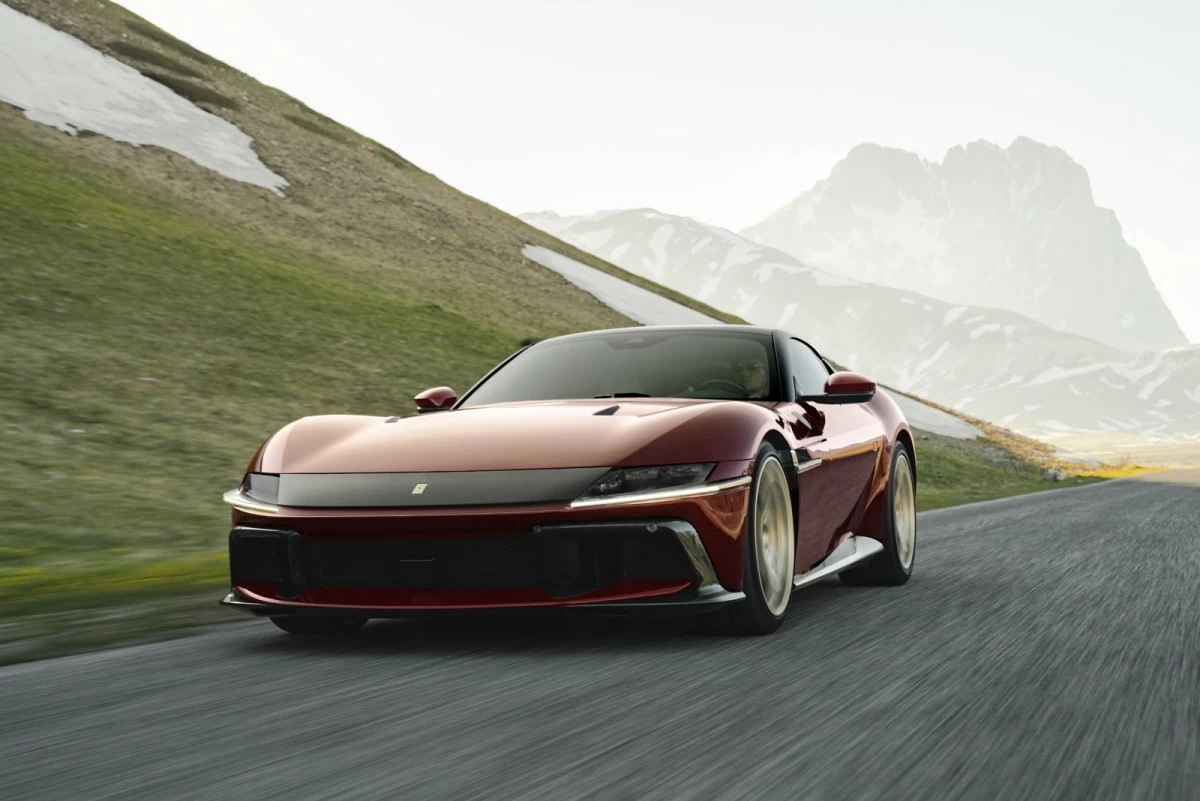
Ferrari is bringing the manual back… sort of. The Prancing Horse just announced its latest model, the 12Cilindri Manuale, a limited-edition special series of the current model. The model is designed for those seeking a physical and engaging experience behind the wheel without compromising on usability. The car combines the driving emotions classic Ferraris with the most advanced technology to make the interaction between driver and car even more direct.
Manual-by-wire
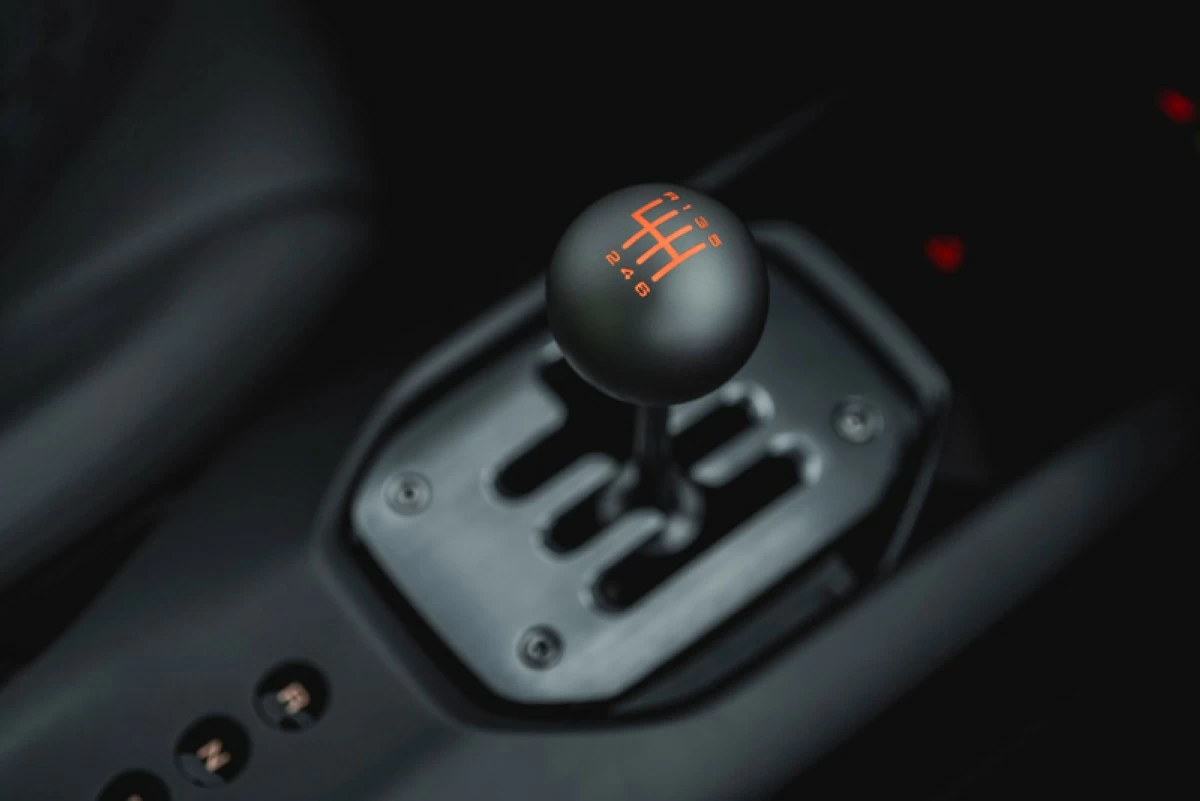
The 12Cilindri Manuale does this by the use of manual command and a new clutch pedal, which together form the Manual-By-Wire system, engineered entirely at Maranello. The system offers a contemporary reinterpretation of the analogue gear-shifting experience, leveraging the most advanced technology to ensure precision, repeatability and ease of use.
The car can be driven in manual mode in the first six gears and reverse, or in automatic mode, offering maximum freedom to choose between driving engagement and comfort.
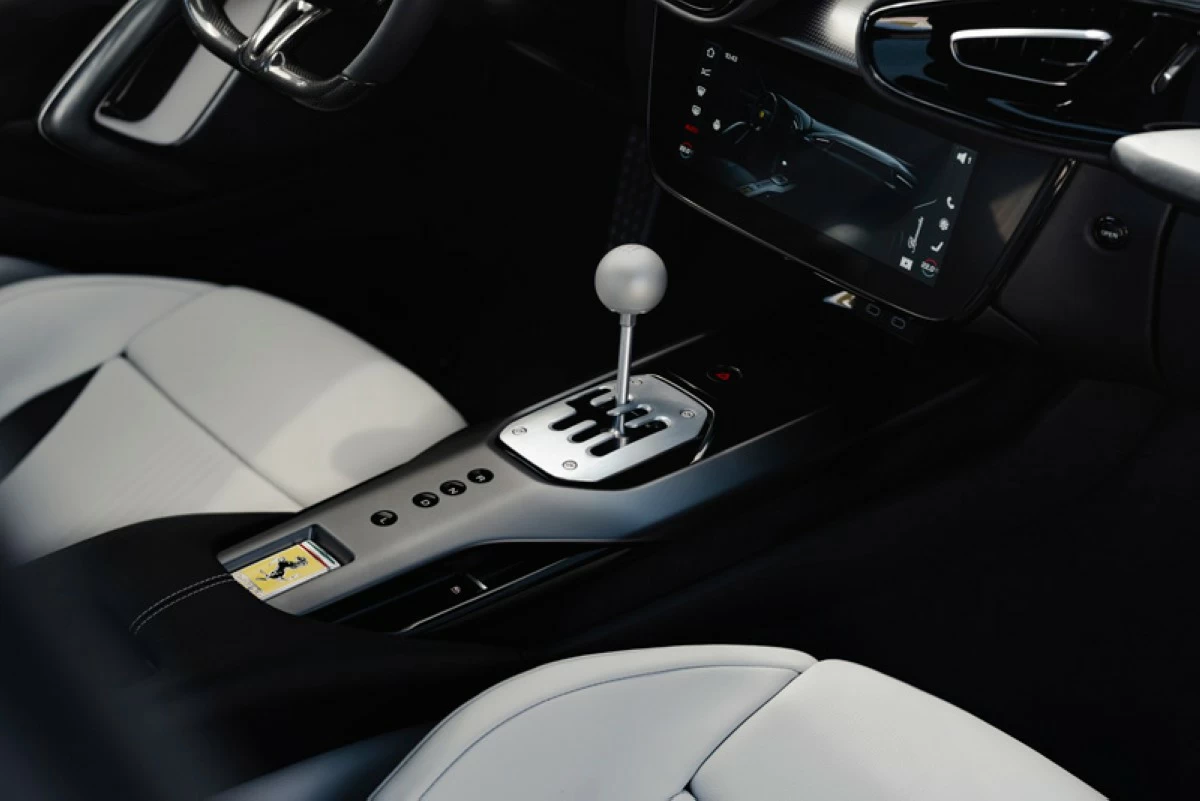
The new Manuale By-Wire system combines the technology of Ferrari’s highly acclaimed 8-speed DCT gearbox with a system redesigned from scratch, introducing entirely new components and a gear lever designed to deliver a pure, engaging analog feel. The architecture features a gear lever selector, a control panel, and a pedal assembly with a clutch pedal (also by-wire) that allows the driver to manage the engagement and disengagement of the clutch pack, as well as updates to the control unit and gearbox/engine control software.
The manual control system consists features a mechanical module equipped with sensors and advanced kinematic mechanisms that replicate the mechanical loads typical of Ferrari manual gearboxes during the synchronisation, engagement, and disengagement phases. It replicates the same clicks and load variations as a conventional manual, providing clear feedback to the driver regarding gear engagement. It also integrates safety systems to prevent mis-shifts and locks out certain gears like reverse when in motion.
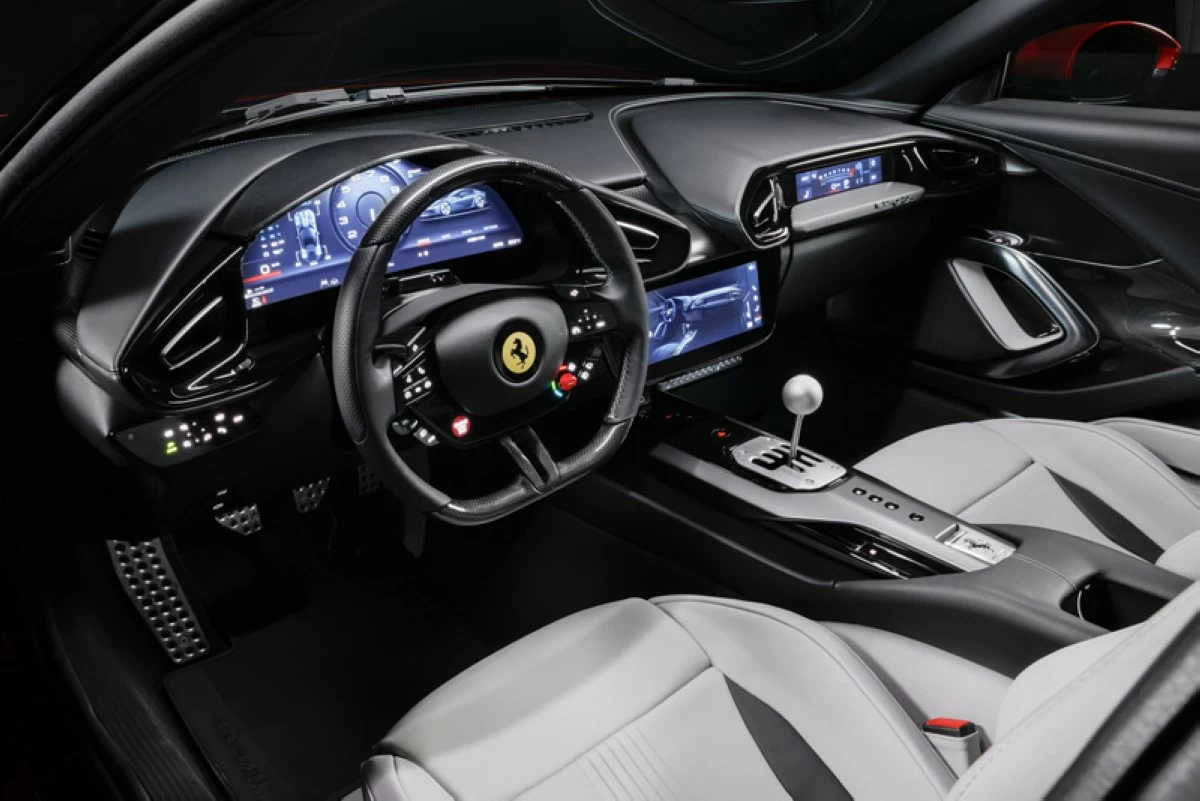
The clutch-by-wire pedal position is detected by a position sensor on the pedal assembly and then translated into hydraulic actuation of the DCT clutch. The system recreates the typical load-travel curve of mechanically linked manual gearboxes.
This results in behavior consistent with the logic of traditional manual gearboxes. Ferrari has even programmed in the jerks or stalls associated with conventional manuals.
Inside the cabin of the Ferrari 12Cilindri Manuale, the gear lever, knob, gear shift gate, and pedals have been recreated from iconic past Ferrari cars. The gear shift gate echoes the six-speed shift pattern, with reverse at the top left, while the round aluminum gear knob is enhanced by a backlit screen print indicating the six gears and the currently active driving mode (automatic/manual).
Automatic mode
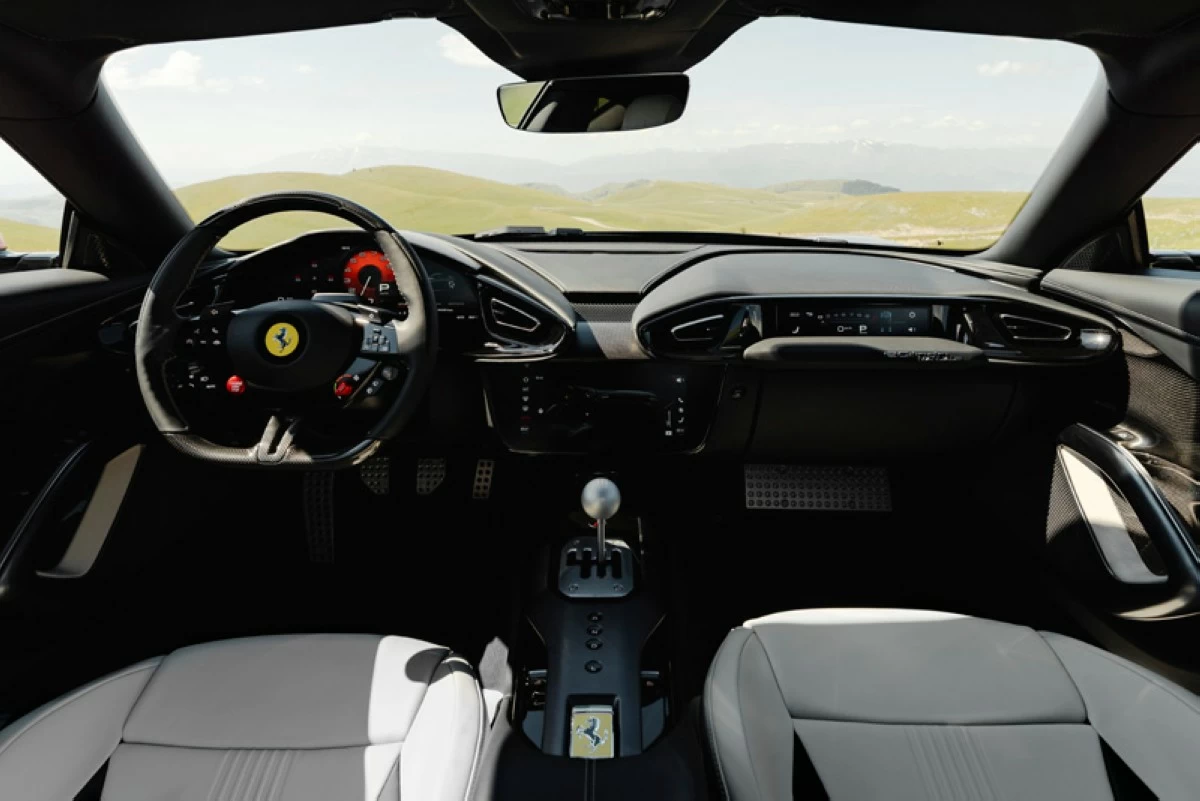
When in automatic mode, the gear lever, clutch-by-wire pedal, and controls for ‘Drive’, ‘Reverse’, and ‘Neutral’ modes send signals to the gearbox control unit, which manages manual inputs whilst leaving the DCT’s basic operating logic unchanged. It is also possible to pre-select the gear via the lever, with a graphic display on the instrument cluster showing how the rev counter will react to the gear change.
Limited edition
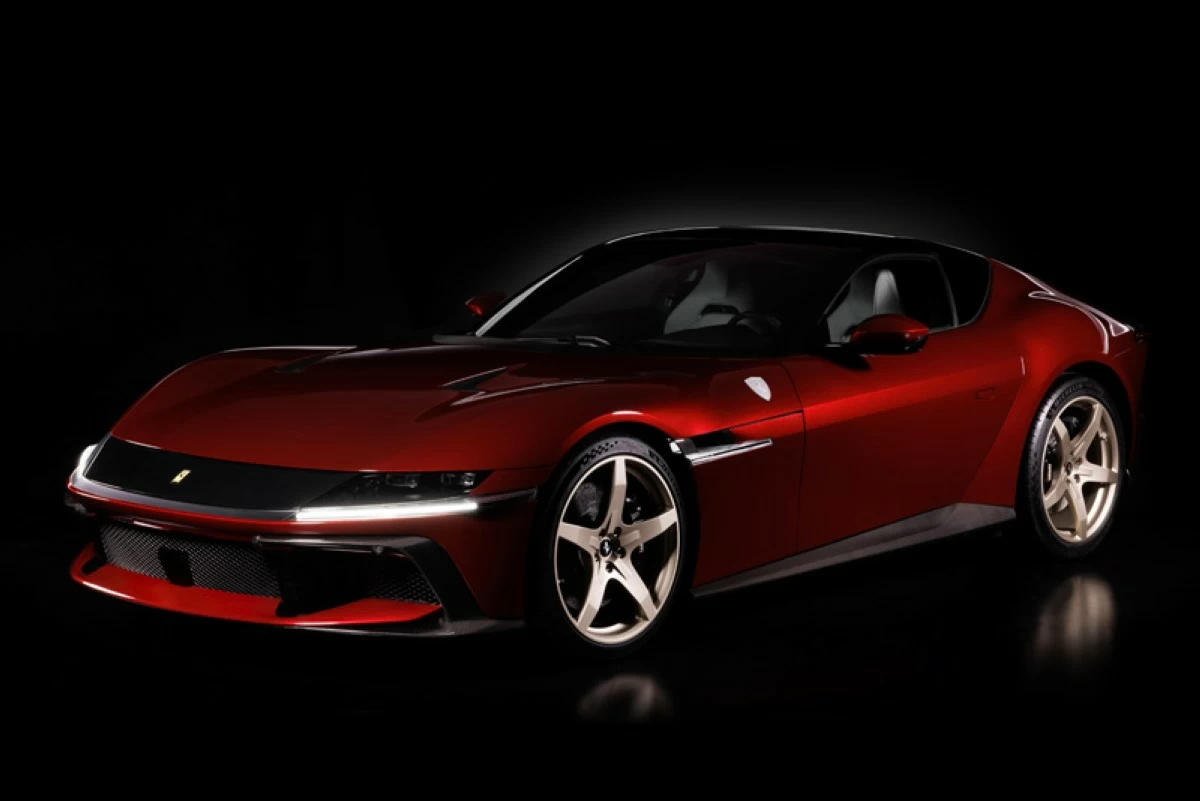
The Ferrari 12Cilindri Manuale is offered as a limited series of just 1,499 cars, a number that recalls the displacement of the first Ferrari twelve-cylinder engine produced in 1947. It is designed for Ferraristi who are loyal to front-engined V12 two-seater berlinettas and seeking an even more physical level of driving emotions.
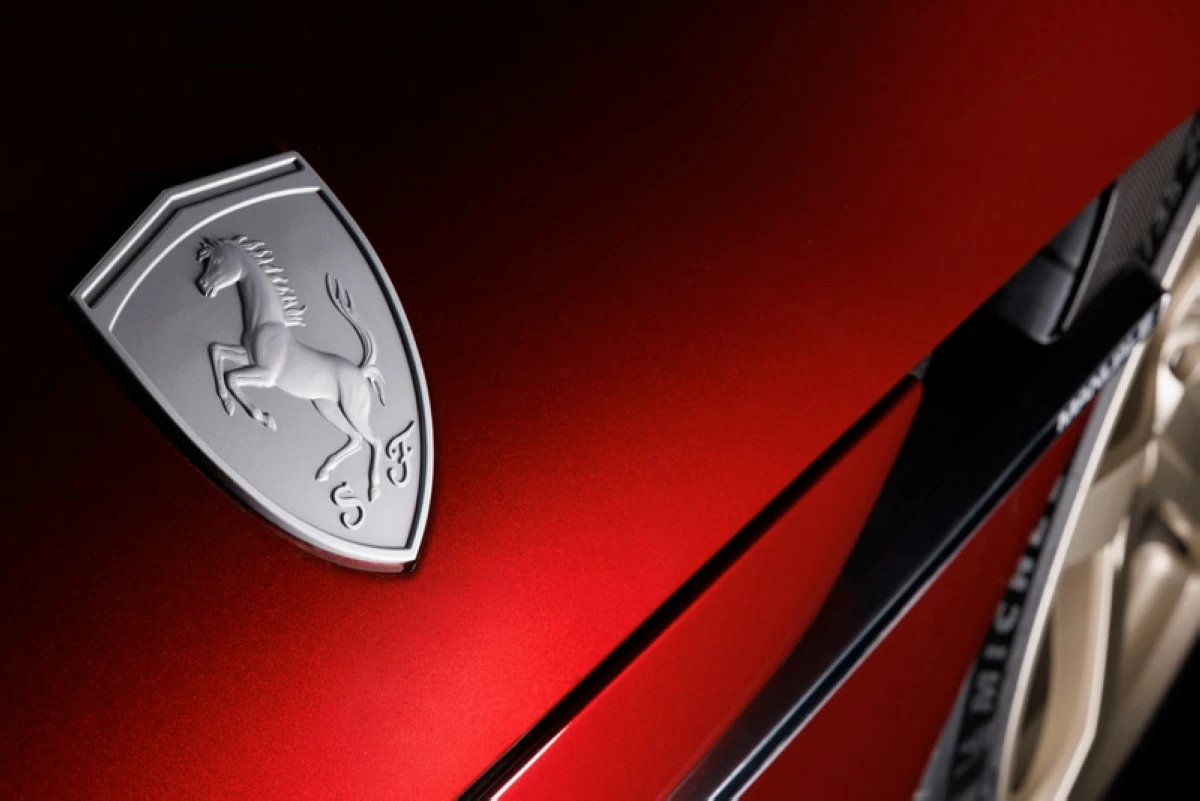
Its exclusivity is further reinforced by a dedicated Tailor Made specification and details that ensure instant recognition. The side badge features the car’s laser-etched logo, whilst the front splitter and rear wings feature a pinstripe finish that pays homage to the Ferrari 365 GTB4. These elements are complemented by specially designed five-spoke forged wheels and aluminum door sills engraved with the car’s logo.
The Ferrari 12Cilindri draws inspiration from the iconic Ferrari Gran Turismo models of the 1950s and 1960s, fully embodying the ethos of Ferrari’s front-engined, two-seater V12s. Its design exudes sportiness and sophistication: simple, harmonious lines blend with innovative features such as integrated active aerodynamics designed to deliver unrivalled performance, and the reverse-opening bonnet that showcases the engine bay. The picture is completed by twin pairs of exhaust tailpipes, a hallmark of Ferrari’s twelve-cylinder engines.
An optional livery is also available, paying homage to the six-speed gearbox, and is offered in a range of color schemes. The seats, available in Comfort and Racing versions, are enhanced with Tailor Made materials and a specific trim featuring six vertical grooves, once again echoing the six gears.
Under the bonnet, the new naturally aspirated 6.5-litre V12 is capable of delivering 818 Hp and revving up to 9,500 rpm, offering linear power delivery and an unmistakable sound. With a top speed in excess of 340 km/h and acceleration from 0 to 100 km/h in approximately 3.0 seconds, the 12Cilindri redefines the concept of the modern grand tourer, combining extreme performance and uncompromising refinement.
The Ferrari 12Cilindri Manuale is available in 25 iconic Ferrari colors, including the standout Rosso Rubino of the launch edition. Other shades inspired by Ferrari’s heritage include Argento Nürburgring, Nero Daytona, Rubino Micalizzato, Rosso Dino, Giallo Montecarlo, Verde Zeltweg, Azzurro La Plata, Blu Pozzi, Bianco Mille Miglia, and Viola Hong Kong. Other specially designed details include a dedicated plate in silver or carbon fiber bearing the Tailor Made logo. The standard aluminum door sill features the car’s logo engraved into it, while the optional carbon-fiber sill has the car’s logo painted onto it.