







First impressions of the Toyota Land Cruiser FJ TX
Proving its point in Cebu
Published Jul 8, 2026 10:43 pm


At A Glance
- The TX variant showed what the Land Cruiser FJ is like without relying on the VX's added equipment, making the drive more about the vehicle's basic road manners and mechanical feel.
- The three-hour drive from Daangbantayan to Mactan showed how the FJ behaves on the type of provincial roads many Filipino owners will actually use.
- Its 2.7-liter gasoline engine is modest, but the 4x4 drivetrain, suspension layout, differential lock, and ground clearance give it the hardware expected of a smaller Land Cruiser.
- The FJ TX's strongest points are visibility, manageable size, steady steering, and a low-effort driving feel over a long mixed-road route.
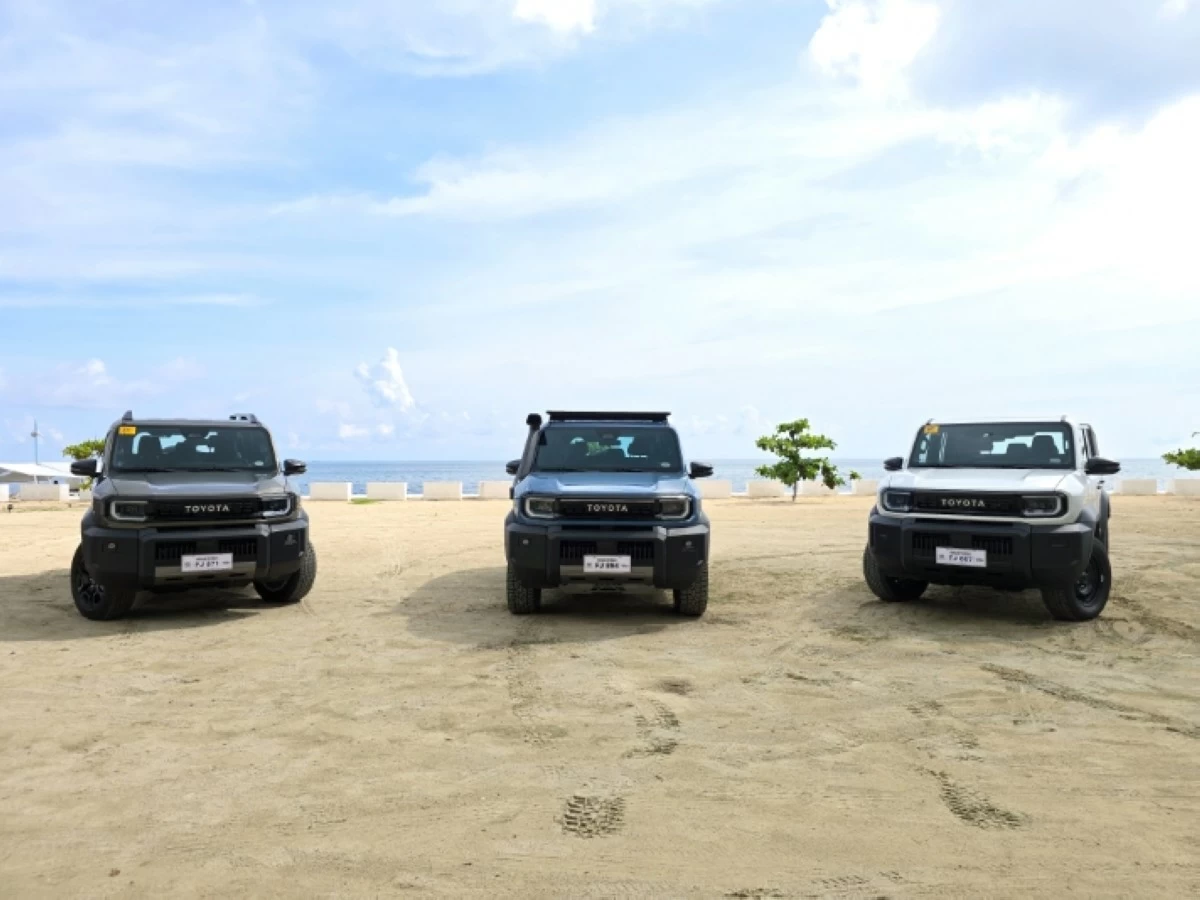
The Toyota Land Cruiser FJ has been one of the most anticipated new SUVs to reach the Philippines, especially after its first public appearance at the recently held Philippine International Motor Show (PIMS). It is the smallest member of the modern Land Cruiser family and clearly draws inspiration from the previous FJ Cruiser. It retains the upright stance, squared-off body, and ladder-frame feel of a Land Cruiser, with a quiet promise to return to its namesake's roots. I got to drive the FJ in Cebu during the 19th running of Toyota's annual Road Trek event, and I specifically chose the base model TX variant to strip the experience of as much modern creature comforts as I could.
The entry-level trim
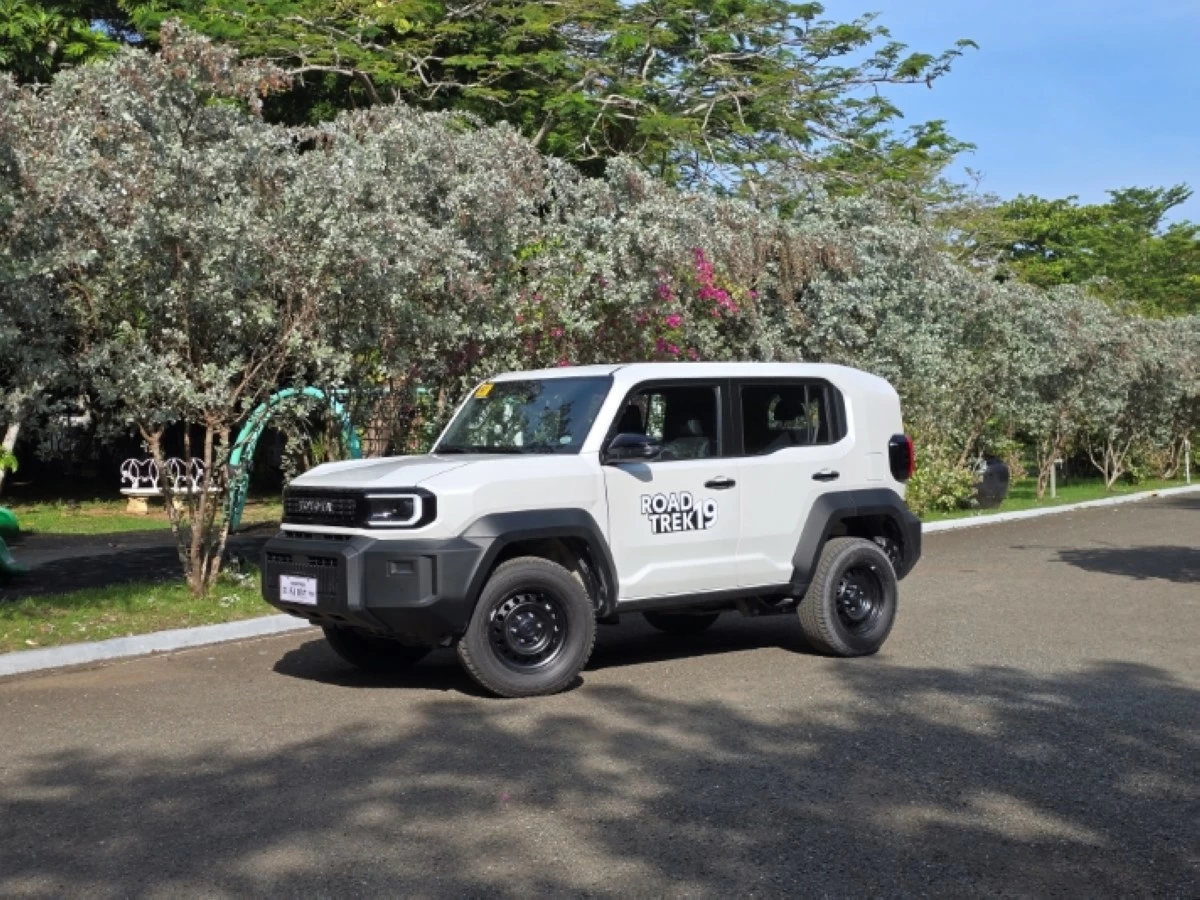
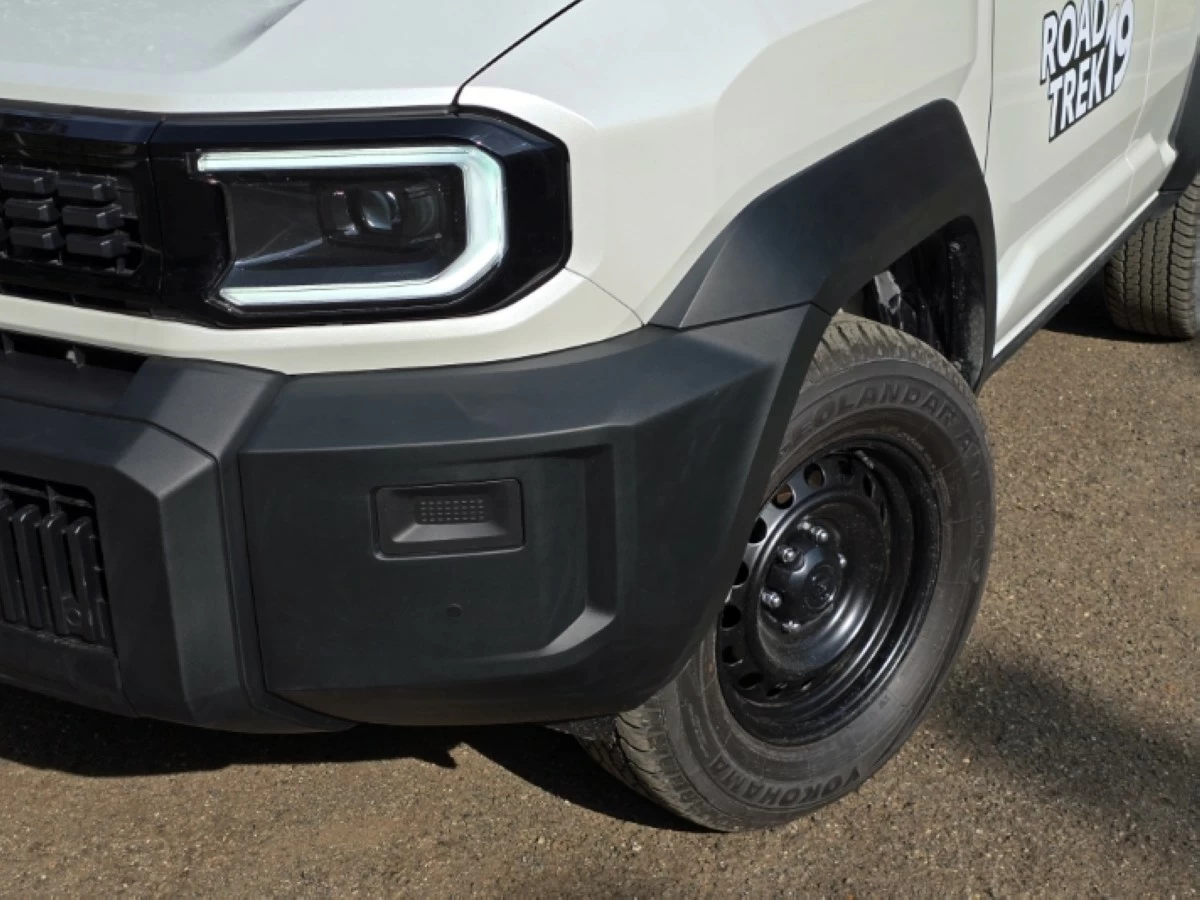
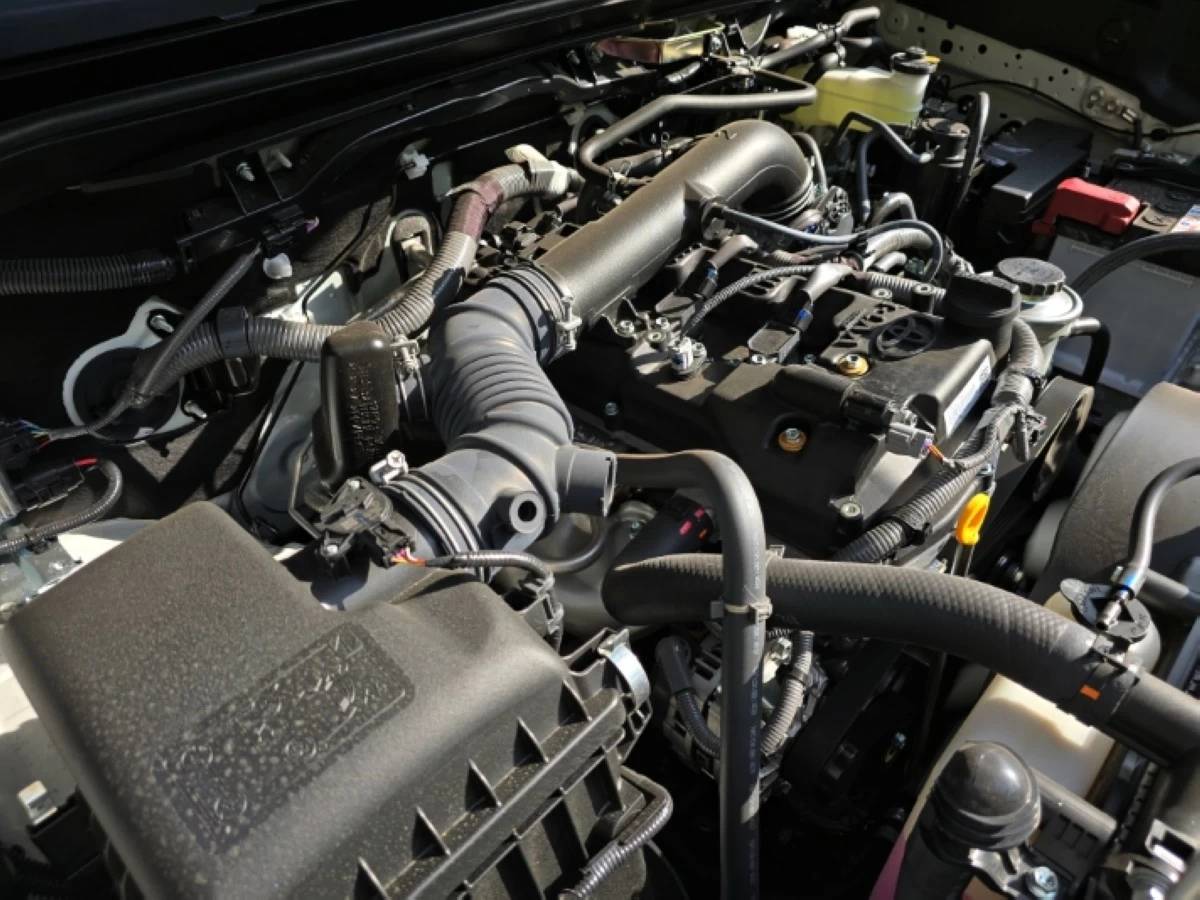
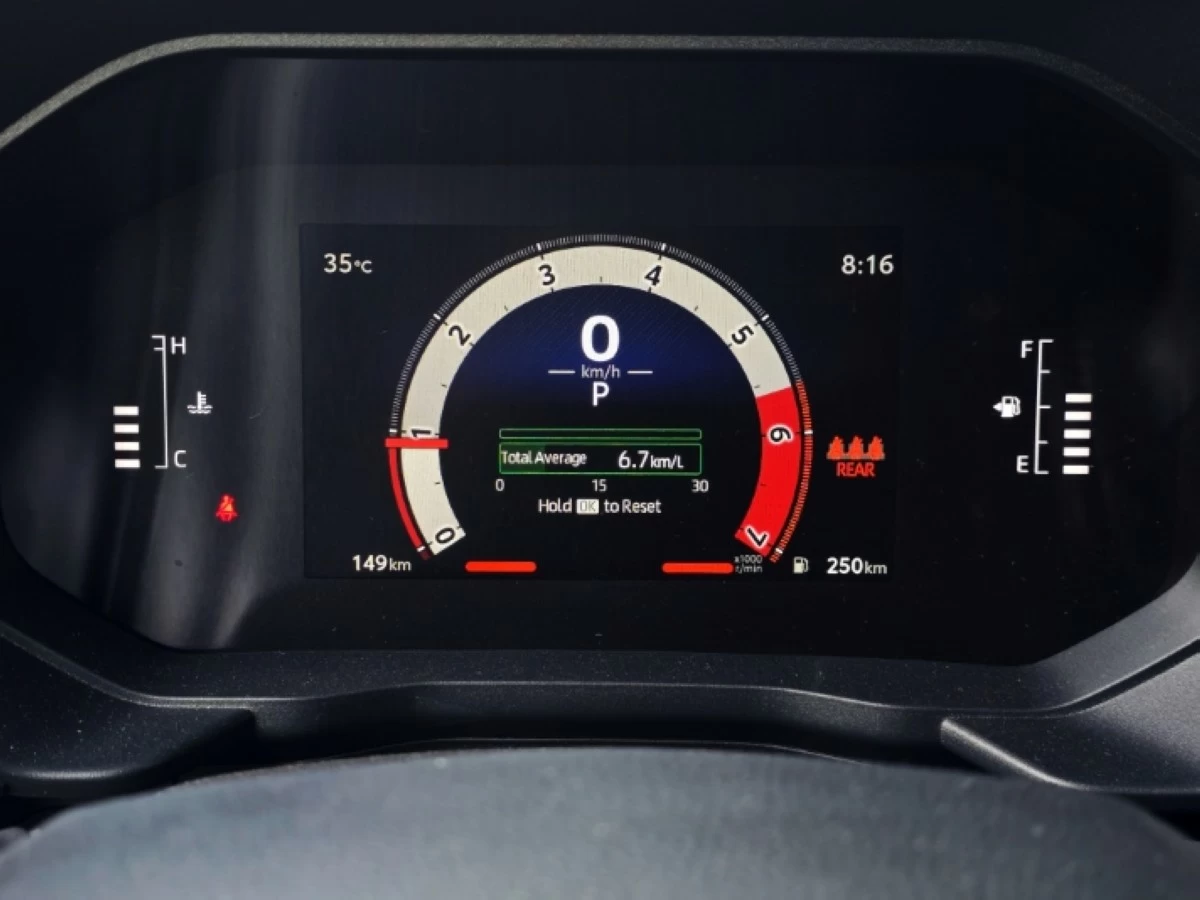
The Land Cruiser FJ TX keeps the formula at its simplest. It uses the same engine and drivetrain as the higher-trim VX, featuring the 2TR-FE 2.7-liter four-cylinder gas engine, putting out 166-PS and 245-Nm of torque, paired with a 6-speed Super ECT automatic transmission and 4x4 drivetrain. Underneath, it has double-wishbone front suspension and a multi-link rear suspension, with 245 mm of ground clearance. The TX also gets a differential lock, auto limited-slip differential, active traction control, a 9-inch display audio system, and a 7-inch TFT instrument cluster. Being the base model, it does without some VX equipment, including Toyota Safety Sense 3.0 and the electric-adjust driver’s seat. At the showroom, you'll need to be looking out for the basic-looking FJ, sans roof rails, stepboards, and foglamps, and rocking 17" steelies on 265/65 all-terrain Yokohama Geolandars.
Driving from Kandaya Resort in Daangbantayan, northern Cebu, back to Mactan through rural highways, the drive took about three hours. It was long enough to get past the usual first impressions and understand how the FJ behaves on the kind of roads it will likely spend much of its life on.
Just the essentials
Since this was the entry model, the experience was less about top-trim features and more about the fundamentals: visibility, driving position, ride comfort, steering, power delivery, and how easy the vehicle was to live with over a longer stretch. In that sense, the TX made a strong case for the FJ as a basic but capable road companion.
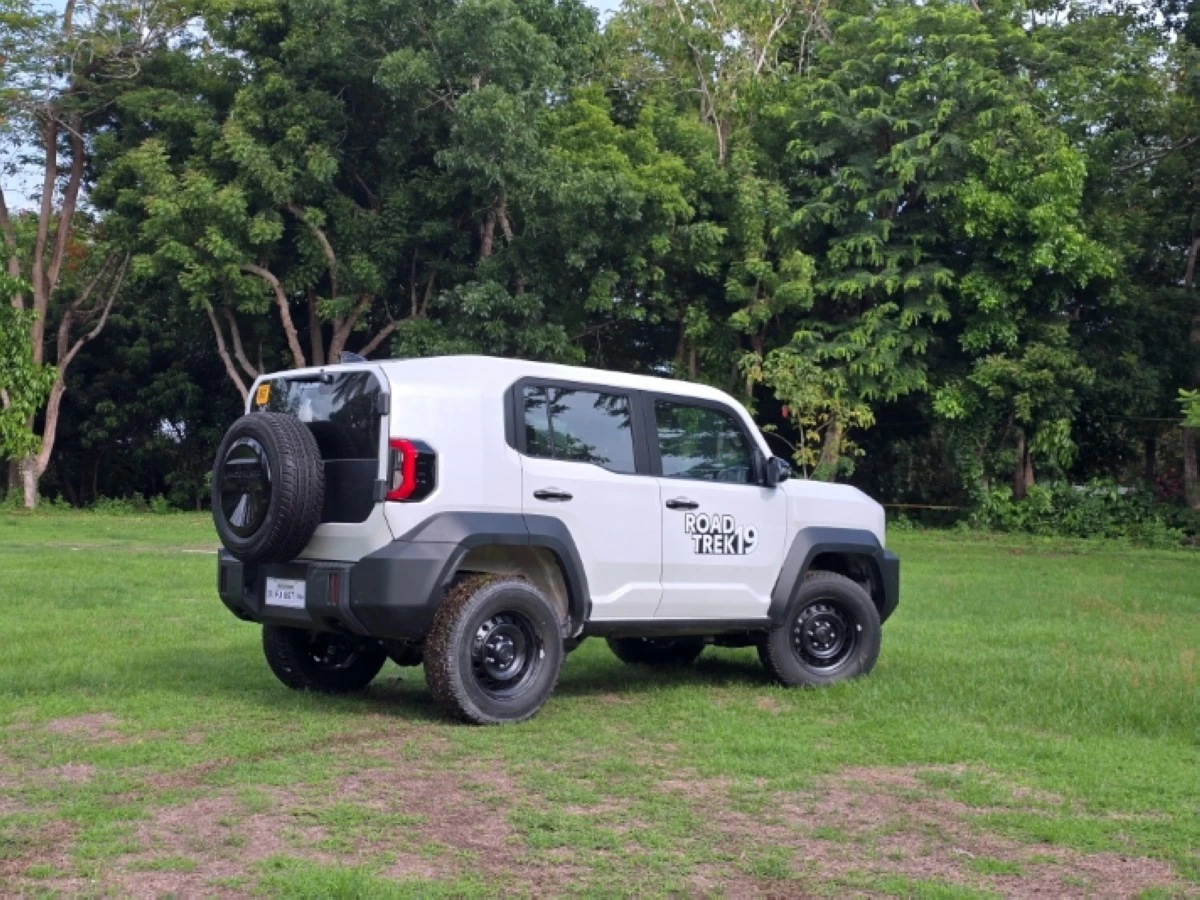
The Land Cruiser FJ looks tough and chunky from the outside, but it does not feel oversized from behind the wheel. Larger SUVs often make the driver constantly aware of width and length, while the FJ feels easier to place. You sit high, the front end is easy to read, and the cabin gives a clear view of the surroundings, unlike in the old FJ Cruiser.
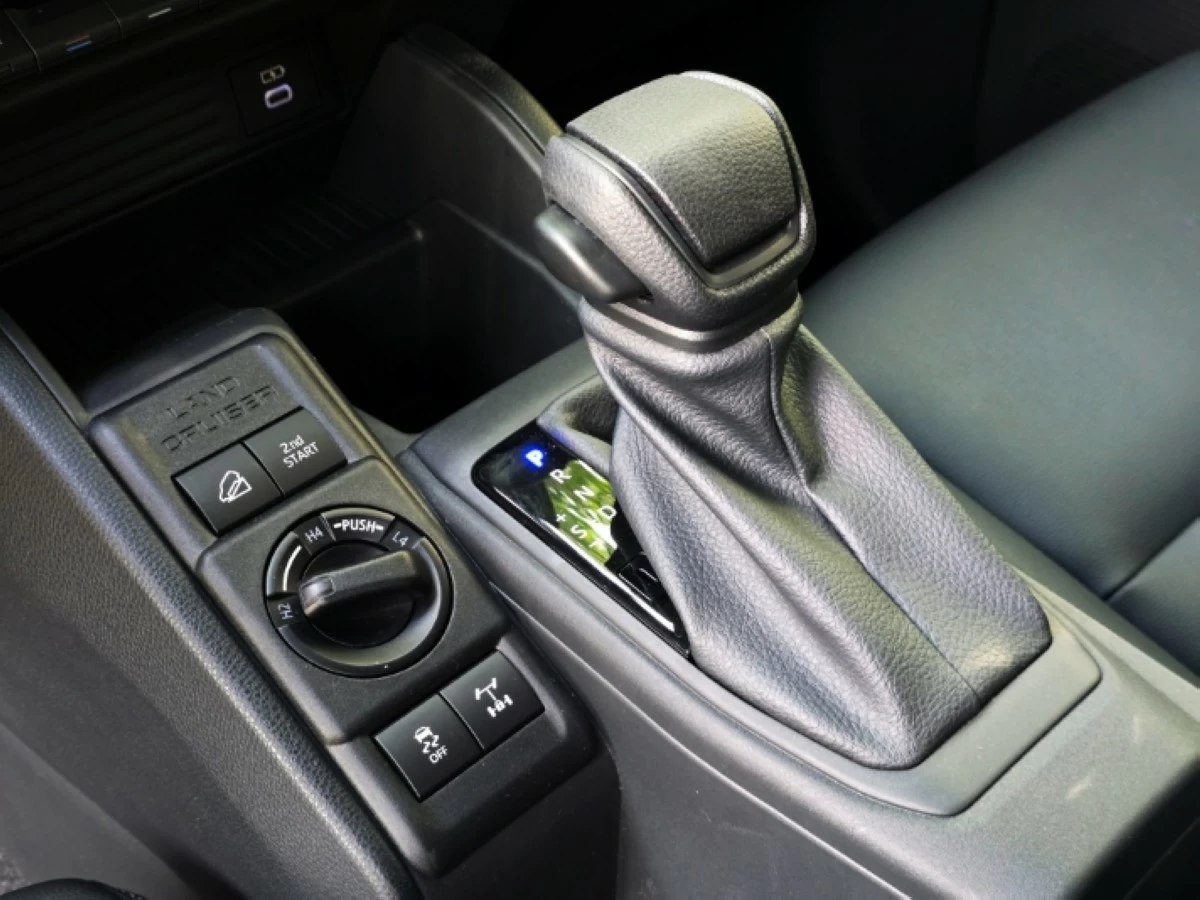
It is not a fast SUV, and it does not try to be one. Buyers expecting strong acceleration may find the FJ modest. This is not the kind of vehicle that delivers a sudden surge of diesel torque or turbocharged urgency. Instead, the engine builds speed in a steady and predictable way. On the drive back to Mactan, I had it on Sport mode, because overtaking required judgment, especially when dealing with slower vehicles on two-lane sections. The engine had enough grunt for normal driving, but it rewarded patience more than aggression, and in that sense, the engine was actually more than capable.
The ride was another important part of the experience. Northern Cebu’s roads are varied enough to expose a vehicle that is too stiff, too loose, or too dependent on smooth pavement. The FJ TX felt firm, but not crude. It carried the familiar body-on-frame sense of strength, yet it did not feel punishing over imperfect surfaces. No big jolts, just calm thuds.
There was body movement, as expected from a tall ladder-frame SUV, but it was not excessive enough to make the drive tiring. The FJ was at its best when driven at a steady pace. Push it like a crossover, and it will remind you of what it is. Drive it with smoother inputs and it settles into a comfortable rhythm. Even with the 265/65/17 all-terrain tires, the FJ TX felt confident in the curves and responded well to sharp direction changes.
The steering followed the same character. It was not sharp in the manner of a road-biased crossover, but it was stable and predictable. With its front suspension and rack-and-pinion steering setup, it offers a much better experience than the solid-axle, recirculating-ball setup of its popular competitor. There was enough weight to make the vehicle feel secure at speed, while still being manageable in tighter sections. The FJ did not feel nervous, and it did not demand constant corrections from me. In fact, it's so easy to drive that I forgot the TX didn't even have Safety Sense 3.0.
Functional interior
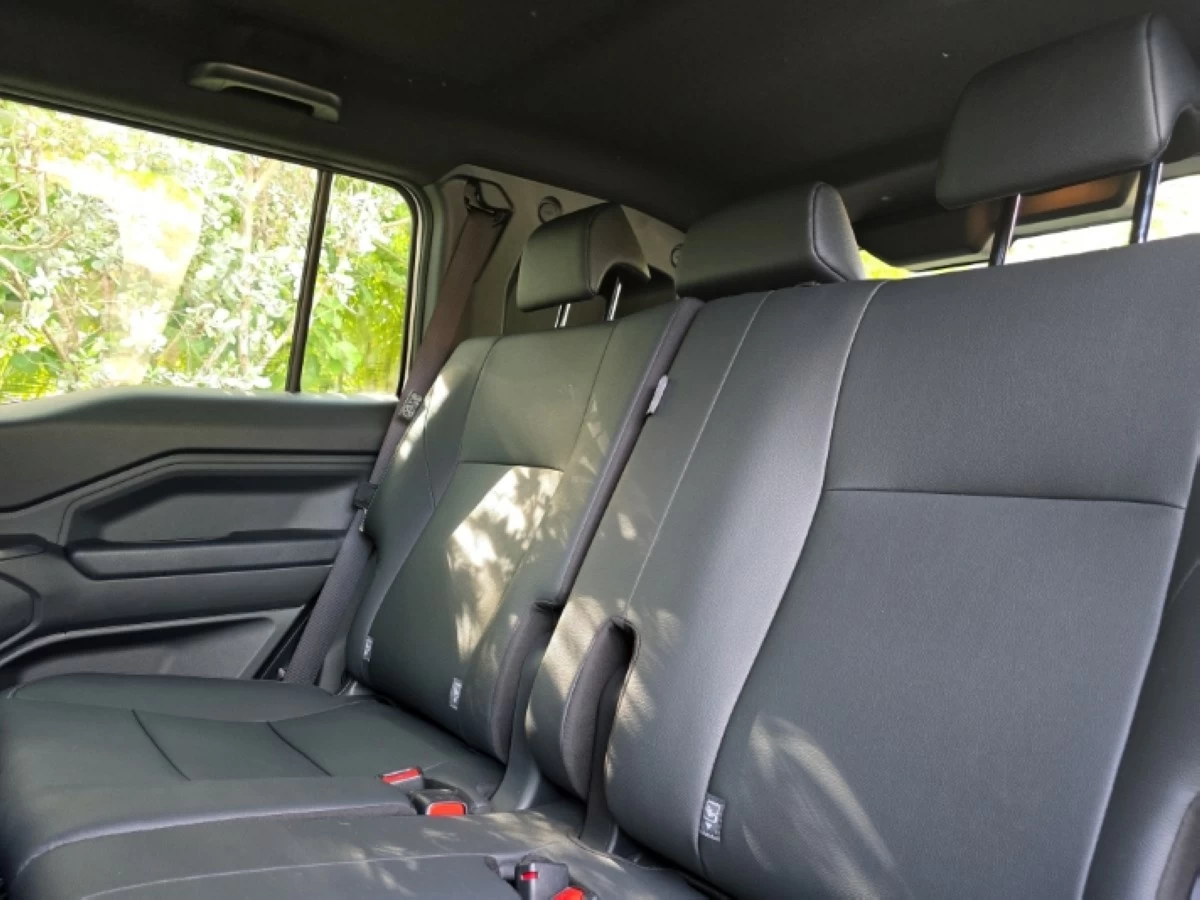
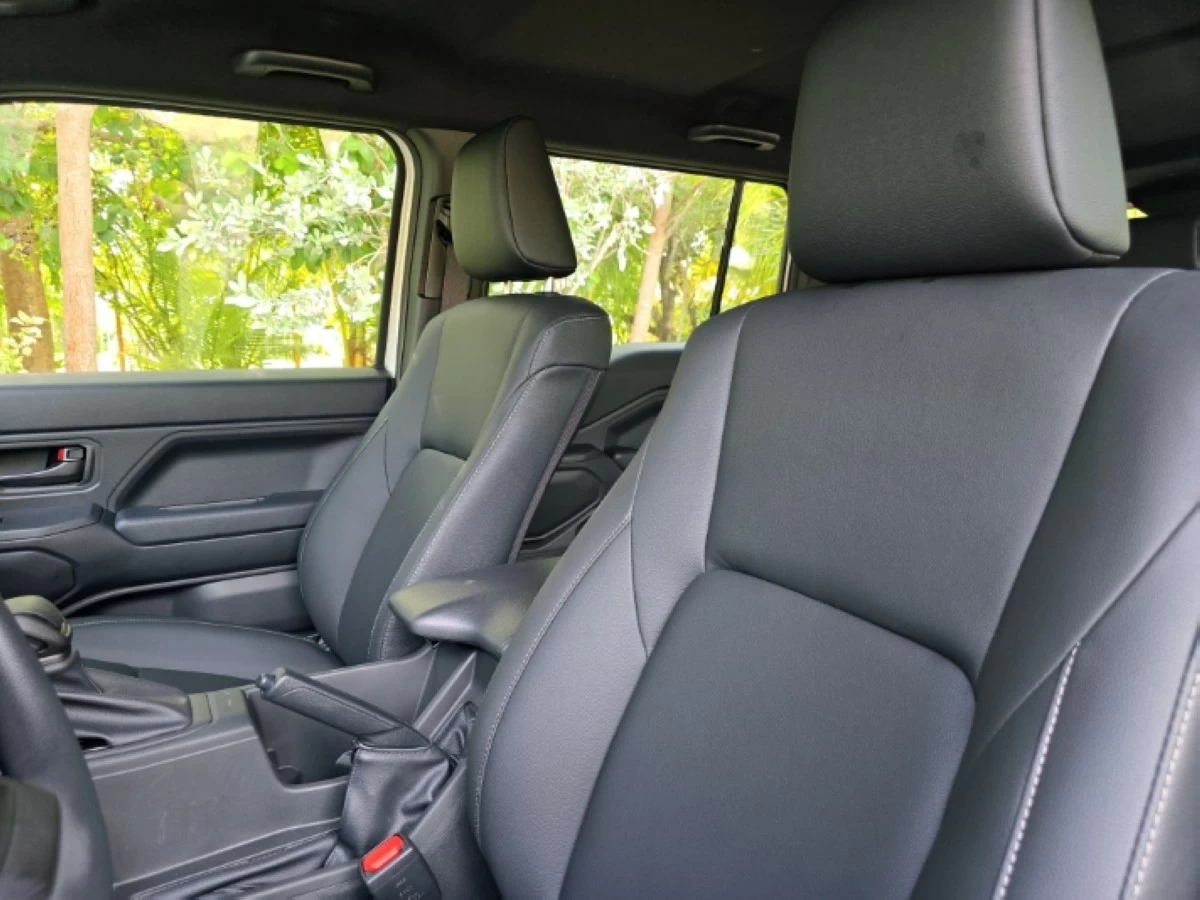
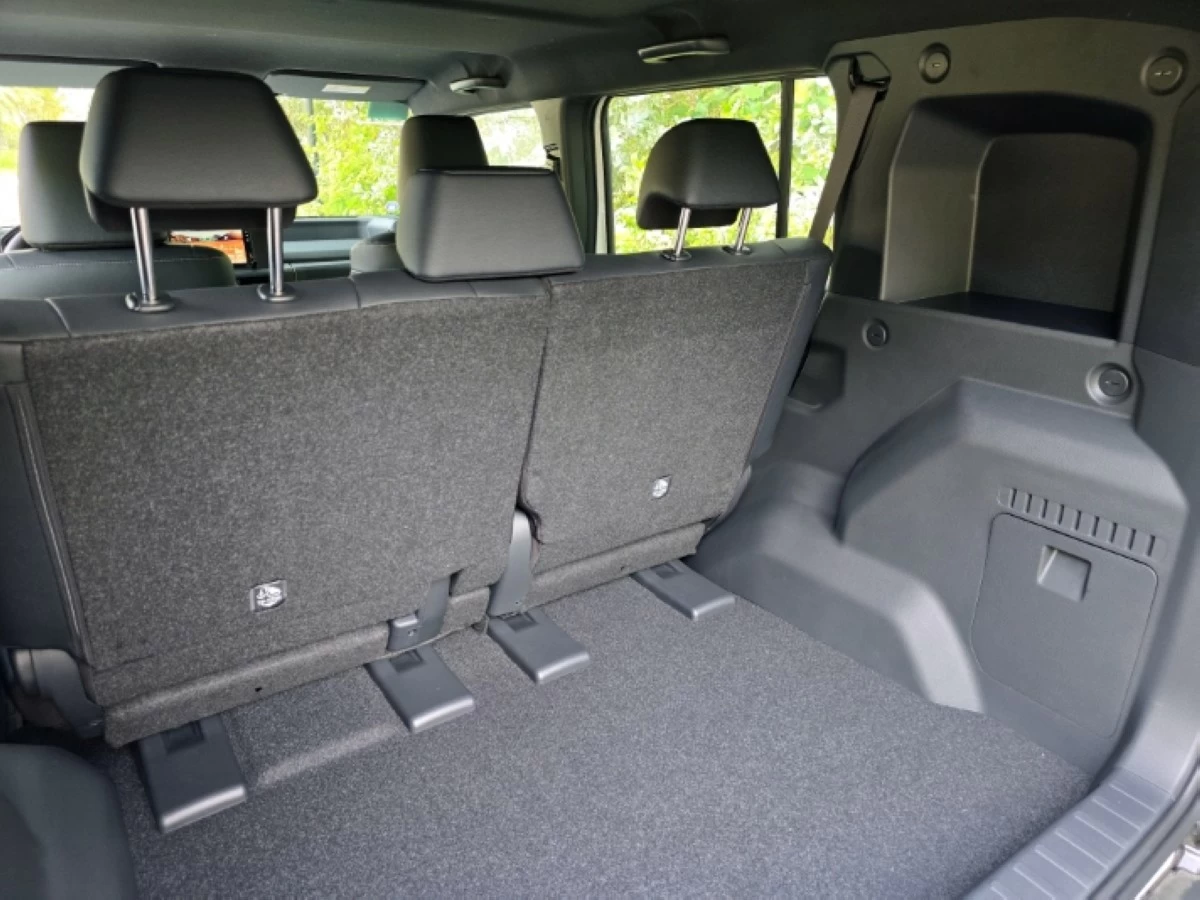
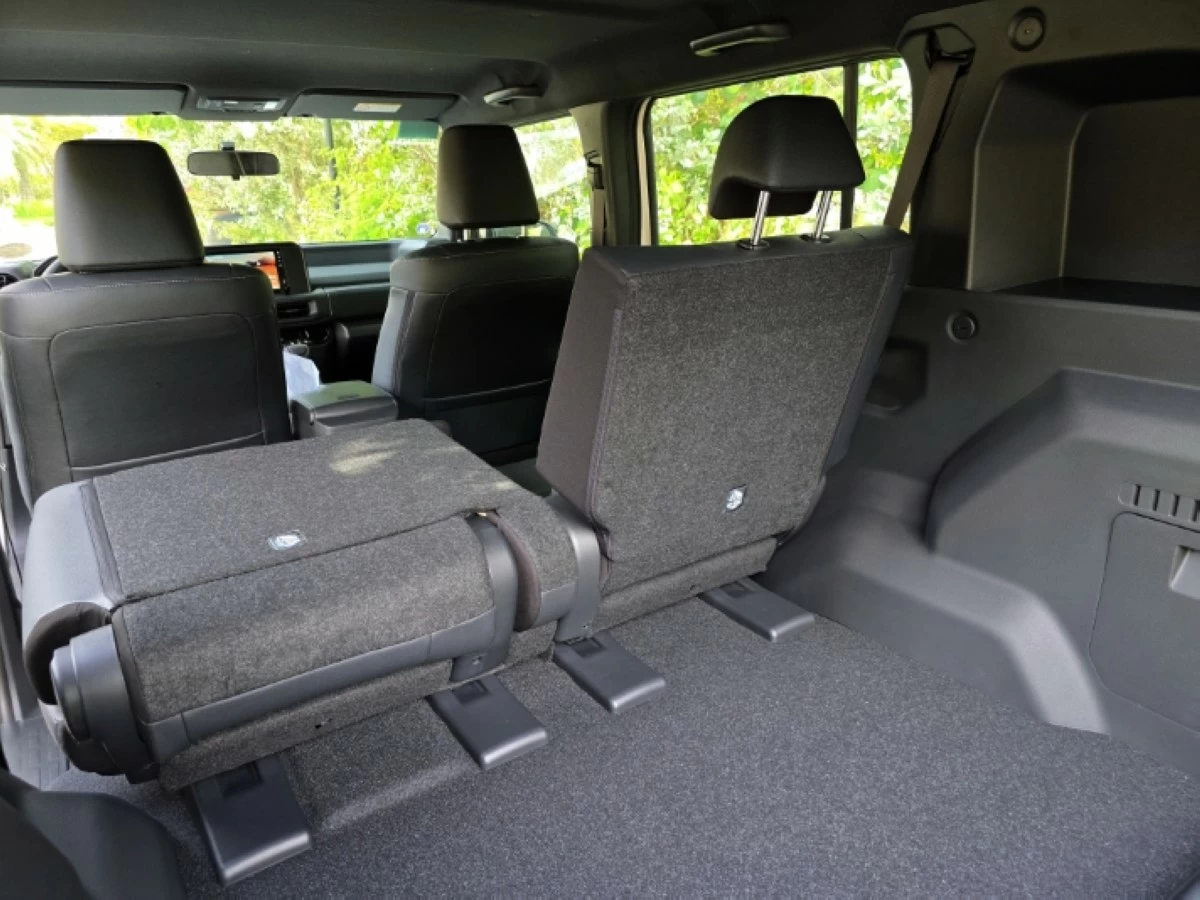
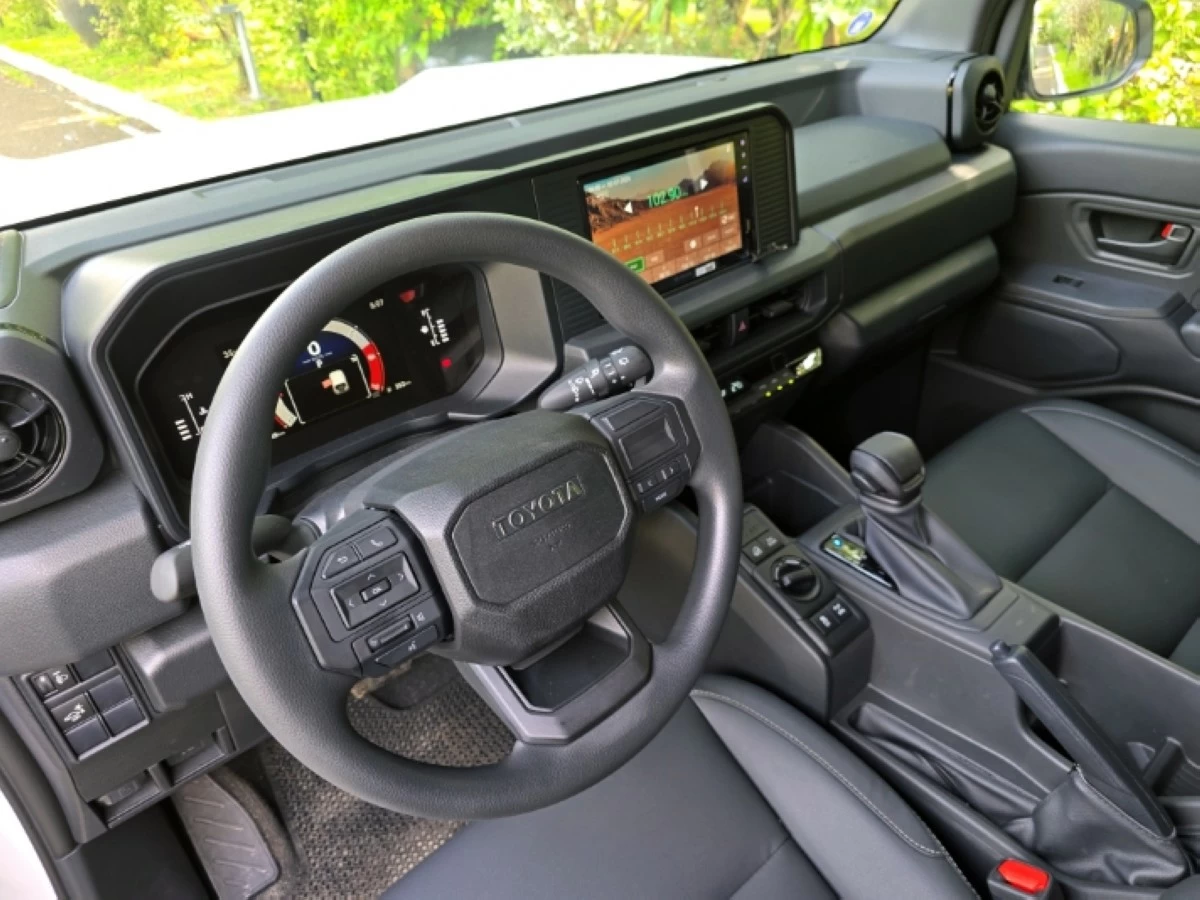
Inside, the TX variant reinforced the vehicle’s straightforward personality. It did not feel like a luxury SUV trying to impress with softness or excess. The cabin felt simple, upright, and purposeful (although it could use some AC vents in the back, Toyota). But still, it suits the FJ. A vehicle like this should not feel too delicate. It should feel ready for wet roads, provincial trips, gear in the back, and the kind of use where durability matters more than looks.
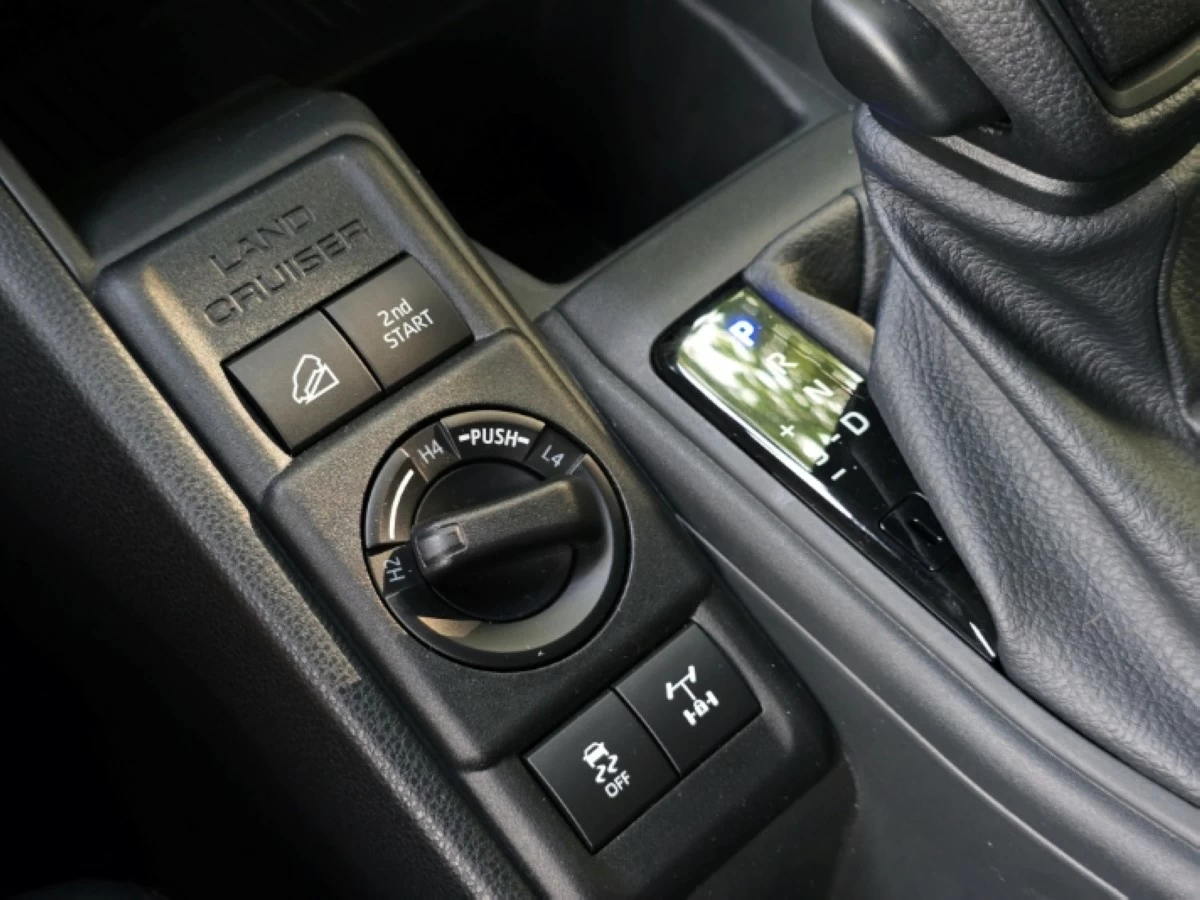
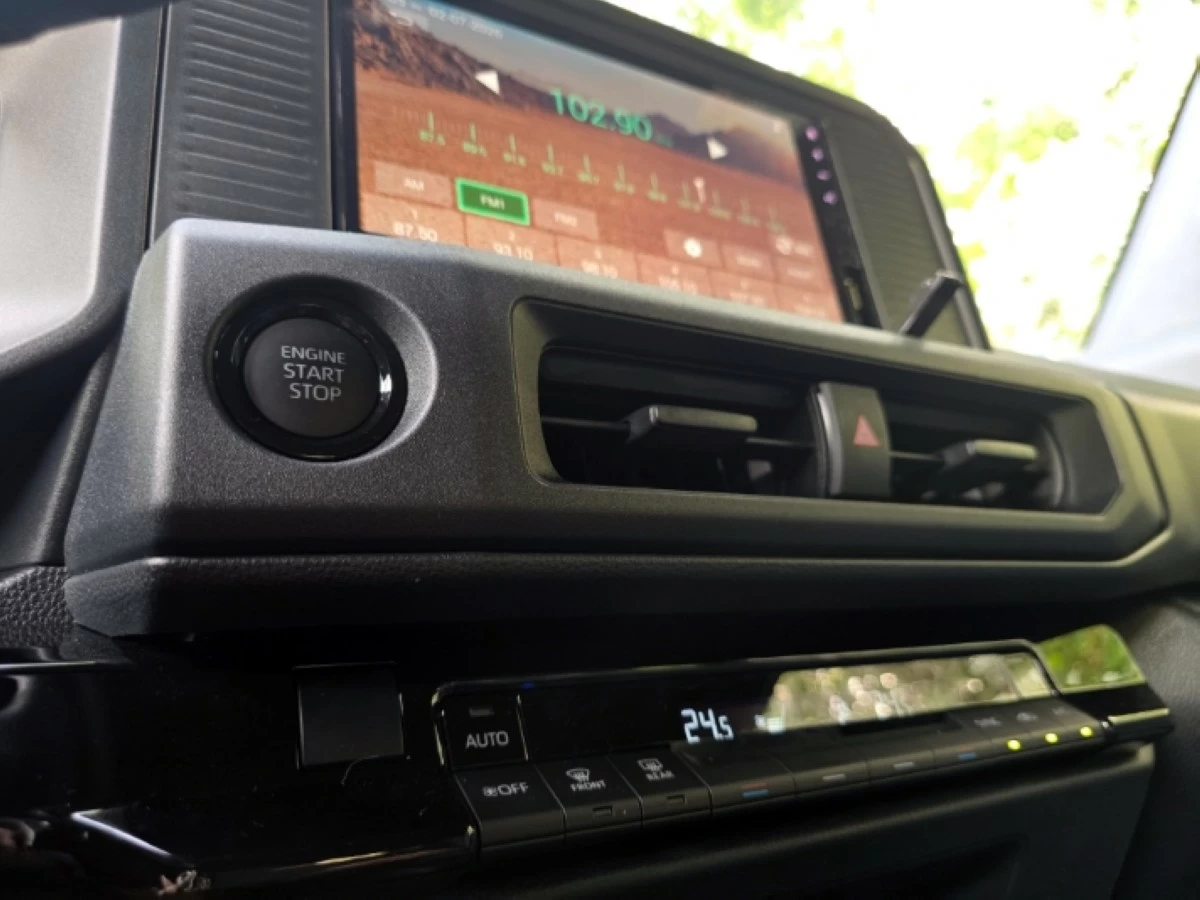
The Land Cruiser FJ TX is not without compromise, of course. Its engine is adequate rather than powerful. Its handling is honest rather than sporty. Its cabin, at least in base trim, is more functional than plush. It also sits in a price range where buyers have many alternatives, including larger midsize SUVs and more comfortable crossovers.
But those alternatives do not necessarily offer the same kind of appeal. It sells a more specific idea: a smaller Land Cruiser with real mechanical toughness, usable proportions, and enough comfort for long drives. Driving the base TX variant made that idea easier to appreciate. It showed that the FJ’s appeal is not dependent on the highest trim level packed with all the goodies, because all the fundamentals are already there. The view out is good, the size feels right, the ride is composed, and the drivetrain feels built around long-term dependability.
Conclusion
After the drive from Daangbantayan to Mactan, it's easy to see how this could be a big seller for the brand. If you've got the coin and a little more convenience is what you require, then the VX makes sense. But if you want the stripped-down version of the Land Cruiser, then the FJ TX ticks all the checkboxes. And in my opinion, it looks the part more than the VX does.