






Manila Bulletin
 Lifestyle
Health and Wellness
Are violent video games to blame for school shootings?
Lifestyle
Health and Wellness
Are violent video games to blame for school shootings?
Lifestyle
Health and Wellness
Are violent video games to blame for school shootings?
Are violent video games to blame for school shootings?
To stop school shootings, we must confront the factors that truly increase the risk of violence
Published Jul 8, 2026 03:10 pm
|
Updated Jul 11, 2026 03:26 pm


(Artwork: Nancy Maria Andam)
The horrific, fatal school shooting of three children last June 22, 2026, in Tacloban, along with 20 others injured, was all the more shocking when it was revealed that the perpetrators were minors.
A 14-year-old boy who was a student at the school teamed up with a 15-year-old friend and started shooting people on campus. The 14-year-old was carrying a Glock 17 pistol that allegedly belonged to his aunt who was a policewoman while the 15-year-old was carrying a .38 caliber revolver that belonged to his grandfather. The 14-year-old apparently did most of the shooting because the 15-year-old had only one spent round from the revolver. Both boys were eventually apprehended by the police and turned over to the Department of Social Welfare and Development.
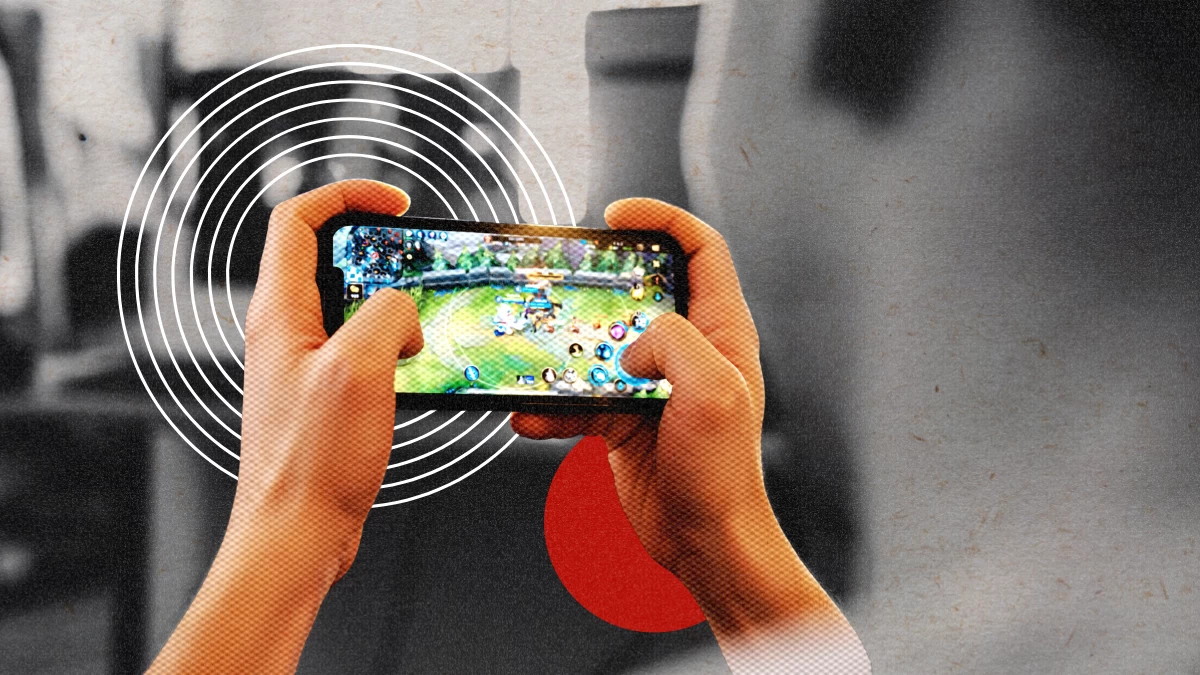
In the aftermath of the shooting, it was revealed that the 14-year-old played the violent online game "Gorebox." This set off a lot of speculation on whether the game influenced his actions, as well as possible online interactions with others who may have told the boys to do the shooting.
On cue, some politicians and conservative groups bemoaned the moral bankruptcy of video games and called for the banning of "Gorebox" and other violent computer games. Amid the hysteria, Senator Bam Aquino and some mental health experts pushed back and pointed out that blaming video games for the terrible incident was just using a convenient scapegoat and glossed over a much more complicated situation.
School shootings in the Philippines are thankfully rare despite the heavy American influence on our culture. School shootings in the US have attained epidemic proportions, with the Columbine and the Sandy Hook Elementary School shootings being the most notorious examples. These shootings carried out by minors have spawned copycat shootings, and it has been reported that the 14-year-old in Tacloban wore a shirt that was like that worn by one of the Columbine shooters.
At least some of these shooters have been known to play violent video games, and it is very easy and quite tempting to point at these graphically violent games as one of the reasons that influence children to carry out these terrible acts.
I myself started playing video games at a young age. Some of the first ultraviolent and graphic games came out during my childhood, including "Mortal Kombat," “Doom,” and “Duke Nukem.” The "Mortal Kombat" series with its trademark “Fatality” features gratuitous dismemberment and copious amounts of blood. This proved to be a lightning rod for controversy and was the subject of protests and congressional hearings in the US, resulting in the entertainment industry putting in tighter age classifications and labels on its products.
Despite my exposure to these violent games, I have never had the urge to go out and shoot anyone. I became a doctor who protects life. I still enjoy the occasional violent computer game, including "Cyberpink 2077," "Baldur’s Gate 3" and the latest iterations of "Mortal Kombat." People in my friend groups also played many of those games and none of them turned into psychotic killers. In fact, most of them are productive professionals and some are in the healthcare field like me.
"Gorebox" is rated R18, and so there was a clear failure of safeguards in ensuring that the 14-year-old from Tacloban could not access the game. This verification of age process has been in the headlines lately for the Roblox game platform for a totally different reason. Some child predators exploit Roblox to prey on minors, and the Philippine government among others threatened to ban the platform unless better verification methods were put in place.
What does science say about the impact of video games on violent behavior? There have been many studies conducted with mixed results. There does seem to be a link between violent games and aggressive behavior according to some of the studies, but this did not translate into a higher risk of actual physical violence.
Some studies, on the other hand, saw a decrease in aggression among those who played video games since the games may act as a release for pent up feelings and frustrations. What is apparent is that certain personality types can be more prone to aggression when exposed to violent games, but most people are able to handle the distinction between virtual and real without any problems.
The American Psychological Association in a resolution in 2020 stated that, “violence is a complex social problem that likely stems from many factors that warrant attention from researchers, policy makers, and the public. Attributing violence to violent video gaming is not scientifically sound and draws attention away from other factors.”
This highlights the fact that video games on their own are not dangerous, and there needs to be more attention to modifiable risks such as the availability of firearms and weapons, as well as mental health issues which can lead to violent behavior.
One factor that has been implicated in violent school shootings in the US has been the easy accessibility of guns. The shooters in the Tacloban shooting could not have carried out the deed without access to guns in their own homes, and so this was a preventable factor.
Bullying may also have played a role in the incident. This may have exacerbated some mental health issues affecting the shooters. This suggests a lack of adult supervision and safeguards to prevent bullying and early detection of potentially dangerous behavior.
Video games in the last few decades have come into their own as a legitimate art form and a source of entertainment for millions of people. My own overall experience with gaming has been largely beneficial. I allow my children to play games that are appropriate for their age, and I warn them about predators and illegal schemes. I can do this effectively because I am a gamer myself.
The Tacloban school shooting incident is an incredibly tragic moment in our nation’s history, and it should be investigated and all perpetrators punished, including those who were negligent in securing their firearms. This does not include a video game that one of the suspects happened to play, which millions of people are playing online responsibly and without hurting anyone, except for the enemies on the screen.