







Robust PH-Canada relations: Strategic long-term partnership
Published Jul 7, 2026 12:05 am
|
Updated Jul 6, 2026 05:41 pm


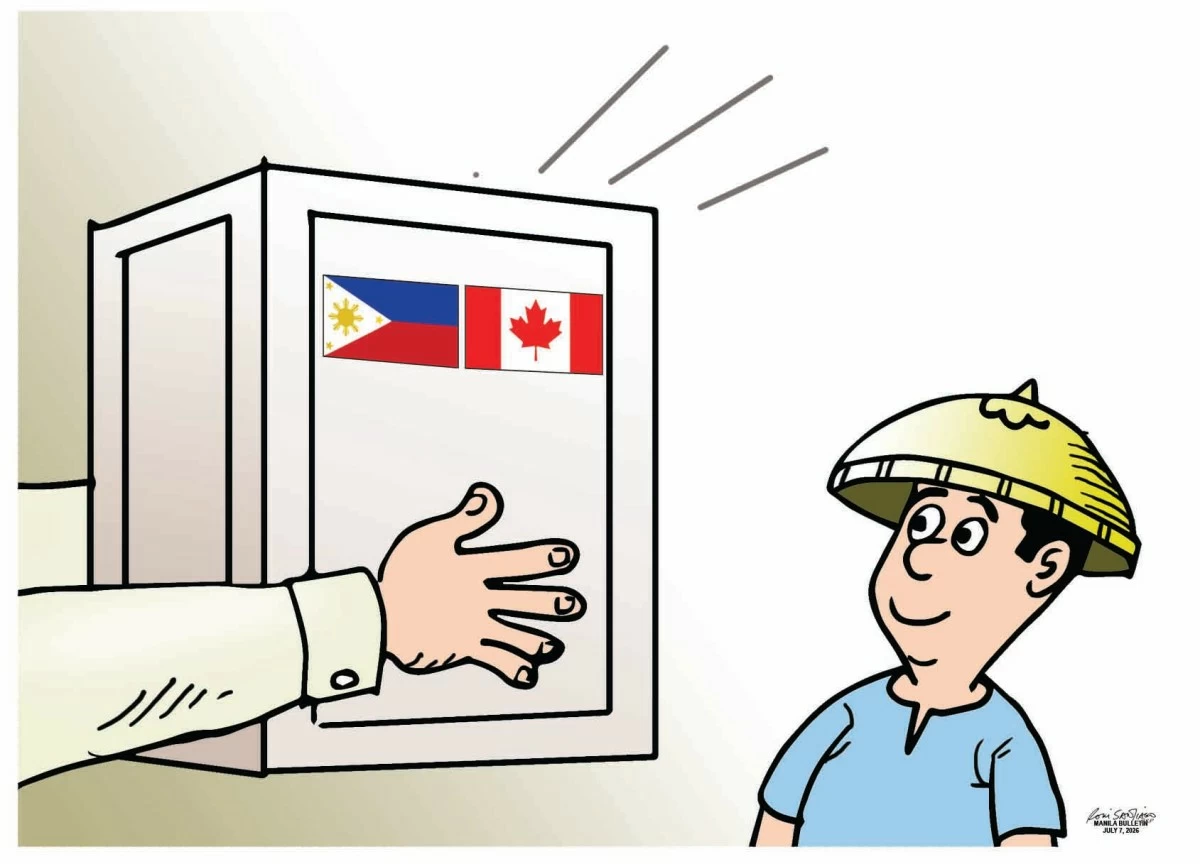
President Ferdinand R. Marcos Jr.’s just concluded official visit to Canada marks a defining moment in Philippines-Canada relations. More than a routine exchange of diplomatic courtesies, the visit produced tangible economic and people-centered gains that elevate bilateral ties to their highest level yet: a Strategic Partnership.
This development is significant not only because it reflects growing mutual trust between Manila and Ottawa, but because it positions the Philippines as a key partner in Canada’s expanding engagement with the Indo-Pacific. At a time of geopolitical uncertainty and shifting global supply chains, both countries have demonstrated a shared commitment to building a resilient and forward-looking partnership.
The most notable achievement of the visit was the initiative jointly launched by President Marcos and Prime Minister Carney on the formal elevation of bilateral relations to a Strategic Partnership
This institutionalizes broader cooperation in defense, maritime security, cybersecurity, critical minerals, food security, and clean energy—including the peaceful use of nuclear technology. Such cooperation comes at a crucial time when regional stability and economic resilience have become inseparable from national security.
Equally important were the concrete economic outcomes. The Philippines secured approximately US$2.5 billion in investment commitments from Canadian firms across strategic sectors such as mining, renewable energy, information technology-business process management, and services. These commitments have the potential to generate employment, stimulate regional development, and reinforce investor confidence in the country’s economic trajectory. Canada also pledged an initial CA$2 million investment for the Luzon Economic Corridor, signaling confidence in the Philippines’ infrastructure and industrial development agenda.
The commitment by both governments to conclude negotiations on a bilateral Free Trade Agreement before the end of the year is another welcome development. Once realized, such an agreement will deepen market access, encourage greater investments, strengthen supply chains, and expand opportunities for Filipino exporters while creating a more predictable business environment for both countries.
The signing of four agreements covering labor and migration, energy and natural resources, tourism, and cultural cooperation further broadens the relationship beyond economics and security. These initiatives recognize that the enduring strength of Philippines-Canada relations rests as much on people-to-people connections as on government policy. With nearly one million Canadians of Filipino heritage, the Filipino community continues to serve as a living bridge that enriches both societies and reinforces shared democratic values.
The visit also sends an important diplomatic message. Canada increasingly views the Philippines as a trusted regional partner capable of contributing to a free, open, and rules-based Indo-Pacific. For the Philippines, stronger ties with Canada diversify strategic partnerships while complementing existing relationships with other allies and like-minded nations. This balanced approach enhances the country’s diplomatic flexibility and economic resilience in an increasingly complex international environment.
Ultimately, the true measure of any state visit lies not in the ceremonies or photo opportunities but in the lasting benefits delivered to the people. President Marcos’ Canada mission appears to have met that standard. The challenge now is to translate agreements into concrete projects, investment pledges into operating enterprises, and strategic commitments into sustained cooperation.
The visit has undoubtedly opened a new chapter in Philippines-Canada relations. With sustained follow-through from both governments, this Strategic Partnership can become a durable platform for economic growth, regional security, and shared prosperity in the years ahead.