







QC seniors push reforms amid centenarian cash gift delays
By Trixee Rosel
Published Jul 7, 2026 02:34 pm


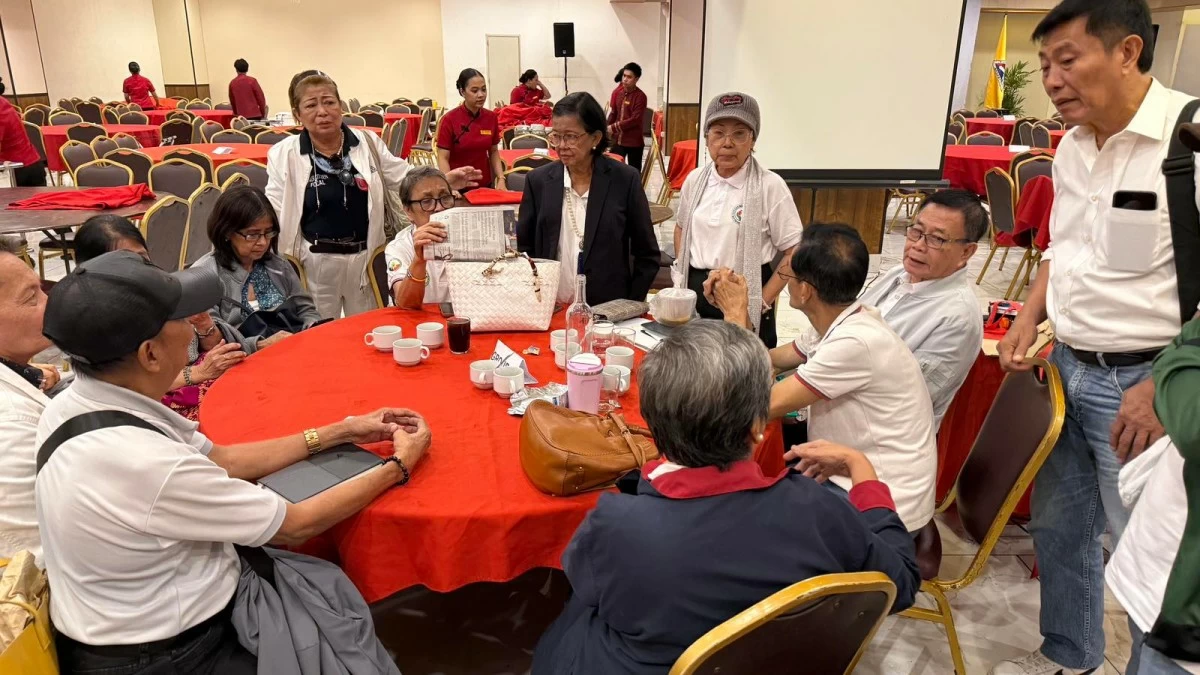
Presidents of various senior citizens' organizations in Quezon City discuss a resolution calling for reforms in the National Commission of Senior Citizens' implementation of the Expanded Centenarian Act during a senior citizens' summit held in June. (Photo courtesy of Benjamin Rosario)
A federation of senior citizens in Quezon City has urged reforms in the Expanded Centenarian Act after a reported six-month delay in releasing the ₱10,000 cash gift for eligible beneficiaries.
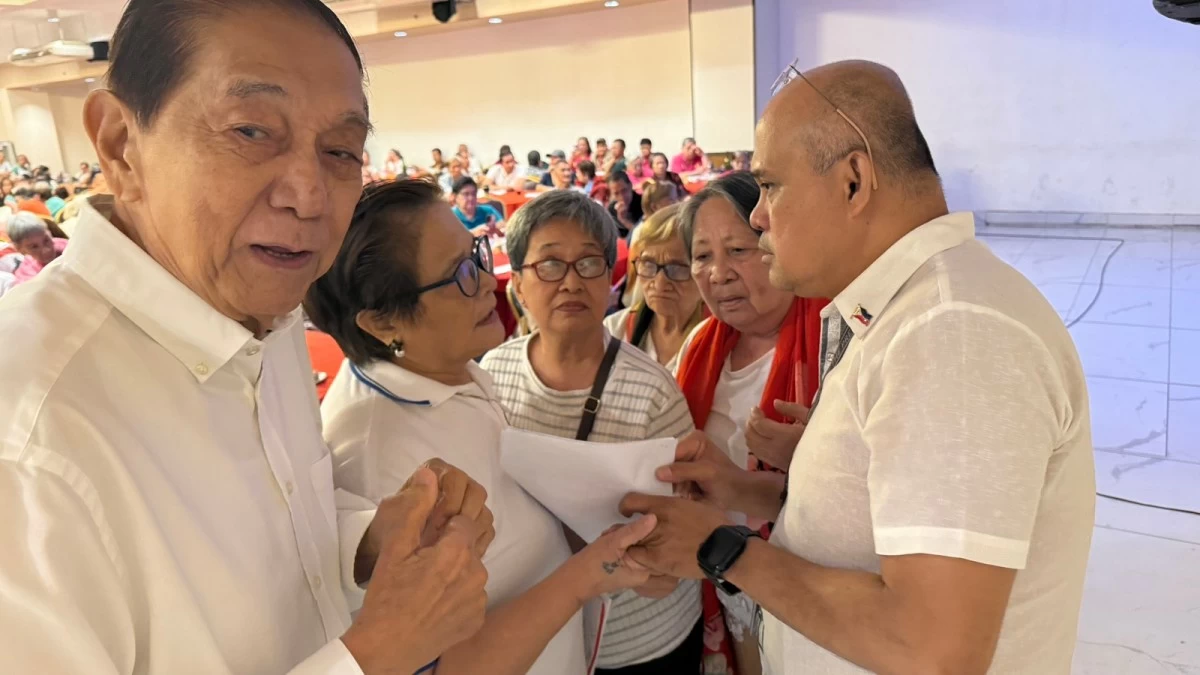
Presidents of various senior citizens' organizations in Quezon City discuss a resolution calling for reforms in the National Commission of Senior Citizens' implementation of the Expanded Centenarian Act during a senior citizens' summit held in June. (Photo courtesy of Benjamin Rosario)
The United Senior Citizens Associations–Quezon City (USCA-QC), which represents more than 400 senior citizens' organizations recognized by the Quezon City government, urged the National Commission of Senior Citizens (NCSC) to eliminate the backlog after qualified beneficiaries reportedly failed to receive the assistance guaranteed under Republic Act No. 11982.
Under Republic Act No. 11982, or the Expanded Centenarian Act, senior citizens are entitled to a ₱10,000 cash gift upon reaching the milestone ages of 80, 85, 90, and 95, with the NCSC serving as the implementing agency.
The appeal was contained in a resolution unanimously adopted during the senior citizens' summit organized by the Quezon City government's Barangay and Community Relations Department last month, which was attended by more than 500 presidents of senior citizens' organizations across the city.
Leading the signatories to the resolution were USCA-QC president Rhodora A. Bohol of District 4, Vivian Rose Garcia of District 1, Antonio B. Baclor of District 2, Godelia S. Esguerra of District 3, Susan S. Bernal of District 5, Apolonia A. Tolentino of District 6, Secretary General Hubert M. Raymundo, and Marilag Senior Citizens Association president Ben Rosario.
USCA‑QC said an NCSC official at the summit confirmed that benefits due since December 2025 remain undisbursed, creating a six‑month backlog in cash gift payouts to qualified beneficiaries.
The federation said many elderly beneficiaries rely on the financial assistance to help pay for medicines, food, and other basic needs, making the timely release of the benefit essential.
It added that the effects of the backlog became more apparent during a conference of senior citizens' leaders in Novaliches last week, where several organization presidents reported that qualified beneficiaries in their communities had died before receiving the cash gift.
Among them was 87-year-old Josefina Razon of Project 4, Quezon City, who, according to Rosario, died of cardiac arrest on the same day the issue was discussed after qualifying for the benefit but before receiving the cash gift.
USCA-QC said the reported incidents underscore the need to streamline the implementation of the Expanded Centenarian Act to ensure qualified beneficiaries receive the assistance while they are still alive to benefit from it.
The federation also said the prolonged delays run contrary to Republic Act No. 9485, or the Anti-Red Tape Act of 2007, which requires government agencies to provide efficient, prompt, and citizen-oriented public services.
It called on the NCSC to immediately eliminate the backlog, simplify administrative procedures, and ensure the prompt release of benefits to qualified senior citizens.
The group stressed that delays undermine the purpose of Republic Act No. 11982, which was enacted to recognize the contributions of senior citizens through the timely delivery of government assistance.