ADVERTISEMENT

Philippines seeks exemption from 12.5% US forced-labor tariff

Published Jul 7, 2026 06:00 pm  |  Updated Jul 7, 2026 01:52 pm
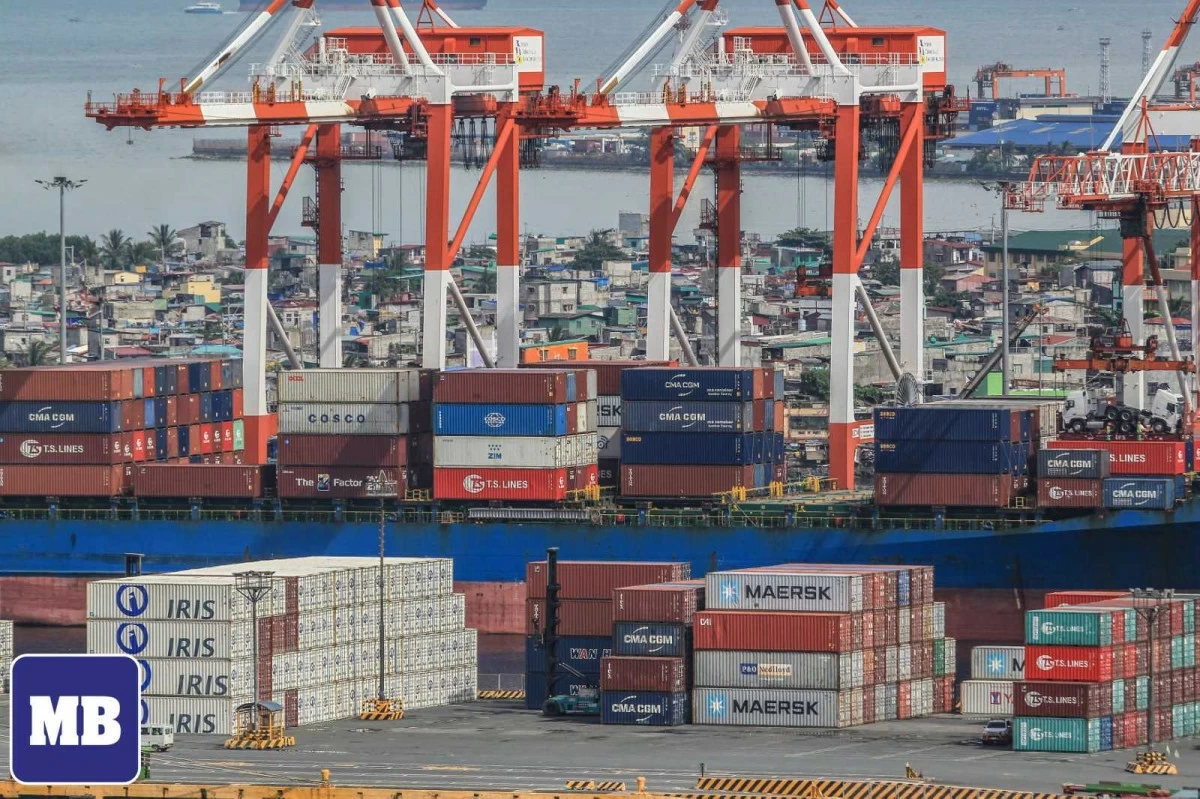
(Manila Bulletin file photo)

The Philippines is pushing for an exemption from the proposed 12.5-percent tariff on its imports into the United States (US), arguing that existing trade policies have not been proven to facilitate the importation of goods produced with forced labor.

In a July 6 submission to the Office of the US Trade Representative (USTR) seen by Manila Bulletin, Department of Trade and Industry (DTI) Undersecretary Allan Gepty said the Philippines should be classified by the US as a trading partner with a strong legal and institutional regime to address forced labor.

“At the very least, the Philippines should be treated as a country who has implemented a partial regime with the effect of preventing the importation of certain forced labor goods,” Gepty said.

The USTR announced last month that it would impose tariffs at a rate of between 10 percent and 12.5 percent on 60 of the US’ trading partners for their alleged failure to enforce measures banning the entry of imports made with forced labor.

The Philippines has been threatened with a higher tariff of 12.5 percent after the USTR found that the country has failed to both impose and effectively enforce a forced-labor import ban.

Gepty, the country’s chief trade negotiator, said there has been no instance in which goods exported from the Philippines to the US have been proven to come from forced labor and have caused harm to US commerce.

“More specifically, there is no showing of lost US exports, reduced economic output, lower prices for US goods, or lower wages for US workers attributable to Philippine practices,” he said.

In a separate July 6 submission, DTI Undersecretary and Board of Investments (BOI) Managing Head Ceferino Rodolfo recalled that a number of shipments from the Philippines were previously denied entry to the US under the Uyghur Forced Labor Prevention Act (UFLPA).

However, Rodolfo said many of these goods were eventually released after review by US enforcement agencies, which he said reflects the Philippines’ standing as a low-risk and responsible trading partner.

Based on DTI data, around $2.71 million worth of imports from the Philippines were denied entry to the US from 2023 to 2026.

While the Philippines has not yet adopted a specific statutory prohibition on the importation of goods produced with forced labor, Gepty told the USTR that the government continues to enhance enforcement measures to maintain compliance.

Gepty said there are existing voluntary mechanisms in place to address forced-labor concerns, particularly through public-private sector collaboration, industry compliance mechanisms, and coordinated government oversight.

He added that plans are underway to craft a joint administrative order (JAO) among government agencies that seeks to establish a mechanism for the investigation and resolution of allegations involving imported goods suspected of having been produced through forced labor.

The proposed JAO will also ensure that importation practices are consistent with labor laws and global standards, as well as protect consumers, workers, and businesses from the impact of forced-labor goods.

Given these measures, Gepty said the 12.5-percent tariff that the US plans to impose should only be limited to certain products found to be vulnerable to the use of forced labor, provided that there is sufficient evidence.

The USTR should also take into consideration products imported by the US that are either not domestically grown or produced in sufficient quantities, he added.

These products include agricultural commodities such as coconut and coconut derivatives, sugar, cacao, coffee, fishery products, and tropical fruits such as pineapples, mangoes, and avocados.

In addition, these include manufactured goods such as electronics and semiconductors, apparel and travel goods, furniture, firearms, rubber tires, and aircraft and automotive parts.

“The US should also exempt products which do not compete with or are complementary to US industries to ensure that duties are not unreasonably levied upon products,” Gepty said.

Under the USTR’s tariff proposal, certain imports from the Philippines would be exempt from the new tariffs, including certain agricultural and industrial goods and raw minerals.

In a separate submission seen by Manila Bulletin, the US unit of Po-led food and beverage company Century Pacific Food Inc. (CNPF) wants the USTR to exempt additional items such as condiments, dairy products, and fish products.

Century Pacific North America Enterprises Inc. (CPNA), whose flagship brands include 555, Century Tuna, and Argentina, said the US lacks the capacity to meet domestic demand for these products.

“Imposing additional duties on imported seafood and other food products, many of which are rich in protein, would risk serious dislocation of supply and increased US grocery costs,” CPNA said.

The company said higher consumer prices for its products would directly impact the Filipino community in the US and the broader retail market.

Related Tags

tariffs Office of the United States Trade Representative (USTR) Department of Trade and Industry (DTI)
ADVERTISEMENT
.most-popular .layout-ratio{ padding-bottom: 79.13%; } @media (min-width: 768px) and (max-width: 1024px) { .widget-title { font-size: 15px !important; } }

{{ articles_filter_1561_widget.title }}

.most-popular .layout-ratio{ padding-bottom: 79.13%; } @media (min-width: 768px) and (max-width: 1024px) { .widget-title { font-size: 15px !important; } }

{{ static_articles_1562_widget.title }}

.most-popular .layout-ratio{ padding-bottom: 79.13%; } @media (min-width: 768px) and (max-width: 1024px) { .widget-title { font-size: 15px !important; } }

{{ articles_filter_1563_widget.title }}

{{ articles_filter_1564_widget.title }}

.mb-article-details { position: relative; } .mb-article-details .article-body-preview, .mb-article-details .article-body-summary{ font-size: 17px; line-height: 30px; font-family: "Libre Caslon Text", serif; color: #000; } .mb-article-details .article-body-preview iframe , .mb-article-details .article-body-summary iframe{ width: 100%; margin: auto; } .read-more-background { background: linear-gradient(180deg, color(display-p3 1.000 1.000 1.000 / 0) 13.75%, color(display-p3 1.000 1.000 1.000 / 0.8) 30.79%, color(display-p3 1.000 1.000 1.000) 72.5%); position: absolute; height: 200px; width: 100%; bottom: 0; display: flex; justify-content: center; align-items: center; padding: 0; } .read-more-background a{ color: #000; } .read-more-btn { padding: 17px 45px; font-family: Inter; font-weight: 700; font-size: 18px; line-height: 16px; text-align: center; vertical-align: middle; border: 1px solid black; background-color: white; } .hidden { display: none; }
function initializeAllSwipers() { // Get all hidden inputs with cms_article_id document.querySelectorAll('[id^="cms_article_id_"]').forEach(function (input) { const cmsArticleId = input.value; const articleSelector = '#article-' + cmsArticleId + ' .body_images'; const swiperElement = document.querySelector(articleSelector); if (swiperElement && !swiperElement.classList.contains('swiper-initialized')) { new Swiper(articleSelector, { loop: true, pagination: false, navigation: { nextEl: '#article-' + cmsArticleId + ' .swiper-button-next', prevEl: '#article-' + cmsArticleId + ' .swiper-button-prev', }, }); } }); } setTimeout(initializeAllSwipers, 3000); const intersectionObserver = new IntersectionObserver( (entries) => { entries.forEach((entry) => { if (entry.isIntersecting) { const newUrl = entry.target.getAttribute("data-url"); if (newUrl) { history.pushState(null, null, newUrl); let article = entry.target; // Extract metadata const author = article.querySelector('.author-section').textContent.replace('By', '').trim(); const section = article.querySelector('.section-info ').textContent.replace(' ', ' '); const title = article.querySelector('.article-title h1').textContent; // Parse URL for Chartbeat path format const parsedUrl = new URL(newUrl, window.location.origin); const cleanUrl = parsedUrl.host + parsedUrl.pathname; // Update Chartbeat configuration if (typeof window._sf_async_config !== 'undefined') { window._sf_async_config.path = cleanUrl; window._sf_async_config.sections = section; window._sf_async_config.authors = author; } // Track virtual page view with Chartbeat if (typeof pSUPERFLY !== 'undefined' && typeof pSUPERFLY.virtualPage === 'function') { try { pSUPERFLY.virtualPage({ path: cleanUrl, title: title, sections: section, authors: author }); } catch (error) { console.error('ping error', error); } } // Optional: Update document title if (title && title !== document.title) { document.title = title; } } } }); }, { threshold: 0.1 } ); function showArticleBody(button) { const article = button.closest("article"); const summary = article.querySelector(".article-body-summary"); const body = article.querySelector(".article-body-preview"); const readMoreSection = article.querySelector(".read-more-background"); // Hide summary and read-more section summary.style.display = "none"; readMoreSection.style.display = "none"; // Show the full article body body.classList.remove("hidden"); } document.addEventListener("DOMContentLoaded", () => { let loadCount = 0; // Track how many times articles are loaded const offset = [1, 2, 3, 4, 5, 6, 7, 8, 9, 10]; // Offset values const currentUrl = window.location.pathname.substring(1); let isLoading = false; // Prevent multiple calls if (!currentUrl) { console.log("Current URL is invalid."); return; } const sentinel = document.getElementById("load-more-sentinel"); if (!sentinel) { console.log("Sentinel element not found."); return; } function isSentinelVisible() { const rect = sentinel.getBoundingClientRect(); return ( rect.top < window.innerHeight && rect.bottom >= 0 ); } function onScroll() { if (isLoading) return; if (isSentinelVisible()) { if (loadCount >= offset.length) { console.log("Maximum load attempts reached."); window.removeEventListener("scroll", onScroll); return; } isLoading = true; const currentOffset = offset[loadCount]; window.loadMoreItems().then(() => { let article = document.querySelector('#widget_1690 > div:nth-last-of-type(2) article'); intersectionObserver.observe(article) loadCount++; }).catch(error => { console.error("Error loading more items:", error); }).finally(() => { isLoading = false; }); } } window.addEventListener("scroll", onScroll); });

Sign up by email to receive news.