






Manila Bulletin
 Philippines
National
Ombudsman explains dismissal, lifetime government employment ban decision vs Aplasca
Philippines
National
Ombudsman explains dismissal, lifetime government employment ban decision vs Aplasca
Philippines
National
Ombudsman explains dismissal, lifetime government employment ban decision vs Aplasca
Ombudsman explains dismissal, lifetime government employment ban decision vs Aplasca
Published Jul 7, 2026 01:35 pm


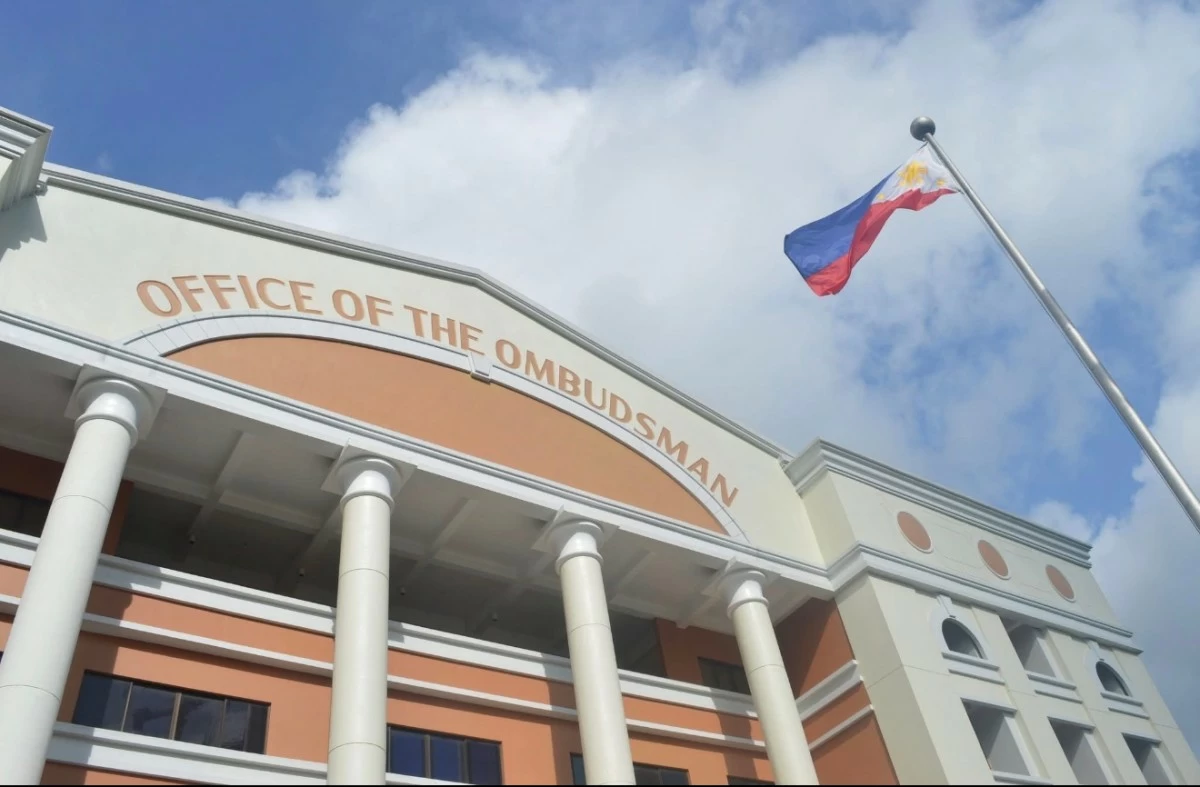
(Courtesy: Ombudsman Facebook page)
The Office of the Ombudsman has imposed the penalty of perpetual disqualification from re-employment in the government service against former Senate sergeant-at-arms Mao Aplasca in connection with the May 13 Senate gunfire incident.
The perpetual disqualification is just one of the penalties imposed by the Ombudsman, the main decision is to dismiss him from the service with accessory penalties of cancellation of eligibility and forfeiture of retirement benefits.
But since he is already retired and no longer serve as the Senate sergeant-at-arms following the change of leadership in the Senate, the Ombudsman said the penalty shall be converted into a fine equivalent to one year's salary, deductible from his retirement benefits, accrued leave credits, or other receivables.
The accessory penalty of perpetual disqualification from re-employment in the government and cancellation of eligibility remain.
The 18-page decision of the Ombudsman stemmed from the investigation report which stated that Aplasca’s decision to fire warning shots during the incident was unjustified, endangered lives, violated established rules on the use of force and reflected a flagrant disregard of his duties as the Senate official primarily responsible for maintaining security and order within the Senate premises.
It all started when Sen. Ronald “Bato” Dela Rosa arrived at the Senate on May 11 to help install Alan Peter Cayetano as Senate president. It was then that the National Bureau of Investigation (NBI) attempted to serve the arrest warrant issued by the International Criminal Court (ICC).
Aplasca was appointed as acting Senate Sergeant-At-Arms after Cayetano was installed, and then the Senate gunfire, and later the escape of Dela Rosa happened.
Police investigation earlier said that the gunfire and the escape were related. The decision on who would be charged is now under the hands of the Department of Justice.
The Ombudsman earlier suspended Aplasca but then Senate president Cayetano would not implement it. Later, Cayetano was ousted too by the group of now Senate President Sherwin Gatchalian.
Aplasca’s defense
During the course of the probe, Aplasca raised three main reasons to defend his actions during the Senate gunfire incident.
First, Aplasca said that the reason he fired the warning shot was that he believed unidentified armed individuals posed a threat to the Senate and that his action of firing warning shots was based on the Senate's Rules of Engagement for Threat Situations amid the presence that time of NBI personnel.
But the Ombudsman found otherwise and said that the essential element of unlawful aggression was absent, "There is no actual, sudden, unexpected or imminent danger to Aplasca and the OSAA. If there was aggression, it was Aplasca who started the same.”
Before Aplasca fired his weapon, the Ombudsman said the NBI agents had already identified themselves and were merely positioned along the hallway leading to the GSIS premises.
“The investigation found no evidence that they had initiated an attack against Aplasca or his team,” the Ombudsman said.
Second, Aplasca claimed that the incident was a continuation of the confrontation involving Dela Rosa two days earlier, stressing that the two incidents involved different circumstances and different personnel.
The Ombudsman, however, ruled that even under police operational procedures, the use of warning shots is permitted only in exceptional circumstances where an officer is outnumbered, overpowered, and faces imminent danger to life.
And third, Aplasca argued that the Ombudsman lacked jurisdiction over him because he served as Senate Sergeant-at-Arms.
The Office of the Ombudsman, however, pointed out that while the Senate is a co-equal branch of government, its appointive officials remain subject to the Ombudsman's disciplinary authority under Republic Act No. 6770.
Gross neglect
In everything that happened on May 13, the Ombudsman said Aplasca is also liable for gross neglect of duty.
As a chief security officer of the Senate, the Ombudsman said his primary responsibility was ensuring the safety of everyone inside the Senate complex, including senators, employees, and visitors within the Senate premises.
During the incident, the Ombudsman noted that although Aplasca ordered a lockdown, he nevertheless proceeded with the operation despite knowing that journalists and other civilians remained inside the building.
"Aplasca chose to engage the individuals in the second floor emergency/fire exit despite being reasonably aware that they were NBI agents,” the decision read, adding that those actions were a “flagrant breach of duties expected of someone tasked to maintain security and order.”