






Manila Bulletin
 Lifestyle
Schools and Universities
Educator says bully prevention starts with character development
Lifestyle
Schools and Universities
Educator says bully prevention starts with character development
Lifestyle
Schools and Universities
Educator says bully prevention starts with character development
Educator says bully prevention starts with character development
Published Jul 7, 2026 02:49 pm
|
Updated Jul 11, 2026 02:55 pm


The horrifying school shooting in Tacloban City last June 22 has exposed the dark side of bullying. The two suspects, aged 14 and 15, reportedly carried out the attack after enduring years of bullying from their peers.
While their response was wrong on all fronts, there is no denying that bullying in schools must be put to a stop. But how does one put an end to an age-old problem that has hounded countless school children worldwide, and even adults?
Nipping the issue in the bud
Sheryll Ong, the owner and school directress of Bright Kids Plus in Bacolod City, is thankful that their school does not experience major or severe bullying incidents. However, there are minor peer conflicts that do occur, such as exclusion.
For Sheryll, it is important to nip the issue in the bud before it grows into something worse. "When these minor friction points arise, our team steps in immediately to facilitate communication. We focus on restorative dialogue - helping the children express their feelings, understand the impact of their actions, and actively find ways to include one another, resolving the issue before it can escalate into anything more serious," she said.
Bright Kids Plus has two campuses, each accommodating around 200 students. The Lacson campus is already 17 years old and caters exclusively to preschool students, while the Lucasan campus is nine years old and caters to preschool to elementary grade levels.
But no matter what the age of their students might be, Sheryll believes that a proactive, multi-layered approach should be taken to nurture their mental and emotional wellbeing, starting with a culture of transparency.
"All of our classrooms are equipped with CCTV monitoring. The students are fully aware of this, which acts as a natural deterrent to negative behavior and ensures complete accountability. They know that during any altercation, the truth will easily be uncovered," she explained.
Bright Kids Plus also offers accessible support systems, such as an active guidance program. A guidance counselor is always available to talk to students experiencing anxiety or social stress. They also provided an "I Want My Teacher to Know" box, which is a private and safe channel for students to share anything that might be bothering them.
Another key approach employed by Ong in their school is values integration. "Prevention starts with character," she stressed. "We have fully integrated Social-Emotional Learning (SEL), Bible studies, and the 7 Habits framework into our core Values Education curriculum to build empathy and leadership from an early age."
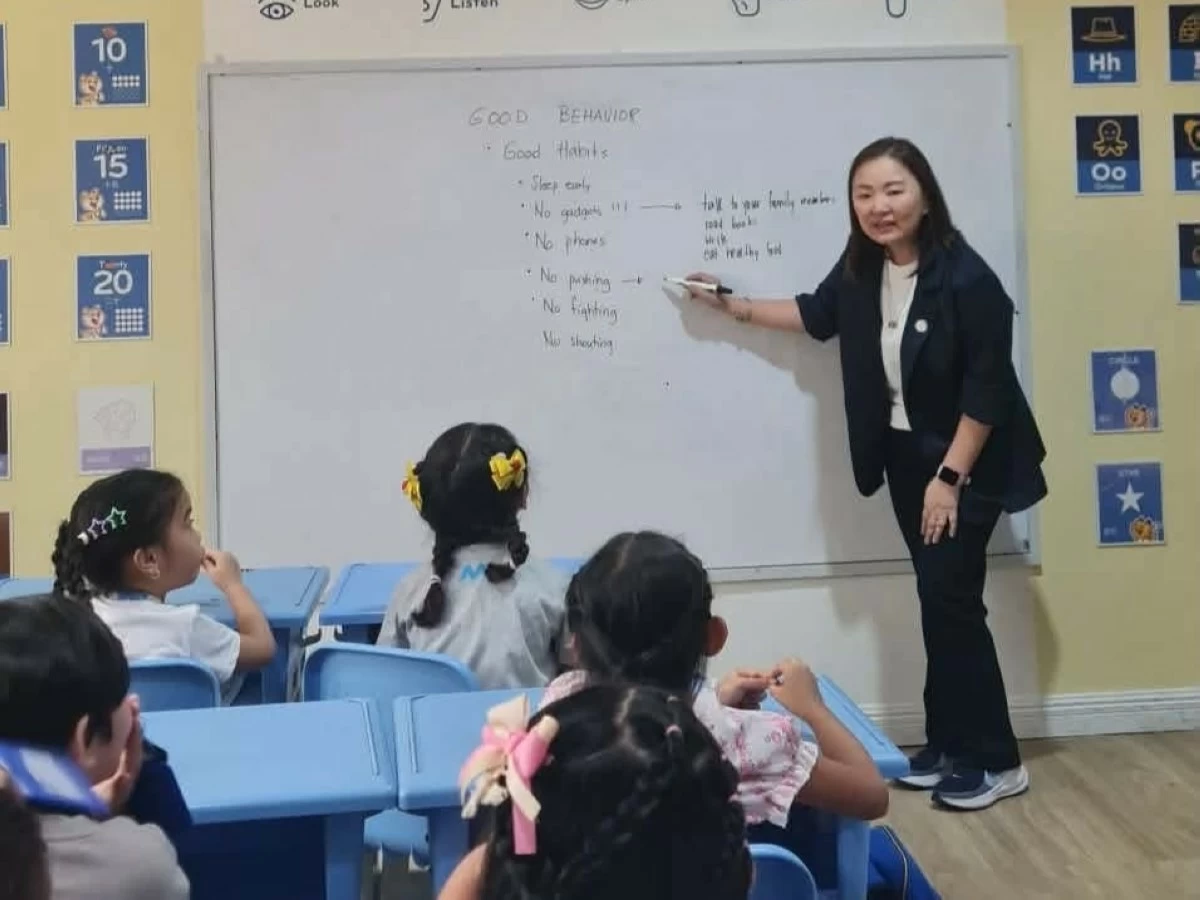
LEADING THE WAY Sheryll Ong, the owner and directress of Bright Kids Plus, discusses with younger students the benefits of developing good habits both at home and in school.
Rejecting the culture of bullying
Values education in school has long been used to address acts of bullying by fostering empathy and moral responsibility. But Ong said that the education should not end when the students step out of their doors.
"It requires a collaborative ecosystem where teachers, guidance counselors, school administration, and parents work hand-in-hand to establish a unified, safe space for every child," she said. "When children are taught to view themselves as stewards of their environment and peers, bullying naturally loses its appeal."
Sheryll has noticed that bullies are often hounded by the psychological need for attention and a desire for power or control. "If a child is starved for attention or wants to feel powerful, but lacks the emotional maturity to earn it through positive leadership, they resort to aggression," she said.
There is typically one dominant ringleader who orchestrates the bullying, and he or she is surrounded by a group of followers. The followers, Sheryll said, aren't really mean kids. Rather, their actions are driven by the need to fit in and fear of being the possible next target.
The targeted kids, on the other hand, are often those who stand out just because they process the world differently. In their line of work, Sheryll said they see four very common groups of victims: kids with special needs, kids with "weird" behaviors, the "smart-shamed" kids, and gender-diverse youth.
Educators often encourage victims of bullying to seek help and open up to an adult. Unfortunately, Sheryll said most of the victims choose to remain silent until they hit their breaking point.
"The damage of bullying goes way deeper than hurt feelings—it literally shuts down a child's ability to learn. When a kid is constantly excluded or picked on, their brain feels like it’s under attack. This triggers a non-stop flood of stress hormones, putting their emotional brain on high alert," she said.
"Tragically, because these kids are just trying to survive, they often bottle it up," she continued. "We had a heartbreaking case of a student who endured systematic bullying for three straight years. He didn't say a word to his parents. He hid it all inside until he finally hit his absolute breaking point and almost took his own life.
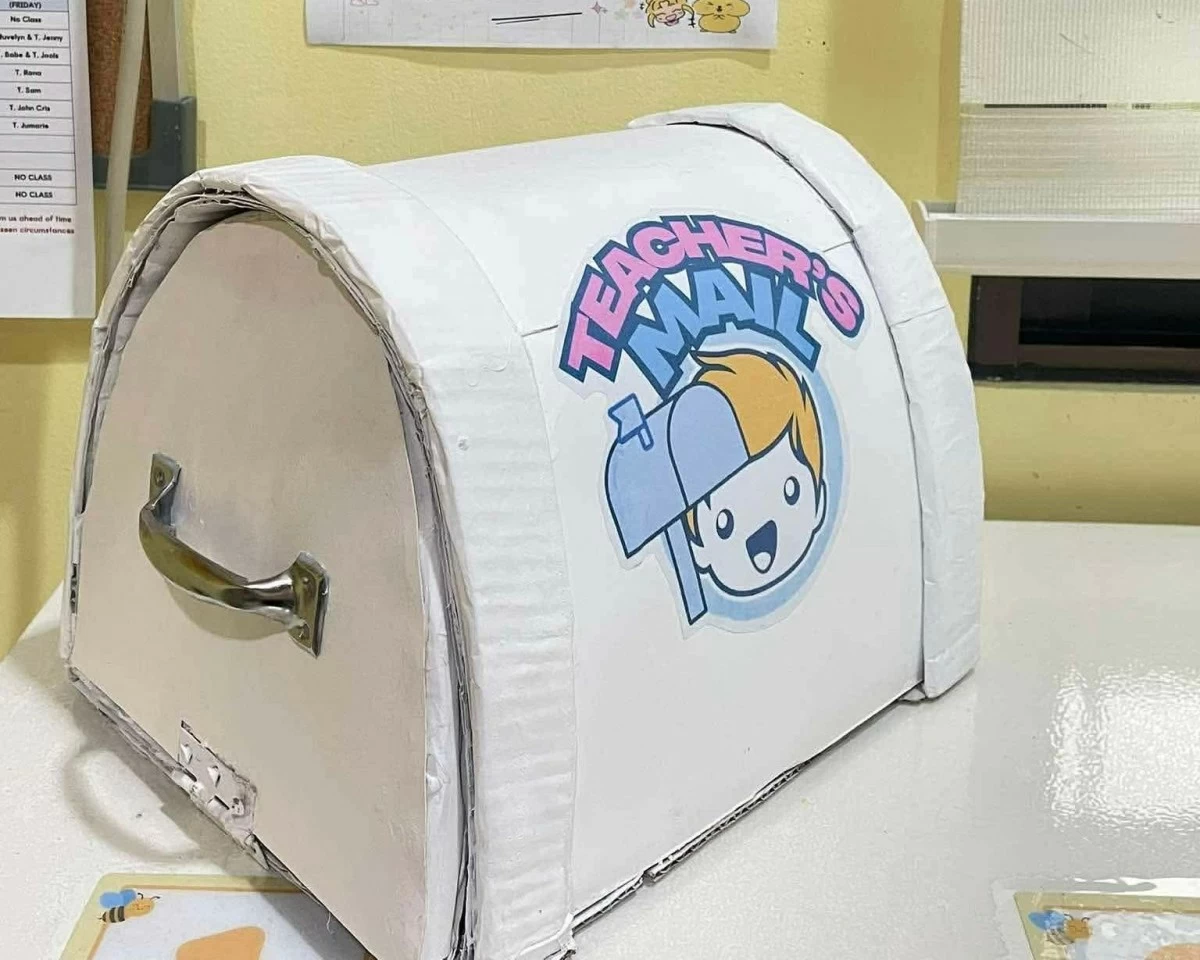
WAY TO COMMUNICATE The ‘I Want My Teacher to Know’ box helps students from Bright Kids Plus in Bacolod City get their concerns across safely and privately.
Is it right to punish the bully?
Oftentimes, schools issue suspension orders or issue detention time for bullies. When the bullies get home, their parents lock them up in their rooms and ground them as a form of punishment. But Sheryll said these are just "reactive" punishments.
"They don't teach them a single new skill. If a child's brain is hardwired to lash out whenever they feel insecure or bored, putting them on suspension doesn't fix that internal wiring," she said.
Sheryll, who is also managing director of BrainFit Philippines in San Juan City, said bullies can benefit from neuroplasticity since it trains the human brain how to change and adapt based on new learning or experiences.
"At BrainFit, we don't just tell a child to 'be nice.' We use targeted cognitive exercises to help them build the actual physical pathways for self-regulation and empathy. We teach their brain how to take a breath, process an emotion, and choose a kind response instead of an aggressive impulse. We are giving them the internal tools they need to actually succeed at being a better person," she concluded.