







When disaster strikes, protection should already be there
Published Jul 6, 2026 12:05 am
|
Updated Jul 5, 2026 03:37 pm


FROM THE MARGINS
Every year seems to bring a new reminder that the Philippines is one of the world's most disaster-prone countries.
This year alone, we experienced earthquakes in Mindanao and authorities have warned of the “Big One” that could affect Metro Manila and adjacent provinces. Prolonged dry spells associated with El Niño are threatening agricultural communities, while stronger typhoons underscore the threat of climate change. For millions of Filipinos — particularly farmers, fisherfolk, informal workers, and low-income families — these are no longer distant possibilities but recurring realities.
When disasters strike, humanitarian assistance is indispensable. Communities come together, governments mobilize, and relief organizations respond with remarkable generosity. Yet experience has taught us that recovery cannot depend on aid after the fact. True resilience begins long before disaster arrives.
That is why I found the keynote message of Philippine Insurance Commissioner Reynaldo Regalado during the recently-held International Cooperative and Mutual Insurance Federation (ICMIF) Mutual Microinsurance Network Seminar especially timely.
His message was refreshingly simple: the Insurance Commission does not see itself merely as a regulator of microinsurance but as its collaborator.
That distinction matters.
The remarkable growth of microinsurance in the Philippines did not happen by accident. It resulted from years of collaboration among regulators, mutual benefit associations (MBAs) with their microfinance networks, and other insurers working toward one shared goal: making insurance accessible to those who need it most.
Commissioner Regalado illustrated this through stories that remind us why microinsurance exists in the first place.
He spoke of Enie Alsonado from Lanao del Norte, who lost his life while helping his family evacuate during the floods brought by Typhoon Sendong in 2011. Although the family lost almost everything, Enie’s microinsurance benefit became their foundation for rebuilding.
He also shared the story of farmer Teresita Fronda, whose microinsurance claim after a typhoon destroyed her crops enabled her family to recover and continue farming.
Microinsurance pays modest payouts, yet, for families with limited incomes, it can mean the difference between rebuilding and falling permanently into poverty.
The progress of the Philippine microinsurance sector reflects this vision. According to Commissioner Regalado, by the end of 2025, the Insurance Commission had recorded 49 active providers of microinsurance, including 26 MBAs, offering more than 250 approved products. Insurance penetration and premium collections continue to grow, showing that more Filipinos now recognize insurance as an essential component of financial security.
Equally encouraging is the Commission's support for innovations such as microtakaful, which extends financial protection to Muslim communities through products aligned with Islamic principles. Financial inclusion, after all, is most meaningful when it also respects the cultural and religious diversity of the people it serves.
Resilience is built through partnerships. The Insurance Commission's collaboration with the Cooperative Development Authority, its endorsement of the Cape Town Declaration on Inclusive Insurance, and its continuing engagement with international organizations like ICMIF all demonstrate that expanding financial protection requires government, the private sector, cooperatives, and development partners to work together.
This collaborative approach becomes even more urgent as climate risks continue to intensify. Beyond access to savings and credit, financial inclusion must also include protection.
Savings help families prepare. Credit helps them invest. Insurance helps them recover. Together, these three pillars create the financial resilience that allows vulnerable households not only to survive disasters but to rebuild their lives and livelihoods afterward.
Commissioner Regalado concluded his remarks by invoking the Filipino value of bayanihan -- neighbors coming together to carry a bahay-kubo to safer ground.
It is a fitting metaphor for microinsurance MBAs.
At its core, microinsurance MBAs embody shared responsibility. Members contribute not only for their own protection but also for the security of their co-members. More than a financial product, insurance becomes a community institution founded on solidarity, trust, and compassion.
As I wrote last week, this is precisely why the Philippine microinsurance MBA model continues to attract international attention. For many years, our MBAs have worked alongside the Insurance Commission and other stakeholders to demonstrate that insurance can successfully reach even the poorest households when products are affordable, claims are simple and processed quickly, and communities become active participants rather than passive beneficiaries.
As climate-related disasters become more frequent and more severe, the question is no longer whether they will occur. They will.
The more important question is whether vulnerable families will face them alone or with the financial protection needed to recover with dignity.
We can ensure preparedness not only with evacuation plans, stronger infrastructure, or early warning systems. We can ensure that families possess the financial resilience to begin again after the storm has passed.
That is the quiet but powerful promise of microinsurance. And in a country where disasters are an unfortunate certainty, it may well be one of the most meaningful expressions of bayanihan we can offer one another.
* * *
“The greatest danger to our future is our apathy.” – Jane Goodall
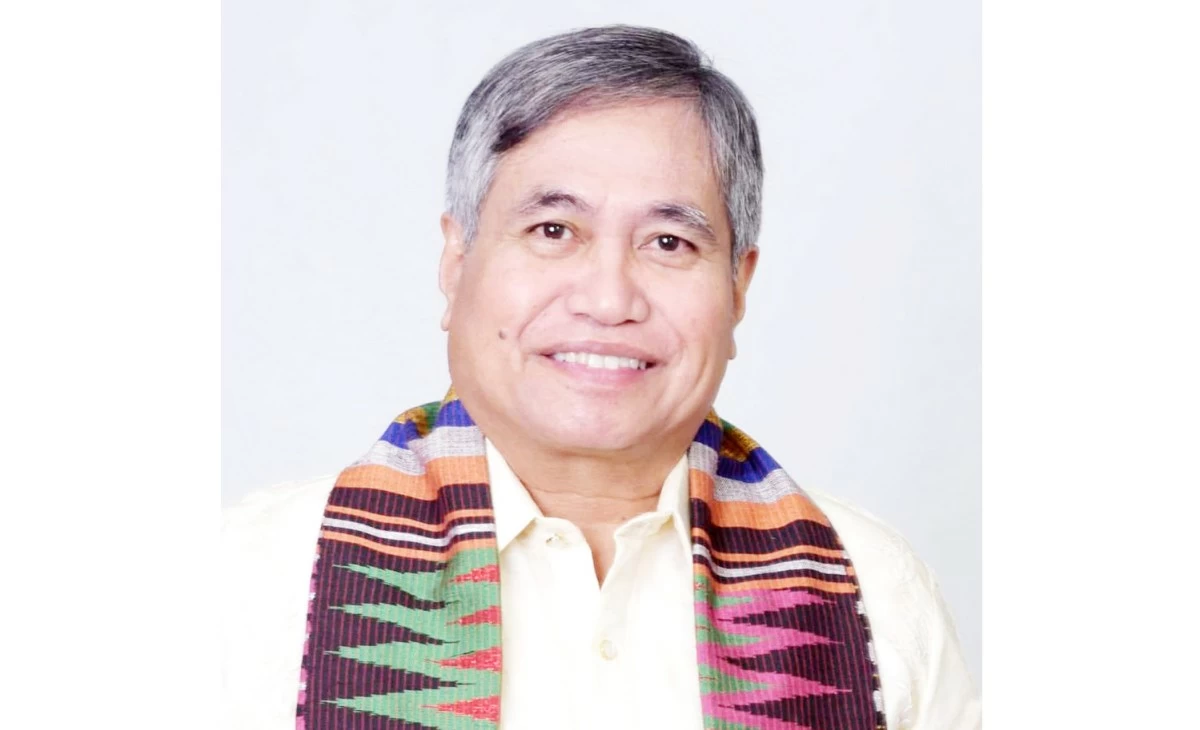
(Dr. Jaime Aristotle B. Alip is a poverty eradication advocate. He is the founder of the Center for Agriculture and Rural Development Mutually-Reinforcing Institutions (CARD MRI), a group of 23 organizations that provide social development services to 8 million economically-disadvantaged Filipinos and insure more than 27 million nationwide.)