ADVERTISEMENT

Philippines sees wider US market access for pineapples soon

Published Jul 6, 2026 12:00 am  |  Updated Jul 4, 2026 04:02 pm
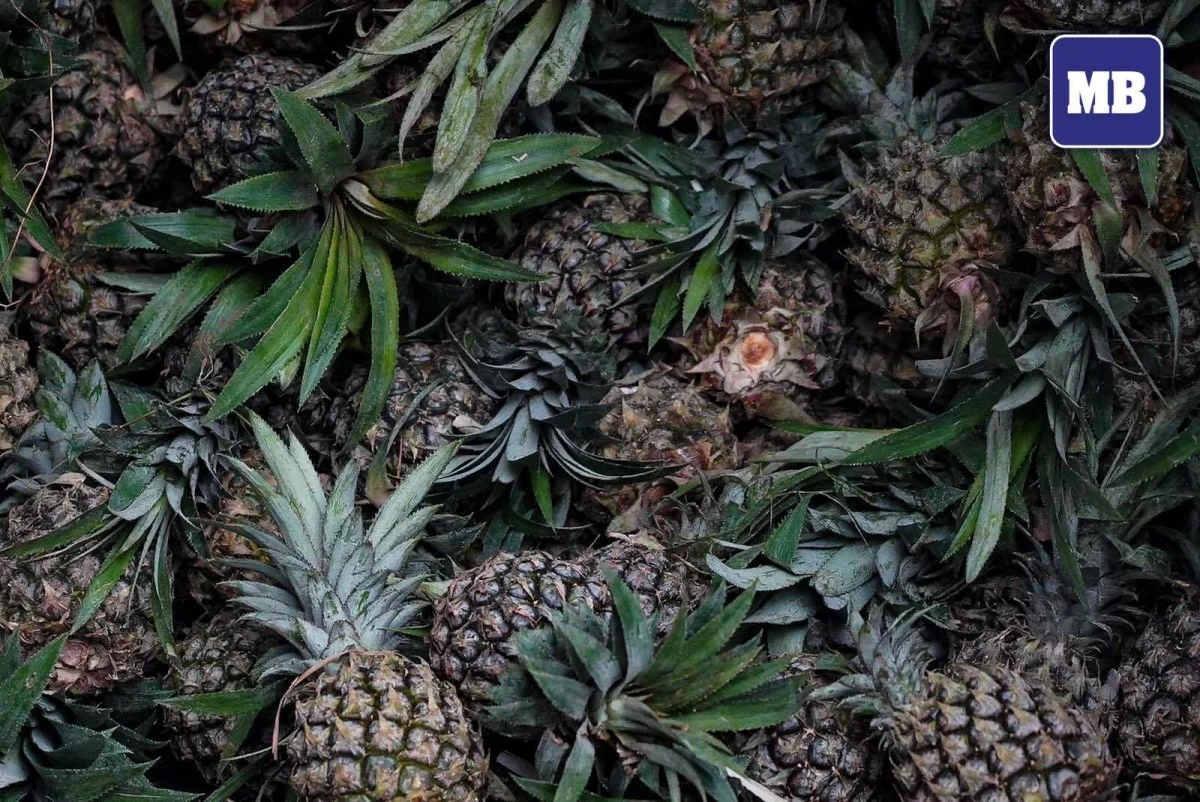
(Manila Bulletin file photo)

The Bureau of Plant Industry (BPI) expects the United States (US) government to soon grant its request for expanded market access for fresh pineapple exports, as it works to widen the reach of homegrown commodities.

BPI Director Gerald Glenn Panganiban said he is “hopeful” that the US Animal and Plant Health Inspection Service (APHIS) will approve the agency’s appeal to open all US ports to pineapple exports within the year.

“They told us in our last meeting that if there are no further comments from stakeholders, then [the ports] will be opened,” Panganiban told reporters last week.

BPI earlier asked APHIS to allow the entry of Philippine pineapples through all US ports, expanding from the current access to ports in the north Atlantic region of the US, as well as the territories of Guam and Northern Mariana Islands.

The country’s exports were restricted to certain US ports to prevent the potential entry of pests, including oriental fruit fly, which can destroy more than 400 types of fruits and vegetables.

Manila Bulletin recently reported that APHIS said it is now ready to grant expanded access to the Philippines, provided that shipments are of a fruit fly-resistant variety or are subjected to phytosanitary treatment.

APHIS said fresh pineapple exports from the Philippines will be required to have a lineage that is at least 50-percent Smooth Cayenne, which is not considered a host of the pest. Other pineapple varieties that do not meet these conditions would require irradiation or vapor heat phytosanitary treatment.

APHIS said it is accepting stakeholders’ comments on the proposed expanded market access for the Philippines until Aug. 10. These comments will help inform the US agency’s decision on whether to amend port restrictions on the country’s fresh pineapple exports.

From around 600 metric tons (MT) of shipments annually, BPI expects the Philippines to ship approximately 19,200 MT of fresh pineapples to the US each year under expanded market access.

Panganiban said demand for the country’s pineapples has been increasing in recent months, especially since the commodity is now available in more markets, including the Middle East.

The Department of Agriculture (DA) earlier said that 18 MT of MD2 variety pineapples arrived in United Arab Emirates (UAE) on June 28, helping expand the country’s agricultural footprint in the region.

According to the United Nations’ (UN) Food and Agriculture Organization (FAO), the Philippines maintained its position as the world’s second-largest exporter of pineapples in 2025, with shipments reaching an estimated 775,028 MT, nearly 14 percent higher than the 682,383 MT in 2024.

In addition, Panganiban said BPI is pushing for greater access to other promising markets in the Middle East and Africa to support demand for local crops, including pomelos and bananas.

Related Tags

Bureau of Plant Industry (BPI) Pineapple
ADVERTISEMENT
.most-popular .layout-ratio{ padding-bottom: 79.13%; } @media (min-width: 768px) and (max-width: 1024px) { .widget-title { font-size: 15px !important; } }

{{ articles_filter_1561_widget.title }}

.most-popular .layout-ratio{ padding-bottom: 79.13%; } @media (min-width: 768px) and (max-width: 1024px) { .widget-title { font-size: 15px !important; } }

{{ static_articles_1562_widget.title }}

.most-popular .layout-ratio{ padding-bottom: 79.13%; } @media (min-width: 768px) and (max-width: 1024px) { .widget-title { font-size: 15px !important; } }

{{ articles_filter_1563_widget.title }}

{{ articles_filter_1564_widget.title }}

.mb-article-details { position: relative; } .mb-article-details .article-body-preview, .mb-article-details .article-body-summary{ font-size: 17px; line-height: 30px; font-family: "Libre Caslon Text", serif; color: #000; } .mb-article-details .article-body-preview iframe , .mb-article-details .article-body-summary iframe{ width: 100%; margin: auto; } .read-more-background { background: linear-gradient(180deg, color(display-p3 1.000 1.000 1.000 / 0) 13.75%, color(display-p3 1.000 1.000 1.000 / 0.8) 30.79%, color(display-p3 1.000 1.000 1.000) 72.5%); position: absolute; height: 200px; width: 100%; bottom: 0; display: flex; justify-content: center; align-items: center; padding: 0; } .read-more-background a{ color: #000; } .read-more-btn { padding: 17px 45px; font-family: Inter; font-weight: 700; font-size: 18px; line-height: 16px; text-align: center; vertical-align: middle; border: 1px solid black; background-color: white; } .hidden { display: none; }
function initializeAllSwipers() { // Get all hidden inputs with cms_article_id document.querySelectorAll('[id^="cms_article_id_"]').forEach(function (input) { const cmsArticleId = input.value; const articleSelector = '#article-' + cmsArticleId + ' .body_images'; const swiperElement = document.querySelector(articleSelector); if (swiperElement && !swiperElement.classList.contains('swiper-initialized')) { new Swiper(articleSelector, { loop: true, pagination: false, navigation: { nextEl: '#article-' + cmsArticleId + ' .swiper-button-next', prevEl: '#article-' + cmsArticleId + ' .swiper-button-prev', }, }); } }); } setTimeout(initializeAllSwipers, 3000); const intersectionObserver = new IntersectionObserver( (entries) => { entries.forEach((entry) => { if (entry.isIntersecting) { const newUrl = entry.target.getAttribute("data-url"); if (newUrl) { history.pushState(null, null, newUrl); let article = entry.target; // Extract metadata const author = article.querySelector('.author-section').textContent.replace('By', '').trim(); const section = article.querySelector('.section-info ').textContent.replace(' ', ' '); const title = article.querySelector('.article-title h1').textContent; // Parse URL for Chartbeat path format const parsedUrl = new URL(newUrl, window.location.origin); const cleanUrl = parsedUrl.host + parsedUrl.pathname; // Update Chartbeat configuration if (typeof window._sf_async_config !== 'undefined') { window._sf_async_config.path = cleanUrl; window._sf_async_config.sections = section; window._sf_async_config.authors = author; } // Track virtual page view with Chartbeat if (typeof pSUPERFLY !== 'undefined' && typeof pSUPERFLY.virtualPage === 'function') { try { pSUPERFLY.virtualPage({ path: cleanUrl, title: title, sections: section, authors: author }); } catch (error) { console.error('ping error', error); } } // Optional: Update document title if (title && title !== document.title) { document.title = title; } } } }); }, { threshold: 0.1 } ); function showArticleBody(button) { const article = button.closest("article"); const summary = article.querySelector(".article-body-summary"); const body = article.querySelector(".article-body-preview"); const readMoreSection = article.querySelector(".read-more-background"); // Hide summary and read-more section summary.style.display = "none"; readMoreSection.style.display = "none"; // Show the full article body body.classList.remove("hidden"); } document.addEventListener("DOMContentLoaded", () => { let loadCount = 0; // Track how many times articles are loaded const offset = [1, 2, 3, 4, 5, 6, 7, 8, 9, 10]; // Offset values const currentUrl = window.location.pathname.substring(1); let isLoading = false; // Prevent multiple calls if (!currentUrl) { console.log("Current URL is invalid."); return; } const sentinel = document.getElementById("load-more-sentinel"); if (!sentinel) { console.log("Sentinel element not found."); return; } function isSentinelVisible() { const rect = sentinel.getBoundingClientRect(); return ( rect.top < window.innerHeight && rect.bottom >= 0 ); } function onScroll() { if (isLoading) return; if (isSentinelVisible()) { if (loadCount >= offset.length) { console.log("Maximum load attempts reached."); window.removeEventListener("scroll", onScroll); return; } isLoading = true; const currentOffset = offset[loadCount]; window.loadMoreItems().then(() => { let article = document.querySelector('#widget_1690 > div:nth-last-of-type(2) article'); intersectionObserver.observe(article) loadCount++; }).catch(error => { console.error("Error loading more items:", error); }).finally(() => { isLoading = false; }); } } window.addEventListener("scroll", onScroll); });

Sign up by email to receive news.