






Manila Bulletin
 Business
The Economy
Philippines can handle more rate hikes despite growth drag—Remolona
Business
The Economy
Philippines can handle more rate hikes despite growth drag—Remolona
Business
The Economy
Philippines can handle more rate hikes despite growth drag—Remolona
Philippines can handle more rate hikes despite growth drag—Remolona
By Derco Rosal
Published Jul 6, 2026 03:53 pm


At A Glance
- The Philippine economy could still absorb further tightening, according to Bangko Sentral ng Pilipinas (BSP) Governor Eli M. Remolona Jr., even as the country faces the risk of a continued growth slowdown.
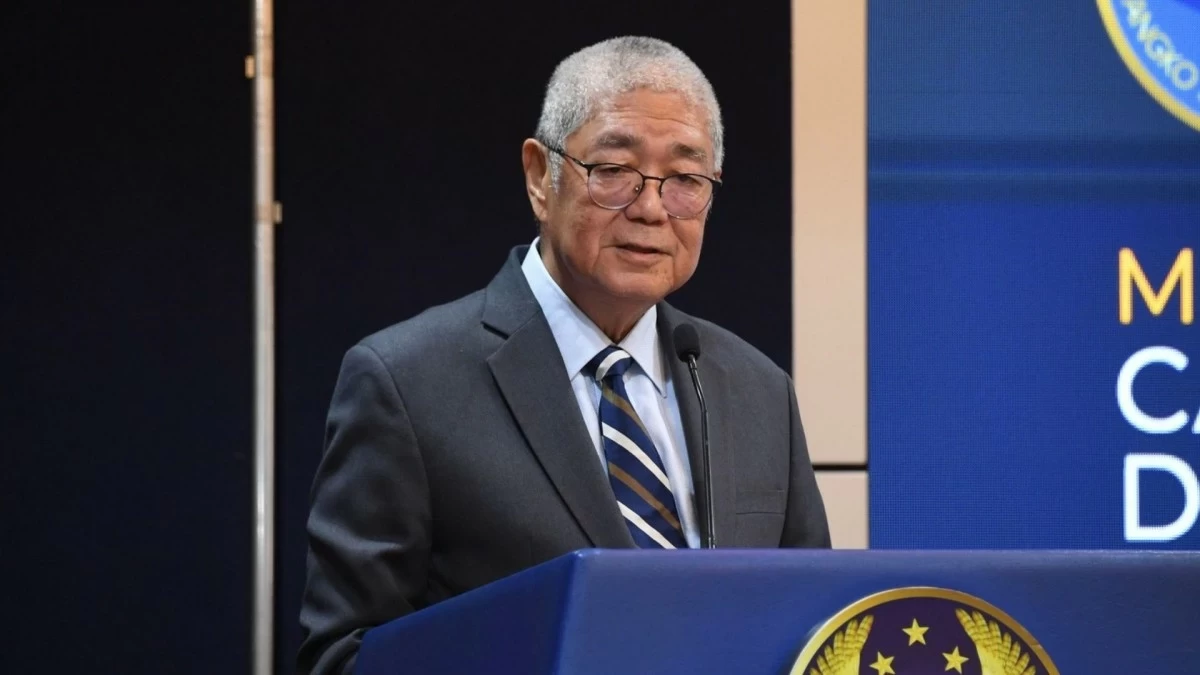
The Philippine economy retains the capacity to absorb further monetary tightening even as it navigates a prolonged growth slowdown, Bangko Sentral ng Pilipinas (BSP) Governor Eli M. Remolona Jr. said.
Remolona said during a media briefing on Monday, July 6, that a potential 25-basis-point interest rate adjustment remains highly manageable because current nominal rates are low once adjusted for inflation.
“The economy can [still absorb further tightening],” Remolona told reporters. “That 25-basis-point [hike] is nominal. Once you subtract inflation, the resulting rate is actually quite low.”
The BSP has delivered two consecutive quarter-point increases this year, lifting the benchmark target reverse repurchase rate to 4.75 percent.
Higher borrowing costs typically cool inflation by restraining domestic demand and private consumption, though they also risk dampening overall economic momentum.
Remolona stressed that real interest rates—nominal borrowing costs minus the rate of inflation—remain the paramount metric anchoring the Monetary Board’s policy deliberations.
Central bank policymakers are weighing further tightening amid cooled economic activity following a sluggish start to the year. The domestic economy has faced persistent headwinds from external shocks, including volatile global energy markets linked to conflict in the Middle East, alongside domestic governance hurdles.
Recent gross domestic product (GDP) data was weighed down by a pronounced deceleration in government spending. Public disbursements slowed as state agencies faced more stringent review processes and tighter oversight following controversies surrounding flood control projects, Remolona said.
However, the central bank chief expressed optimism that fiscal spending will accelerate, forecasting a strong economic recovery in the second half of the year as government agencies deploy catch-up spending plans.
“We expect a strong recovery in the second half of the year,” Remolona said. “Spending became more restrained because of the stricter review of flood control projects. But by the second half, that should already be behind us.”
The urgency for a fiscal rebound follows a year where GDP expanded by 4.4 percent, its slowest annual growth rate in five years. The economic moderation extended into the first quarter of this year, with GDP growth decelerating to 2.8 percent.
The economic downturn prompted the government’s inter-agency Development Budget Coordination Committee to lower its full-year economic growth target to a range of 3.5 percent to 4.5 percent, down from its earlier projection of five percent to six percent.