







Luzon emerges as hub of Philippine hydropower boom


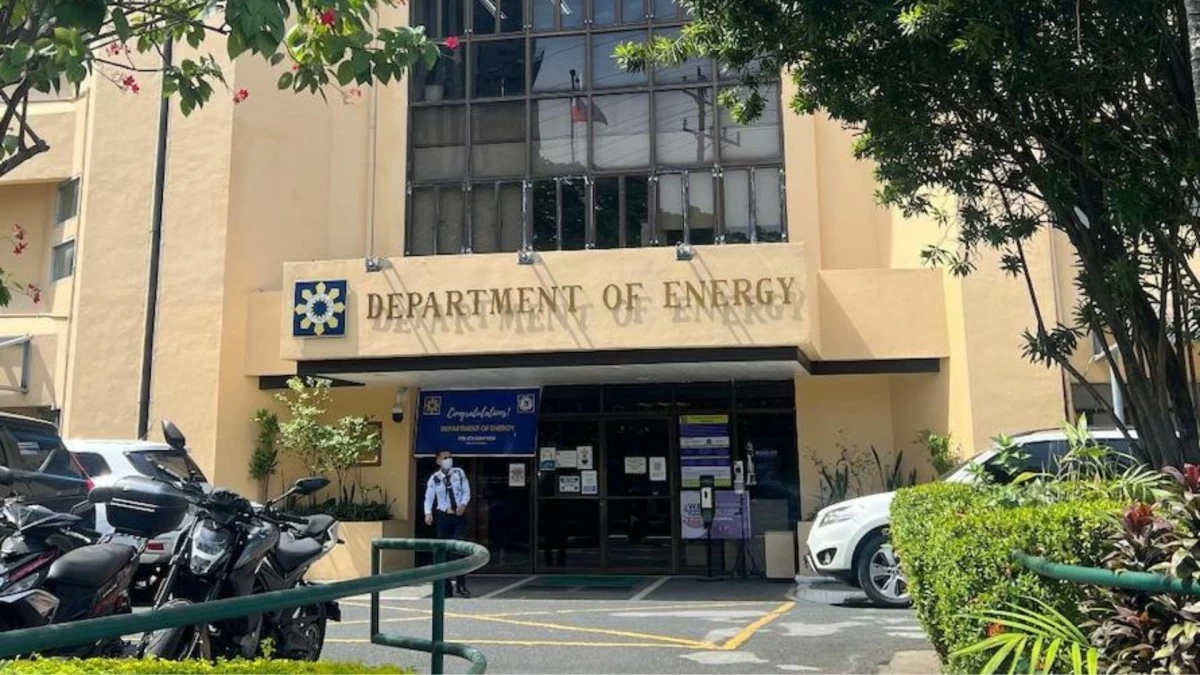
Luzon is positioned to become the primary engine of the Philippines’ renewable transition as the Department of Energy (DOE) oversees 11.7 gigawatts (GW) of awarded hydropower potential, driven largely by massive pumped-storage developments.
Based on the latest DOE data, the country is expecting a total of 14,388.69 megawatts (MW) of hydropower capacity, with the majority of awarded contracts located in Luzon.
These contracts formally authorize and manage new renewable energy (RE) infrastructure in the country.
About 87 listed projects are currently in full operation, adding 2,336.7 MW to the country’s overall capacity.
Meanwhile, 112 projects are still in the pre-development stage, while 179 projects are undergoing development.
According to the findings, Cordillera Administrative Region (CAR) hosts most of Luzon’s hydropower projects. Among these, the Maton pumped storage project in Pudtol town, Apayao province—which is currently in its pre-construction phase—has the highest potential capacity at 2,000 MW. The project is being developed by San Miguel Corp. (SMC)-led Pan Pacific Renewable Power Phils. Corp. (PPRPPC). It secured a slot under the DOE’s third Green Energy Auction (GEA-3).
In Visayas, 10 recently awarded projects have already entered commercial operations, while 21 are in development, and 16 are in pre-development—representing a total potential capacity of 1,345 MW.
While Mindanao has a similar number of total projects compared with Luzon and Visayas, it features a strong focus on large-scale river-based systems like the Agus-Pulangi complex to anchor its future energy needs. So far, there are about 113 awarded hydropower projects in the region, including the 225-MW Agus III hydropower project in Lanao del Sur province.
Recently, the government has been looking to announce the private partner that would lead the rehabilitation of the aging Agus-Pulangi hydropower complex by the end of the year. This RE facility has about 1,000 MW of capacity.