







Marcos: Lowering age of criminal liability needs further study


At A Glance
- President Marcos said proposals to lower the age of criminal liability require further study before the government can support them.
- The President said experts must first determine whether children's exposure to social media and violent content has fundamentally changed their behavior and decision-making.
- Marcos also warned that violent video games and unrestricted online content may contribute to the desensitization of children to violence.
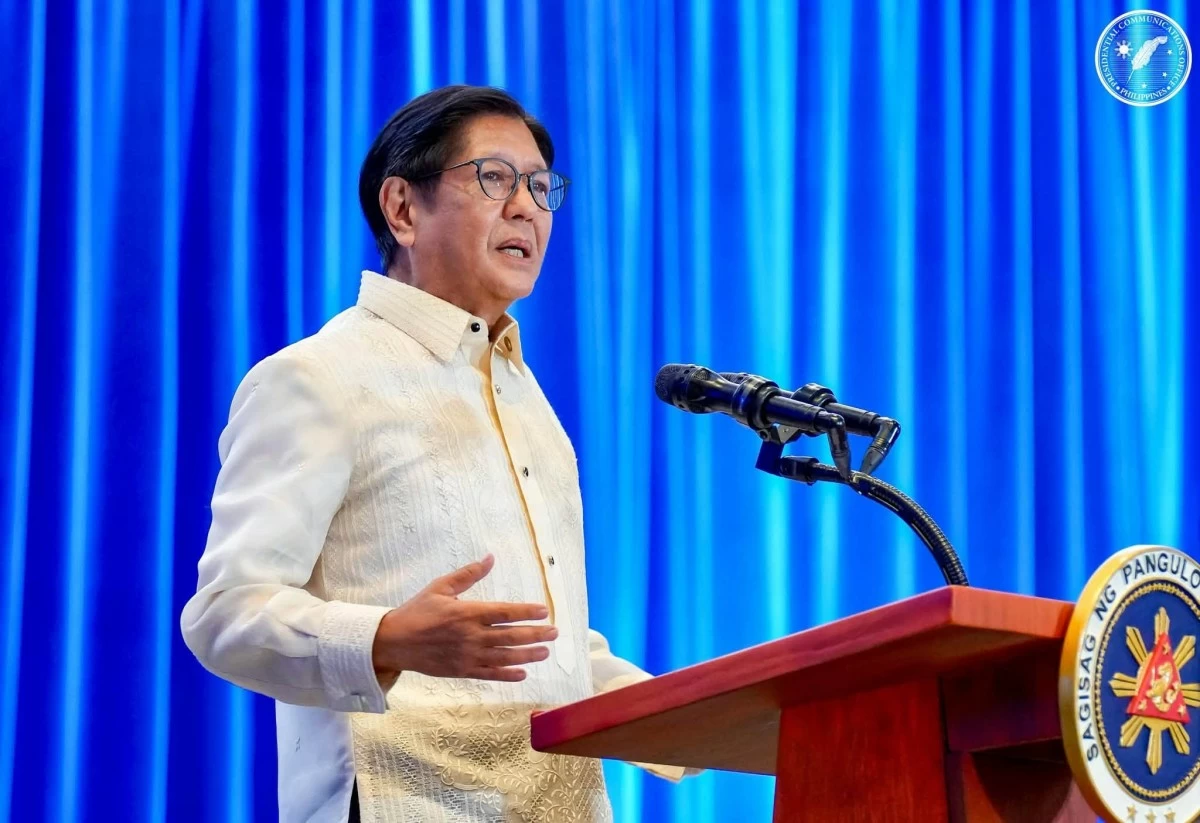
President Marcos said proposals to lower the minimum age of criminal liability should undergo further study, saying the government must first determine whether changes in children's behavior and exposure to digital content justify such a move.
In a press briefing in Canada on Sunday, July 5 (Manila time), Marcos said he was not yet convinced that lowering the age of criminal responsibility — currently set at 15 years old under Philippine law — would be effective without guidance from experts in child psychology and mental health.
"I'm not sure how that will work. We have to study it further," the President said when asked about proposals to lower the age of criminal liability to 12 years old in the wake of recent incidents involving minors and school violence.
President Marcos said child psychologists and experts studying the mental health of young people should first determine whether today's children think and behave differently from previous generations because of their exposure to technology and social media.
"Because if we are lowering the age of responsibility for such crimes, then it would imply that children have changed from before," he said.
The President acknowledged that such changes are possible, noting that today's youth are exposed to social media, violent content, and digital platforms in ways that previous generations were not.
"Nag-iba yung mundo, iba yung exposure ng mga bata. Iba yung exposure nila sa social media (The world has changed. Children today are exposed to different things, especially through social media)," he said.
The issue resurfaced following the fatal shooting at the San Jose National High School in June, where three students were killed, and several others were injured after a shooting involving minors.
The incident triggered renewed calls from some lawmakers and local officials to revisit the country's juvenile justice laws and lower the age of criminal responsibility.
Under the Juvenile Justice and Welfare Act of 2006, children aged 15 years old and below are exempt from criminal liability, while those above 15 but below 18 may only be held liable if they acted with discernment.
The law was amended in 2013 through Republic Act No. 10630, which retained the minimum age of criminal responsibility at 15 despite proposals to lower it.
Exposure to video games
During the same media briefing, Marcos linked concerns over juvenile crime to children's exposure to violent online content and video games.
The President said violent games could normalize killing and make children less sensitive to the consequences of violence because actions in games often carry no real-world consequences.
Marcos cited the government's recent move to restrict access in the Philippines to the controversial video game GoreBox following reports that one of the suspects in the Tacloban shooting was an avid player of the game.
He said the government would continue consulting experts on the psychological effects of social media, online violence, and pornography on children before deciding on broader policy responses.
"But of course, when it is clear that a certain game, or a class of games, is responsible for the desensitization of our children to violence, then yes, I think we should ban them," the President said.