






Manila Bulletin
 Property and Living
Agriya by Damosa Land: Sowing the seeds of innovation in Mindanao
Property and Living
Agriya by Damosa Land: Sowing the seeds of innovation in Mindanao
Property and Living
Agriya by Damosa Land: Sowing the seeds of innovation in Mindanao
Agriya by Damosa Land: Sowing the seeds of innovation in Mindanao
By MBrand
Published Jul 5, 2026 10:25 am



Agriya Township in Panabo City: Where Damosa Land is bringing its vision of a sustainable and resilient agri-innovation community to life through integrated developments. (Photo: Damosa Land)
When people imagine a City of Tomorrow, the image often leans toward a familiar sci-fi trope: towering skyscrapers of steel and glass and endless stretches of gray concrete. But in Panabo City, Davao del Norte, a different vision is taking shape. Here, the future is being planned around education, agriculture, community, and sustainability.
Spanning 88 hectares, Agriya is Damosa Land, Inc.’s agri-innovation-focused township and a forward-looking development in Mindanao. Designed as an integrated community, the township brings together residential, commercial, institutional, agri-tourism, and productive agricultural components in a single master-planned estate. Developed across three phases, with an estimated total investment of ₱20 billion, Agriya serves as Damosa Land’s model for how emerging cities can grow without losing their connection to land, livelihood, and local identity.
At the heart of Agriya is the ongoing construction of the University of the Philippines Professional School for Agriculture and the Environment (UP PSAE). Targeted for completion in 2027, the campus is envisioned as a center for agricultural innovation, environmental stewardship, and sustainability-focused learning in the region.
The UP PSAE represents an investment in people. Through Damosa Land’s partnership with the University of the Philippines Los Baños, the campus is expected to accommodate 200 students and support programs focused on agriculture, food systems, environmental science, sustainability, agri-business, and other related disciplines. Once operational, it is expected to create opportunities that extend beyond the campus, from new jobs to stronger industries that depend on a highly skilled workforce.
“Agriya was designed around the belief that Mindanao’s future growth should be rooted in its strengths. Agriculture, education, and sustainability are not separate from urban development. They are central to how we build communities that are resilient, productive, and relevant to the next generation. To change how a city lives, you must first change how it learns,” said Cary Lagdameo, president of Damosa Land, Inc.
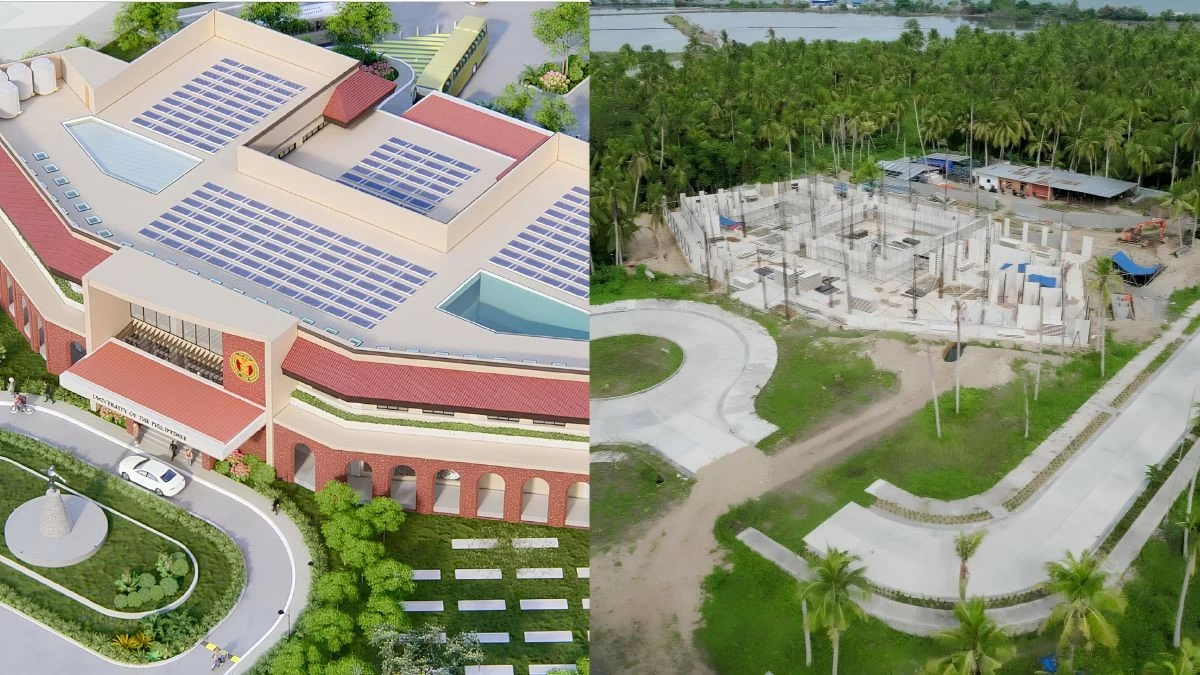
Artist’s perspective (left) and ongoing construction of the UP PSAE at the Agriya township, set for completion in 2027. (Photo: Damosa Land)
A living, breathing township
This educational hub anchors Agriya’s broader development vision. Master-planned by the renowned Architect Felino "Jun" Palafox, Jr. and brought to life by homegrown Mindanao developer Damosa Land, Agriya is a deliberate and beautiful homage to Mindanao’s greatest strength: its rich agricultural heritage.
Rather than treating agriculture as something to be pushed outside city life, Agriya integrates productive landscapes and sustainable infrastructure into the fabric of the township. The result is a community designed to support economic growth while encouraging a stronger sense of environmental stewardship.

Agriya Gardens offers a tranquil green space where residents and visitors can reconnect with nature, reflecting the development's vision of more sustainable and people-centered communities. (Photo: Damosa Land)
In residential developments like Agriya Gardens and Ameria, the boundaries between urban living and nature are intentionally softened. Residents are offered a community closely connected to nature and highly accessible to emerging economic hubs. With nearly 600 residential units currently developed across the township, Agriya reflects the demand for homes that combine accessibility, wellness, and long-term value.
One of the most distinctive aspects of Agriya’s master plan is how it brings agriculture into everyday living. Planned vegetable gardens will allow residents to harvest fresh pantry essentials within their own community, while a one-kilometer linear park creates an inviting green corridor for walking, recreation, and gathering. Together, these spaces encourage healthier lifestyles and foster a stronger connection between people, nature, and food.
By integrating productive landscapes with shared open spaces, Agriya demonstrates how thoughtful urban planning can preserve Panabo City's agricultural identity while creating a community that is greener, more connected, and built for long-term sustainability.
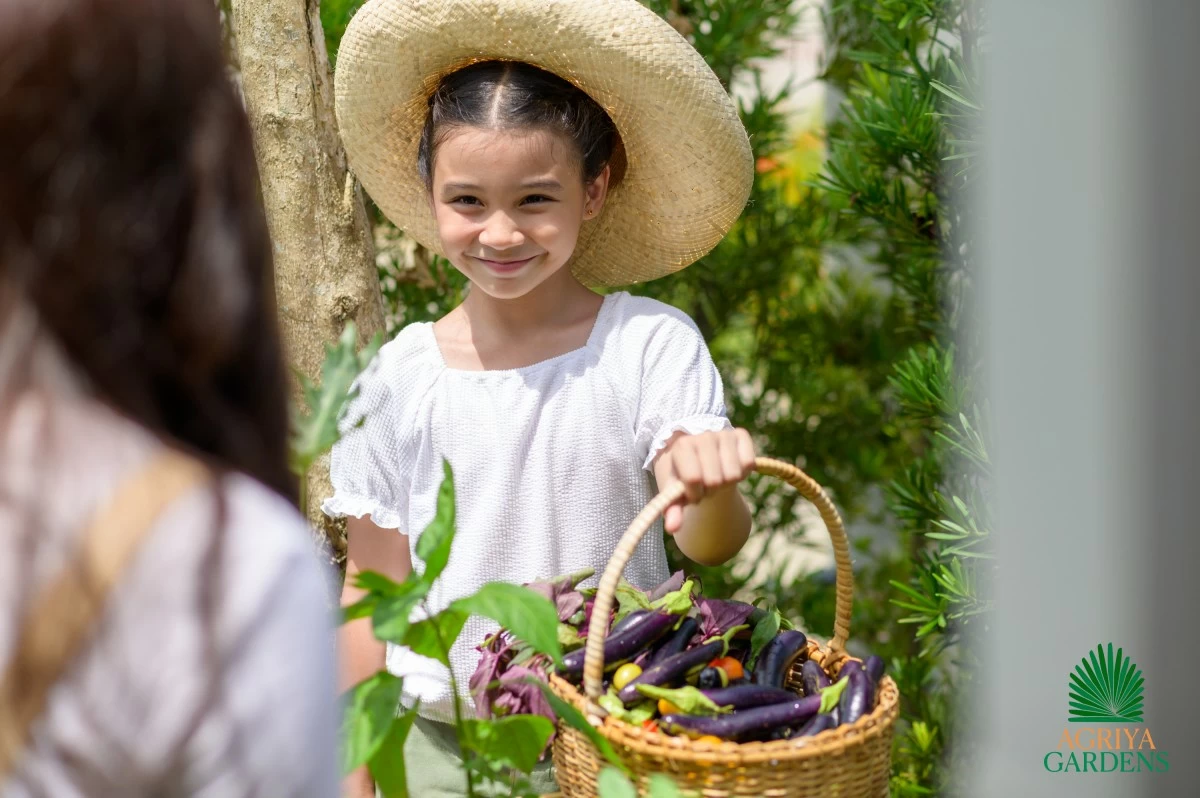
Rooted in Mindanao’s rich agricultural heritage, Agriya Gardens stands as a living testament to the importance of preserving productive landscapes while integrating agriculture into modern development.(Photo: Damosa Land)
"Naturetainment" and connection
Agriya is pioneering Naturetainment—a convergence of agriculture, recreation, and learning. This approach transforms the township into an interactive agri-tourism destination that showcases Panabo City’s identity to residents and visitors through engaging, hands-on experiences.
For secondary cities like Panabo, innovation does not always have to mean building upward or moving faster. In Agriya, innovation is reflected in how the township makes agriculture visible, accessible, and part of everyday life.
Its social and commercial spaces are showing early signs of community traction. The township’s events venue has been hosting activities, from flea markets that bring together start-ups and small enterprises to tourism and trade fairs that draw attention to the growing agri-tourism industry in the Davao region.
Agriya is also guided by the 10-minute city framework, where key points of daily life are planned within close reach. From Agriya, residents can reach the Anflo Industrial Estate in approximately five minutes, the Davao International Container Terminal in around five minutes, and key commercial or institutional areas in Panabo City within 10 minutes. These linkages support a live-work ecosystem where homes, workplaces, learning institutions, recreation, and productive land uses are connected by design.
“What is taking root in Panabo City extends beyond the borders of a single township. As the students of tomorrow prepare to lead from the halls of UP PSAE, and as families begin to thrive within integrated green spaces, Agriya offers a working example of how Mindanao’s cities can grow with greater purpose,” concludes Lagdameo.
To learn more about Damosa Land and its developments, visit https://damosaland.com/.