






 Business
Trade & Industry
VisMin emerging as key property investment hotspot—Colliers
Business
Trade & Industry
VisMin emerging as key property investment hotspot—Colliers
VisMin emerging as key property investment hotspot—Colliers


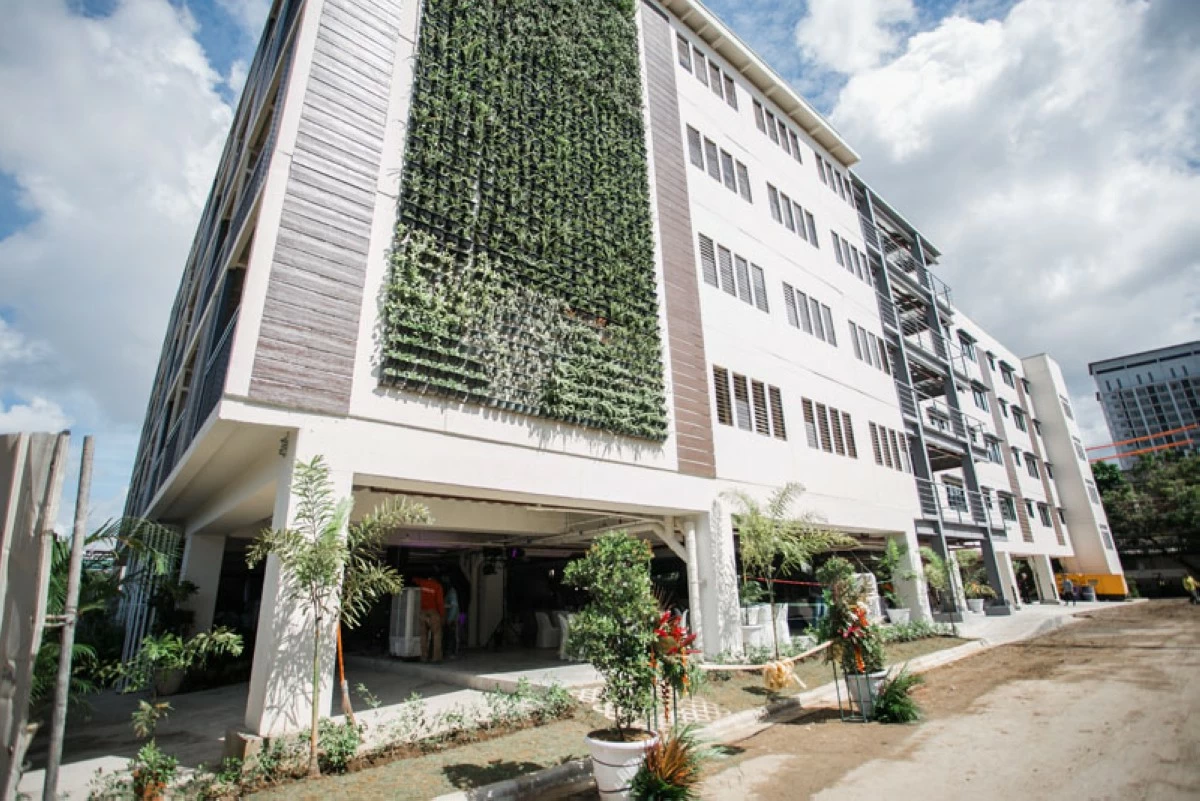
The Visayas and Mindanao (VisMin) property market is emerging as a key investment hotspot outside Metro Manila as residential expansion, outsourcing-led office demand, and rising tourism fuel growth across regional hubs, according to property consultancy Colliers Philippines.
In its latest VisMin report published this week, Colliers Philippines said developers are increasingly shifting their focus beyond the capital, unlocking opportunities in cities such as Cebu, Davao, and Iloilo amid infrastructure upgrades and strong end-user demand.
“Overall, VisMin remains a compelling growth corridor for real estate investment,” Colliers Philippines said in the report authored by director Joey Bondoc, senior analyst Martin Aguila, and research analyst Brent Respicio.
The property consultancy expects about 45,000 new condominium units to be delivered across VisMin from 2026 to 2029, with Cebu and Davao accounting for more than 60 percent of the additional supply.
Demand for condominium projects is mainly anchored on affordable to mid-income units, while national property developers are also expanding their presence in emerging markets such as the cities of Bacolod, Cagayan de Oro, and Iloilo.
Colliers Philippines also noted strong take-up for leisure-oriented developments, particularly in Cebu and Davao, as developers capitalize on rising demand for resort-themed projects from both local investors as well as foreigners.
The consultancy said developers seeking to capture foreign demand should further explore leisure-oriented projects, especially in the islands of Mactan and Samal.
Meanwhile, Iloilo province overtook Cebu province as the largest contributor to office transactions outside Metro Manila in the first quarter of 2026, as the outsourcing sector remained the main source of provincial office demand.
Office space deals outside Metro Manila reached 37,000 square meters (sqm) in the first quarter, down 32 percent from 55,000 sqm in the same period last year.
Iloilo accounted for 16,000 sqm, or nearly half of provincial office transactions, while Cebu recorded 9,000 sqm of deals, down from 20,000 sqm a year ago.
The outsourcing sector covered nearly half of total office transactions, supported by skilled manpower, lower living costs, and favorable business environments, while government agencies as well as energy, telecommunications, and manufacturing services firms also contributed to demand.
Colliers Philippines said office vacancies across key VisMin markets ranged from 16 to 34 percent, except in Davao, where the vacancy rate stood at only three percent amid limited available supply.
The property consultancy advised office developers as well as landlords to prioritize flexible and cost-efficient spaces in Iloilo and Davao to cater to business process outsourcing (BPO), government, as well as technology occupiers.
Horizontal residential demand also remained stable, with Cebu having the largest house-and-lot stock in VisMin, followed by Davao, Negros Occidental, Iloilo, and Misamis Oriental provinces.
Colliers Philippines said prices of house-and-lot units in VisMin appreciated by an average of two to six percent annually from 2016 to 2025, while average take-up rates ranged from 87 to 96 percent as of end-2025, reflecting healthy end-user demand, particularly from overseas Filipino worker (OFW) households.
Prices of residential lots in Central Visayas, Western Visayas, and Davao Region also increased by an average of seven to 13 percent yearly during the same period, with average take-up rates ranging from 80 to 94 percent at end-2025.
The VisMin hospitality sector is likewise benefiting from robust tourism activity and infrastructure improvements, with Colliers Philippines expecting 7,900 new hotel rooms to be delivered from 2026 to 2029.
Foreign brands are projected to account for 62 percent of the new hotel supply, with upcoming properties including JW Marriott Panglao, Somerset Gorordo Cebu, Asai Hotel Oslob, Citadines Paragon Davao, Radisson Blu CDO, and Citadines CDO.
The Department of Tourism (DOT) recorded 63.9 million overnight travelers in 2024, up from 55.3 million in 2023, with Cebu, Davao del Sur, Negros Occidental, and Misamis Oriental provinces attracting the majority of these travelers.
Colliers Philippines said developers looking to expand their leisure portfolios should consider high-growth destinations such as Bohol, Cagayan de Oro, Iloilo, Bacolod, and Boracay, while partnerships with foreign hotel operators could help capture growing tourism demand.
The consultancy added that ongoing airport modernization as well as improved road access to tourist destinations are expected to attract more international, long-haul, and high-spending travelers as the Philippines targets 6.4 million arrivals in 2026.