







The lives of Doyennes, and of a lady's maid
Published Jul 4, 2026 09:25 am


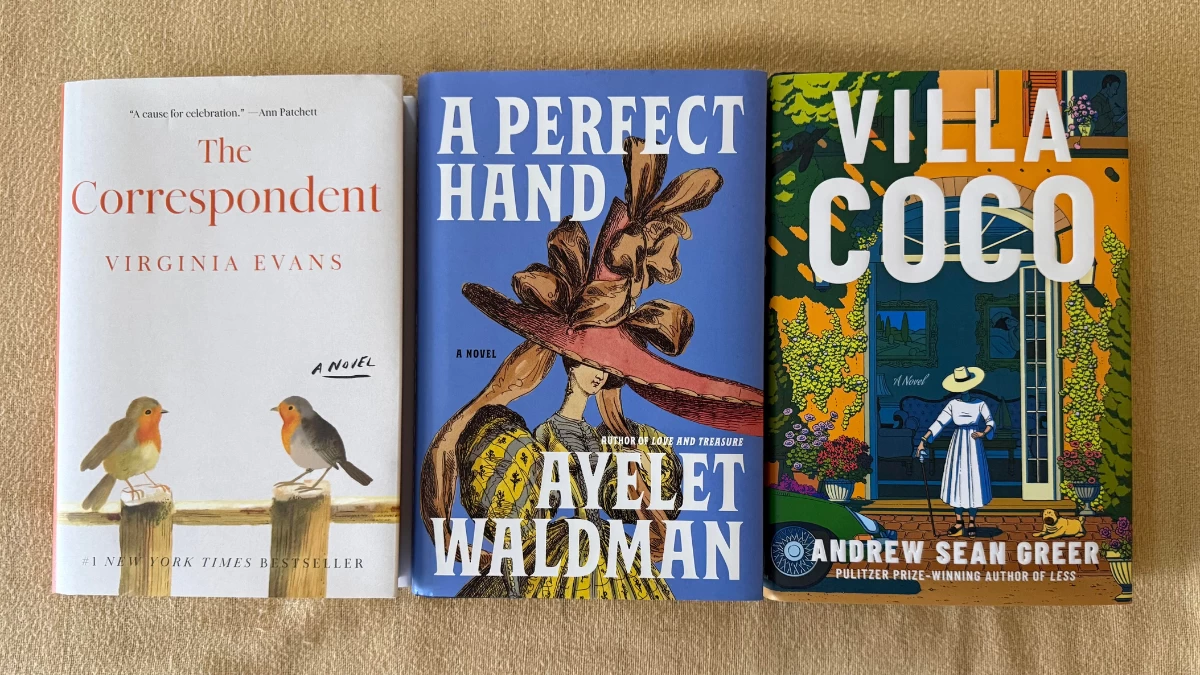
These three novels are wonderful examples of the illuminating literary fiction being written today. Two capture the vibrant lives of women in their sunset years, while the third is an entertaining window into 19th-century England - among the best novels I’ve read this year.
"The Correspondent" by Virginia Evans
The surprise winner of this year’s Women’s Prize in Fiction, the astounding thing to note is that while Evans has been writing for decades, this epistolary is her very first published work. And what a wonderful novel of letters it turns out to be. At its center is Sybil Van Antwerp, who is 72 years of age when we first encounter her in 2012. A retired law clerk, her late morning routine in her Annapolis home is to write physical letters to people all over the world. From her brother (they were both adopted), to her married children, the Dean at a nearby university, to the teenage son of a judge she’s friends with, to the DNA testing center she used, and to an unnamed person that she writes to regularly without ever mailing the letters. In short, her whole life is encapsulated in these letters, and they illuminate a life that resonates with us, readers of this wonderful book.
There are even letters to the authors of books she has read and loved - Joan Didion, Kazuo Ishiguro, Larry McMurtry, and one letter to George Lucas for a very unique request. The letters extend to roughly a decade of writing, and so much is revealed in the letters - at times moving, often funny, and very deep. Her ex-husband, Daan, is dying of cancer, and through the letters written to her old neighbor, we learn about the marriage and what tore it apart. It’s a novel of discovery, and what’s nice to note is that if we passed Sybil on the street, we wouldn’t give her a second glance, we’d just walk on by; and yet, through the power and magic of Evans’ writing, we care deeply for Sybil, we wish we really encountered her in our lives, and became fast friends. Sybil becomes so real, cantankerous, hard-headed, opinionated to a fault, and yet so very real and human. Well deserving of its Prize, and I’ll be curious to read what Evans will come up with next.
"A Perfect Hand" by Ayelet Waldman
Set in the world of the rich and titled of England in the 19th century, Waldman has stunningly created a humor-filled homage to the novels of Jane Austen and Charles Dickens. She constantly breaks the fourth wall and directly addresses us, the readers. At the center of the story is Miss Alice Lockey, the daughter of a tenant farmer, who has raised herself to the position of lady’s maid at Marlecombe Park. She attends to the daughter of the mansion, Lady Jemima Alderwick - arranging her hair and wigs, laundering her petticoats, and sewing her fripperies. Then there’s Charlie Wells, a visiting servant valet to Nigel Deverall, the seventh Viscount Wynstowe. As we can expect, Alice and Charlie enjoy a mutual attraction but are realistic enough to know that not much can come out of that fact, given the circumstances they find themselves in. So what could be the solution?
It’s at heart a homage to the romance novel, as both Alice and Charlie conspire to have Viscount Wynstowe ‘discover’ Lady Jemima, and then our two lovebirds can work under one household. Not that easy a feat as Wynstowe is highly eccentric and peculiar, and Jemima only has eyes for another - the second son of a titled family, so one who will not inherit anything of substance. What follows is a highly entertaining narrative of trying to effect this union that stands like a hopeless cause. What is compelling is that Waldeman weaves into the story themes of women's suffrage, the state of women's labor and employment, and England on the cusp of social change. It’s an upstairs-downstairs story, with emphasis on the down. Plus, there are twists and turns aplenty, as the element of social change grips our heroine Alice, and makes her think about the conventions of the day and the role women play. A quite moving reading experience, when you reach this book’s conclusion.
"Villa Coco" by Andrew Sean Greer
Greer is the author of Less and of Less Is Lost, so you can bet your bottom dollar that the protagonist of this new work of his, set in the mountainside and little villages of Tuscany, will be gay. Written in the first person from the vantage point of years in the future, our Giovedi (which is Italian for Thursday and becomes his name, even if it isn’t his real one) has answered an ad which states that a titled woman is looking for someone to archive her possessions in a villa she resides in. With money borrowed from his parents on the US East Coast, the gangly American Giovedi arrives in Italy to find the country home is occupied by a host of fanciful European eccentrics. Led by the 92-year-old Baronessa, who likes to be referred to as Coco, but only by those she deems worthy. And she likes to think of herself as a youthful 92, with so much still to experience in life.
An impressive collection of books, objects, and art, including a Picasso, is to be cataloged. And besides the archiving, he is also called upon to be assistant and driver to the Baronessa. But his work soon extends to doing even more, and getting involved with the domestic life at the villa. Giocomo, a married relative of Coco, emerges as the complicated love interest of our Giovedi. Estelle is a neighbor painter who harbors a number of the secrets of Coco. When things begin to go missing from right under his nose, and there’s a plan to unite Coco with the great love of her life, the stakes get higher for Giovedi. That love of her life is one of the great reveals and surprises of this novel. How Giovedi himself becomes an accomplice to the machinations of Coco and the others who live in the villa makes for fun reading. And as is often the case with Greer, the narrative is a meditation on how best to approach life and become who you’ve always wanted to be.