






Manila Bulletin
 Philippines
National
Philippines, Canada to elevate ties through strategic partnership
Philippines
National
Philippines, Canada to elevate ties through strategic partnership
Philippines
National
Philippines, Canada to elevate ties through strategic partnership
Philippines, Canada to elevate ties through strategic partnership
DFA chief Lazaro says the two countries are set to deepen defense, maritime, economic, and people-to-people cooperation under their new strategic partnership
Published Jul 4, 2026 04:02 pm


At A Glance
- The Philippines and Canada are moving to establish a strategic partnership covering political, economic, security, and people-to-people cooperation.
- The partnership is expected to strengthen defense ties, including the proposed Status of Visiting Forces Agreement and a logistics agreement.
- Canada's Dark Vessel Detection system is expected to help the Philippines combat illegal fishing and monitor possible intrusions into Philippine waters.
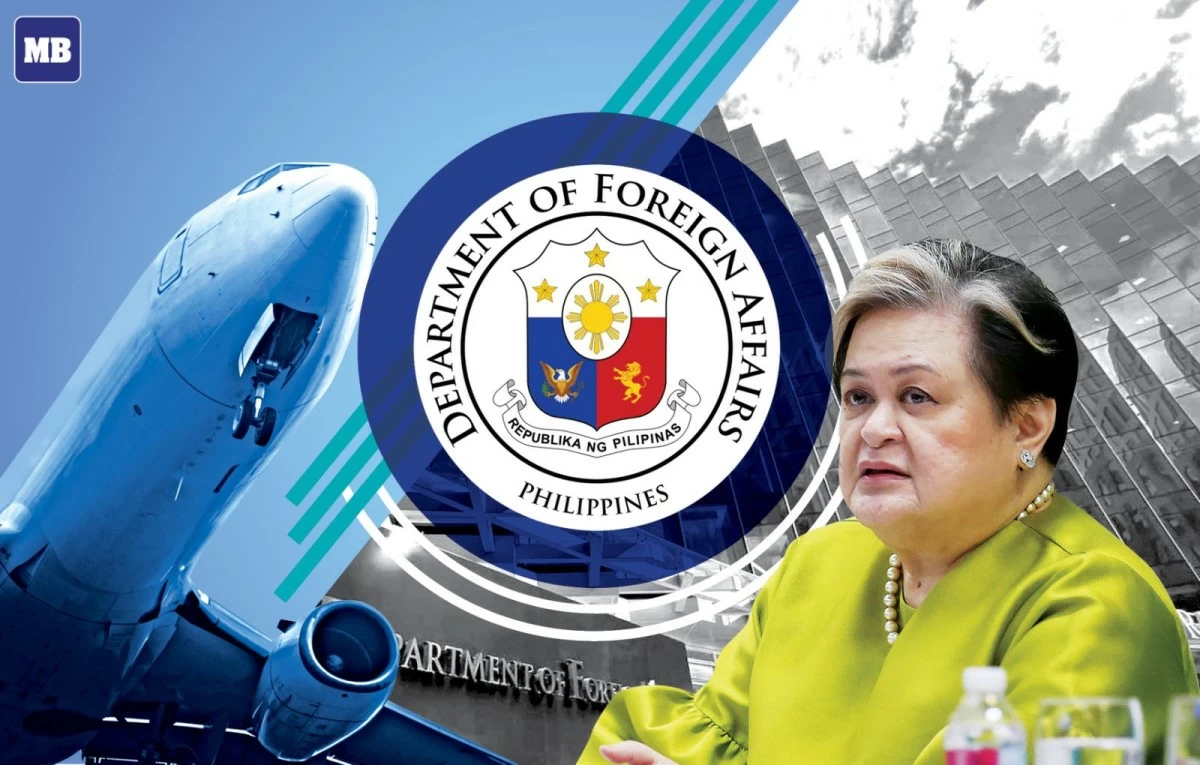
Foreign Affairs Secretary Ma. Theresa Lazaro says the Philippines and Canada are set to strengthen cooperation in defense, maritime security, trade, tourism, and people-to-people exchanges under their new strategic partnership. (DFA / MB Visual Content Group)
The Philippines and Canada are set to elevate their bilateral relations through a strategic partnership that will deepen cooperation in defense, maritime security, trade, tourism, and people-to-people exchanges, Department of Foreign Affairs (DFA) Secretary Ma. Theresa Lazaro said.
In an interview with RTVM, Lazaro said President Marcos’ visit to Canada was significant, noting that it had been some time since a Philippine president last made an official visit to the country.
“I think this visit of the President is really very important because it has been quite some time since a Philippine president visited Canada,” Lazaro said.
She described Canada as one of the Philippines’ “important allies” and a “like-minded” partner on key international principles, including the rule of law, multilateralism, the United Nations Convention on the Law of the Sea (UNCLOS), and the 2016 Arbitral Award on the West Philippine Sea.
“This visit is indeed very important,” Lazaro said, noting that one of its outcomes is the establishment of a strategic partnership between the Philippines and Canada.
“This means a lot, and it goes through various sectors such as political, economic, as well as people-to-people relations,” she said. “When you say it is a strategic partnership, this means that there have been a lot of very good things happening between the two countries,” she added.
Security and defense
Lazaro said defense and security would be among the key areas of cooperation under the proposed strategic partnership.
The Philippines and Canada signed a Status of Visiting Forces Agreement in 2025, which is now undergoing Senate ratification. Lazaro also cited a recently signed logistics agreement, which is expected to further strengthen defense cooperation between the two countries.
“Perhaps we can talk about defense and security — this is probably one of the important aspects of the elevation of the partnership,” Lazaro said. “In security alone, we already have the Status of Visiting Forces Agreement, which was signed in 2025, and it is now in the process of ratification by the Senate,” she added.
Lazaro noted that Canada’s participation in the recent Balikatan exercises reflected the growing security relationship, with around 600 Canadian Armed Forces personnel taking part in the military drills held in April.
Maritime cooperation
Lazaro said the Philippines and Canada have also expanded maritime cooperation, with the two countries holding their inaugural maritime dialogue early this year.
“There has been a maritime dialogue between the Philippines and Canada, with the inaugural meeting held in January this year,” Lazaro said.
She said one of the important elements of Canada’s maritime assistance is the provision of a Dark Vessel Detection system, which could help address illegal, unreported, and unregulated fishing and monitor possible intrusions into Philippine waters.
“It is a very effective way of monitoring vessels that are not supposed to be in our jurisdiction,” she said.
Economic cooperation, tourism
Lazaro said economic cooperation is also expected to be among the major agenda items during the President’s visit, with Marcos leading a Philippine delegation in meetings with major Canadian companies.
She also cited the signing of a tourism-related document as an indication of strengthening people-to-people ties between the two countries.
“This is very good, as it will provide a lot more employment in tourism, and I think it is something that can really strengthen and expand our relations,” Lazaro said.
Lazaro added that the growing number of flights between the Philippines and Canada, including services by Air Canada, could boost tourism, create jobs, and further expand bilateral exchanges.
She noted that nearly one million Filipinos and Filipino Canadians live in Canada, describing the Filipino community as an important bridge between the two countries.
“Our Filipinos who have settled here will always be not only ambassadors of goodwill,” Lazaro said, adding that Filipino migrants can also bring home knowledge, skills, and expertise gained through their work and experiences in Canada.
Lazaro expressed optimism that Philippines-Canada relations would continue to expand in the coming years as both countries build on their shared values and growing cooperation across various sectors.