






Manila Bulletin
 Philippines
National
Oil smuggling, profiteering? Senator Erwin Tulfo to squeeze answers from BOC
Philippines
National
Oil smuggling, profiteering? Senator Erwin Tulfo to squeeze answers from BOC
Philippines
National
Oil smuggling, profiteering? Senator Erwin Tulfo to squeeze answers from BOC
Oil smuggling, profiteering? Senator Erwin Tulfo to squeeze answers from BOC
Published Jul 4, 2026 11:18 am


At A Glance
- Senator Erwin Tulfo seeks answers from Bureau of Customs officials over alleged oil smuggling, citing misdeclared import quantities and collusion with personnel at ports in Cagayan de Oro, Cebu, and Batangas.
- The Senate inquiry is set to examine revenue losses, unfair competition in the fuel industry, and risks to consumers, with the Department of Finance also invited to review oil importers' tax records.
- Tulfo is reviewing amendments to the 1998 Oil Deregulation Law, proposing emergency pricing powers, mandatory price breakdowns, and measures against hoarding to better protect consumers.
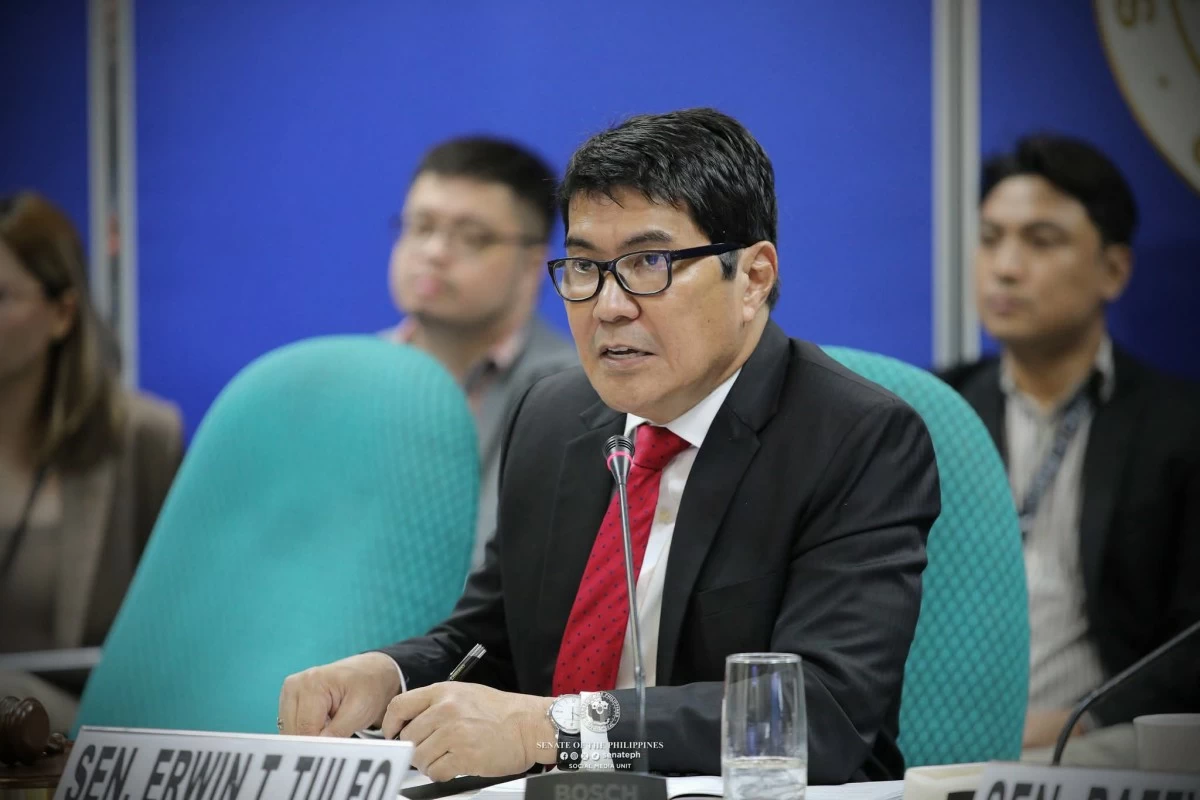
Senator Erwin Tulfo (Facebook)
Senate Committee on Energy Chairperson Senator Erwin Tulfo wants answers from Bureau of Customs (BOC) officials regarding the alleged smuggling of oil products into the country.
As such, the neophyte senator plans to summon agency representatives to appear before the Senate and address the issue, including but not limited to the reports of fuel smuggling at the Ports of Cagayan de Oro, Cebu, and Batangas.
“Kadalasan ay misdeclared ang quantity ng langis na pinapasok nila sa bansa,” he said of oil importers and alleged BOC officials working in cahoots with them.
(Usually, the quantity of oil they bring into the country is misdeclared.)
“Halimbawa na lamang, ang barko na may kargang 20 million liters na petrolyo pero ang dinideklara lang kasabwat ang ilang customs personnel ay five million liters para yun lang babayaran nilang buwis. Yung hindi diniklerang 15 million liters ay tubo o profit na nila,” Tulfo explained.
(For example, there's a ship carrying 20 million liters of petroleum but, with the collusion of some customs personnel, only five million liters are declared so that’s the only amount taxed. The undeclared 15 million liters becomes their gain or profit.)
While no schedule has been set yet, the Senate inquiry is expected to examine reports of illicit oil imports that may have resulted in significant revenue losses for the government, unfair competition in the domestic fuel industry, and potential risks to consumers.
The senator further lamented that the taxes and duties being paid by oil importers would be passed on to consumers through the value-added tax and the excise tax.
Aside from the BOC, the Department of Finance (DOF) will also be invited to check the taxes of oil importers for the past several months.
The senator is also reviewing amendments to the Oil Deregulation Law, which he deems outdated and now requires revisions suited to the country’s current situation.
Enacted in 1998, the law removes government control over fuel pricing and importation, allowing private oil companies to set their own pump prices based on global market conditions.
But the lack of state control has been a bane for consumers because the Department of Energy could not dictate prices, limit company profits, and intervene in times of hoarding.
Proposed amendments to the law include granting the government emergency pricing powers, requiring oil companies to provide a price breakdown, and addressing hoarding.