ADVERTISEMENT

PLDT, DITO team up to expand connectivity

Published Jul 3, 2026 04:00 pm
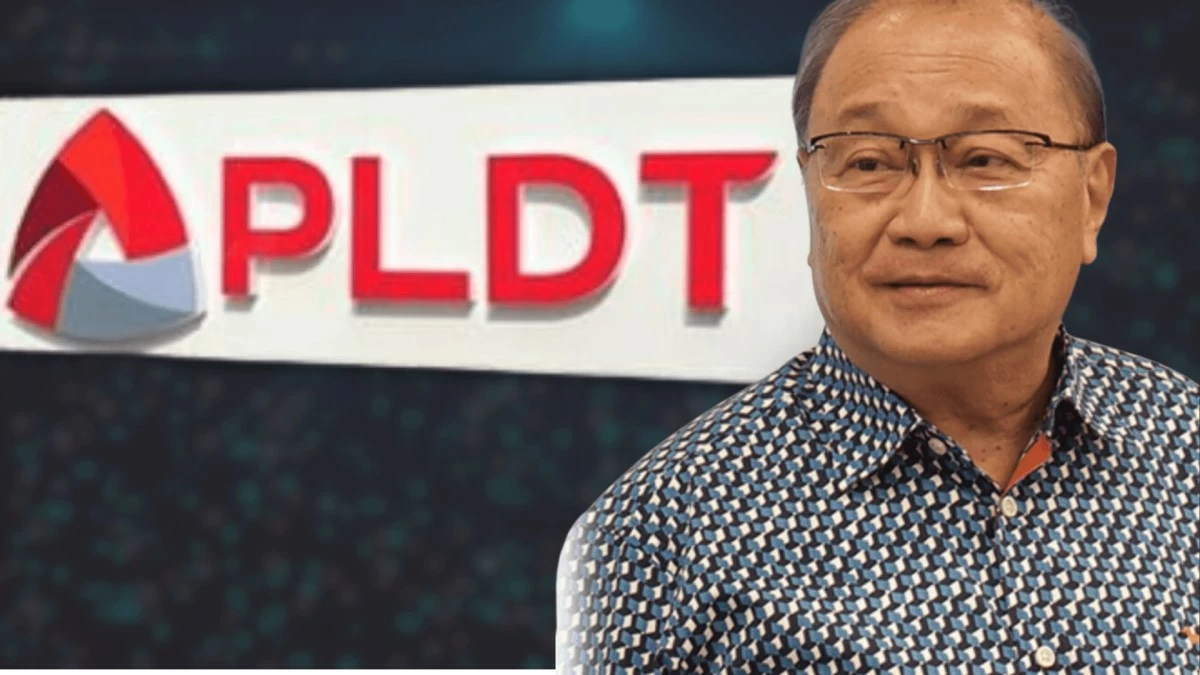
PLDT Inc. Chairman, President and CEO Manuel V. Pangilinan

Telco rivals PLDT Inc. and DITO Telecommunity Corp. are putting bygones behind them, as both companies have signed a landmark infrastructure-sharing deal to widen connectivity across the country.

In a statement on Friday, July 3, PLDT said it entered into a memorandum of understanding (MOU) with DITO for resource-sharing initiatives aimed at bringing more reliable connectivity to customers across both companies’ networks.

Tycoon Manuel V. Pangilinan, chairman and chief executive officer (CEO) of PLDT, said the partnership is a response to the need for greater collaboration within the telco industry to strengthen the country’s digital infrastructure.

“This agreement reflects that, even as we compete in the marketplace, we can collaborate where it matters the most: accelerating digital inclusion, helping connect every Filipino, and creating greater opportunities for our people and our nation,” Pangilinan said.

Meanwhile, DITO President and CEO Eric Alberto said partnering with PLDT will help both companies deliver better services to their respective customers.

“May this partnership usher and blossom into many more things so that we can have meaningful results for our companies, and more importantly, for the betterment of services for all our respective customers,” Alberto said.

The MOU, which also covers PLDT’s wireless arm Smart Communications Inc., establishes a framework for collaboration in telecommunications infrastructure through reciprocal resource sharing.

In particular, the companies will grant one another the reciprocal right to use eligible tower sites without any monetary exchange.

The agreement also includes in-building solution (IBS) colocation, which enables both PLDT and DITO to share network infrastructure within commercial buildings and other indoor locations.

This extends to submarine cable capacity through indefeasible right of use (IRU) arrangements, allowing both companies to optimize the use of existing international connectivity assets.

“By maximizing existing infrastructure, the partnership will expand network coverage, enhance service reliability, and deliver a better connectivity experience for customers across the country,” PLDT said.

Instead of investing in separate infrastructure in the same locations, PLDT said the agreement will maximize the use of existing macro sites and in-building facilities, helping reduce “unnecessary duplication of network investments.”

It added that this would allow the companies to deploy capital more efficiently, pushing forward network expansion and broader coverage in the process. - Dexter Barro II

Related Tags

PLDT Inc. DITO Telecommunity Corp.
ADVERTISEMENT
.most-popular .layout-ratio{ padding-bottom: 79.13%; } @media (min-width: 768px) and (max-width: 1024px) { .widget-title { font-size: 15px !important; } }

{{ articles_filter_1561_widget.title }}

.most-popular .layout-ratio{ padding-bottom: 79.13%; } @media (min-width: 768px) and (max-width: 1024px) { .widget-title { font-size: 15px !important; } }

{{ static_articles_1562_widget.title }}

.most-popular .layout-ratio{ padding-bottom: 79.13%; } @media (min-width: 768px) and (max-width: 1024px) { .widget-title { font-size: 15px !important; } }

{{ articles_filter_1563_widget.title }}

{{ articles_filter_1564_widget.title }}

.mb-article-details { position: relative; } .mb-article-details .article-body-preview, .mb-article-details .article-body-summary{ font-size: 17px; line-height: 30px; font-family: "Libre Caslon Text", serif; color: #000; } .mb-article-details .article-body-preview iframe , .mb-article-details .article-body-summary iframe{ width: 100%; margin: auto; } .read-more-background { background: linear-gradient(180deg, color(display-p3 1.000 1.000 1.000 / 0) 13.75%, color(display-p3 1.000 1.000 1.000 / 0.8) 30.79%, color(display-p3 1.000 1.000 1.000) 72.5%); position: absolute; height: 200px; width: 100%; bottom: 0; display: flex; justify-content: center; align-items: center; padding: 0; } .read-more-background a{ color: #000; } .read-more-btn { padding: 17px 45px; font-family: Inter; font-weight: 700; font-size: 18px; line-height: 16px; text-align: center; vertical-align: middle; border: 1px solid black; background-color: white; } .hidden { display: none; }
function initializeAllSwipers() { // Get all hidden inputs with cms_article_id document.querySelectorAll('[id^="cms_article_id_"]').forEach(function (input) { const cmsArticleId = input.value; const articleSelector = '#article-' + cmsArticleId + ' .body_images'; const swiperElement = document.querySelector(articleSelector); if (swiperElement && !swiperElement.classList.contains('swiper-initialized')) { new Swiper(articleSelector, { loop: true, pagination: false, navigation: { nextEl: '#article-' + cmsArticleId + ' .swiper-button-next', prevEl: '#article-' + cmsArticleId + ' .swiper-button-prev', }, }); } }); } setTimeout(initializeAllSwipers, 3000); const intersectionObserver = new IntersectionObserver( (entries) => { entries.forEach((entry) => { if (entry.isIntersecting) { const newUrl = entry.target.getAttribute("data-url"); if (newUrl) { history.pushState(null, null, newUrl); let article = entry.target; // Extract metadata const author = article.querySelector('.author-section').textContent.replace('By', '').trim(); const section = article.querySelector('.section-info ').textContent.replace(' ', ' '); const title = article.querySelector('.article-title h1').textContent; // Parse URL for Chartbeat path format const parsedUrl = new URL(newUrl, window.location.origin); const cleanUrl = parsedUrl.host + parsedUrl.pathname; // Update Chartbeat configuration if (typeof window._sf_async_config !== 'undefined') { window._sf_async_config.path = cleanUrl; window._sf_async_config.sections = section; window._sf_async_config.authors = author; } // Track virtual page view with Chartbeat if (typeof pSUPERFLY !== 'undefined' && typeof pSUPERFLY.virtualPage === 'function') { try { pSUPERFLY.virtualPage({ path: cleanUrl, title: title, sections: section, authors: author }); } catch (error) { console.error('ping error', error); } } // Optional: Update document title if (title && title !== document.title) { document.title = title; } } } }); }, { threshold: 0.1 } ); function showArticleBody(button) { const article = button.closest("article"); const summary = article.querySelector(".article-body-summary"); const body = article.querySelector(".article-body-preview"); const readMoreSection = article.querySelector(".read-more-background"); // Hide summary and read-more section summary.style.display = "none"; readMoreSection.style.display = "none"; // Show the full article body body.classList.remove("hidden"); } document.addEventListener("DOMContentLoaded", () => { let loadCount = 0; // Track how many times articles are loaded const offset = [1, 2, 3, 4, 5, 6, 7, 8, 9, 10]; // Offset values const currentUrl = window.location.pathname.substring(1); let isLoading = false; // Prevent multiple calls if (!currentUrl) { console.log("Current URL is invalid."); return; } const sentinel = document.getElementById("load-more-sentinel"); if (!sentinel) { console.log("Sentinel element not found."); return; } function isSentinelVisible() { const rect = sentinel.getBoundingClientRect(); return ( rect.top < window.innerHeight && rect.bottom >= 0 ); } function onScroll() { if (isLoading) return; if (isSentinelVisible()) { if (loadCount >= offset.length) { console.log("Maximum load attempts reached."); window.removeEventListener("scroll", onScroll); return; } isLoading = true; const currentOffset = offset[loadCount]; window.loadMoreItems().then(() => { let article = document.querySelector('#widget_1690 > div:nth-last-of-type(2) article'); intersectionObserver.observe(article) loadCount++; }).catch(error => { console.error("Error loading more items:", error); }).finally(() => { isLoading = false; }); } } window.addEventListener("scroll", onScroll); });

Sign up by email to receive news.