







Make UMIC count: End corruption, unlock prosperity
Published Jul 3, 2026 12:05 am
|
Updated Jul 2, 2026 05:12 pm


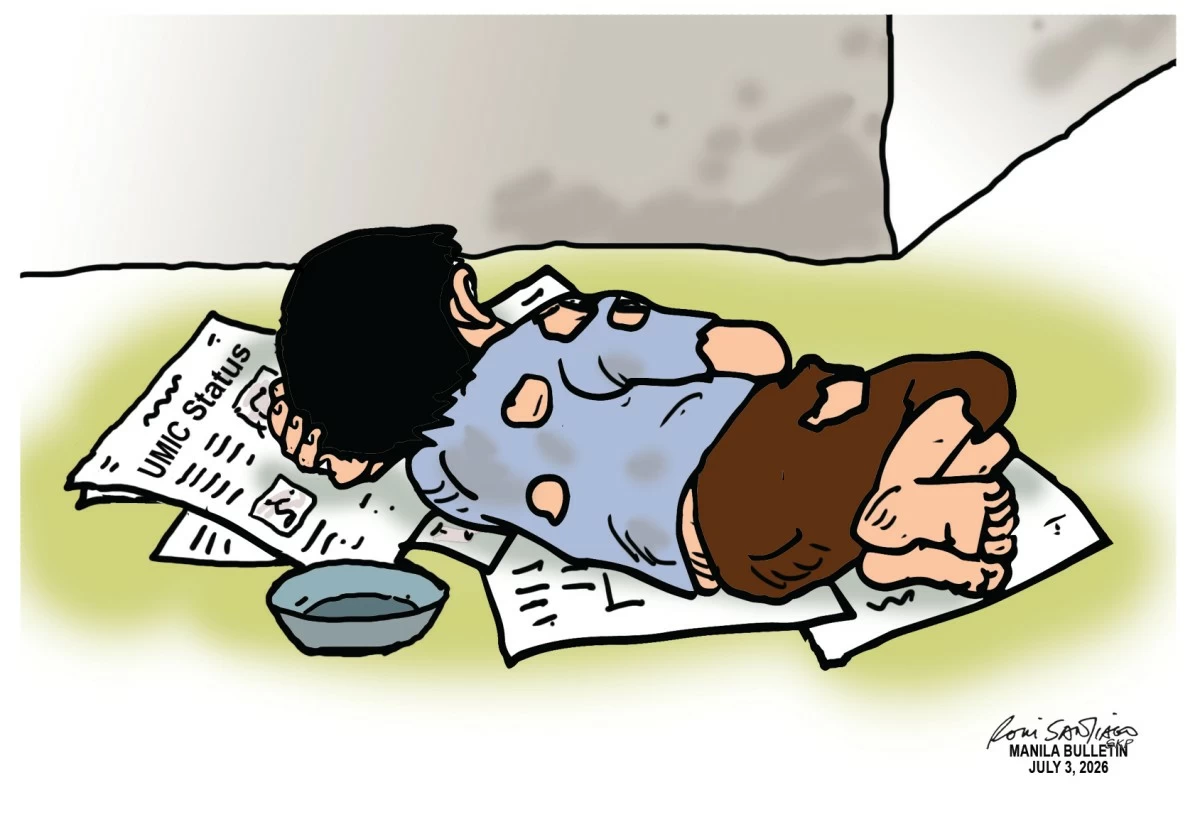
The Philippines has reached a milestone decades in the making. According to the World Bank, the country has officially entered the ranks of upper-middle-income economies after its gross national income (GNI) per capita climbed to US$4,850 in 2025, exceeding the required threshold. It is a significant economic achievement and a testament to years of steady growth, resilient domestic demand, and the enduring contribution of overseas Filipino workers whose remittances continue to strengthen the nation's income base.
An upgraded economic status is not tantamount to outright prosperity.
The real test begins now. Upper-middle-income-country (UMIC) status should not be treated as another trophy displayed in government presentations while millions continue to struggle with expensive food, stagnant wages, inadequate public services, and limited employment opportunities. Economic progress is meaningful only when it improves the quality of life of ordinary citizens.
The Marcos administration must therefore treat this milestone as the starting point of a more demanding national agenda. The objective is no longer simply to grow the economy but to ensure that growth reaches every household. That means attracting investments that create quality, higher-paying jobs instead of low-value employment. It means revitalizing agriculture so farmers become competitive and food prices stabilize. It means strengthening manufacturing, supporting micro, small, and medium enterprises, expanding digital infrastructure, and aligning education with the skills demanded by modern industries. These are not new, but they now carry greater urgency if the country is to justify its new economic status.
Yet no reform will succeed unless the government confronts the elephant in the room.
Corruption remains the single greatest threat to sustaining this achievement.
Every public contract tainted by kickbacks, every ghost project, every overpriced procurement, and every peso diverted into private pockets robs Filipinos of better schools, hospitals, roads, irrigation systems, and social services. Corruption is an economic burden that inflates the cost of doing business, discourages investors, weakens institutions, and widens inequality.
If corruption continues unabated, UMIC status risks becoming an empty statistical victory.
The government must therefore pursue reforms that leave little room for discretion and even less room for abuse. Full transparency in public spending, competitive and digitalized procurement systems, stronger anti-corruption institutions, swift prosecution of offenders regardless of rank, meaningful protection for whistleblowers, and rigorous lifestyle checks on public officials should become standard practice rather than periodic political slogans. Public office must once again be defined by accountability, not privilege.
The private sector must likewise rise to the occasion. Businesses should recognize that national progress cannot rest solely on corporate earnings. Companies that invest in their workers through fair compensation, skills development, innovation, and ethical business practices help create a stronger domestic economy. Equally important is paying the correct taxes, supporting local supply chains, and partnering with schools to prepare the next generation of Filipino professionals. Prosperity is more durable when it is broadly shared.
The country's new income classification also comes with greater responsibility. As concessional financing from institutions such as the World Bank and the Asian Development Bank becomes less accessible over time, the Philippines will increasingly rely on more expensive commercial borrowing for major infrastructure. That reality leaves even less room for waste, inefficiency, and corruption. Every peso spent must produce measurable public value.
The World Bank's recognition is a welcome affirmation that the Philippine economy has matured. But the label alone will neither lower grocery prices nor raise workers' salaries. Those outcomes depend on political will, sound governance, and a genuine commitment to inclusive development.
Let’s keep in mind that the Philippines will not become prosperous because the World Bank changes its economic classification. It becomes prosperous when honest governance transforms economic growth into better lives for Filipinos—whether in the cities, the countryside, or overseas.