







Kultura Atelier rewrites the modern Filipino wedding
By MBrand
Published Jul 3, 2026 08:57 pm
|
Updated Jul 10, 2026 11:38 am


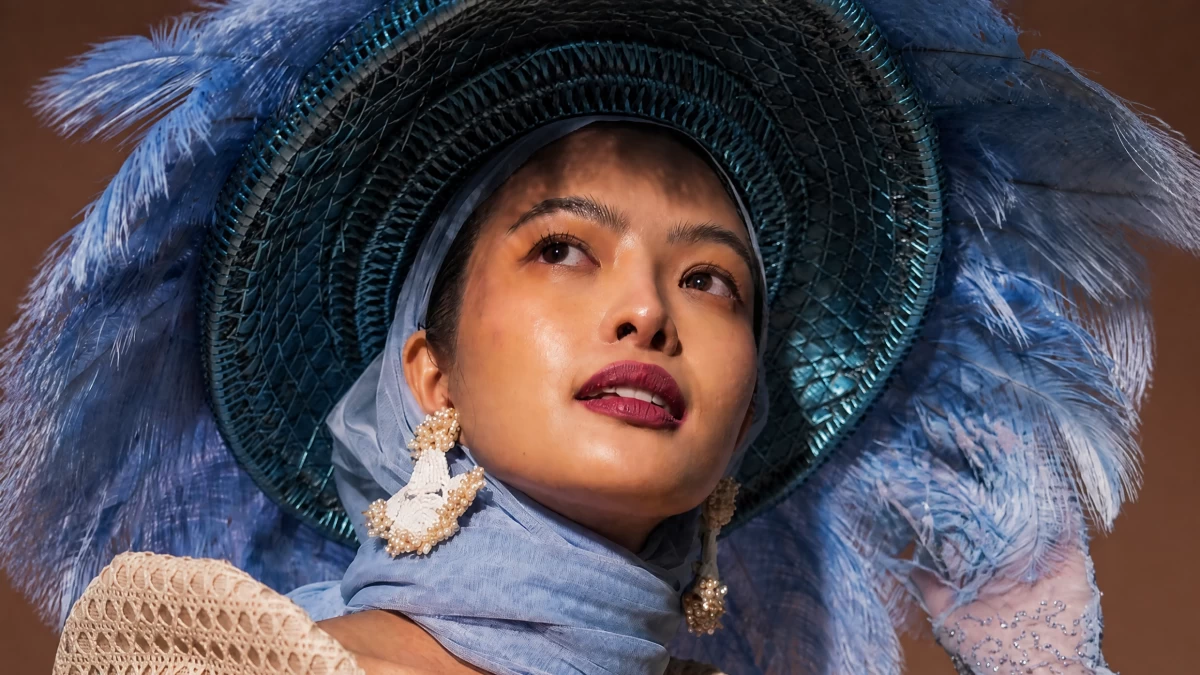
ISLA by Filippo
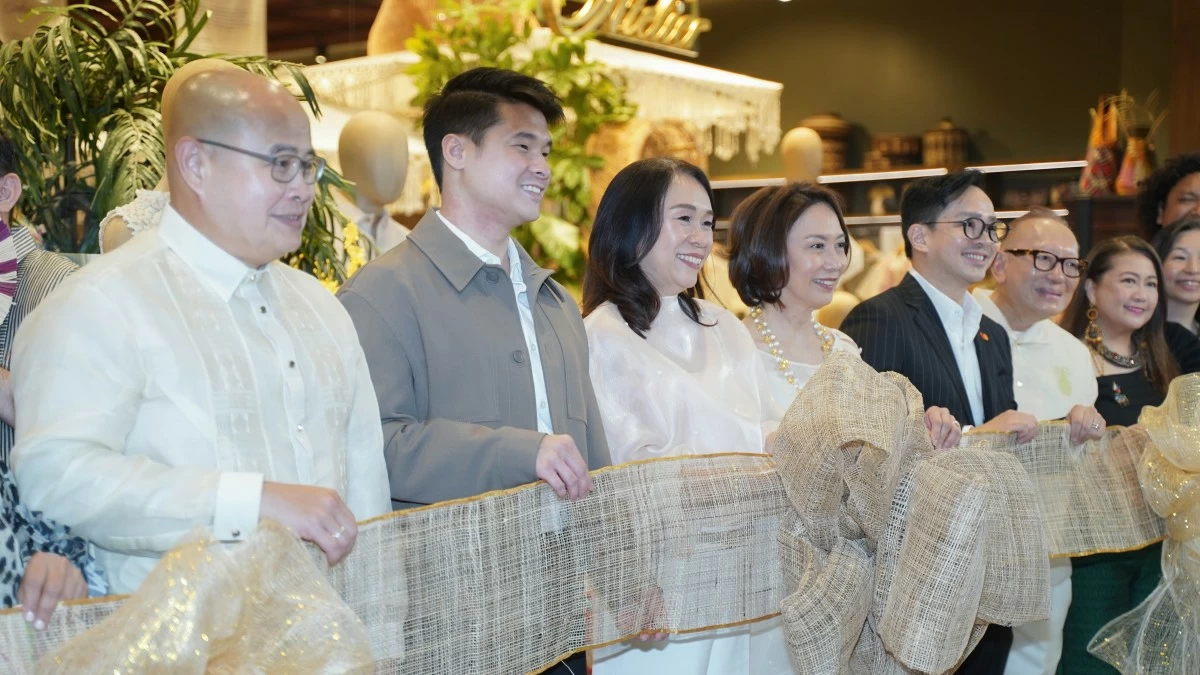
(From left) Jonathan Ng of SM Retail, Hank Sy, Ivy Yap, president of Kultura, Ailea Zialcita and Mike Miranda of Mastercard together with Kultura Atelier designers. (Photos: Kultura)
A peek into the wedding scene of the Philippines often reveals Westernized ideals. The presence of ballgowns, corsets, strapless dresses, and veils that drag their way across the room, as well as extravagant reception halls, a large entourage, and bold palettes.
In 2026, however, more and more couples are choosing to celebrate their marriages based on their own heritage and identity. As such, Filipiniana, Barong Tagalog, in both traditional and modern variations, and Filipino-themed weddings have been exploding in popularity.
Due to this growing trend, Kultura Atelier was recently launched with the show “Kasal,” a conceptual fashion experience that allows their guests to immerse themselves in the world of Filipino weddings.
Thereby hangs a tale
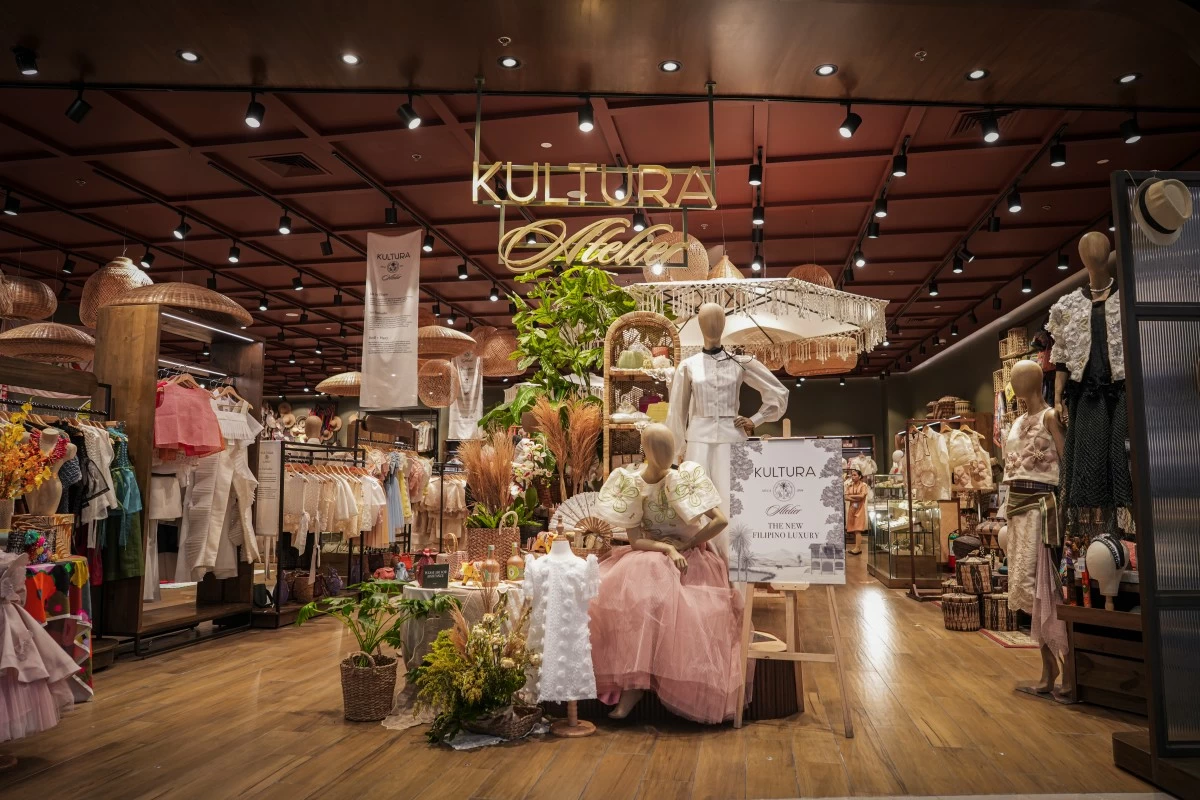
Kultura Atelier, Level 3, SM Aura Premier
Co-presented by Mastercard, hosted by SM Aura Premier and Sarsa, Kasal provided its guests with activities related to wedding festivities, such as a flower bar, photobooth, customized favors, and cake-pulling surprises. In any celebration, Filipinos always appreciate good food, and Kasal met this expectation through the culinary experience provided by Michelin Bib Gourmand awardee, Sarsa.
Prior to the fashion show itself, the space was already filled with essentials for a kasal. The tablescape set with capiz and mother-of-pearl, combined with sculptural centerpieces featuring driftwood, native fruits, and foliage, set the tone for the celebration, familiar yet elegantly innovative.
Two vignettes invited guests to take a peek into the bridal suite, where embroidered and embellished Filipiniana were displayed together with pearl jewelry and other handmade accessories. The Groom’s Lounge highlighted modern and classic Barong Tagalog options for both the groom and his groomsmen, together with gift ideas that the entourage would enjoy.
A stitch in time
Kultura fosters emerging brands and advocates for local designers, strengthening Filipino pride by safeguarding their artists' creative freedom. “Kultura has never asked me to compromise those values. Instead, it has provided a platform where I can present my work in a way that remains true to its original intent. That freedom is invaluable because authenticity is ultimately what gives a brand its identity and longevity,” Ken Samudio says.
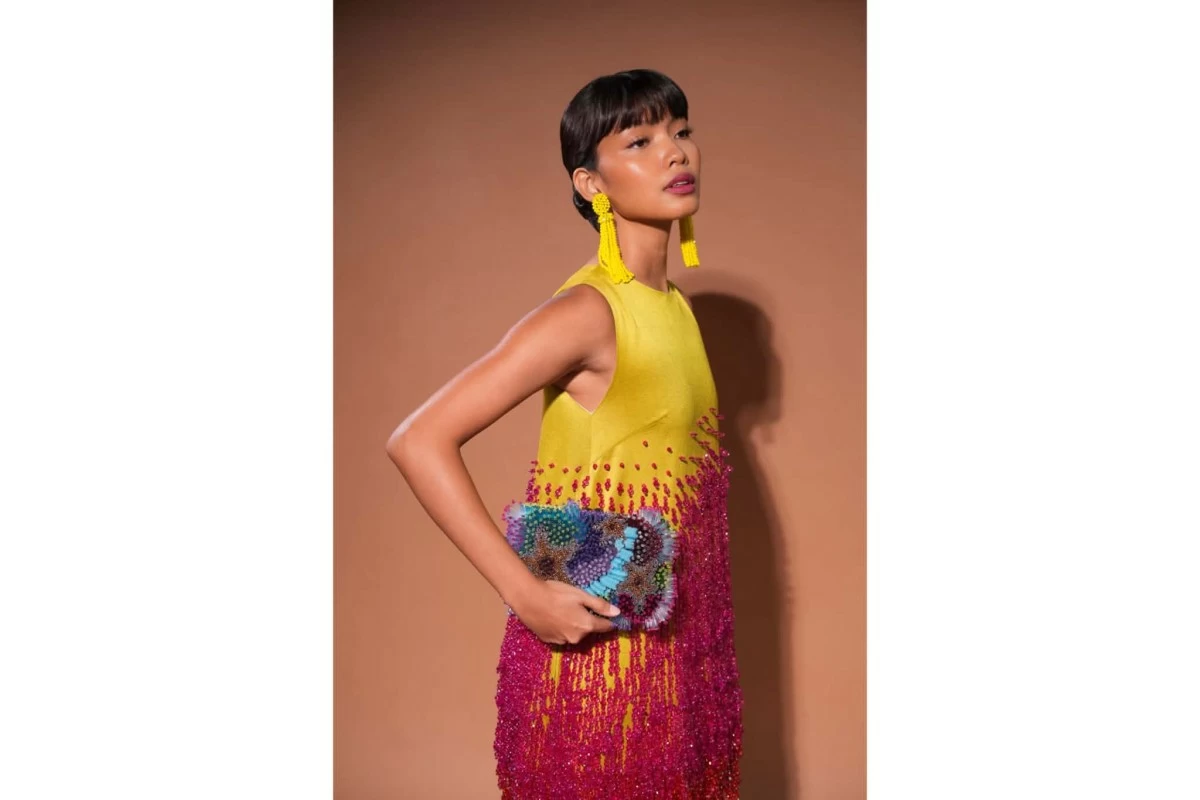
Ken Samudio
Kultura Atelier’s fashion show celebrated the evolution of local fashion which was evident in every piece of clothing presented: from the trendy yet nostalgic embroidery in Daryl Maat’s, refined monochromatic palette of Nuevo Ystilo, edginess in Good Luck, Humans, fusion of nature and hand-beaded designs in Ken Samudio’s, relaxed polished designs from Rodolfo by Puey Quinones, the fresh approach to piña silk by Harold + Harry, softness and sophistication in Jor-el Espina’s creations, bold appliqués of Martin Uy; there was also the touch of sultriness in Philip Rodriguez’s looks, the ethereal aura in Raffaella’s Maria Clara, modernity intertwining with tradition in EN Barong Filipino’s, and whimsical glam of Little Miss Lacey’s flower girl styles. This lineup of wedding entourage fashion is a walk of culture and time, providing Filipinos with a well-curated catalogue to weave their own heritage into their special day.
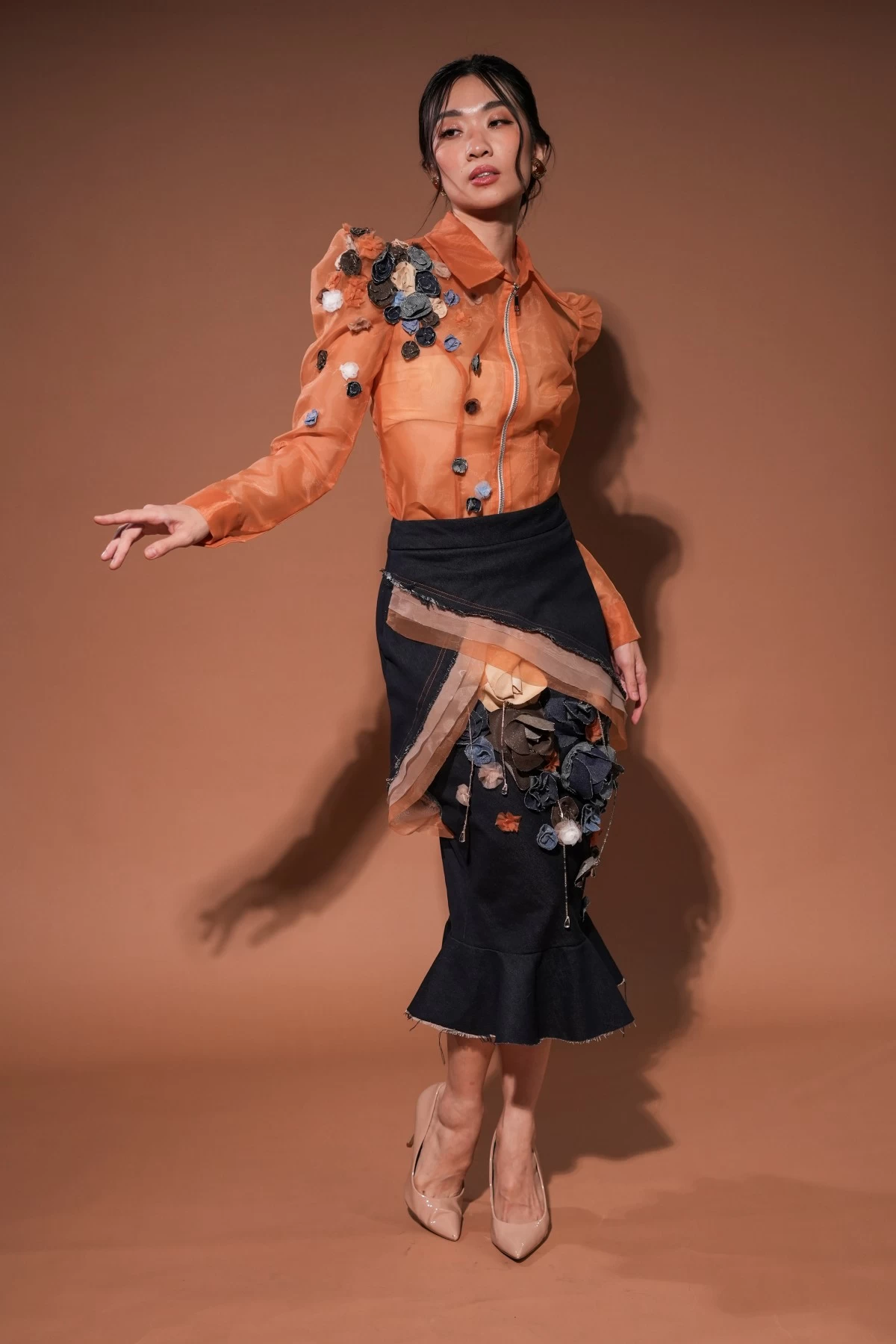
Martin Uy
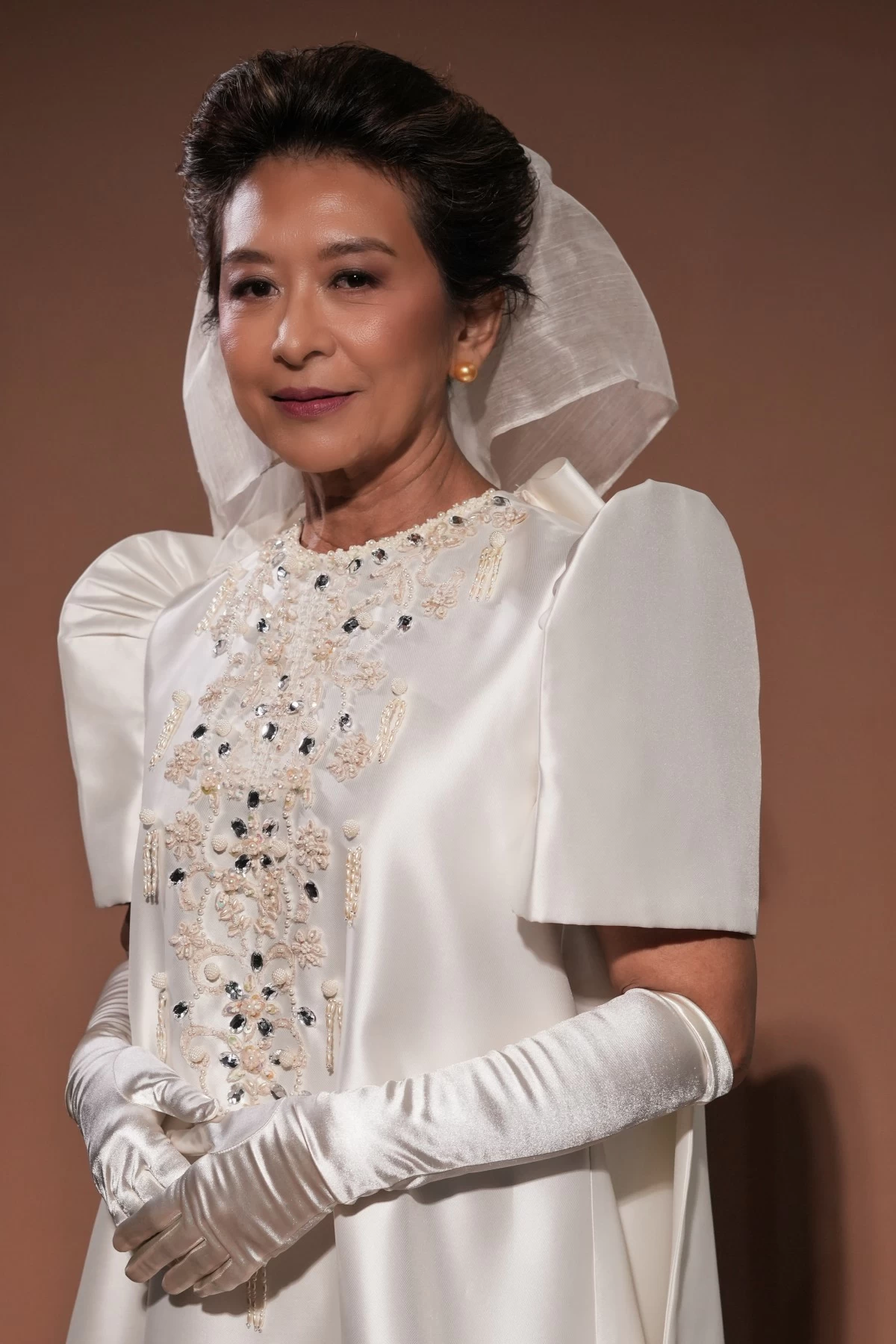
Raffaella
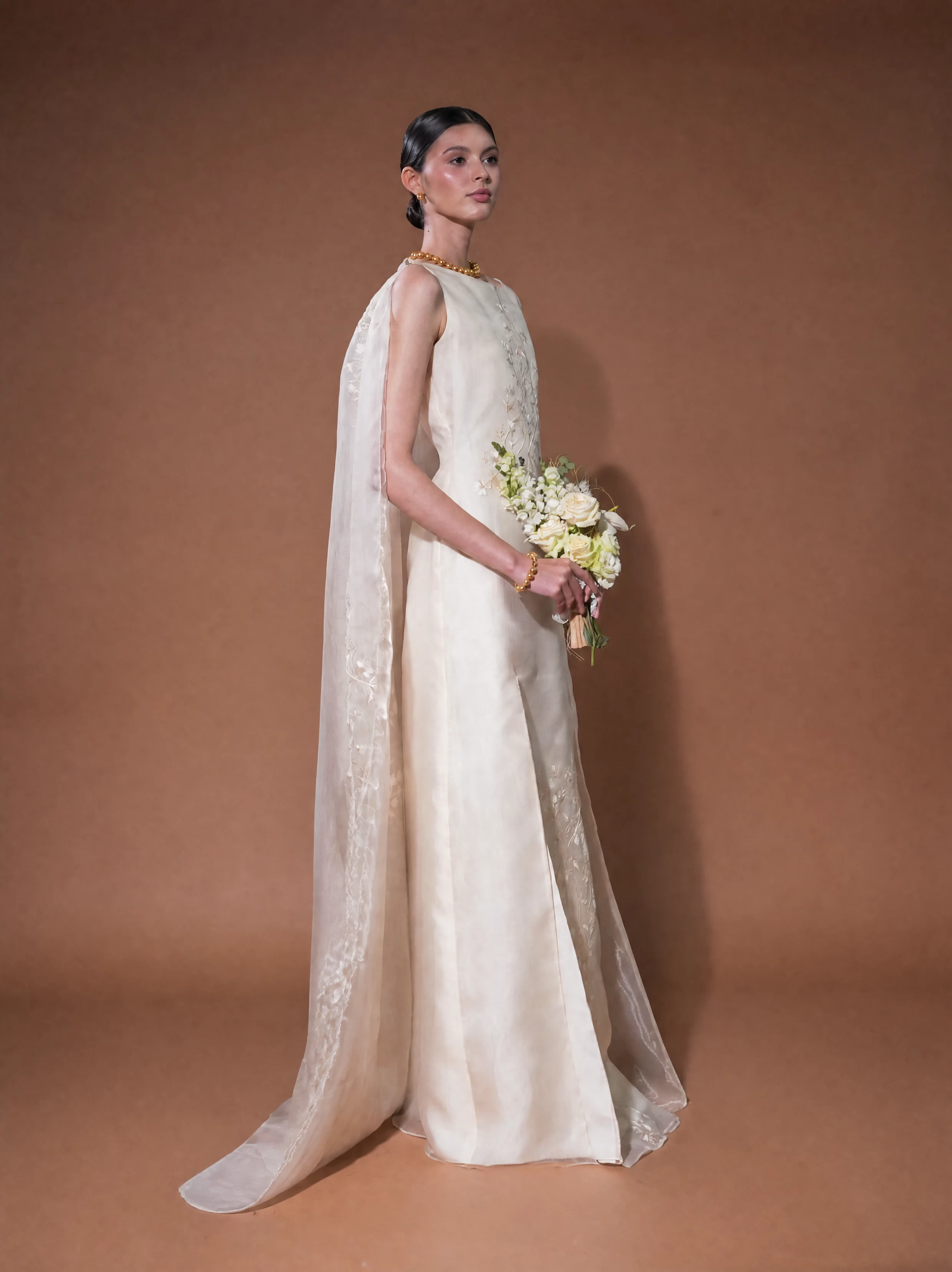
Nuevo Ystilo
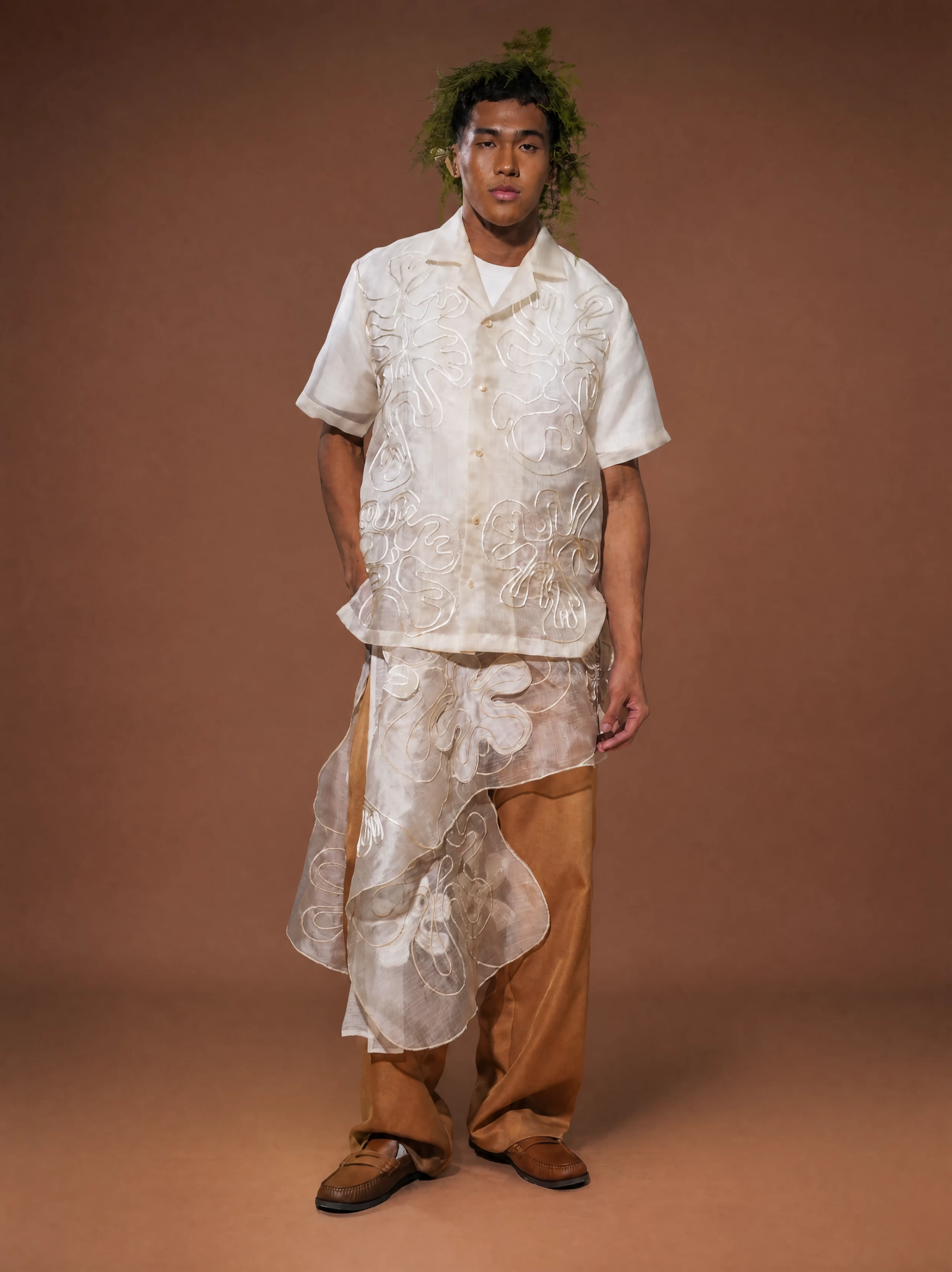
Harold + Harry
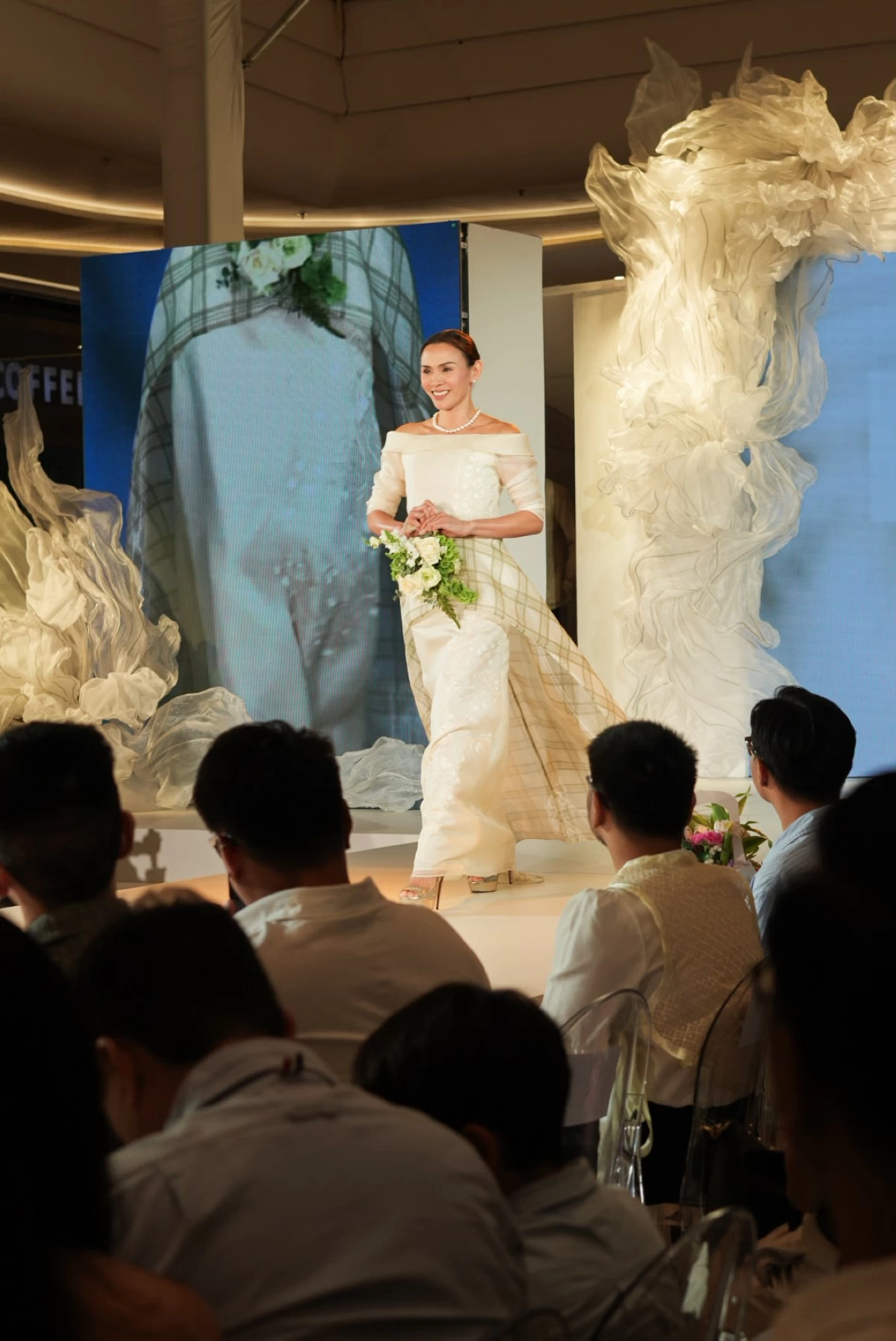
Nuevo Ystillo
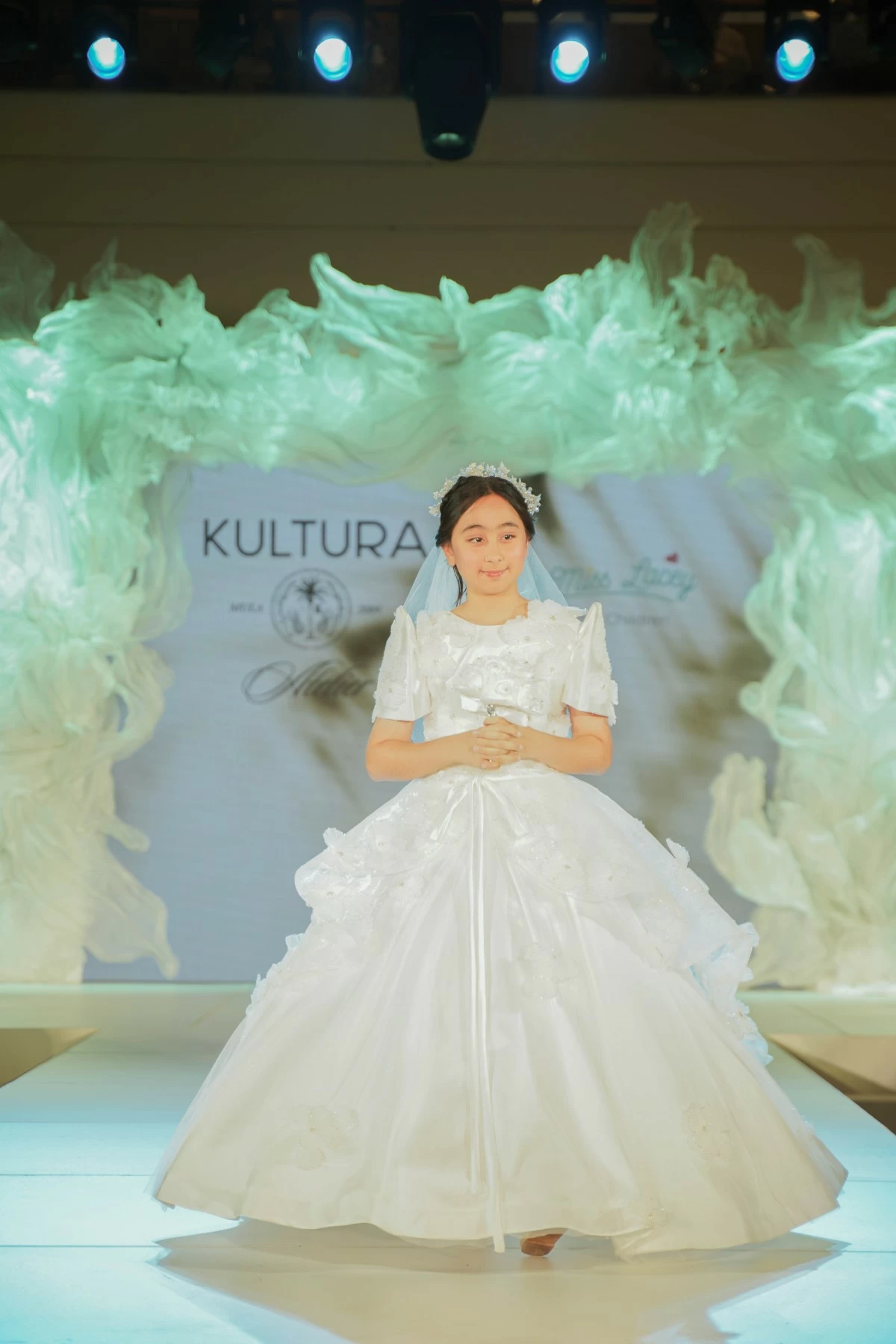
Little Miss Lacey
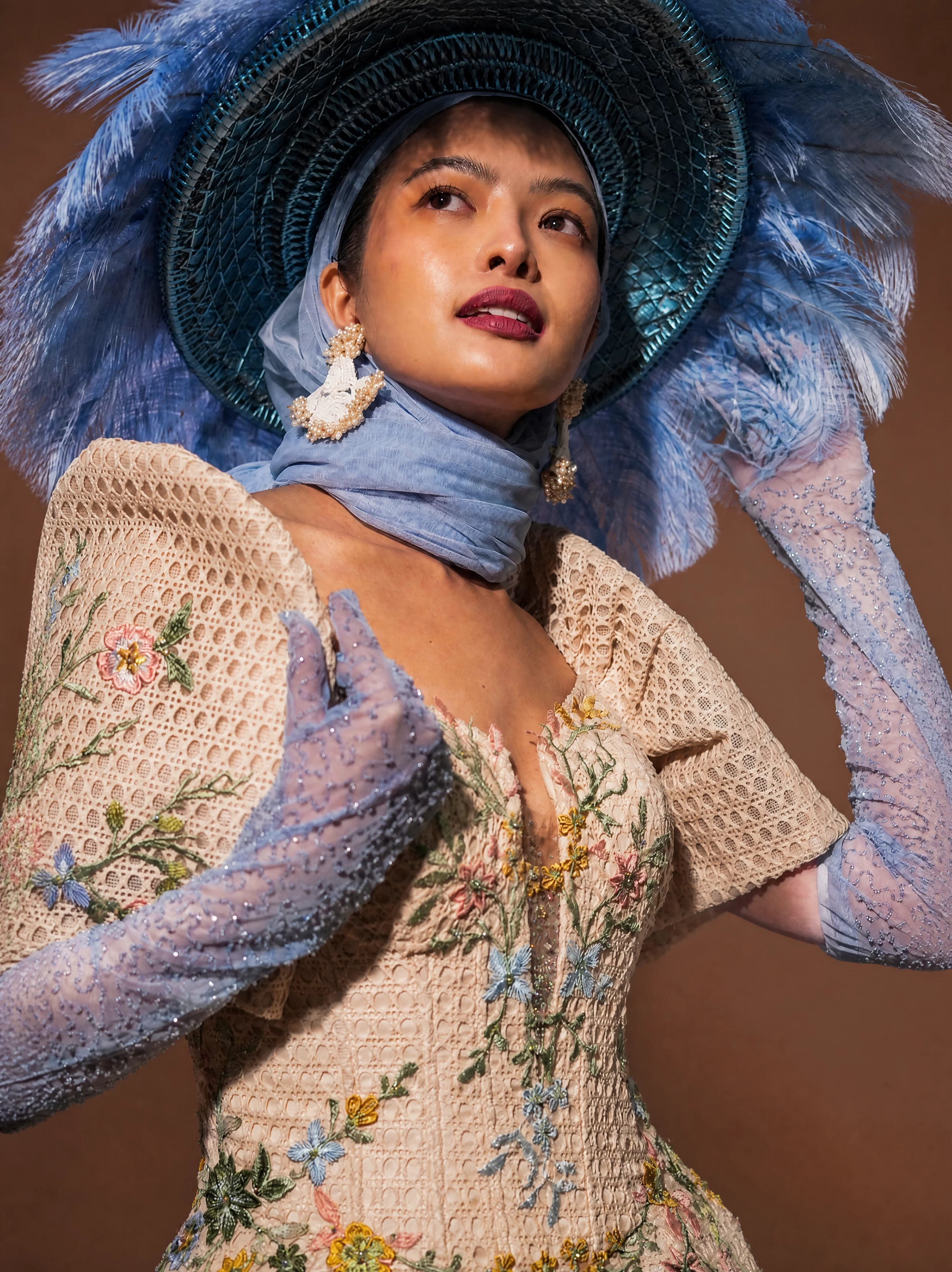
Isla
Beyond clothing, the show featured stunning South Sea pearl jewelry by Aurea, fanciful bags by Zarah Juan, and striking accessories from FAM Ph (Fashion Accessory Makers of the Philippines).
Vows of purpose
Kultura’s in-house brands and designers don’t just focus on their creativity; they provide livelihood to local communities that help bring their visions to life. From weavers and embroiderers who execute their designs, to local farmers who grow raw materials that brands use as textiles, to wives of prisoners who have learned the art of beadwork, designers of Kultura pave the way for local artistry to be recognized nationwide while supporting the well-being of artisans behind their work
Daryl Maat gathers his textiles from the provinces of Abra, Ilocos Sur, and Zamboanga. EN Barong Filipino and Raffaella use pinya (pineapple) fiber sourced from Aklan and Antique. Their brands and designers create a space for economic growth in these provinces.
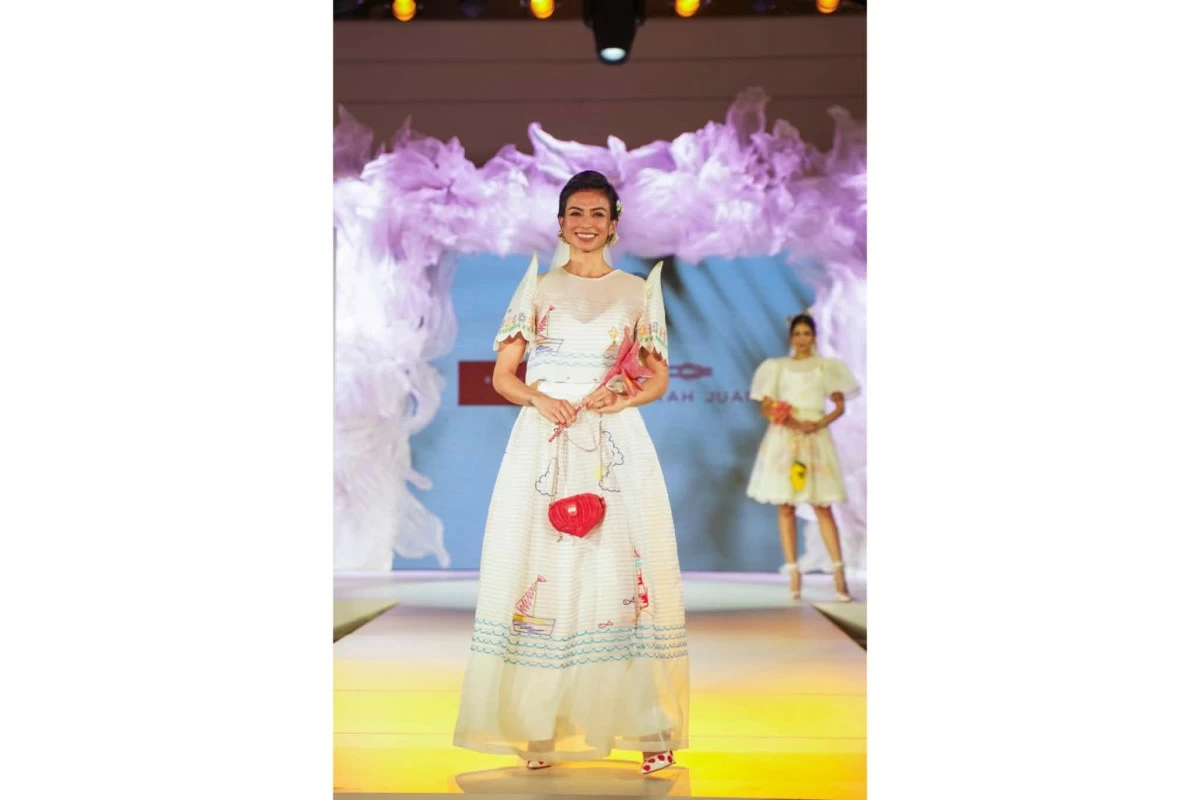
Daryl Maat
Jor-el Espina hires artisan weavers from Aklan and embroiderers from Laguna. Little Miss Lacey works with sewers from Cavite. Ken Samudio co-creates with disadvantaged women from Muntinlupa, some of whom are single moms, wives, or partners of inmates, and teaches them beadwork.
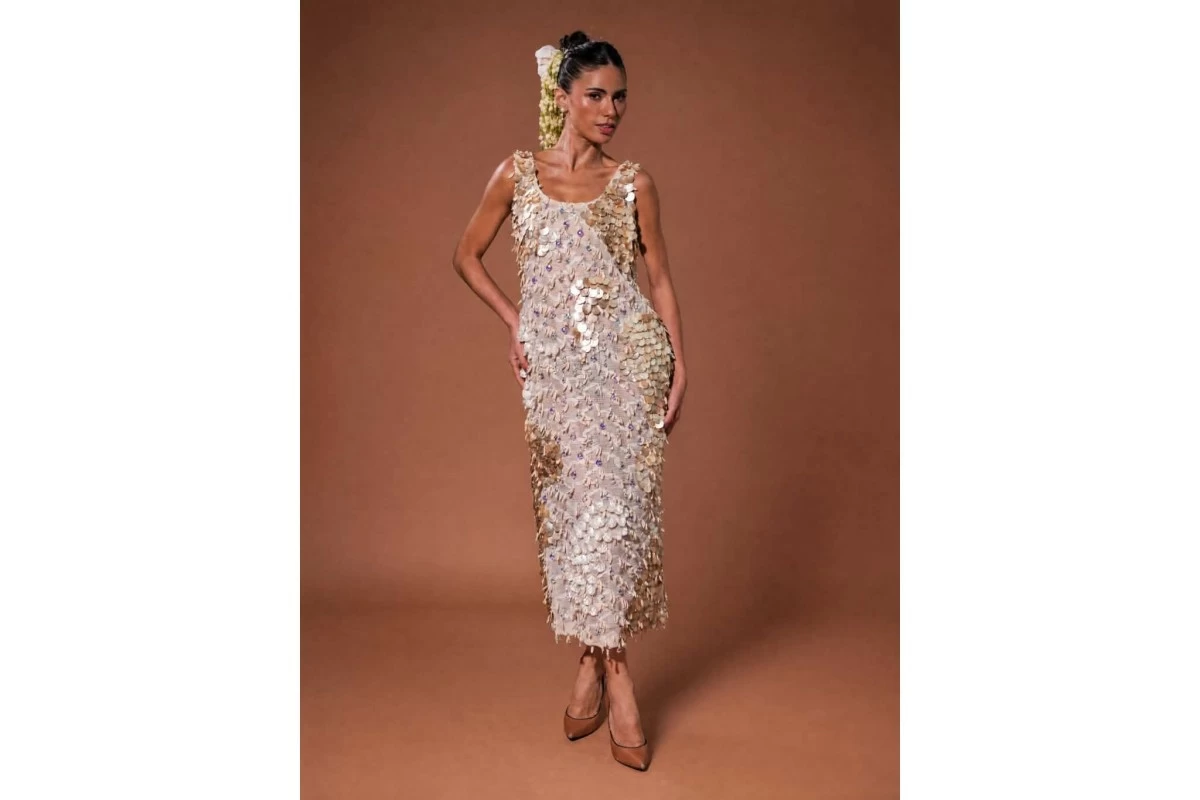
Jor-el Espina
Working with over 300 artisans across many provinces, from the Bagobo Tagabawa of Mindanao to the weavers of Abra, Zarah Juan grows her brand with these communities. Oel Designs supports leather workers from Marikina and works with mothers, out-of-school youth, and part-time students to aid in their financial needs. Palawan Pearls allies with local pearl farmers and assembles their pieces with the LGBTQIA+ in their community.
Celebrations are always beautiful, but what makes them more meaningful is the blend of the past, present, and future. Kultura Atelier pays tribute to classic and modern Filipino fashion, infusing heritage craftsmanship into contemporary wedding essentials, while honoring local artisans and the rich traditions behind every Filipino wedding.