






Manila Bulletin
 Environment and Sustainability
Kenya's climate lessons for the Philippines' El Niño fight
Environment and Sustainability
Kenya's climate lessons for the Philippines' El Niño fight
Environment and Sustainability
Kenya's climate lessons for the Philippines' El Niño fight
Kenya's climate lessons for the Philippines' El Niño fight
Published Jul 3, 2026 08:11 am


We often think of the Philippines through the lens of water. We prepare for stronger typhoons, rising seas, and devastating floods. Drought has always been part of the conversation—especially during El Niño years—but it has rarely occupied the same place in our national consciousness.
That may soon have to change.
The prospect of a strong El Niño in 2026 comes at a time when communities are already facing the combined pressures of climate change, rising food prices, and growing uncertainty over water and agriculture. Longer and more intense dry spells are no longer isolated events. They are becoming increasingly common. They are becoming part of a new climate reality that even tropical countries like ours must prepare for.
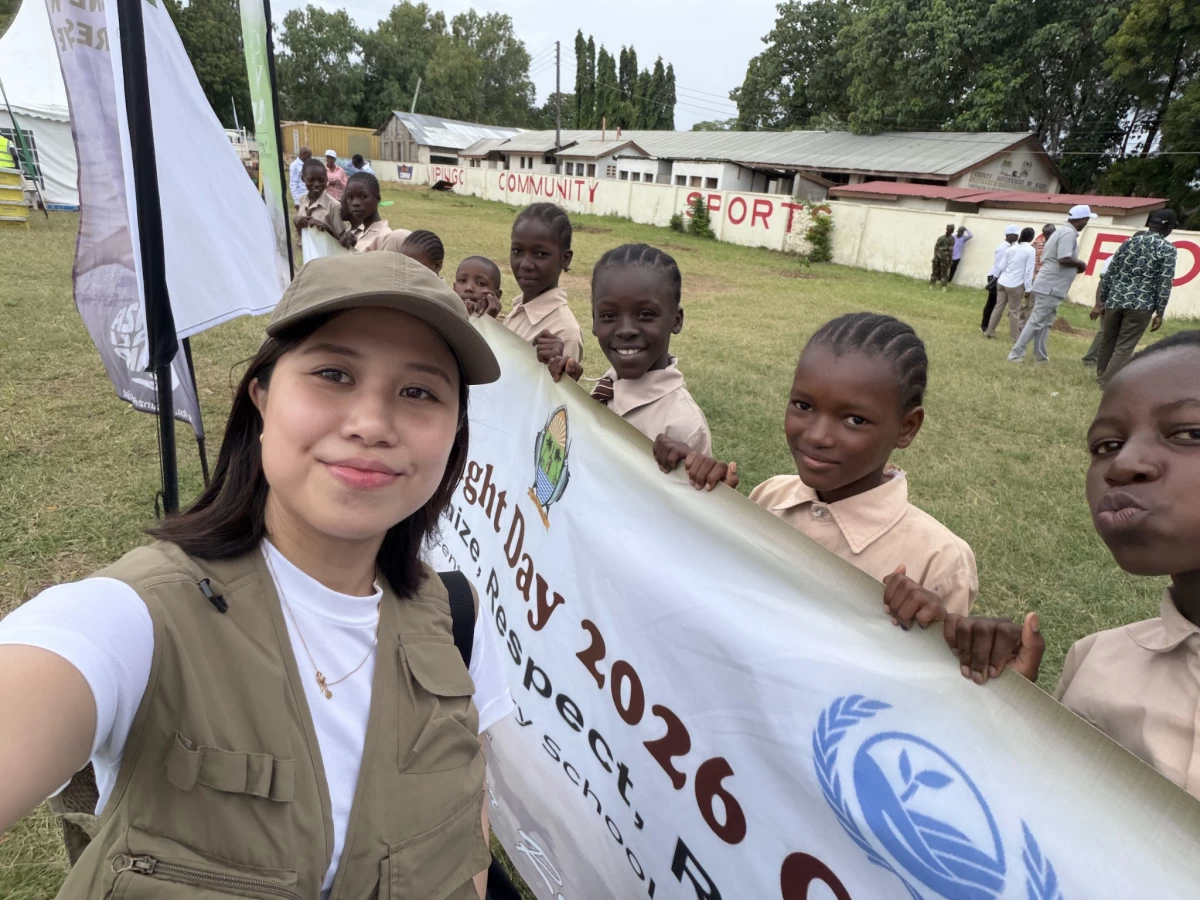
Government leaders, scientists, students, youth representatives, and local communities gather in Kilifi County, Kenya, during the global observance of Desertification and Drought Day (UNCD).
It was against this backdrop that I accepted the invitation of the United Nations Convention to Combat Desertification (UNCCD) to join this year's global observance of Desertification and Drought Day in Kilifi County, Kenya. I expected to learn more about drylands and desertification. Instead, I came home thinking differently about drought—and about how much the Philippines can learn from countries that have lived with it for generations.
Held in Kilifi County under the theme "Rangelands: Recognize. Respect. Restore.", the celebration brought together government leaders, scientists, pastoralists, students, youth leaders, and local communities. Kenya's drylands and rangelands cover nearly 80 percent of the country's land area and support millions of people through pastoralism, livestock production, and related livelihoods. It quickly became clear that rangelands are not simply open spaces—they are working landscapes that sustain both nature and people.
But what exactly are rangelands?
Rangelands are natural or semi-natural landscapes dominated by grasses, shrubs, and scattered trees that support wildlife, grazing animals, and the communities that depend on them. Savannas are perhaps the world's best-known rangelands, but they are not the only ones. The more I listened, the more I realized that the Philippines has its own versions: the grasslands of Mindoro that provide habitat for the critically endangered tamaraw, grazing lands in Masbate and Bukidnon, and open landscapes in Batanes. The ecosystems may look very different from our forests, but they also deserve thoughtful stewardship. Not every open landscape is simply a forest waiting to happen.
One of my favorite conversations during the event was at the booth of Kenya's National Drought Management Authority. The representative explained that Kenya prepares for drought continuously. Preparation begins long before reservoirs run dry or crops fail.
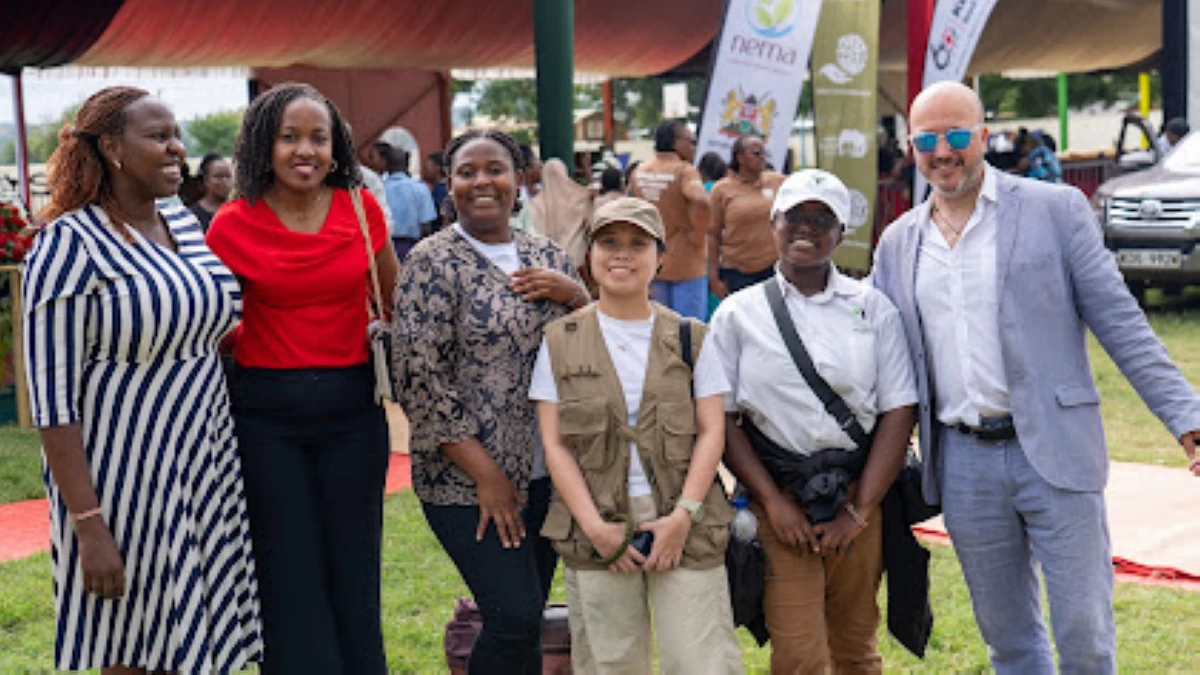
Young land restoration advocates participate in the observance of the Desertification and Drought Day.
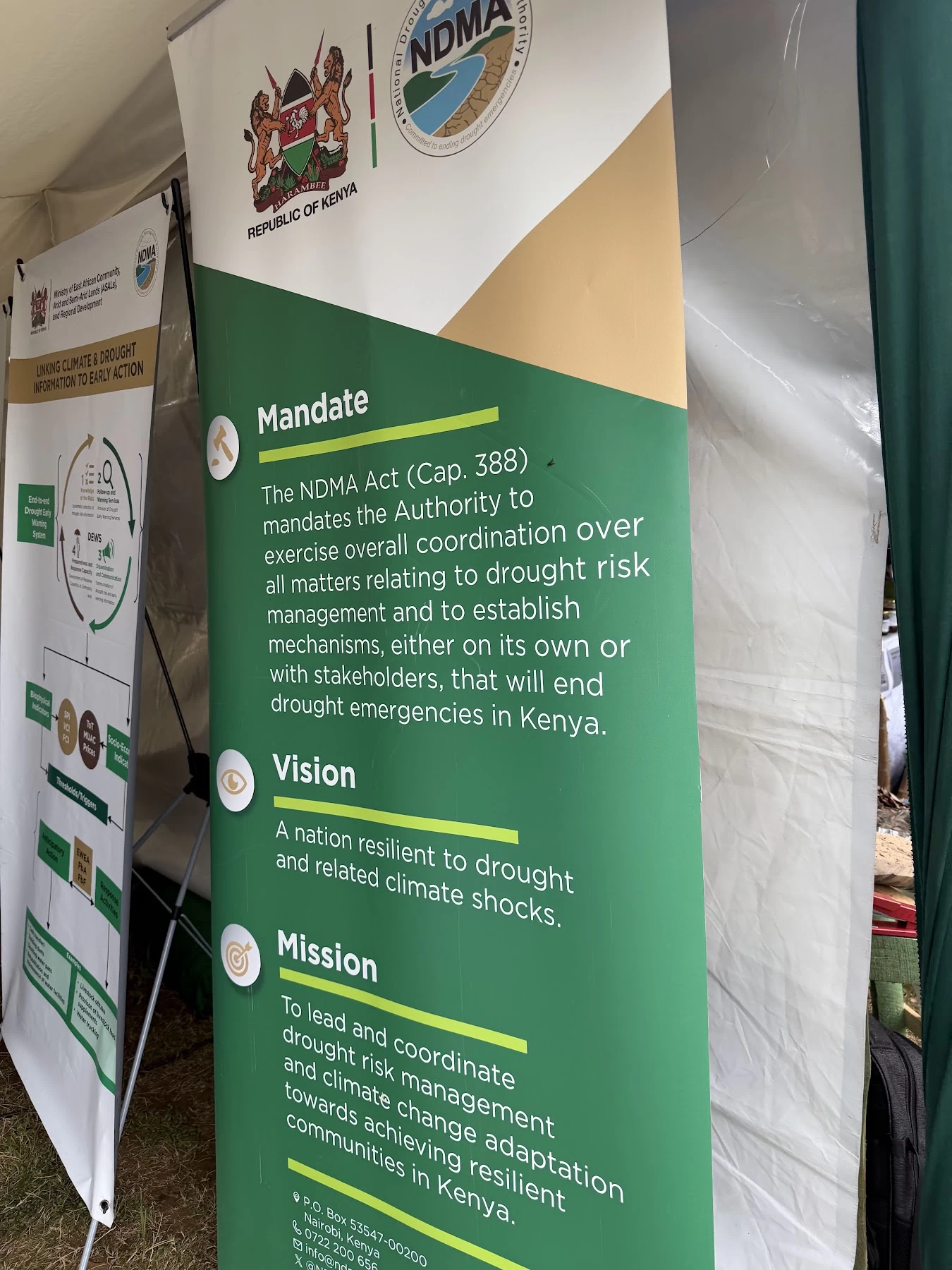
Officials demonstrate Kenya’s drought management strategies.
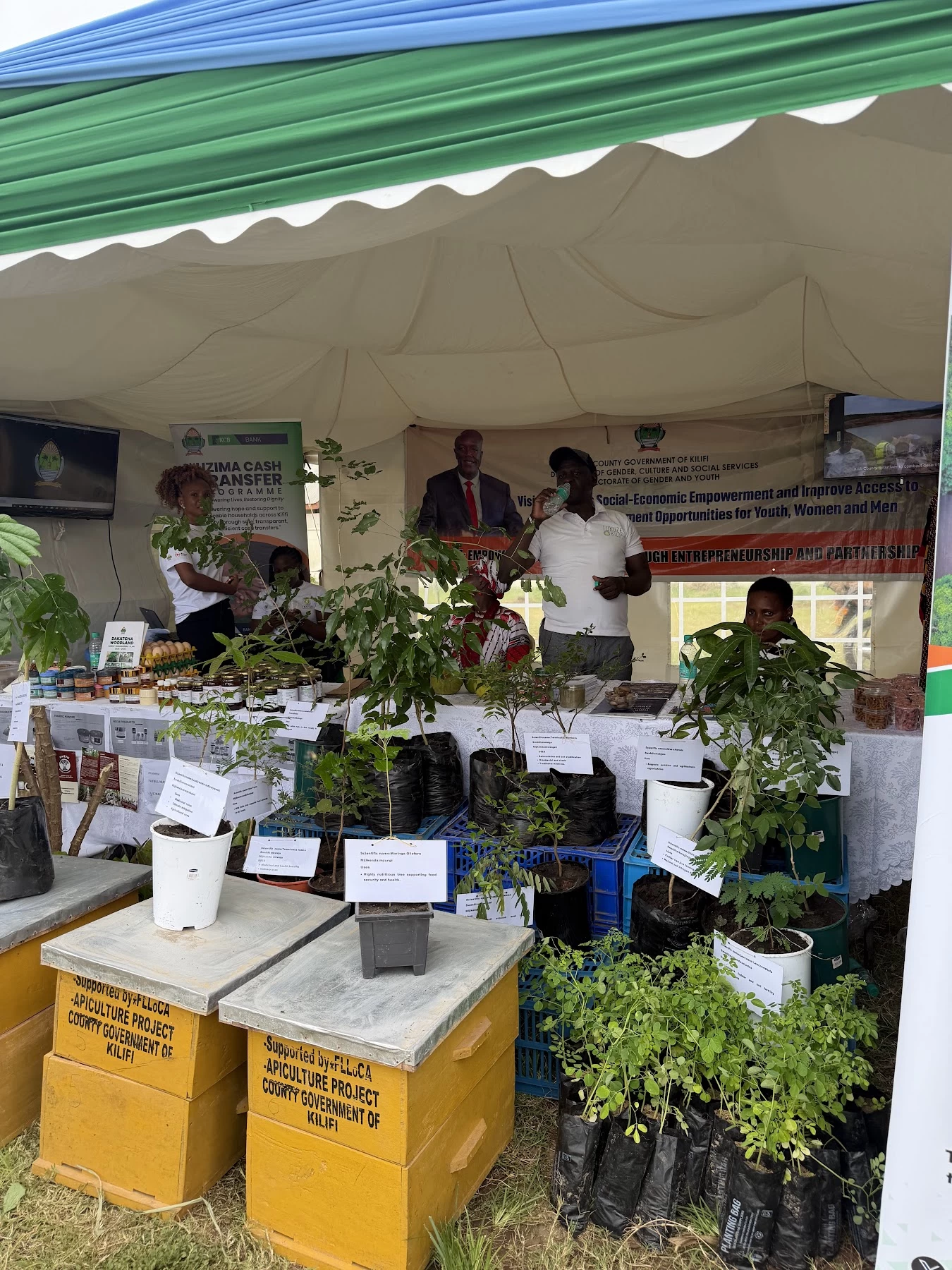
Officials demonstrate Kenya’s drought management strategies.
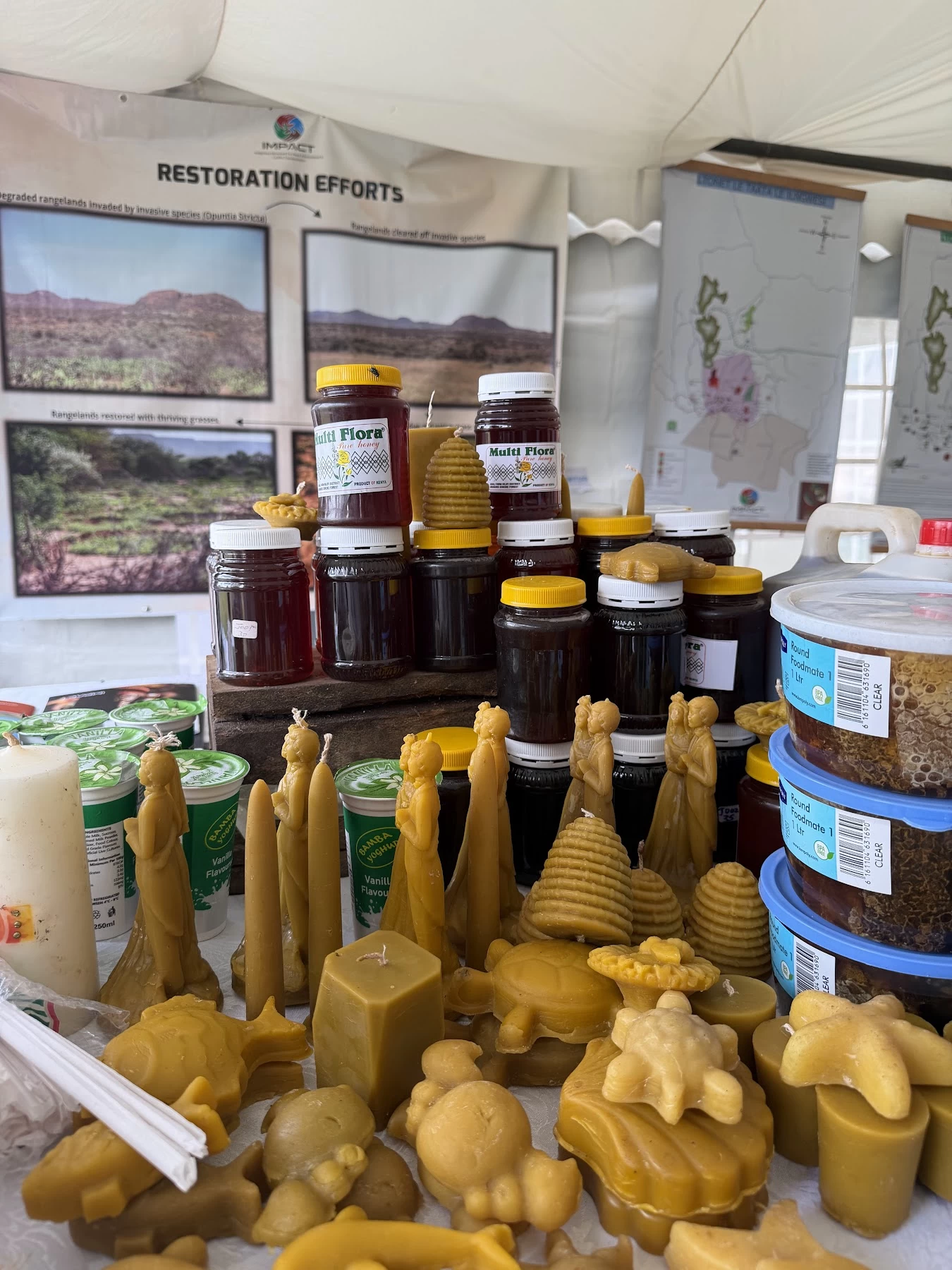
Officials demonstrate Kenya’s drought management strategies.
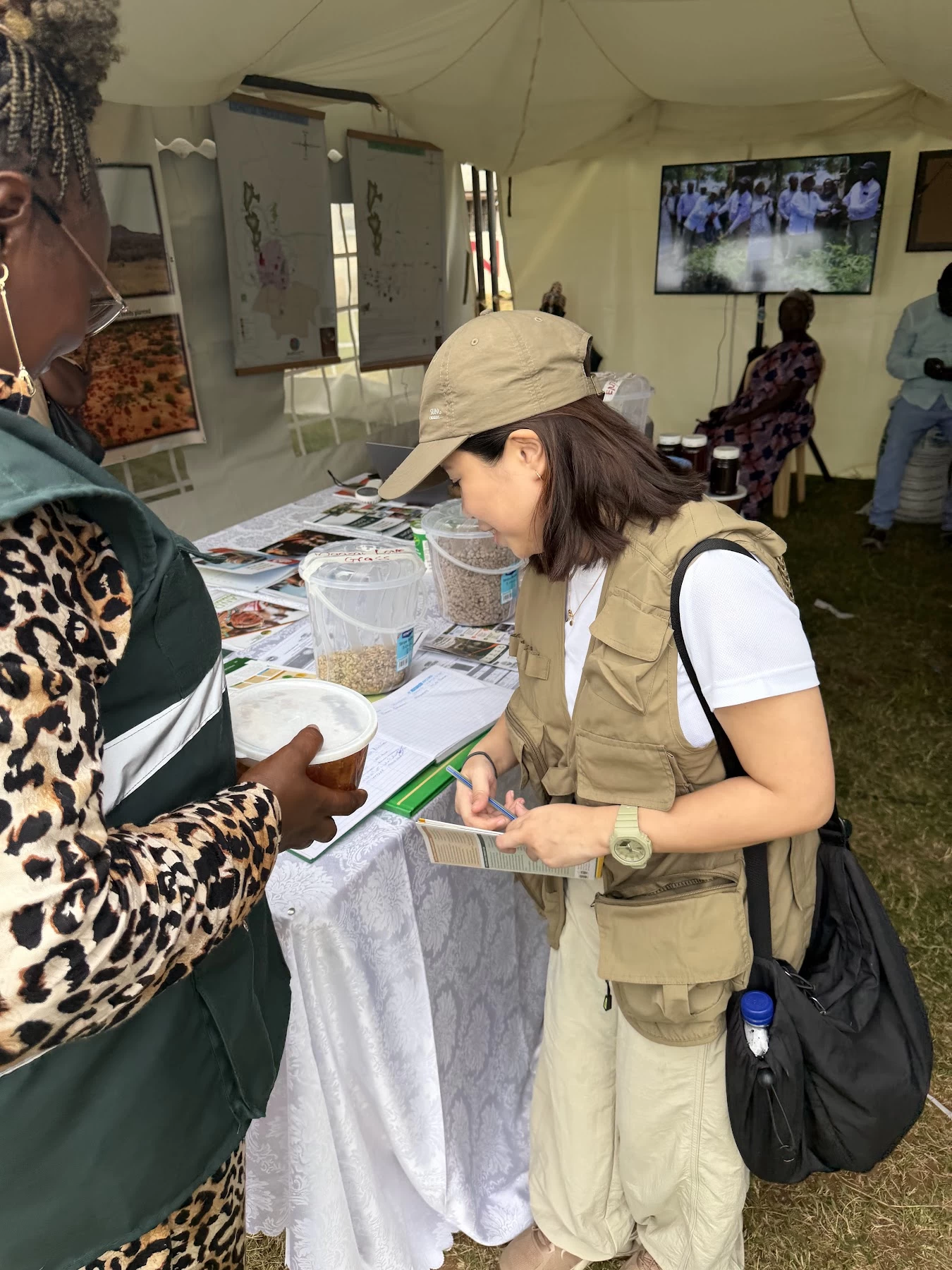
Officials demonstrate Kenya’s drought management strategies.
Among the measures they highlighted were monitoring rainfall and vegetation conditions, issuing early warning advisories, promoting drought-tolerant crops, conserving water resources, storing livestock feed during good seasons, and helping farmers and local communities adapt before livelihoods are threatened. Rather than reacting to disaster, the goal is to reduce its impact before it unfolds.
It was a simple conversation, but it stayed with me.
In the Philippines, we often mobilize when disasters strike. Yet drought develops differently. It arrives quietly. Rivers recede gradually. Crops weaken over months. Food prices begin to rise before many people notice what is happening. By the time the effects are obvious, families and farmers may already be struggling.
Perhaps this is why this year's observance resonated so strongly.
For many years, conversations about drought and desertification were seen largely through an African lens. Today, climate change is erasing those distinctions. Even tropical countries like the Philippines must now confront longer dry spells, increasing water stress, and the challenge of protecting both livelihoods and ecosystems from a changing climate.
The Philippines may never have Africa's vast savannas or pastoral traditions. But we can certainly learn from countries that have spent decades building resilience. Sometimes the greatest value of traveling halfway around the world is not discovering how different another country is—it is discovering how relevant its experience has become to our own.
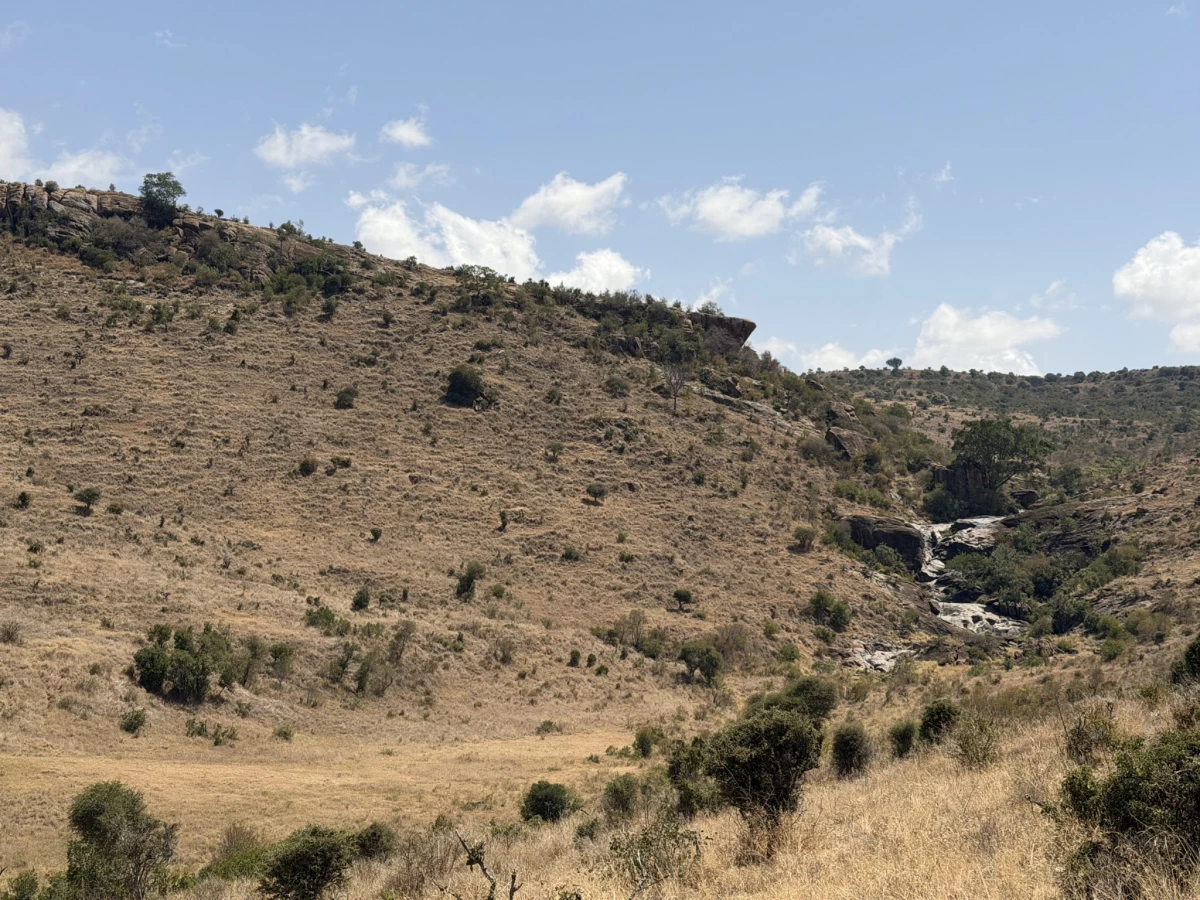
Africa's iconic savannas support wildlife, livestock, and conservation-based economies that sustain local communities.