







China proposes common fishing area in Bajo de Masinloc
Published Jul 3, 2026 04:19 pm


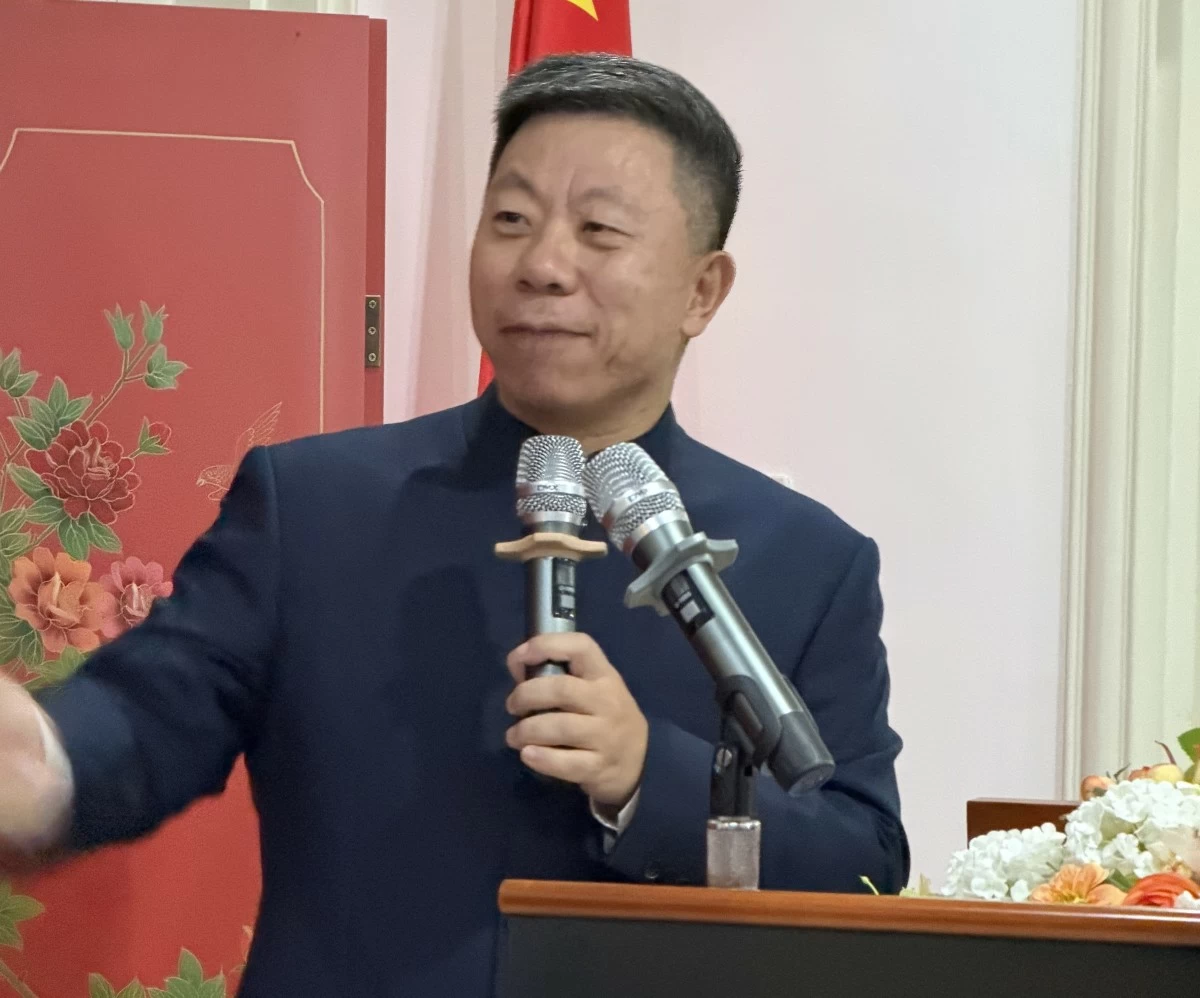
Ambassador Jing Quan of the People's Republic of China
China’s Ambassador to the Philippines Jing Quan has submitted a proposal to the Department of Foreign Affairs (DFA) to replicate a successful common fishing area from 10 years ago in the Scarborough Shoal, also known as Panatag Shoal or Bajo de Masinloc, to help ease the growing tension in the contested waters.
Speaking at the 105th founding anniversary of the Communist Party of China (CPC) at his residence in Makati City, Ambassador Jing suggested that the Philippines and China can also expand cooperation on joint oil and gas development in the disputed waters, alongside investments in agriculture, solar energy, waste-to-energy projects, and electric vehicles.
“We recently submitted a proposal to the DFA to replicate a successful model from ten years ago: establishing a common fishing area. Back then, fishermen from both sides fished together peacefully. If it was possible ten years ago, why not now?” he said,
The common fishing area shared between China and the Philippines was Scarborough Shoal, a resource-rich coral atoll located about 120 nautical miles off the coast of Zambales which served as a traditional fishing ground for Filipino and Chinese fishermen.
“The 105-year journey of the Communist Party of China offers a clear lesson: we must stand on the right side of history,” he stressed.
He said that a healthy and stable relationship between China and the Philippines serves the fundamental interests of both nations.
“We should manage our differences through dialogue, speak out against false narratives and malicious smears, and work together to ensure that China-Philippines relations move toward stability rather than confrontation, bringing our two peoples closer together rather than driving them apart,” the ambassador said.
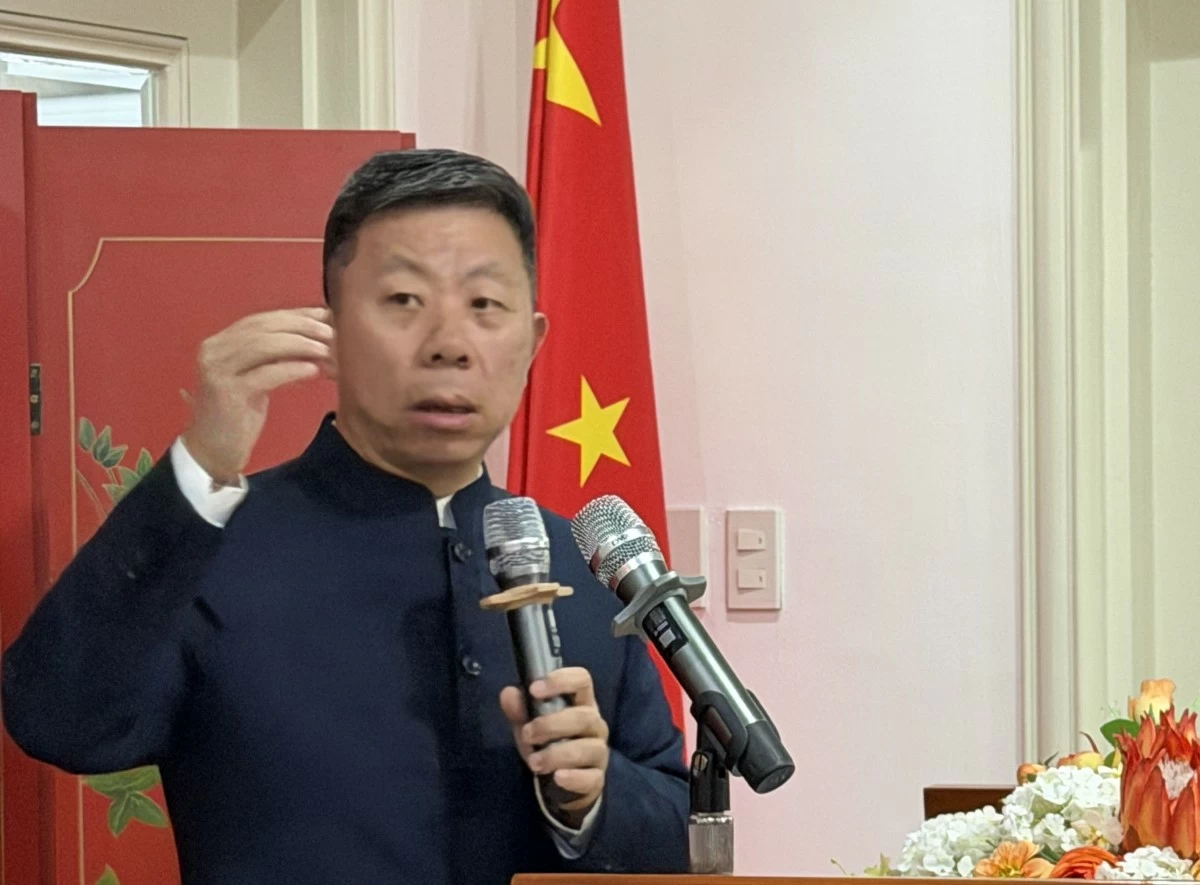
Ambassador Jing Quan of the People's Republic of China
“I have been here for just six months and we have been trying our best to stabilize our bilateral relations and bring them back to the normal track. When we say normal track, it does not mean we do not have differences. We have. It is completely natural for countries to have differences. But we should sit down, face to face, and talk with each other. When we meet in person, emotions calm down. We stop assuming the worst intentions or thinking ‘the other side is plotting against me, so I must prepare for the worst.’ The best path is to communicate, visit each other, and sit down together,” Ambassador Jing said.
He said that through the joint efforts of the Philippine and Chinese governments during the last six months, political dialogue resumed and at least four rounds of consultations were held.
Earlier this week, a ministerial and bureau-level delegation from China’s Foreign
Ministry arrived in Manila to map out a diplomatic roadmap.
“This sends a strong signal that it is time to talk, and it is time to meet each other,” Jing said.
Beyond politics, Jing said people-to-people exchanges are increasing dramatically. From January to May, the total number of Chinese tourists visiting the Philippines increased by 63% compared to last year, while Filipino visitors to China increased by at least 20%.
“When people visit each other, they see the reality for themselves. They are not easily swayed by fake stories or confrontational social media reports; they form their own perspectives using their own ears and eyes. They realize how friendly the other side is and see that there is no reason for two neighbors to engage in conflict or harbor hatred. There are a thousand reasons for us to cooperate, and not a single reason for us to hate each other,” he stressed.
Jing said China and the Philippines share a history of over 1,000 years of exchanges and 51 years of formal diplomatic relations.
“China has been the Philippines' largest trading partner for ten consecutive years. We are not just a major source of imports, but a true partner in development. There are so many mutually beneficial projects we can pursue,” he added.
The ambassador said the Communist Party of China operates on two core principles – serving the people wholeheartedly and maintaining peace and stability.
“We should feel incredibly fortunate to live in a region free from active war. We must cherish this peace, focus on trade, and help our people thrive,” he said.