






Manila Bulletin
 Lifestyle
Parenting
A child's favorite toys, colors, or hobbies do not define who they will become
Lifestyle
Parenting
A child's favorite toys, colors, or hobbies do not define who they will become
Lifestyle
Parenting
A child's favorite toys, colors, or hobbies do not define who they will become
A child's favorite toys, colors, or hobbies do not define who they will become
A child specialist explains why parents should make room for curiosity instead of assumptions
Published Jul 3, 2026 10:52 am


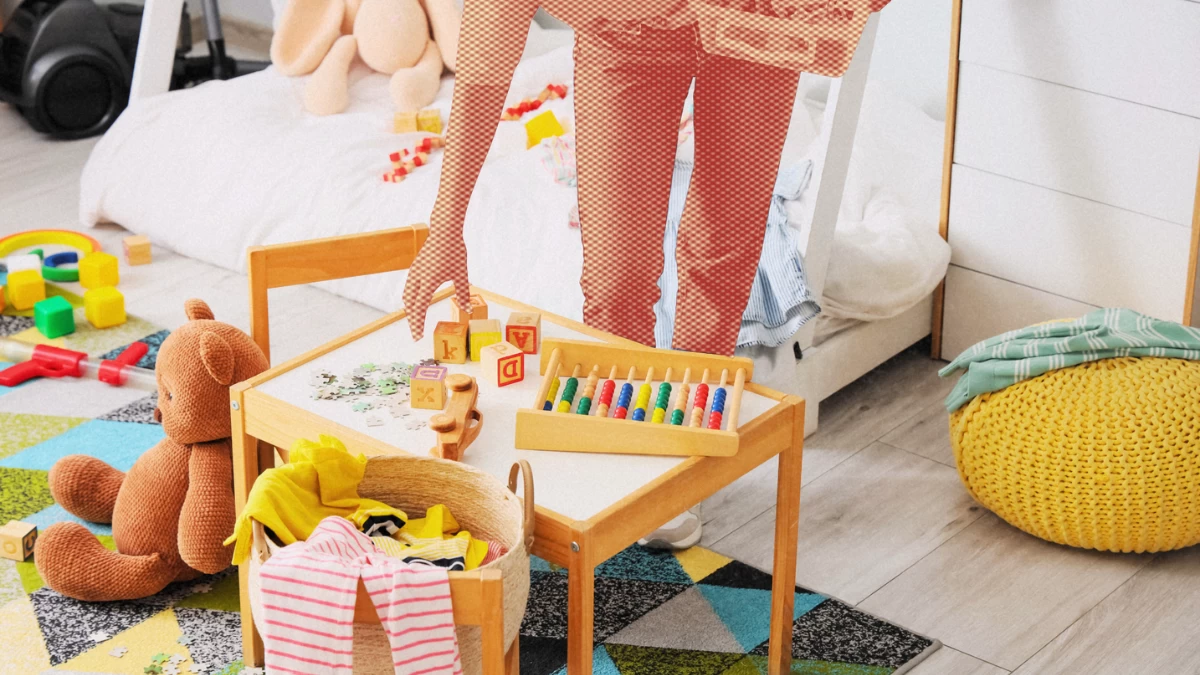
(Artwork: Nancy Marie Andam)
A little boy reaches for a doll instead of a toy truck. A young girl asks to join a basketball team instead of ballet lessons. A child insists that pink is their favorite color.
For some parents, these simple preferences can raise questions. Does a love for dolls, dresses, or the color pink say something about a child's future? According to Philip Manuelson D. Arandia, a registered guidance counselor (RGC), certified life coach (CLC), mental health counselor, and child specialist, childhood interests should not be mistaken for predictions about a child's identity or future. "As parents, we naturally want to understand our children, but understanding begins with giving them the freedom to explore."
Curiosity comes naturally
Even before children can explain what they like, they are already developing preferences. As they grow, those interests are shaped by temperament, family, peers, culture, and social media.
"This tells us that preferences and interests are a complex interaction of biology (temperament), immediate context (parent modeling), social relationships (peers) and bigger contexts (culture and social media trends)."
That is why a child's interests are simply one part of learning about the world. "Exploration is considered a healthy part of identity formation. It is natural for children to be curious about the world. And they can test or experiment with different roles and activities to better understand themselves, other people and their environment."
Philip adds that many of the meanings adults attach to toys, colors, and hobbies are learned rather than inherent. "The meaning of toys, colors, hobbies, or activities are usually gender-neutral. It is the culture and family that reinforce gendered meaning and expectations to these."

Philip Manuelson D. Arandia
Interests are not identity
One of the biggest misconceptions parents have is assuming that a child's interests reveal their future sexual orientation. He says research does not support that belief. "A child's interests or preferences in toys, colors, or activities does not indicate their future identity or sexual orientation."
He explains that identity develops through many influences over time, including personality, environment, experiences, culture, and relationships. "Typically, sexual orientation becomes clearer in adolescence or adulthood, not childhood. A child's choice of play or interest reflects the expression of their individuality at the moment, not their attraction."
Although some studies have explored connections between childhood gender-nonconforming behavior and later gender identity, he stresses that these findings do not determine a child's future identity. "The assumption of a child's future identity based on their choice of play and interest brings stigma and may cause emotional harm to a child."
The hidden cost of labels
Labels from family members, classmates, or even well-meaning adults can influence how children see themselves. "Labeling children too early can bring shame, self-stigma, guilt and emotional harm."
He emphasizes that children thrive when they feel emotionally safe. "Psychological safety is a prerequisite for curiosity, self-awareness, and self-expression. Labeling does the opposite. It limits and undermines the child's worth and creates unreasonable standards and expectations on behaviors which the child may not be able to meet."
Listening before reacting
When children share something vulnerable, parents should pay attention not only to what they say but also how they say it. "Our verbal and nonverbal responses at the time of sharing matter. More than providing solutions to the child (unless they ask), being there for him or her and listening without judgment is more important."
One of the greatest gifts parents can give their children is the freedom to discover who they are without the pressure of expectations. Sometimes, a favorite color is simply a favorite color, and a doll or a toy truck is simply another way to imagine, create, and grow.