






Manila Bulletin
 Philippines
National
Raffy Tulfo cites rising bird strike incidents, underused airports in push for aviation changes
Philippines
National
Raffy Tulfo cites rising bird strike incidents, underused airports in push for aviation changes
Philippines
National
Raffy Tulfo cites rising bird strike incidents, underused airports in push for aviation changes
Raffy Tulfo cites rising bird strike incidents, underused airports in push for aviation changes
By Dhel Nazario
Published Jul 2, 2026 02:44 pm


Senator Raffy Tulfo called for immediate reforms to the country's aviation safety policies and airport development strategy, citing the growing number of bird strike incidents and continued government spending on airports that remain without commercial operations.
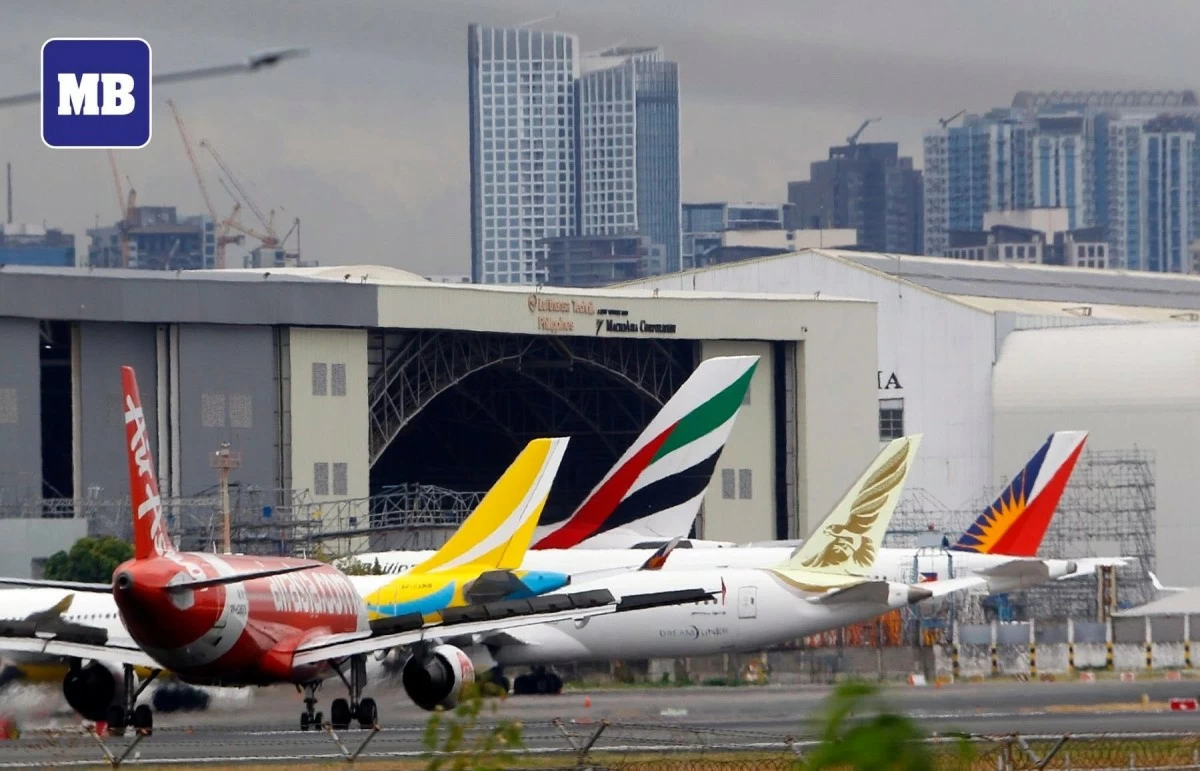
Airplanes line the runway at Ninoy Aquino International Airport (NAIA) (Mark Balmores)
During the hearing of the Senate Committee on Public Services on Thursday, July 2, Tulfo said the steady rise in bird strikes highlights the need for stronger preventive measures.
“The Philippines recorded 953 bird strikes in 2025, and 250 more in just the first half of 2026. This is not about expecting the worst. It’s about preparing for what we already know is possible,” he said.
Tulfo pointed to the situation at the Ninoy Aquino International Airport (NAIA), where 51 bird strike incidents have already been recorded this year, attributing the issue to the airport's proximity to a nearby wetland park.
“This is nature. But to save lives, we must be willing to rethink old approaches,” he added.
The senator also questioned the lack of regulations governing pigeon racing activities near airport runways, noting that organizers are currently not required to coordinate with the Civil Aviation Authority of the Philippines (CAAP).
Aside from safety concerns, Tulfo criticized what he described as inefficient government spending on airport infrastructure. He noted that 45 of the country's 87 national airports continue to receive significant budget allocations despite having no commercial flights.
“Mati Airport received ₱100 million in 2024 and ₱700 million in 2026. Catbalogan Airport received ₱250 million and another ₱200 million. Before these airports were built or rehabilitated, was there a sufficient demand and land use assessment? Is there an airline willing to operate?” he asked.
Tulfo stressed that airport investments should be guided by actual transportation needs and economic benefits.
“We should definitely invest in our airports. But airports exist to connect people: to bring families together, support tourism, create jobs, and drive local economies,” he added.
The committee also tackled other transportation-related concerns raised by commuters, including higher port terminal fees, theft incidents aboard passenger vessels, and recent violent attacks involving motorists and ride-hailing drivers.
Meanwhile, Sen. Joseph Victor “JV” Ejercito is seeking the immediate allocation of funds for bird dispersal technologies to safeguard commercial flights, saying persistent bird strikes across major domestic gateways require urgent proactive aviation safety measures.
Ejercito expressed his dismay after aviation officials revealed that the country recorded more than 900 bird strike occurrences in 2025 alone.
“Wow, 900. So almost every day… that's really, of course, is a cause of concern for our aviation industry,” he said during the hearing.
The incidents were heavily concentrated at the Ninoy Aquino International Airport (NAIA) and Davao International Airport due to high flight volumes.
Ejercito questioned the CAAP regarding their current wildlife hazard management equipment. In response, aviation officials stated that they currently rely on manual dispersal methods like lasers, flags, gas cannons, and firecrackers.
As chairperson of the Committee on Finance, Ejercito committed to secure modern, specialized acoustic or sonic bird deterrent systems for vulnerable airports.
“Please let us know as soon as possible, please include that already in your request for your budget this year,” he said.
He urged CAAP and the Department of Transportation (DOTr) to submit a comprehensive cost estimate for the specialized devices before the upcoming 2027 budget defense.