







PhilSec 2026 unites government and industry on National Cyber Resilience
Published Jul 2, 2026 06:15 am
|
Updated Jul 1, 2026 09:20 pm


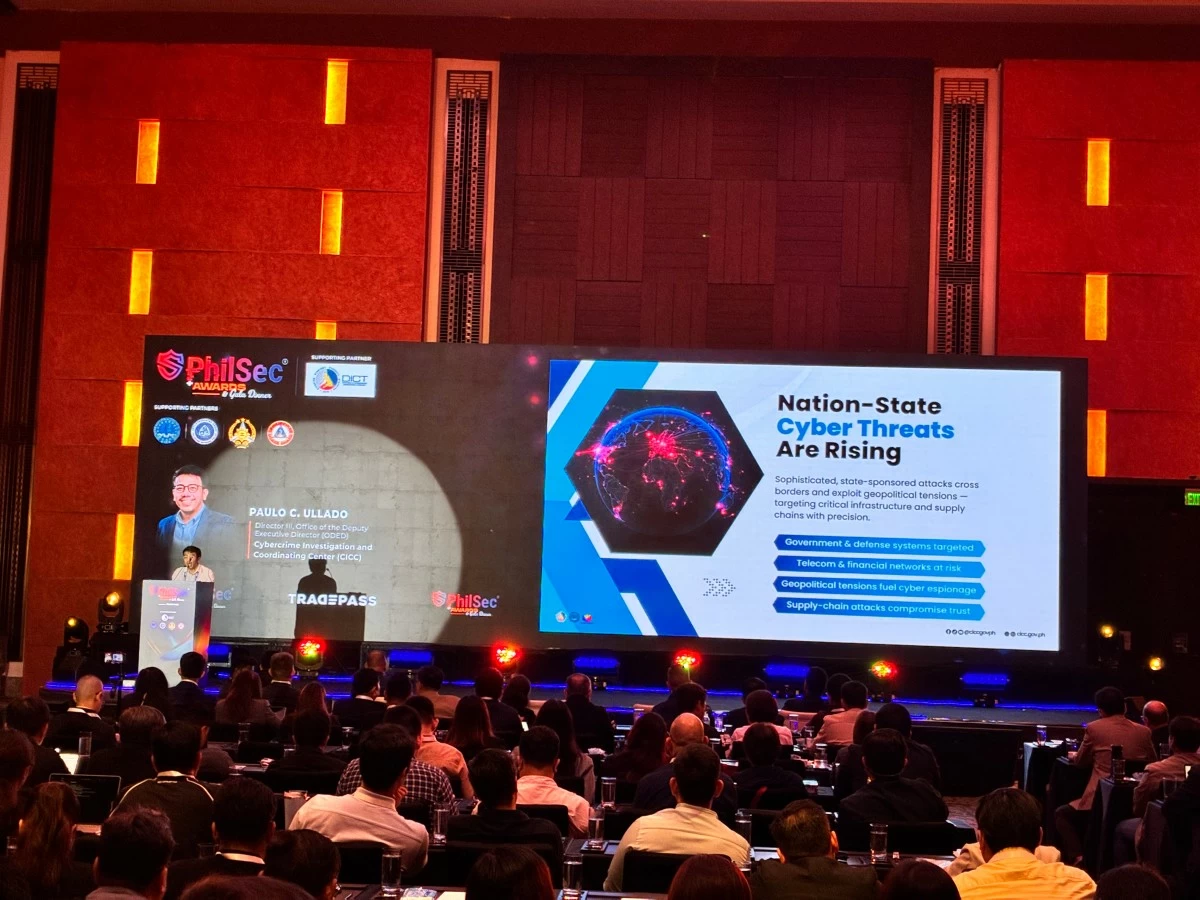
PhilSec 2026, a leading cybersecurity summit in the Philippines, concluded its latest edition on July 1 at the Manila Marriott Hotel after two packed days of keynotes, panel discussions, and an exhibition floor showcasing the latest defense technologies, capping the event with its annual awards gala.
Organized by Tradepass, this year's summit drew unprecedented institutional backing, with the Department of Information and Communications Technology (DICT), the Cybercrime Investigation and Coordinating Center (CICC), the Philippine National Police Anti-Cybercrime Group (PNP-ACG), the Armed Forces of the Philippines (AFP), and the Philippine Coast Guard (PCG) all lending their support to the gathering. The summit brought together more than 1,000 cybersecurity leaders, including heads of information security, risk, compliance, forensics, and cyber law from public and private organizations across the country.
Government leaders set the tone
The summit opened on June 30 with an inauguration by Usec. Rodil Aniban, Officer-in-Charge and Undersecretary for Cybersecurity at DICT, followed by an opening keynote from DICT Secretary Henry Aguda. From there, the agenda moved quickly into operational territory, with Police Major General Wilson Casil Asueta of the PNP-ACG walking attendees through the agency's approach to taking cybercrime cases from initial digital patrolling all the way to court conviction, and Paulo Ullado of CICC's Office of the Deputy Executive Director addressing how national security, digital transformation, and emerging threats intersect.
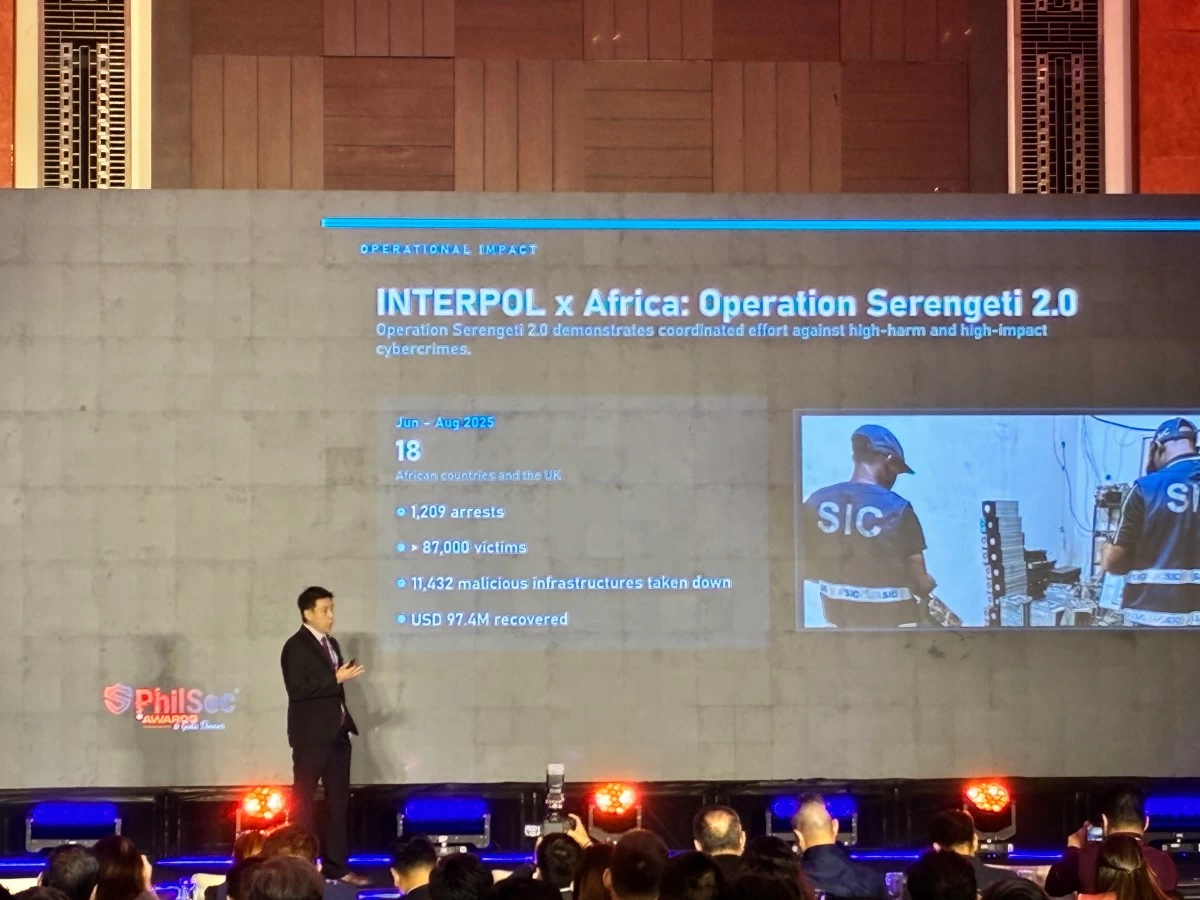
The event's institutional weight was echoed by other confirmed speakers named ahead of the summit, including Alvin Navarro, Officer-in-Charge and Deputy Executive Director of CICC; George Tardio, Officer-in-Charge and Director of DICT's Cybersecurity Bureau; Edmund Goh, Head of INTERPOL's Asia and South Pacific Cybercrime Operations Desk; and Col. Francel Margareth Padilla-Taborlupa, cybersecurity leader at the AFP.

Speaking ahead of the event, Col. Padilla pointed to how geopolitical friction is increasingly bleeding into cyberspace. Goh stressed that basic cyber literacy has become a fundamental life skill rather than a specialized concern, comparing it to knowing how to swim or cross a street safely.
AI, cloud, and human risk dominate the agenda
Across both days, sessions repeatedly returned to the disruptive role of artificial intelligence in both defending and attacking digital systems. Day one featured presentations from Orca Security on securing the expanding population of AI "builders" beyond traditional developers, and from GitLab on verifying the integrity of AI-generated code as coding assistants enter production environments. A panel moderated by Lito Averia, president of the Philippine Computer Emergency Response Team (PH-CERT), examined how generative AI can strengthen threat detection while simultaneously arming attackers, joined by CICC's Robert Sanchez Paguia and Globe Telecom's Derick Ohmar Adil.
Other first-day sessions tackled visibility gaps in enterprise security, the changing dynamics of application security in an AI-driven development landscape, and a panel on access management amid rising deepfake and spoofing threats, featuring representatives from Mount Grace Hospitals, JG Summit Holdings, the National Bureau of Investigation, and the AFP. A closing panel on the day, "Cybersecurity 2.0," brought together leaders from major institutions to discuss balancing innovation with security amid digital transformation.
Day two shifted focus toward sector-specific resilience and the human side of cybersecurity. George Tardio returned to detail how DICT's Cybersecurity Bureau is operationalizing the National Cybersecurity Plan 2023-2028, while Department of Finance Undersecretary Michael Peter Alejandro discussed protecting the country's digital financial infrastructure. Philippine Coast Guard Commodore Roderick Denila addressed cybersecurity in maritime operations, and Department of Transportation-Maritime Industry Authority (MARINA) director Joseph Victor Generato shared lessons from a real-world cyber incident the agency had detected, contained, and recovered from. The Bureau of Jail Management and Penology and the Civil Aviation Authority of the Philippines also presented on securing correctional and aviation systems, respectively, while a panel on human-centered cyber resilience, moderated by the Department of Justice's Angelbert Hernandez, explored building a cyber-aware workforce across both public and private institutions.
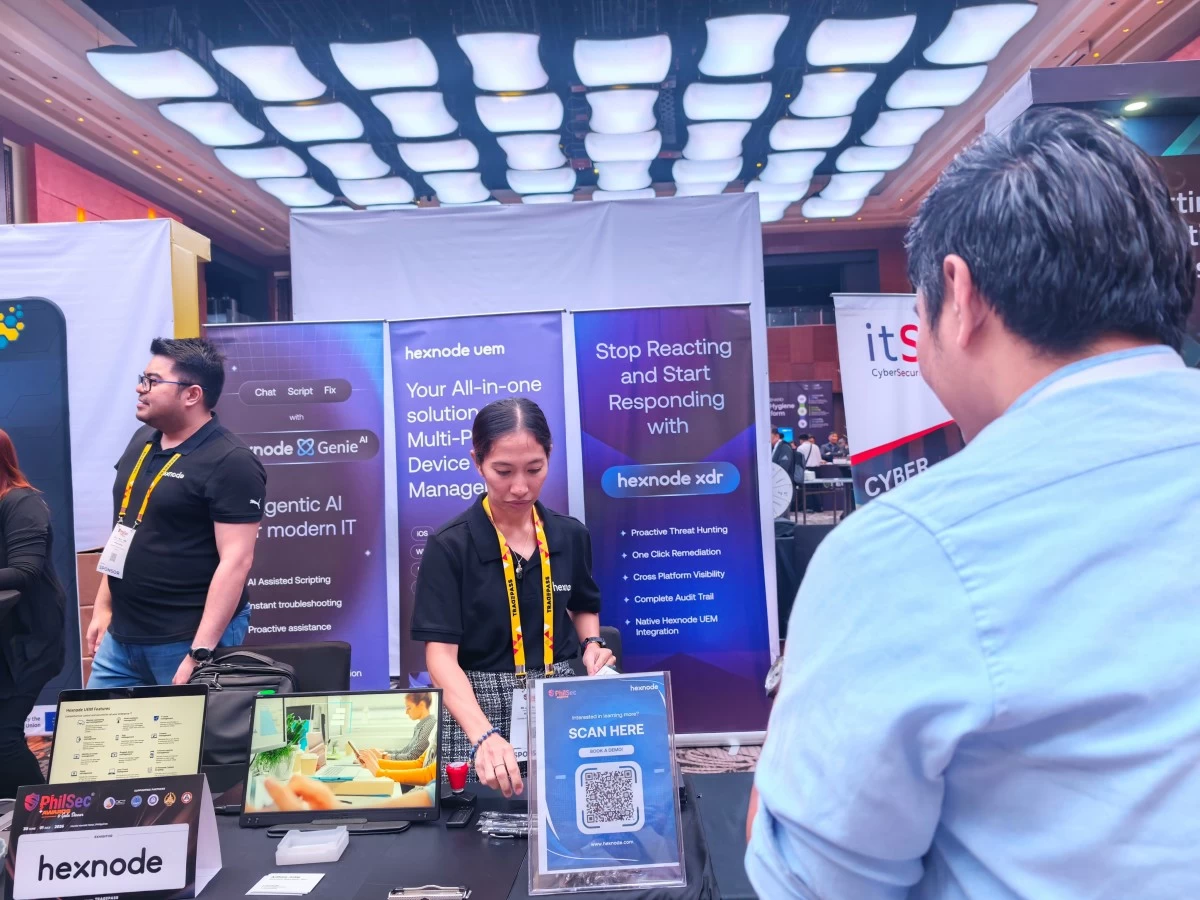
CISO lounge and a packed exhibition floor
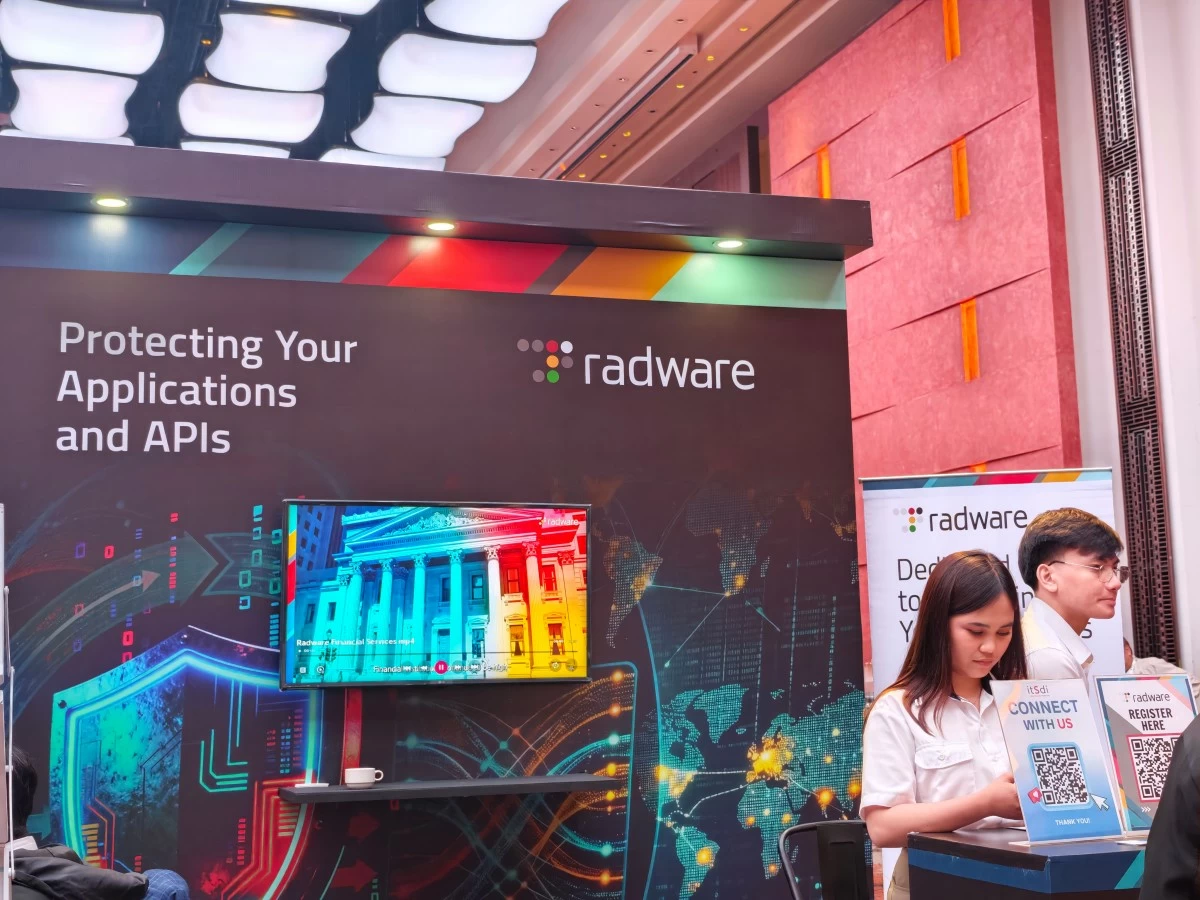
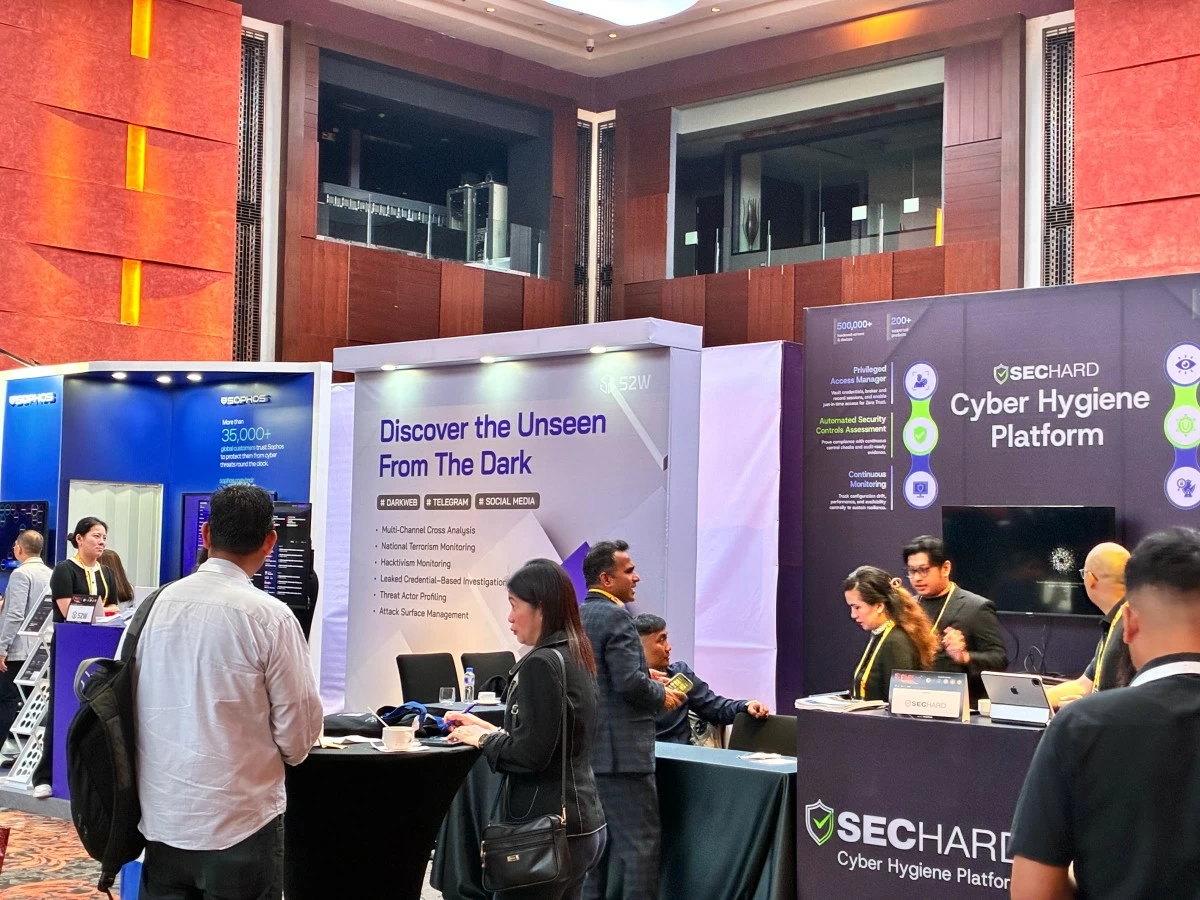
Alongside the main conference programming, PhilSec 2026 hosted its CISO Lounge, a closed-door roundtable created for the country's most senior information security leaders to exchange perspectives away from the main stage. The event's exhibition floor, meanwhile, featured a roster of global and regional cybersecurity vendors including CrowdStrike, ManageEngine, GitLab, Orca Security, Globe Business, Snyk, Sophos, Tenable, Splunk, SANS Institute, Radware, Hexnode, and more, giving delegates direct access to tools spanning cloud security, identity management, and AI-driven threat detection.
Summit closes with awards and gala
The two-day event concluded on the evening of July 1 with the PhilSec Awards 2026, featuring seven competitive categories recognizing standout organizations and professionals in the field. Usec. Aniban delivered the closing keynote address before the awards presentation, after which the evening moved into a cocktail reception and gala dinner bringing together senior government officials, industry executives, and global cybersecurity experts.
A market on the rise
The summit's discussions unfolded against the backdrop of a rapidly growing but increasingly targeted digital economy. The Philippines' cybersecurity market, valued at $261.5 million in 2025, is projected to surpass $682.16 million by 2032, driven by regulations such as the Data Privacy Act and multi-sector initiatives including the newly formed Cybersecurity Council of the Philippines. At the same time, organizers noted that the country remains among the top 10 most targeted nations globally for cyberattacks, with small and medium enterprises and critical infrastructure operators bearing the brunt of phishing, ransomware, and cloud-based exploits, underscoring why officials and vendors alike used the summit to press for tighter coordination between government agencies, law enforcement, and the private sector.
With its sixth edition now closed, PhilSec has positioned itself as a recurring fixture in the Philippines' cybersecurity calendar, with organizers already signaling a return for 2027 as the country continues to build out its National Cybersecurity Plan through 2028.