







People Power reset: Politics of mass action
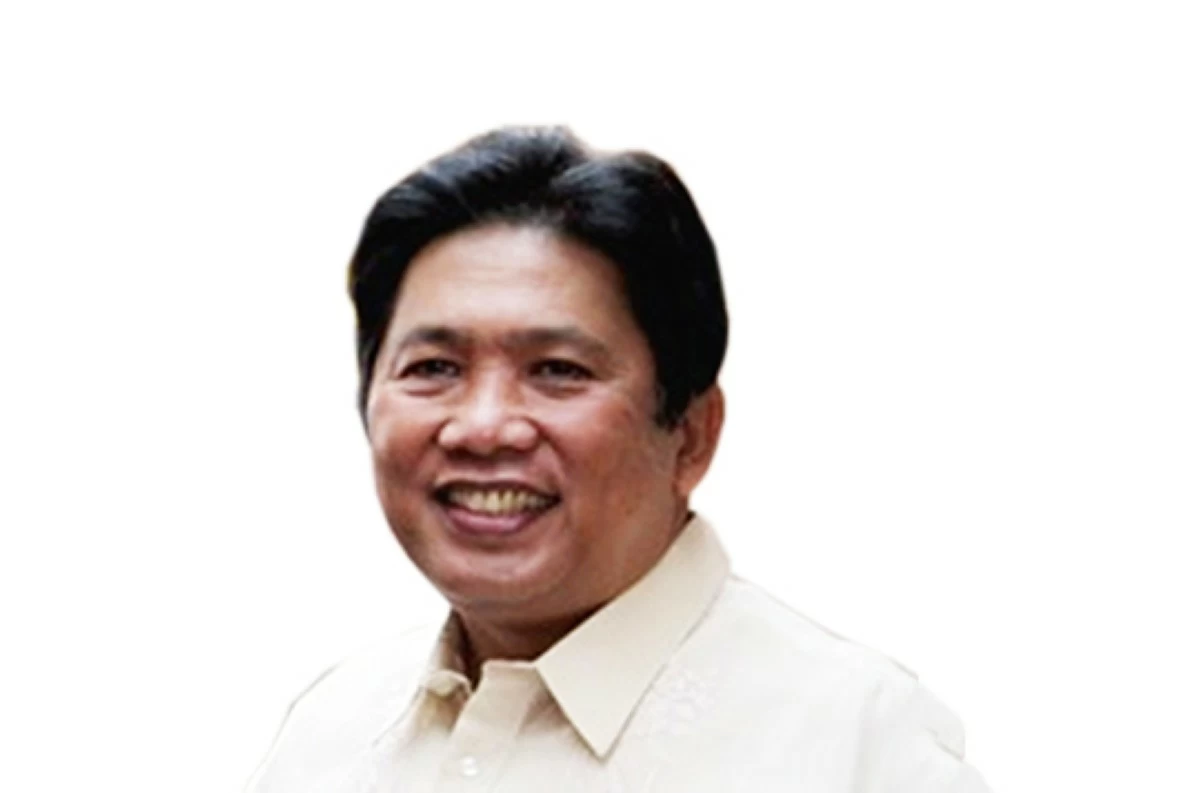
By Sonny Coloma
Published Jul 2, 2026 12:01 am
|
Updated Jul 1, 2026 05:25 pm


ENDEAVOR
As one who came of age during the activism of the Decade ’70, I have often been asked whether another People Power is possible. My answer is always the same: Yes, but not until we understand what made it possible in the first place.
Many remember the marches, the slogans, and eventually the millions who gathered on EDSA in February 1986. I remember something deeper. I remember conversations in classrooms and coffee shops, debates that stretched late into the night, communities discovering their collective voice, and ordinary Filipinos beginning to believe that they could influence the course of history. These began percolating in the classrooms of UP and on the streets where we marched to protest the major evils that stunted the advance of our nation.
Mass action was never simply about filling the streets. It was about forming what the nationalist historian Renato Constantino described as a new mindset that upheld the primacy of the Filipino masses’ welfare over an oppressive bureaucrat-capitalist regime.
The most enduring victory of any people’s movement is not the size of its rallies but the birth of what Mr. Constantino aptly called “counter-consciousness, which was a way of seeing society that refuses to accept injustice, corruption, and inequality as normal. Before people march together, they must first learn to think together.
That is why every status quo, however decadent, depends on more than sloganeering on political power; it requires depends on public resignation. For too long, the citizens have been lulled into a soporific acquiescence. They have been persuaded that corruption is inevitable, that patronage is simply how politics works, that poverty has always existed and always will, and that one person cannot possibly make a difference. Once enough people believe these myths, reform becomes almost impossible.
People Power succeeded in 1986 because enough Filipinos voted with their feet and used their bodies to stop the march of the dictator’s tanks on EDSA.
Fear gave way to courage. Cynicism gave way to hope. More importantly, private frustrations became a shared public conviction that the country deserved better.
Today, our circumstances are very different. We are connected by technology, yet divided by information bubbles. Social media allows ideas to spread instantly, but it also enables falsehoods to travel faster than facts. Public discourse is often reduced to slogans, memes, and personal attacks instead of thoughtful debate. We consume enormous amounts of information but often very little wisdom.
The challenge, therefore, is not simply to mobilize people. It is to cultivate informed citizens.
Democracy cannot flourish if voters are treated merely as audiences for political advertising or targets for disinformation. It flourishes when citizens have been sufficiently enlightened to ask the difficult questions, verify facts, engage respectfully with opposing views, and demand accountability from those who govern in their name.
This work cannot begin only during election season.
It begins in our homes, where children learn the meaning of honesty and responsibility. It continues in our schools, where critical thinking should matter more than memorization. It grows in churches, civic organizations, professional associations, universities, and local communities where people learn not only their rights but also their responsibilities to one another.
The politics of mass action is, at its heart, the politics of citizenship.
There is another lesson my generation learned. Genuine movements cannot depend on charismatic personalities alone. Leaders may inspire, but lasting change requires citizens who are prepared to think independently and act collectively. Democracies become fragile when people look for saviors instead of accepting their own role in shaping the nation’s future.
History teaches that crowds driven solely by anger can become as destructive as the systems they oppose. The People Power that transformed our nation drew its moral authority from discipline, restraint, nonviolence, and a commitment to democratic values. It appealed not to vengeance but to conscience.
If another great civic awakening is to emerge, it must once again be anchored in reason.
Enlightened People Power means citizens who understand both the problems they seek to solve and the institutions they hope to strengthen. It means defending the rule of law even while demanding reform. It means rejecting violence while refusing to surrender to injustice. Above all, it means recognizing that democracy is not an event but a continuous act of participation.
What kind of New Order should we seek?
Certainly not one that merely replaces one set of political elites with another. A truly new order would create institutions that reward competence over patronage, integrity over convenience, and public service over personal ambition. It would measure success not only by economic growth but by whether ordinary Filipinos experience greater dignity, opportunity, and security. It would strengthen trust in government because government has earned that trust through transparency and accountability.
Some will say this is idealistic. But every major democratic breakthrough in history was once considered unrealistic. Democracy itself rests on the belief that ordinary citizens, acting together with wisdom and courage, can shape a better future.
Looking back on my years as a young activist, I realize that the marches themselves were only the visible expression of something much deeper. The real revolution has already begun in the minds and hearts of people who refuse to accept that they are powerless.
That remains our challenge today.
The next People Power—if it comes—will not begin on a highway. It will begin in millions of individual decisions to reject apathy, seek the truth, engage respectfully with others, and place the common good above personal interest.
Critical mass is not created overnight. It grows one informed citizen at a time.
When enough Filipinos recover the confidence to think independently, to act responsibly, and to care about the future they share with one another, the politics of mass action will once again become a force, not for division or destruction, but for democratic renewal.
That is the People Power still worth believing in.
Comments may be sent to [email protected]