






Manila Bulletin
 Business
Trade & Industry
Gov't to build ₱550-million seed vault network to shield farming from climate risks
Business
Trade & Industry
Gov't to build ₱550-million seed vault network to shield farming from climate risks
Business
Trade & Industry
Gov't to build ₱550-million seed vault network to shield farming from climate risks
Gov't to build ₱550-million seed vault network to shield farming from climate risks
Published Jul 2, 2026 03:33 pm


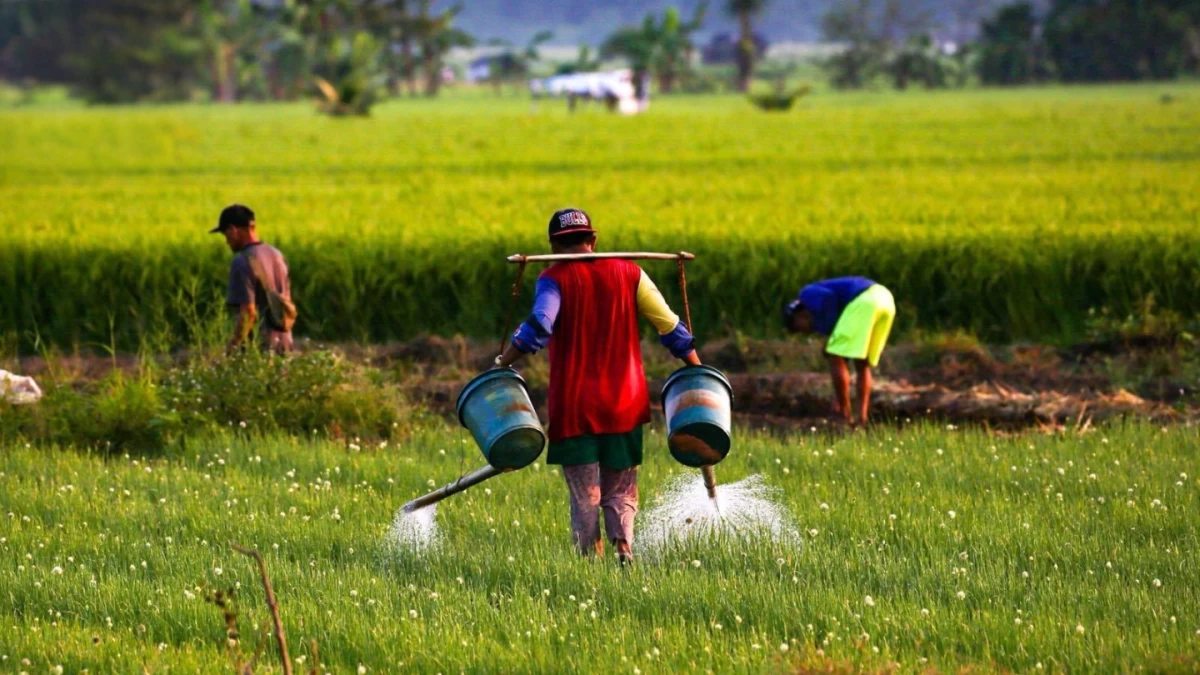
Farmers cultivate the land and water spring onions in Brgy. Sulib, Pangil, Laguna on April 12, 2026. This preparation ensures the plots are ready for the next planting cycle. (Photo by John Louie Abrina I Manila Bulletin)
The Department of Agriculture (DA) plans to spend around ₱550 million this year and next to develop seed storage facilities in the country, aiming to ensure food security amid rising climate risks.
Agriculture Secretary Francisco Tiu Laurel Jr. said the DA has set aside ₱250 million this year and will request at least ₱300 million next year to begin constructing one seed facility in each region.
“We really need to promote the seed industry. And this is one way to encourage people to invest in it,” he told reporters.
These facilities, which will be operated by the Bureau of Plant Industry (BPI), are designed to serve as storage vaults for high-quality and strategically important seeds.
Tiu Laurel said having a dependable seed reserve across the country would help farmers replant quickly in the face of stronger typhoons, prolonged droughts, and other climate disruptions.
“This will ensure that we have an ample supply of seeds in buffer stock, so we are prepared for anything,” he said.
In line with this, the BPI inaugurated its first storage facility in Quezon City—the National Seed Reserve Facility—on Thursday, July 2, to kickstart the initiative.
BPI Director Glenn Panganiban said the facility is a major step toward building a more integrated and reliable seed security system in the country.
"The facility aims to ensure the long-term preservation, quality, and timely availability of seeds for regular planting programs, disaster response, rehabilitation efforts, and other priority government initiatives,” Panganiban said.
Tiu Laurel noted that two other facilities are currently under construction in Iloilo and the Bicol region. Other facilities will be developed in the short term, including those in Baguio, Laguna, Guimaras, Davao, and Negros Occidental, according to Panganiban.
Apart from serving as government repositories, these storage facilities will also be accessible to private seed companies seeking additional storage capacity.
Philippine Seed Industry Association (PSIA) Vice President Julius Barcelona said that having publicly available facilities will free up capital for companies to invest further in seed development.
Tiu Laurel said the DA will soon release guidelines on how companies can access the facilities, including a payment scheme that is expected to exempt the storage of smaller volumes of seeds.