






Manila Bulletin
 Environment and Sustainability
Understanding the biodiversity crisis through the struggle of the Philippine eagle
Environment and Sustainability
Understanding the biodiversity crisis through the struggle of the Philippine eagle
Environment and Sustainability
Understanding the biodiversity crisis through the struggle of the Philippine eagle
Understanding the biodiversity crisis through the struggle of the Philippine eagle
By Zabrina Hong
Published Jul 1, 2026 02:00 pm


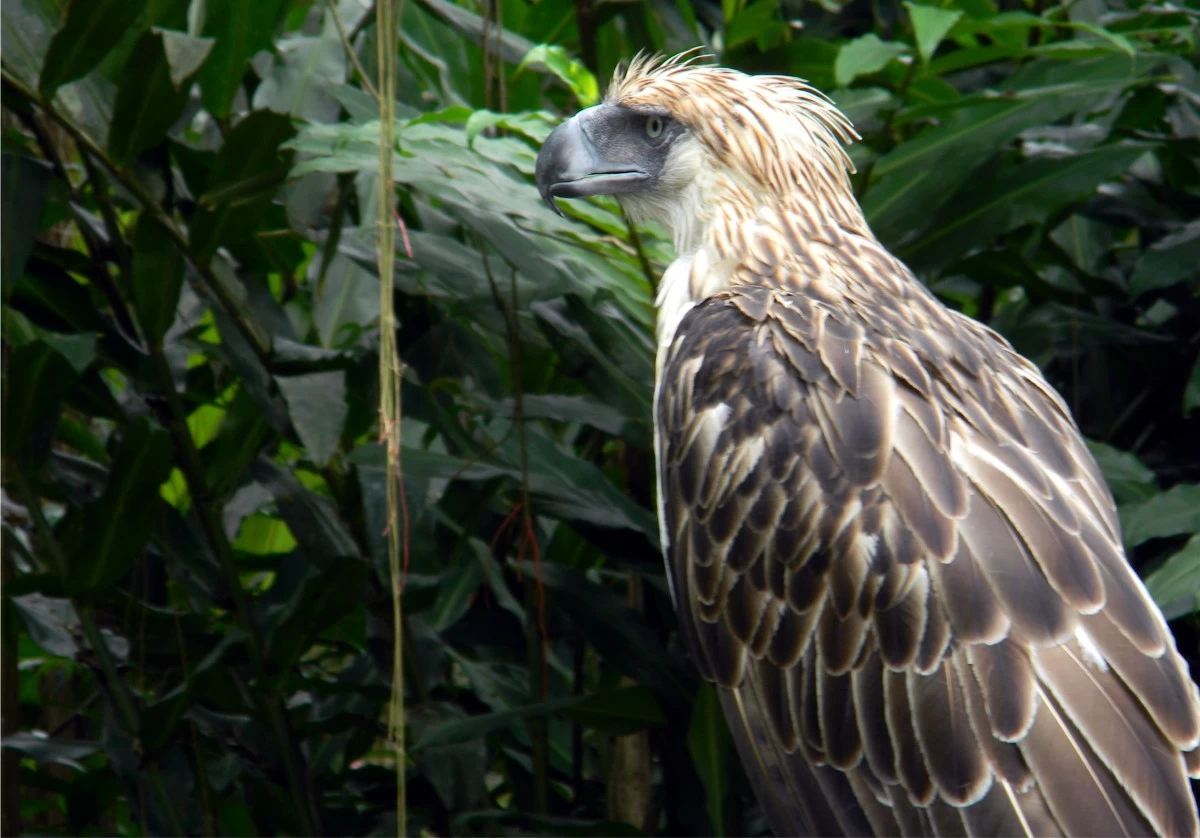
A bird that can soar above the forest canopy and dominate the skies is fighting for survival on the ground.
The Philippine eagle, the country's national bird and one of the world's rarest raptors, remains critically endangered, threatened by habitat loss, deforestation, and other human activities that continue to shrink its forest home. Its plight is the focus of Philippine Eagle Week, observed every June 4 to 10 to raise public awareness about the species and strengthen support for forest and biodiversity conservation.
Established through Presidential Proclamation No. 79 in 1999, the annual observance goes beyond celebrating an iconic bird. It serves as a reminder that the future of the Philippine eagle is closely tied to the health of the country's ecosystems.
This year's 28th Philippine Eagle Week recently opened in Baguio City, chosen for its role as a center for environmental education and biodiversity advocacy in Northern Luzon. Led by the Department of Environment and Natural Resources (DENR), the Biodiversity Management Bureau, the Philippine Eagle Foundation, and partner organizations, the opening highlighted the theme "Lahat Kasali, Lahat May Papel: Sama-sama para sa Philippine Eagle." The event featured exhibits and discussions aimed at encouraging greater public participation in conservation efforts.
More Than a National Symbol
Found nowhere else in the world, the Philippine eagle is considered an apex predator that occupies the highest level of the food chain in Philippine forests. Its presence signals a healthy ecosystem, making it one of the country's most important indicator species.
Because the eagle requires vast tracts of intact forest to hunt, nest, and raise its young, protecting the species also helps safeguard watersheds, carbon sinks, and habitats for countless other plants and animals.
A Window Into the Biodiversity Crisis
The story of the Philippine eagle reflects the broader environmental challenges facing the Philippines, one of the world's biodiversity hotspots.
During this year’s opening celebration in Baguio City, organizers emphasized that conservation efforts should extend beyond a single species. Exhibits also showcased other endemic wildlife, including the Northern Sierra Madre forest monitor and the Northern Luzon giant cloud rat, underscoring the need to protect entire ecosystems rather than individual animals alone.
The message was clear: when forests disappear, wildlife disappears with them.
Conservation Starts With Awareness
One of the greatest threats to endangered species is public indifference. Philippine Eagle Week sought to address this through educational campaigns, wildlife talks, community activities, and habitat restoration initiatives that connect people with the importance of biodiversity conservation.
The observance recognizes that protecting the country's natural heritage requires collective action from government agencies, conservation groups, local communities, schools, businesses, and ordinary citizens.
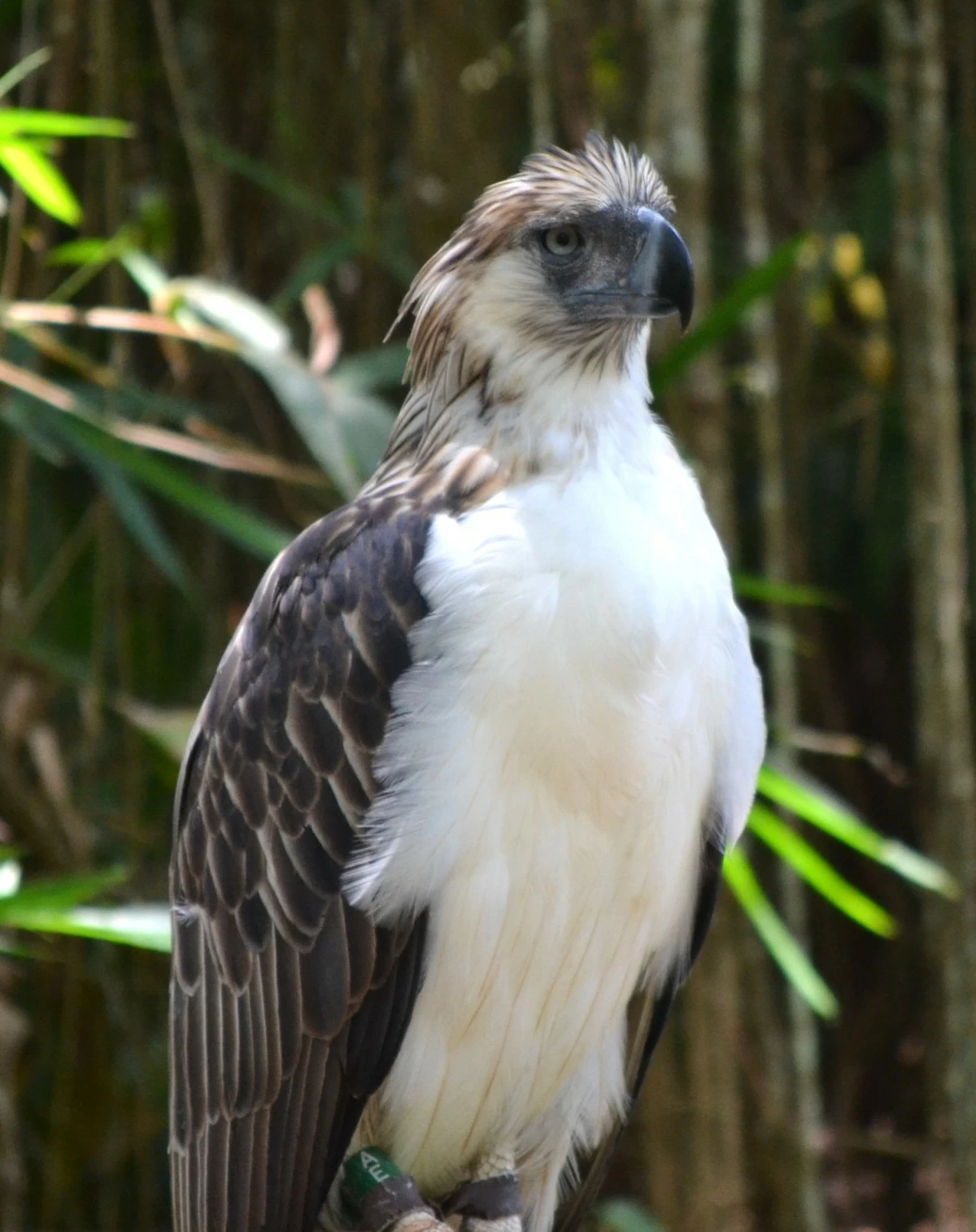
(Photo by Henrylito Tacio)
Keeping the Skies Alive
The Philippine eagle has watched over the country's forests for thousands of years. Whether it continues to soar above them depends on the choices made today.
Philippine Eagle Week is ultimately not just about celebrating a bird. It is about protecting the forests that sustain life, the biodiversity that makes the Philippines unique, and the future that succeeding generations deserve to inherit.
If the Philippine eagle thrives, it means the country’s forests are thriving as well. That is a future worth protecting.