






Manila Bulletin
 Business
The Economy
Gov't waives real property taxes on farm storage to boost food production
Business
The Economy
Gov't waives real property taxes on farm storage to boost food production
Business
The Economy
Gov't waives real property taxes on farm storage to boost food production
Gov't waives real property taxes on farm storage to boost food production
Published Jul 1, 2026 03:21 pm


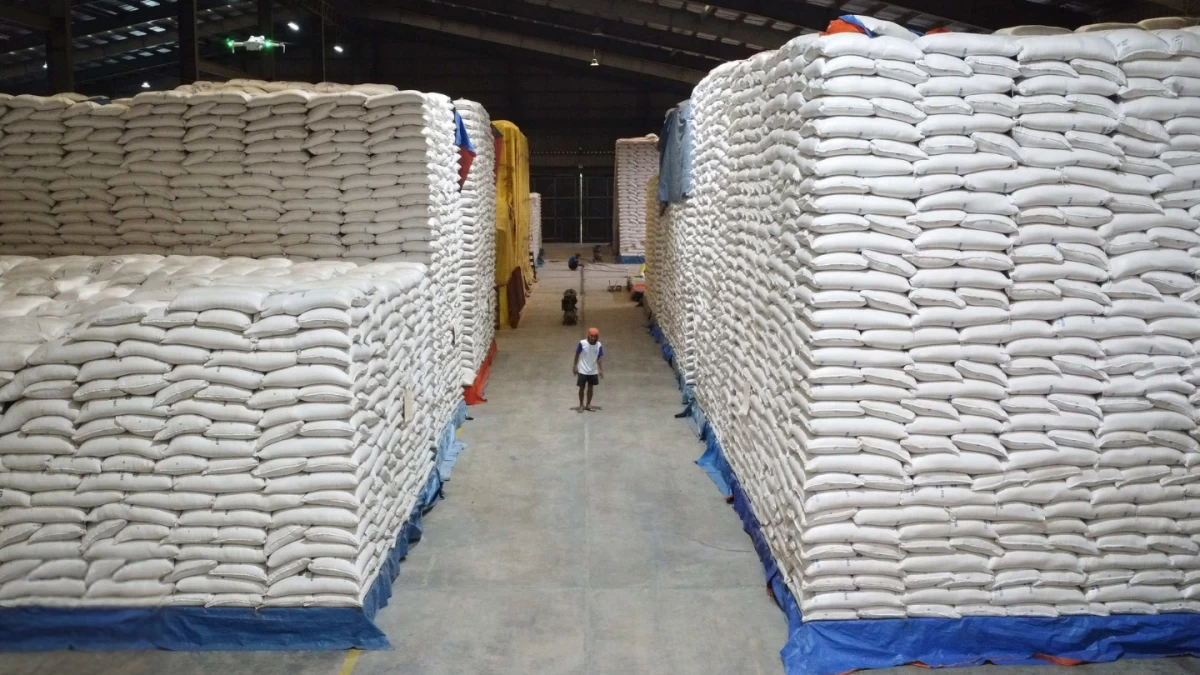
(Manila Bulletin file photo)
The government will exempt farm storage facilities from local real property taxes to boost farmers’ purchasing power for planting inputs, aiming to improve the country’s food production.
On Wednesday, July 1, the Department of Agriculture (DA) and the Department of the Interior and Local Government (DILG) signed a joint memorandum circular (JMC) outlining the guidelines for the tax break.
The JMC, which has not yet been made public, operationalizes the exemption provision of Republic Act (RA) No. 11321, or the Sagip Saka Act.
Under this law, qualified warehouses and structures used to store farm inputs and outputs are exempt from real property taxes, provided their assessed value does not exceed ₱3 million.
According to the DA, the circular clarifies the responsibilities of national agencies and local government units (LGUs) to give qualified beneficiaries greater certainty when availing of the tax exemption.
Agriculture Secretary Francisco Tiu Laurel said the tax exemption translates to annual savings of around ₱500 to ₱12,000 for operators of ordinary warehouses.
By spending less on taxes, farmers, fisherfolk, and cooperatives will gain the financial flexibility to acquire better farm inputs and equipment, he added.
“Our goal here is enterprise development. So, [with] any incentives given to small players, our hope is that they grow and invest more in their industry,” Tiu Laurel said during a press briefing on Wednesday, July 1.
Tiu Laurel noted that removing real property taxes on farm facilities will encourage greater investment in post-harvest infrastructure, especially among entrepreneurs seeking tax breaks. Expanding the country’s storage infrastructure will further strengthen the agricultural supply chain and boost the sector’s overall productivity, he said.
Meanwhile, DILG Undersecretary Marlo Iringan said LGUs will enforce the tax break through local ordinances, which are expected to be finalized within the quarter.
Iringan stressed that the policy's impact on local revenues will be minimal, noting that the value of empowering farmers and fisherfolk far outweighs the potential revenue loss.
To prevent the JMC from being used as a loophole, the DA will require warehouse owners to register their facilities through the agency’s agricultural storage registration system. The system will track all facilities storing agricultural and fishery products—whether owned, leased, or operated by third parties. These include rice warehouses, onion cold storage facilities, meat freezers, grain silos, refrigerated container vans, and agricultural storage tanks.