






Manila Bulletin
 Spotlight Features
Built to serve: This restaurant transforms into a relief kitchen to feed victims during times of crisis
Spotlight Features
Built to serve: This restaurant transforms into a relief kitchen to feed victims during times of crisis
Spotlight Features
Built to serve: This restaurant transforms into a relief kitchen to feed victims during times of crisis
Built to serve: This restaurant transforms into a relief kitchen to feed victims during times of crisis
By Yvette Tan
Published Jul 1, 2026 05:35 pm


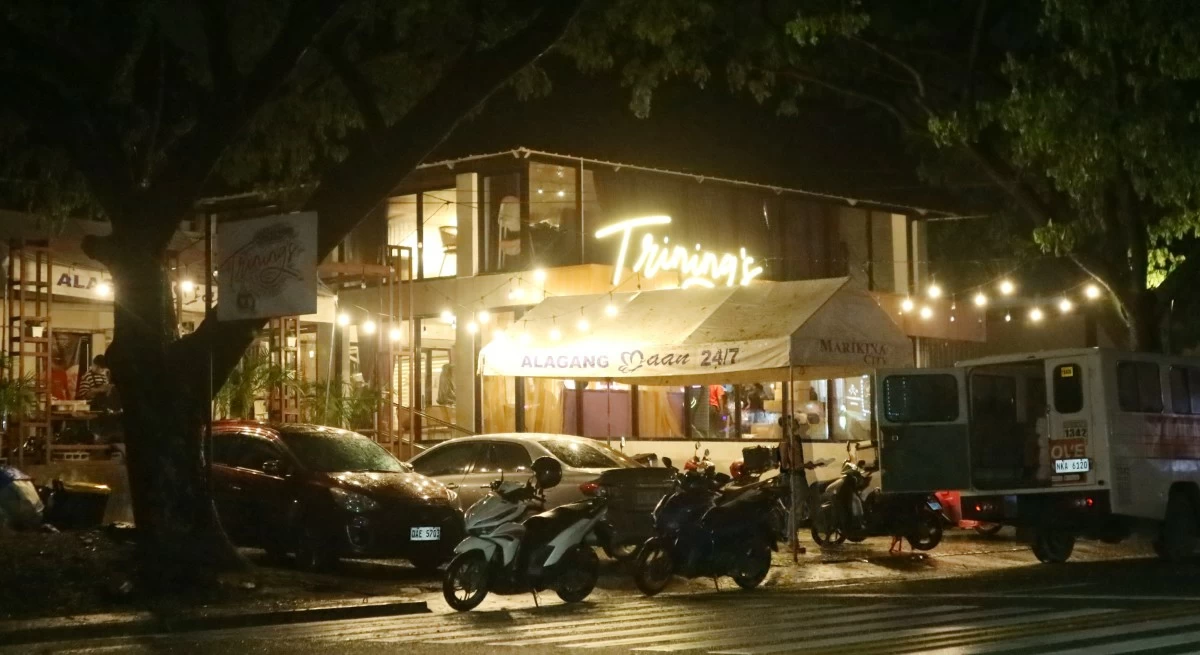
Trining’s Kitchen Stories in Marikina is a traditional Filipino restaurant that transforms into a relief kitchen during times of crisis.
The Philippines has had its fair share of disasters, be it floods, the pandemic, or the fuel crisis. Many people come together during these times to help those in need, usually by holding donation drives and community kitchens.
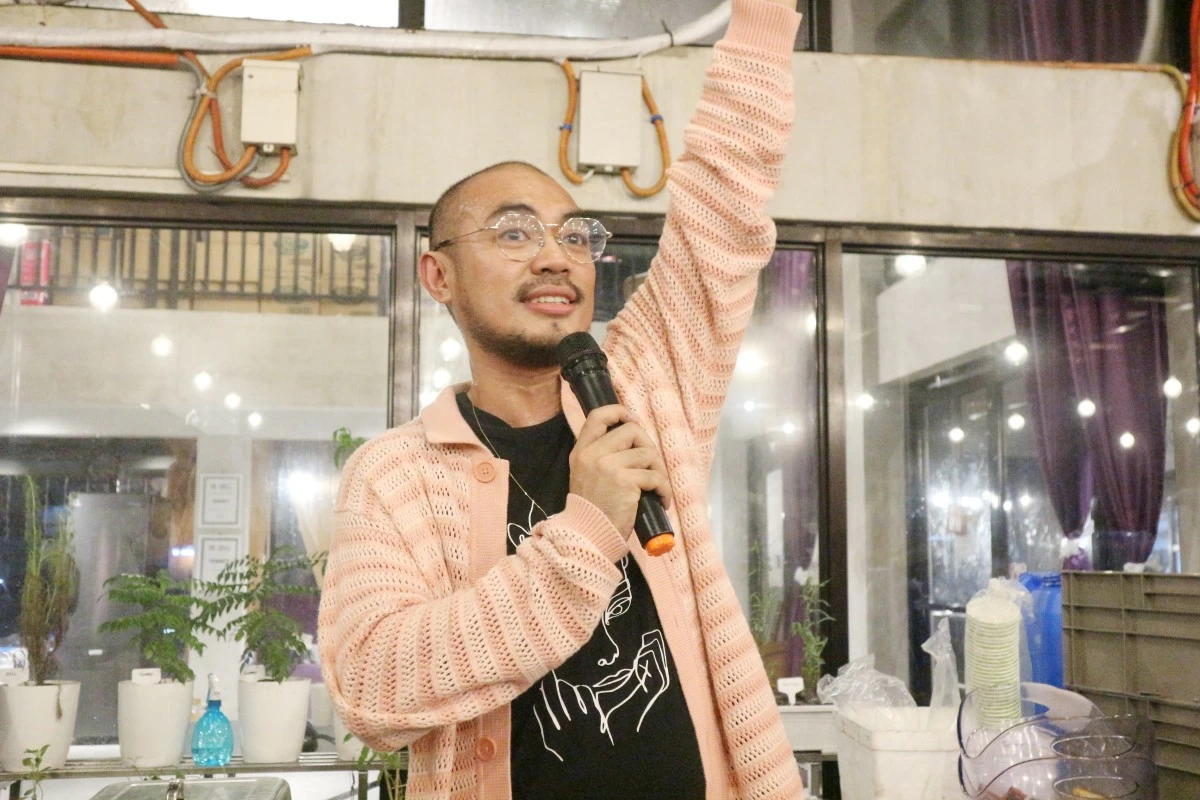
Chef Jay Maulit believes that a restaurant can be a vehicle of change in the community.
One of these is #TuloyPh, a community kitchen run out of restaurants Trining’s Kitchen Stories and Namnama Global Table in Marikina. The operation is headed by Jayson Gaspar Maulit, chef and owner of both.
Trining’s Kitchen Stories
“The first time I sold the family’s food was to fundraise for my grandmother’s hospital expenses,” Maulit said, talking about Trining, his paternal grandmother. “It was through her that I learned how to cook… She was one of my greatest inspirations and mentors when it came to food.”
His grandmother had contracted Covid, depleting family resources. Maulit, then working in communication, teamed up with his brother, who had access to a small kitchen.
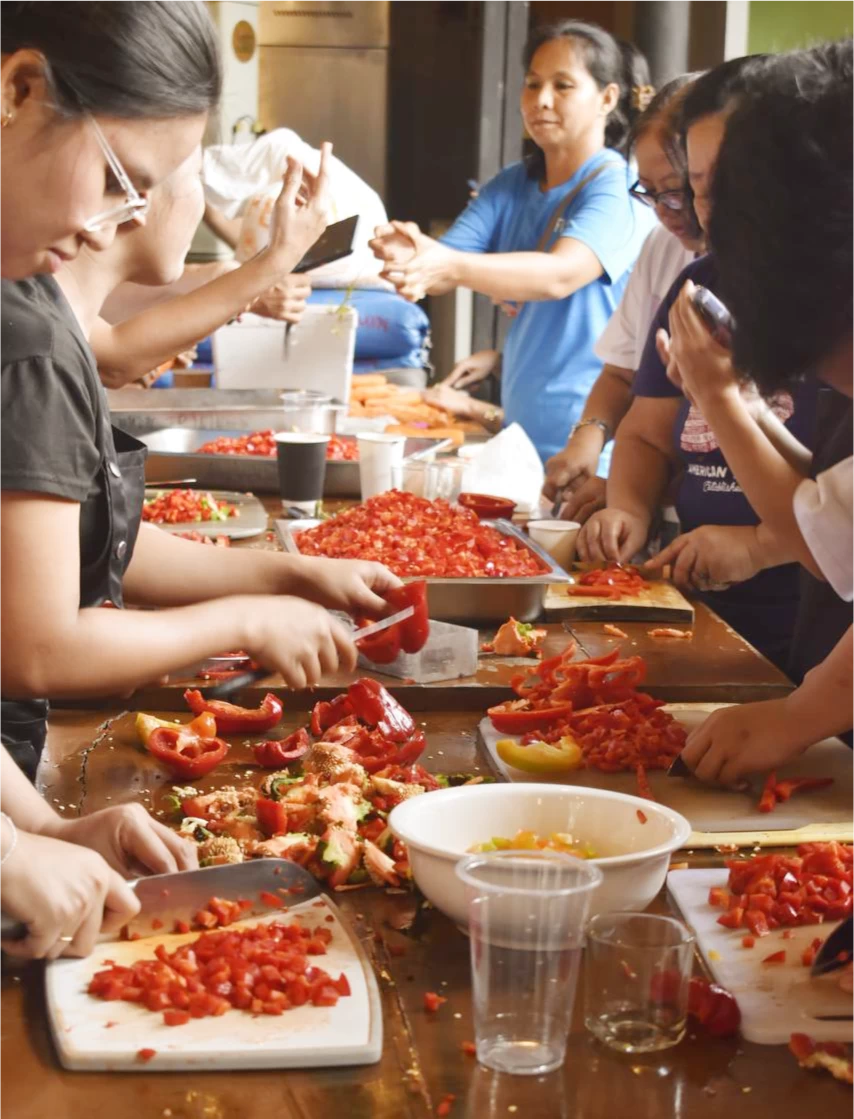
During major disasters, #TuloyPh produces hot food for victims with the help of volunteers and donors.
“We did a gratitude campaign for frontliners where people can order… empanada, crispy diniguan, pansit batil patung, and dinakdakan… so they can be sent to hospitals, frontliners, or personal consumption,” Maulit said. “I was selling food [and] fundraising for my grandmother. I would say that at that time, when people’s resources were also depleted, we felt the generosity of Filipinos that I will never meet personally in this life. They gave us a fighting chance to fight for my grandmother’s life.”
Unfortunately, the disease took its toll. “I couldn’t go inside the kitchen without remembering all the trauma of going to different hospitals and being told there was no bed for [her],” Maulit said. “Then one day, I realized that I missed my grandmother’s miki.”
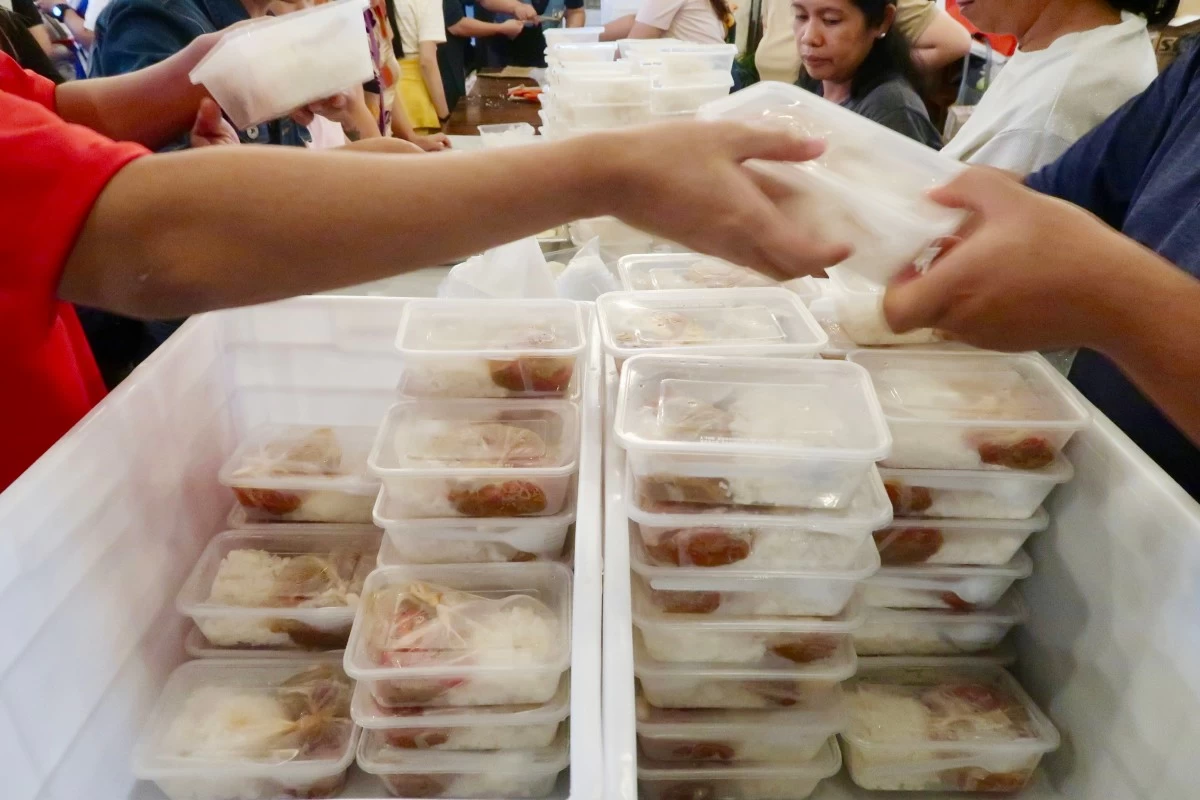
‘Hunger is always the first layer of dignity stripped from people in times of crisis,’ Maulit said. This is why it’s important for #TuloyPh that disaster victims receive hot, home-cooked meals when they are most vulnerable.
Their family recipes were never written down, and Maulit was afraid of forgetting the food he grew up with. “My fear of forgetting them was higher than my fear of failure or uncertainty, so I bet my life savings and opened the restaurant… The menu is a storybook of the family’s life.”
Trining’s Kitchen Stories mostly serves traditional Ilocano family recipes. “We also grew up with an expanded Filipino table. For example, we have kansi, inasal, and tiyula itum (a Tausug stew), so it’s a conversation of multi-regional cuisine,” Maulit said. “The way we cook is more traditional than most modern restaurants, but we use a lot of modern ingredients. We’re very high on sambals, curries, and dipping sauces, but at our core, our flavor is Filipino lola cooking.”
Namnama, meanwhile, is Trining’s “craving-driven, multi-cuisine sister. They complement each other.”
#TuloyPh
Trining’s was never meant to be just a restaurant.
“I took my Masters in Development Management to design the restaurant as a living, breathing community,” Maulit said. “I didn’t just want to sell the food. I want to make sure that the memory of my grandmother, who died during the pandemic without family to hold her in her last moments, was alive.”
During times of crisis, the restaurant becomes a volunteer relief kitchen through #TuloyPH. Volunteers gather in the restaurant to chop, cook, and pack meals for disaster victims, using ingredients provided by donors. It’s a modern version of bayanihan.
“From my grandmother, I also learned that Filipino kitchens are built to serve,” Maulit said. “In our last activation, we did 50,812 [meals] in five days that we sent to 16 cities in Metro Manila and [Rizal]. That’s the extent of Trining’s volunteerism.”
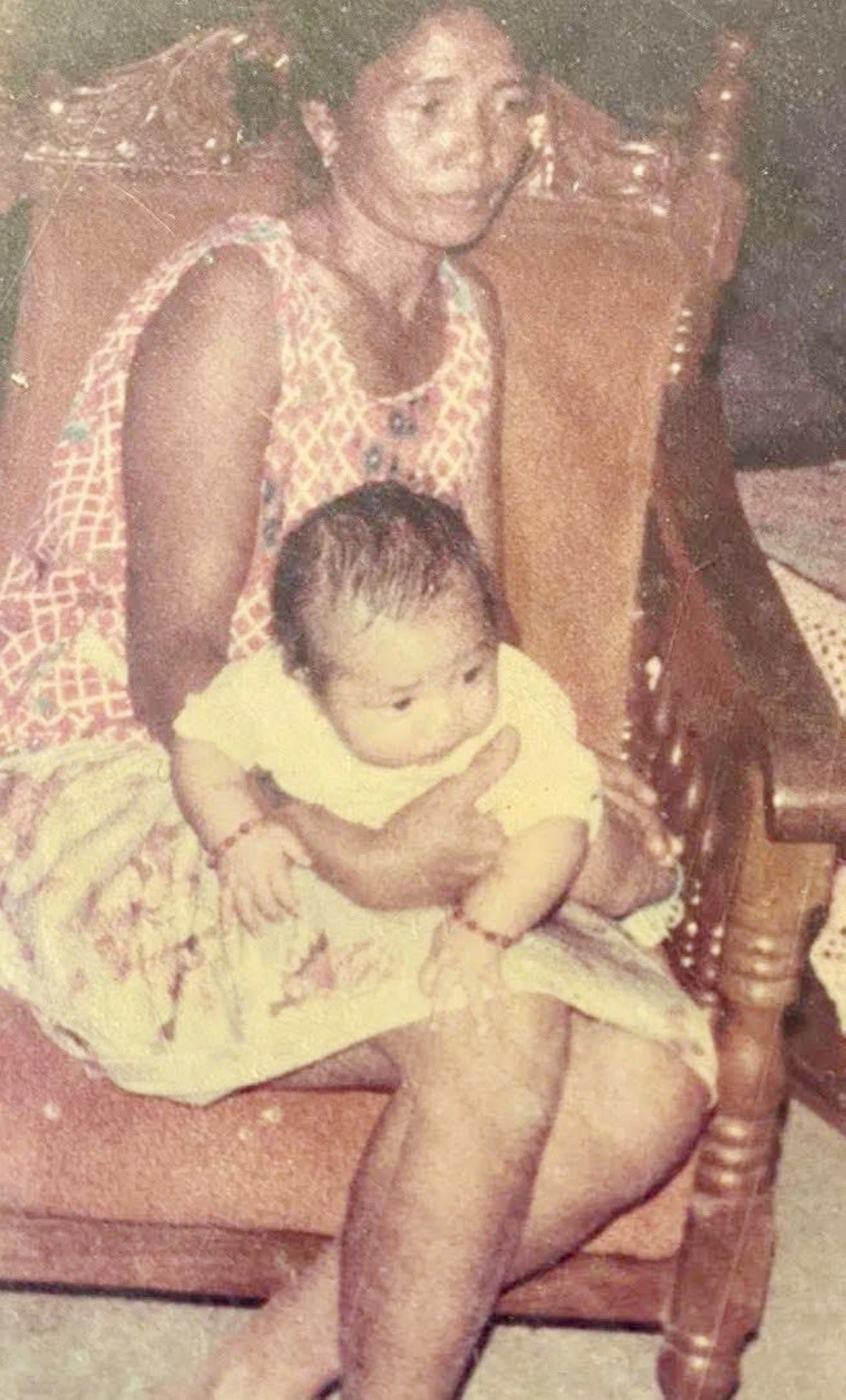
Maulit with his paternal grandmother Trining, who inspired his culinary journey.
The relief kitchen’s most recent operation was “Alagang Daan,” where they offered meals to the transport sector. “Public utility vehicle drivers, delivery riders, tricycle drivers, everyone who’s affected by the first layer of the fuel crisis,” Maulit said. “I knew from the start that we would not be able to help everyone, so we chose the sector we felt was very underserved at this point, and that had the most to lose, especially with rising fuel prices.”
They also engaged donors by asking them to donate in kind. Cash donations were used to purchase fresh produce from Greens for Good, a farmer-run cooperative from Benguet. “We tied both initiatives. This is for the transport sector, but we will get our supplies [from farmers] to empower the entire agricultural supply chain.”
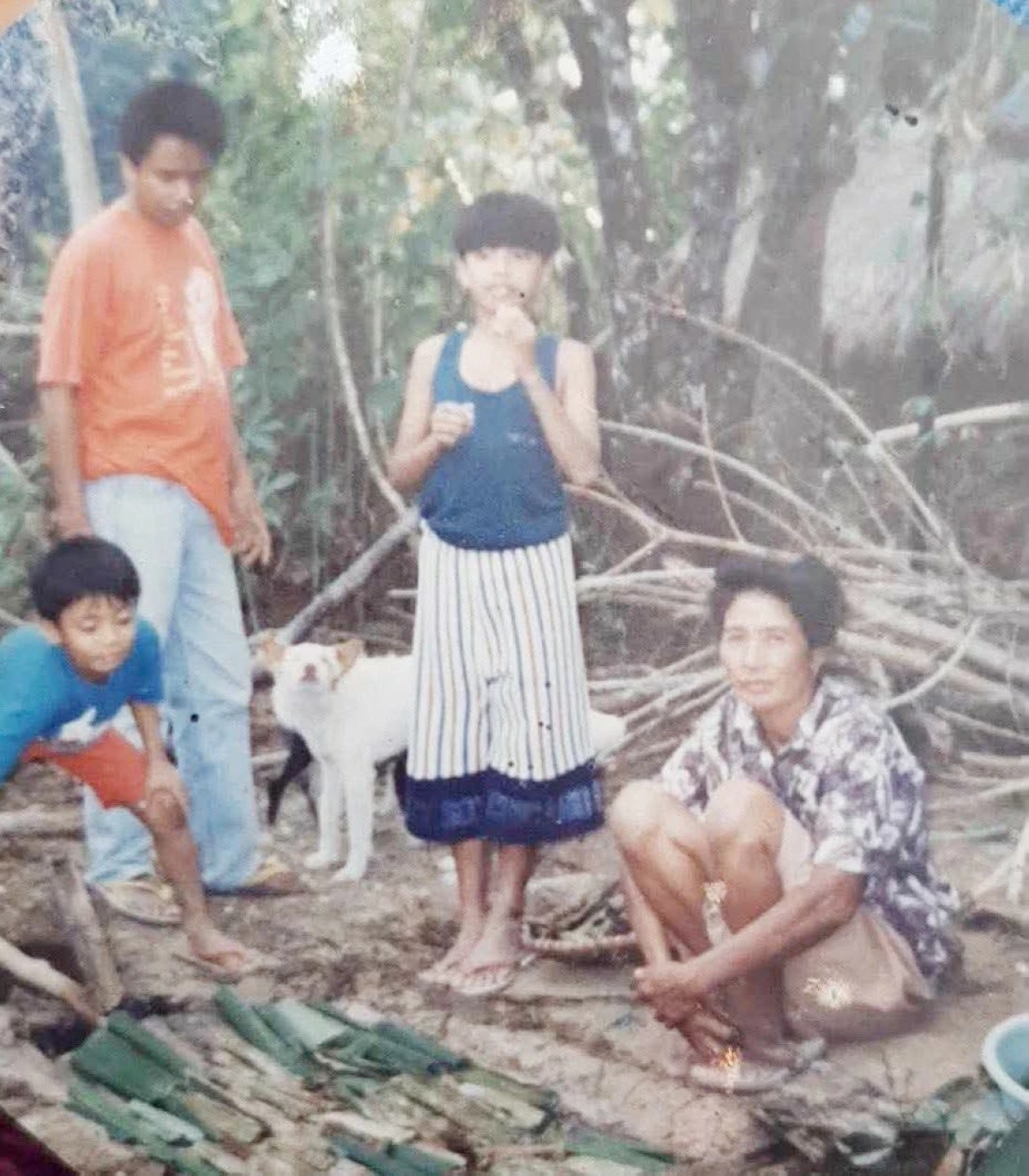
Maulit (left), his uncle Rodel, and cousin Rodelinson Jr. watch his lola Trining make tupig.
The produce was bought at higher than farmgate prices, “Which, I will argue, is the fair price for the produce,” Maulit emphasizes. “The farmers would add to the donation in terms of weight. So instead of getting 300 kilos, we’d get 450, 600. They know it’s going to a sector that’s equally vulnerable as they are.”
Though bigger operations require volunteers, this one was run purely by Maulit and his kitchen staff in conjunction with regular restaurant operations. It takes them two to three hours to finish cooking and packing the food. “All the riders have to do is pass by and pick them up.”
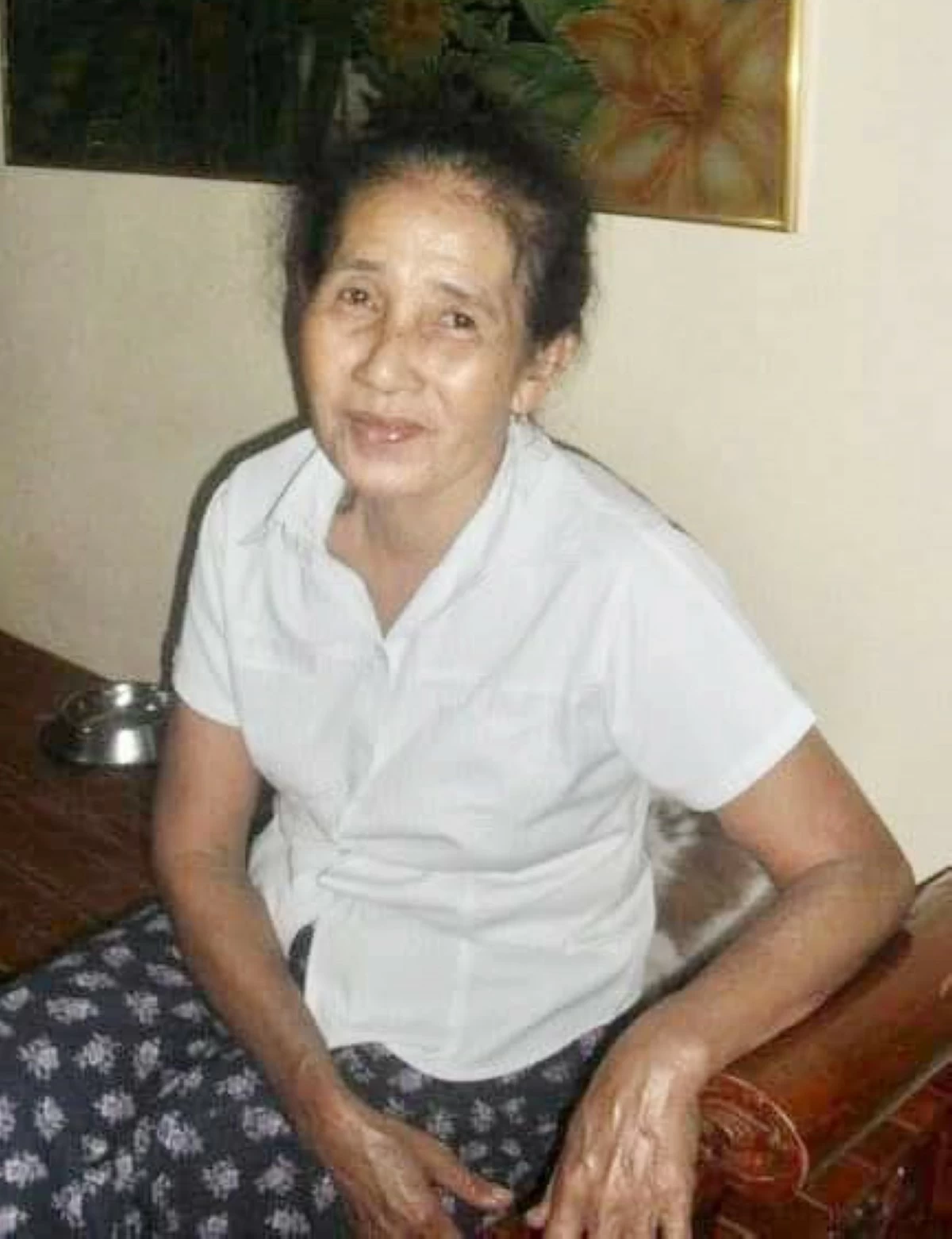
One of the things Maulit learned from his grandmother is that, “Filipino kitchens re buit to serve.”
For Maulit, being a chef means being responsible for the community, whether or not they can afford to eat at his restaurant. “I can never cook without thinking of who the food is for and where it came from… We think that restaurants are vehicles of change in the city, in a country, in a community,” he said.
“Hunger is always the first layer of dignity stripped from people in times of crisis. We want to be restaurants that champion food dignity, so the same level of care that we give to those who have the most in life is the same level of excellence and heart that we give to those who have the most to lose, and that’s why it’s important for us in the restaurant to respect our producers’ heritage and recipes.” (Photos courtesy of Jay Maulit and #TuloyPh)