







A new store in Naga City offers more than refreshing treats
Coconut-based beverages and dessert brand Cocolab drives local employment and economic growth
By Jemimah Mapa
Published Jul 1, 2026 04:15 pm


At A Glance
- For Cocolab, a new concept by Fruitas Holdings Inc., finding the right location means going beyond distance. Despite operating mainly in Metro Manila, they took the risk of opening their first store in Naga City, Camarines Sur.
- Cocolab officially launched its first-ever store in Naga City, graced by Fruitas Holdings Inc., Founder and CEO Lester Yu, and Naga City Mayor Leni Robredo.
Increasing revenue, diversifying risks, achieving long-term growth, and gaining a competitive edge are among the primary reasons why companies and enterprises choose to expand their operations. This allows them to reach more possible customers, introduce additional or new products and services, and improve their overall operational efficiency. However, a successful expansion also means choosing the right location as it can limit the customers’ access, increase operational costs, and negatively affect sales.
For Cocolab, a new concept by Fruitas Holdings Inc., finding the right location means going beyond distance. Despite operating mainly in Metro Manila, they took the risk of opening their first store in Naga City, Camarines Sur, not only to drive revenue growth but to bring in more opportunities in the city.
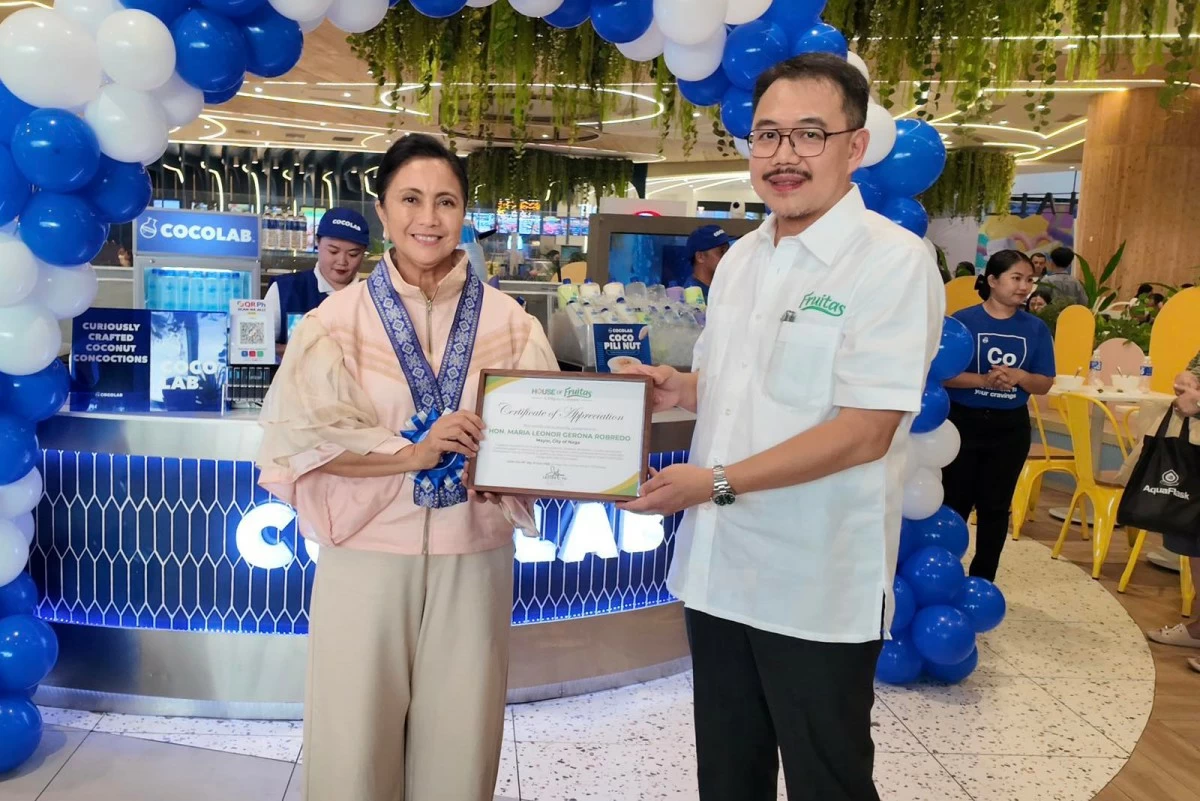
Last June 19, Cocolab officially launched its first-ever store in Naga City, graced by Fruitas Holdings Inc., Founder and CEO Lester Yu, and Naga City Mayor Leni Robredo. The brand prepared various activities for guests and spectators where they can receive limited edition Cocolab gifts. Guests were also given the chance to try the exclusive flavor of their Coco Dessert Shake, the Coco-Pili, which was also launched during the event. It is made of freshly shaken coconut paired with crushed pili nuts to create a rich, creamy texture and a distinct nutty flavor that perfectly complements the natural sweetness of the coconut.

Since the Bicol Region is recognized as the pili nut capital of the Philippines, producing around 80 percent of the country's total pili nut supply, and Naga City serves as the primary processing and manufacturing hub for pili-based products, Cocolab proudly uses locally sourced pili nuts in its offerings. This not only ensures the freshness and quality of its products but also supports local farmers and suppliers, contributing to the growth of the region's agricultural industry.
Furthermore, the brand’s launch in Naga City forms part of both the campaign and a broader advocacy that highlights investor confidence in cities and communities where good governance thrive. Through this initiative, Cocolab, along with Fruitas Holdings Inc., affirms its strong confidence in the city’s potential and its trust in its continued growth under the leadership of Mayor Robredo.
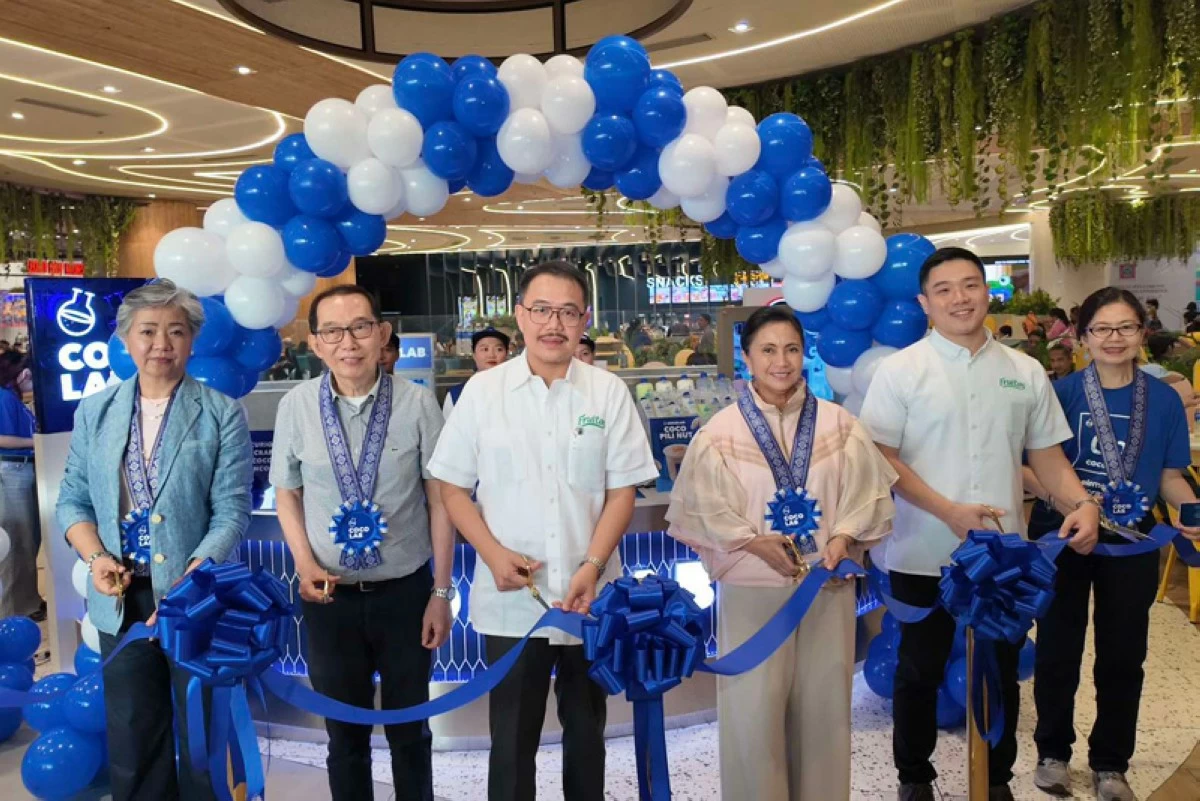
“Sadya pong pinili at ginusto namin na dito sa siyudad ng Naga na buksan ang unang tindahan ng aming Cocolab upang maipakita na kung ang isang siyudad, o ang namamahala sa isang siyudad ay malinis, matapat, masipag, magaling, kusang papasok, mamumuhunan, makikipagsapalaran ang mga pribadong kumpanya,” Fruitas Holdings Inc., Founder and CEO Lester Yu stated in his remarks. (We intentionally chose to open the first Cocolab store here in the City of Naga to demonstrate that when a city—or its leadership—is clean, honest, diligent, and capable, private companies will naturally come in, invest, and take part in its growth and opportunities.)
“For us, Cocolab is more than just your dessert shakes and coconut shakes. It is also about being able to drive local ingredients, local talents, and local ideas in ensuring that we can elevate it into something that’s world-class,” Fruitas Holdings Inc., Chief Marketing Officer Shaun Si shared during the launch.

Cocolab’s opening in Naga City also creates more local employment opportunities by increasing demand for staff in production and logistics, providing stable jobs and income for households. The newest store also strengthens the partnerships with local farmers and suppliers, especially those in the production of coconuts and pili nuts. By sourcing ingredients locally, the business also saves time and operational costs associated with transporting materials and other logistics.
“This is not just a matter of opening another store; it’s about investing in a community, creating opportunities, and expressing our confidence in the future of Naga City and the Bicol Region at large,” Si added.
More than that, Cocolab intends to redefine how individuals experience coconuts as a drink by turning the coconut drink into a unique lifestyle drink that resonates with the new generation who prioritizes mindful consumption. Additionally, launching in Naga City highlights how regional cities are stepping into the spotlight as centers for business investment and consumer innovation. This expansion points to a clear shift as brands move beyond Metro Manila to tap into evolving consumer preferences and new growth markets.
Cocolab stores are also available in SM City La Union, SM South Mall Las Piñas Foodcourt, SM City Sto. Tomas Batangas Foodcourt, SM Supermarket Makati. Experience Cocolab’s refreshing coconut drinks and dessert shakes by visiting the stores near you and watch out for more branches opening.