






Manila Bulletin
 Philippines
National
Pre-hospital, life-saving crisis response the main aim of Yamsuan bill
Philippines
National
Pre-hospital, life-saving crisis response the main aim of Yamsuan bill
Philippines
National
Pre-hospital, life-saving crisis response the main aim of Yamsuan bill
Pre-hospital, life-saving crisis response the main aim of Yamsuan bill
Published Jun 30, 2026 11:26 pm


At A Glance
- Rep. Brian Yamsuan files HB No. 9474 to establish a unified Emergency Medical Services System nationwide, setting clear standards, training, and professionalization for first responders.
- The bill creates a national EMSS Council under DILG and DOH, adopts a unified 911 hotline, sets minimum requirements for ambulances, and establishes plantilla positions for EMS personnel in government facilities.
- Yamsuan says the measure addresses fragmented emergency responses across LGUs and ensures equal, immediate pre-hospital care for all, critical in disasters, accidents, and medical emergencies.
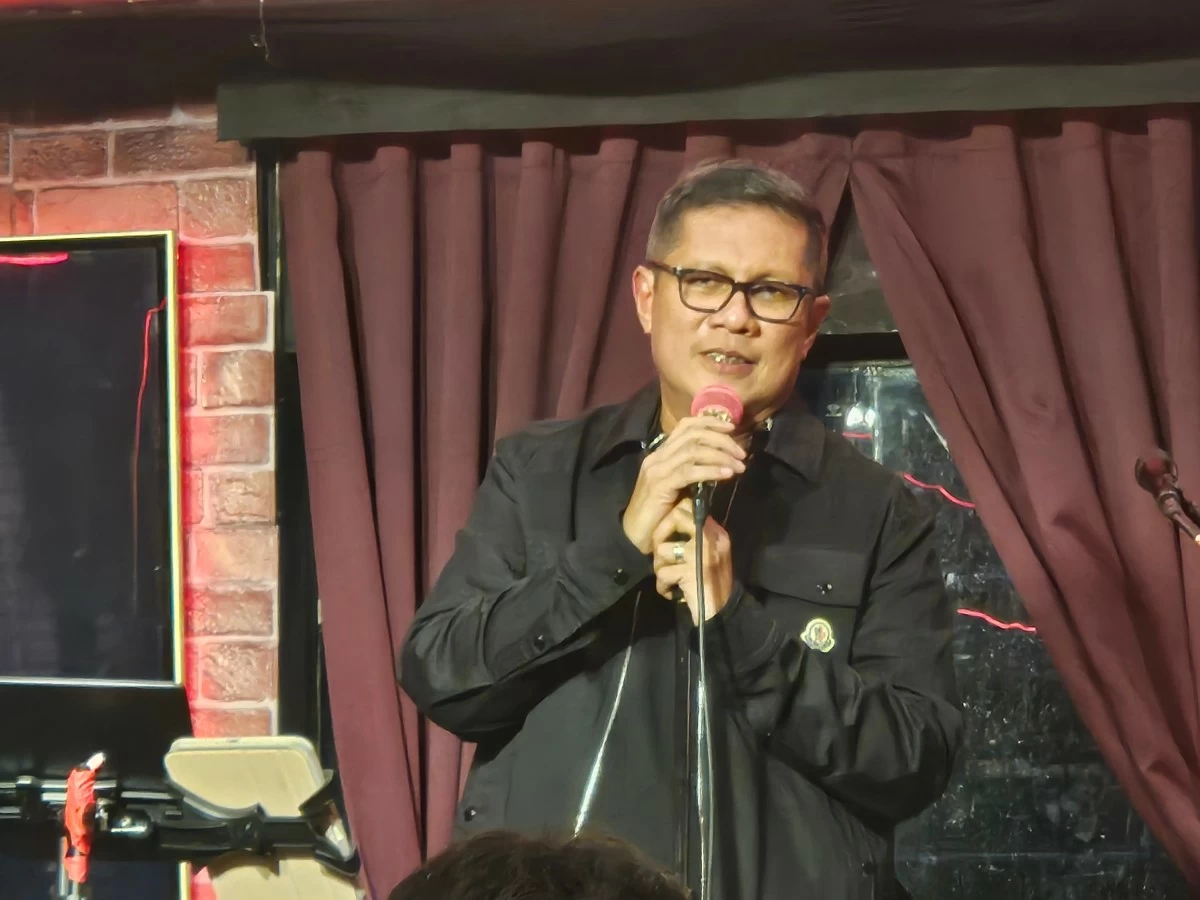
Parañaque City 2nd district Rep. Brian Raymund Yamsuan (Ellson Quismorio/ MANILA BULLETIN)
Countless lives can be saved during emergencies even before reaching the hospital.
In keeping with this notion, Parañaque City 2nd district Rep. Brian Raymund Yamsuan is eyeing through legislation the establishment of a unified and standardized Emergency Medical Services System (EMSS) nationwide.
House Bill (HB) No. 9474 aims to institutionalize the EMSS by putting in place clear national standards for emergency protocols and operations, and mandating the continuing training and professionalization of medical first responders.
The Yamsuan bill seeks to ensure that immediate pre-hospital, life-saving care during times of crises is available in every community.
“A well-functioning, coordinated emergency medical services system ang siyang maaring maging susi para maka-survive at maka-recover ang isang pasyente bago ito madala sa ospital (may be the key to a patient’s survival and recovery before being brought to the hospital),” said the first-time district solon.
“It could spell the difference between life and death for people in critical situations,” he added.
Yamsuan says a robust, comprehensive EMSS is indispensable to a disaster-prone country like the Philippines because this system serves as the first line of defense during natural calamities, mass casualty events and epidemics.
Victims of accidents and patients with medical emergencies likewise deserve immediate, quality pre-hospital intervention as the EMSS serves as their critical first link to definitive medical care, he said.
“During these times of crises, survival is determined not only by the sophistication of the medical equipment, but by how quickly and effectively help arrives before reaching the hospital. As important as it is for our government to invest in better hospitals, medicines and medical technology, even more critical is ensuring a system is in place to connect people to these services when they need them the most,” said Yamsuan.
“Bawat buhay ay mahalaga. Sa anumang krisis, dapat ay pantay-pantay ang paghahatid ng emergency services sa mga nangangailangan, anuman ang estado niya sa buhay (Every life matters. In any crisis, the delivery of emergency services should be equal for all those in need, regardless of one’s status in life),” he added.
Under the measure, a national EMSS Council will be created under the Department of the Interior and Local Government (DILG) to formulate national standards and protocols on emergency medical response that shall be followed by all emergency personnel.
To be chaired by the secretary of the DILG and co-chaired by the secretary of the Department of Health (DOH), the council is also tasked with ensuring the establishment of a system of networking and coordination among all existing government health agencies, local government units (LGUs) and private and non-government medical institutions.
The Bureau of Fire Protection (BFP) shall serve as the secretariat of the council.
No more fragmented response
Yamsuan said he filed HB No. 9474 to address the problem of fragmented, uneven quality of care provided by emergency response systems in the country.
Different LGUs operate varying standards for emergency protocols, ambulance services, dispatch systems and personnel training, with many areas still inadequately equipped, emergency hotlines unavailable or poorly coordinated, he noted.
A unified national emergency hotline 911 shall be adopted under the bill to simplify and ease access to emergency assistance.
HB No.9474 also provides for the creation of plantilla positions for emergency medical services (EMS) personnel in government hospitals and health facilities, including those under LGUs.
The council shall submit proposed qualification standards to the Civil Service Commission (CSC) for the plantilla positions of EMS personnel, who are required to undergo training and continuing education through the DOH and accredited institutions.
The bill also sets minimum requirements for ambulances and other emergency medical vehicles to ensure that these are adequately designed and equipped for crisis response.