






Manila Bulletin
 Lifestyle
Luminaries and Life
How Philippine Ballroom culture found its place on the global stage
Lifestyle
Luminaries and Life
How Philippine Ballroom culture found its place on the global stage
Lifestyle
Luminaries and Life
How Philippine Ballroom culture found its place on the global stage
How Philippine Ballroom culture found its place on the global stage
By John Legaspi
Published Jun 30, 2026 11:05 am
|
Updated Jul 1, 2026 11:13 am


The category is Filipino fierceness! That's how a 2021 Manila Bulletin article began when we followed local houses whose early work helped pave the way for ballroom culture to gain wider recognition. Back then, the ballroom scene and the art of voguing were mostly confined to bars. With the pandemic added to the mix, the community largely thrived in small corners of the internet.
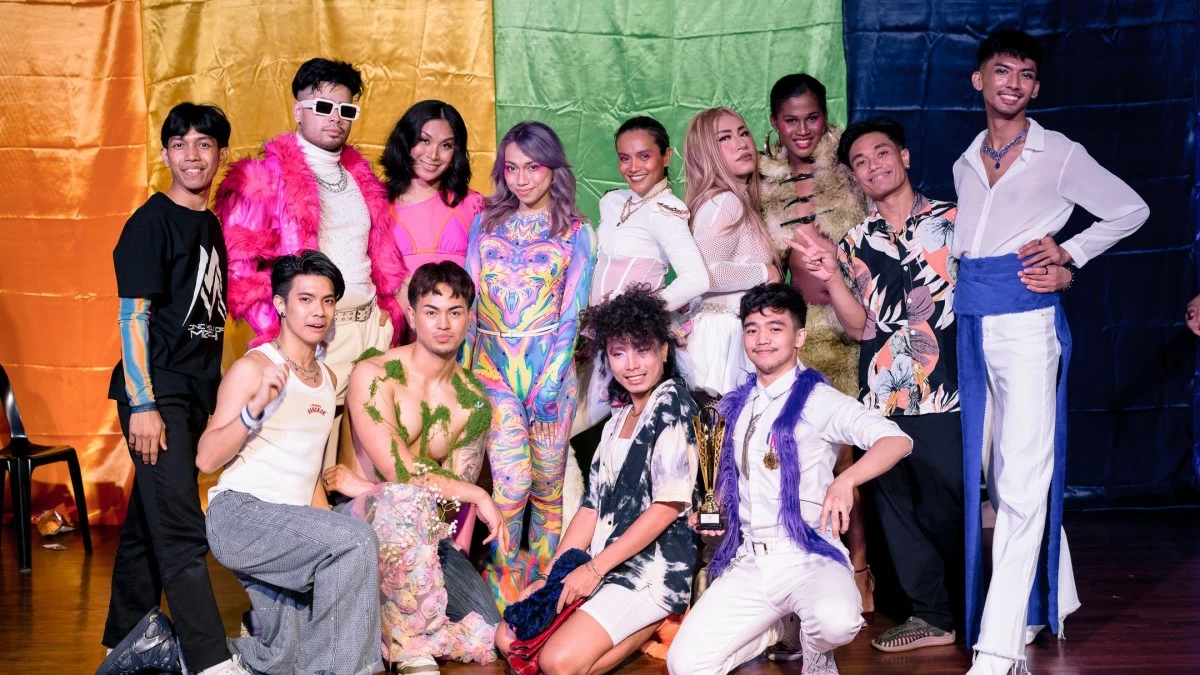
House of Mizrahi PH at the Unicorn Ball (Photos: Xyza Ragunjan)
Over the years, the Philippine ballroom scene has captured the attention not only of local audiences but also of the international ballroom community. Members of some of the world's most iconic ballroom houses have traveled to the Philippines to witness its thriving culture firsthand, recognizing the country's growing influence in the global ballroom movement.
One of its most recent milestones is being featured in the 2025 documentary "10s Across the Borders." Directed by Sze-Wei Chan, the film explores the rise of ballroom culture across Southeast Asia, focusing on the Philippines, Thailand, and Malaysia. Recently, the documentary was screened in SM Cinemas just in time for Pride Month.
While Philippine ballroom culture continues to make waves beyond the country's borders, for local houses and their members, it remains a sanctuary—a place where identity is celebrated, chosen families are built, and authenticity is rewarded.
In a conversation with Manila Bulletin Lifestyle, Xyza Ragunjan, a movement artist and one of the stars of "10s Across the Borders," reflects on the evolution of the Philippine ballroom scene, the power of chosen family, and how a culture born from resilience continues to empower a new generation of LGBTQIA+ Filipinos.
Have there been notable changes in the Filipino ballroom scene over the past few years? We've seen ballroom become more visible in public spaces, such as malls, and you even staged a gala.
Yes, it's expanding really fast. The kids are now house parents, inspiring a whole new generation of voguers, some even as young as 11 years old. In the House of Mizrahi, we've added a few new members, including one from Cebu. But as time went by, some of our house members also needed to prioritize other things in life, so some have become inactive. Still, they will forever be part of the family!
How is ballroom culture represented—or misrepresented—in Philippine mainstream media?
It is most often misrepresented when people think it's just a simple dip or a dance, or that anyone can do it without understanding its essence. You can see and feel when the movement is rooted in the culture and when someone is simply copying the elements.
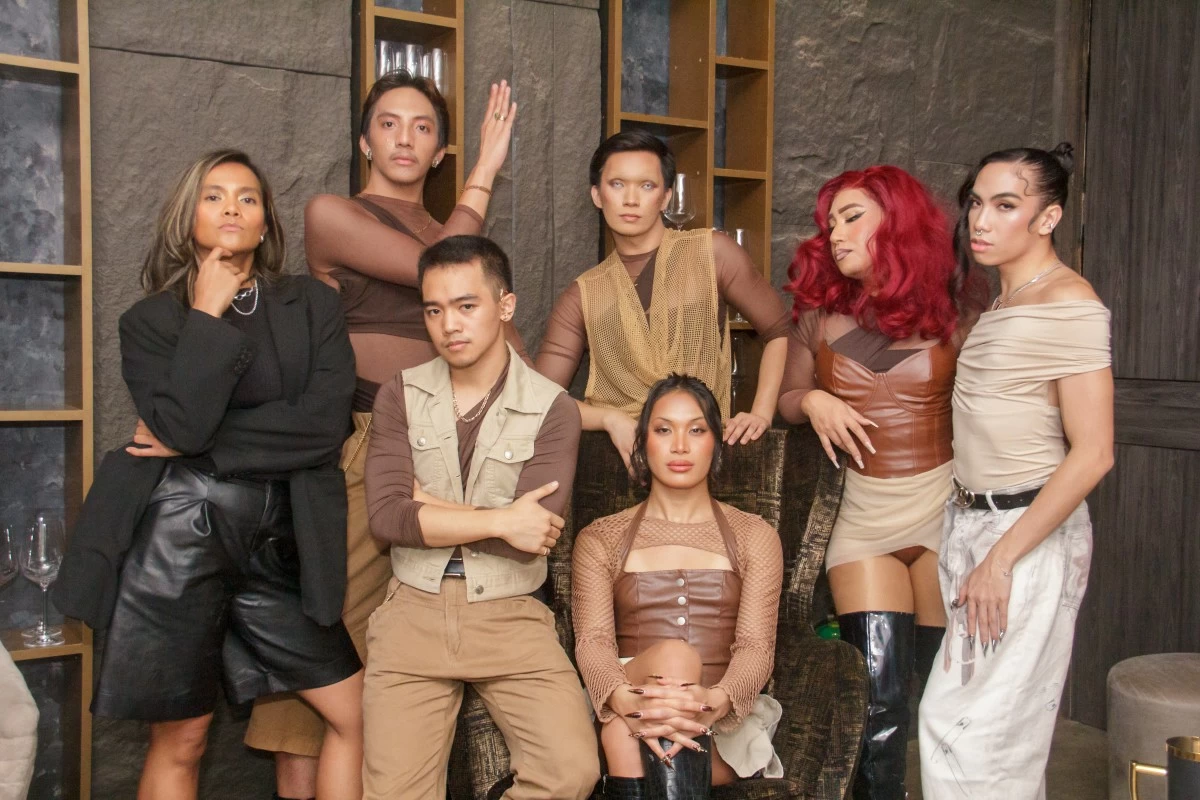
Xyza Ragunjan (in black) with the House of Mizrahi PH
How does ballroom culture continue to play a role in creating safe spaces for queer and trans Filipinos?
There is still a lot more work to be done. Creating a safe space is not easy, and sustaining it can be even more difficult. But with love, I guess, we just keep pushing forward. Seeing a whole new generation being uplifted and finding their place and means of expression in the ballroom community makes it all worthwhile. It's something worth fighting for.
Which ballroom categories are most popular in the Philippines, and why? Are there uniquely Filipino categories or performance styles emerging?
Fashion categories are becoming increasingly popular in the country. What's unique is seeing just how creative Filipinos can be—creating incredible looks without spending too much. It highlights not only talent but also the natural resourcefulness of Filipinos.
Finally, what does the future of ballroom culture in the Philippines look like? What can we do to keep the culture growing?
The ballroom community is expanding beyond Metro Manila, with growing scenes in Cebu, Davao, Bulacan, Pampanga, and other places. It takes so much passion and energy to keep the community thriving, but its continued growth feels inevitable. One way to help the scene grow is by supporting ballroom functions, which are now held almost monthly, attending classes and workshops led by members of the community, and booking artists who truly represent, respect, and value the ballroom scene.