






 Business
Trade & Industry
Asia-Pacific airlines sustain growth despite Middle East disruptions
Business
Trade & Industry
Asia-Pacific airlines sustain growth despite Middle East disruptions
Asia-Pacific airlines sustain growth despite Middle East disruptions


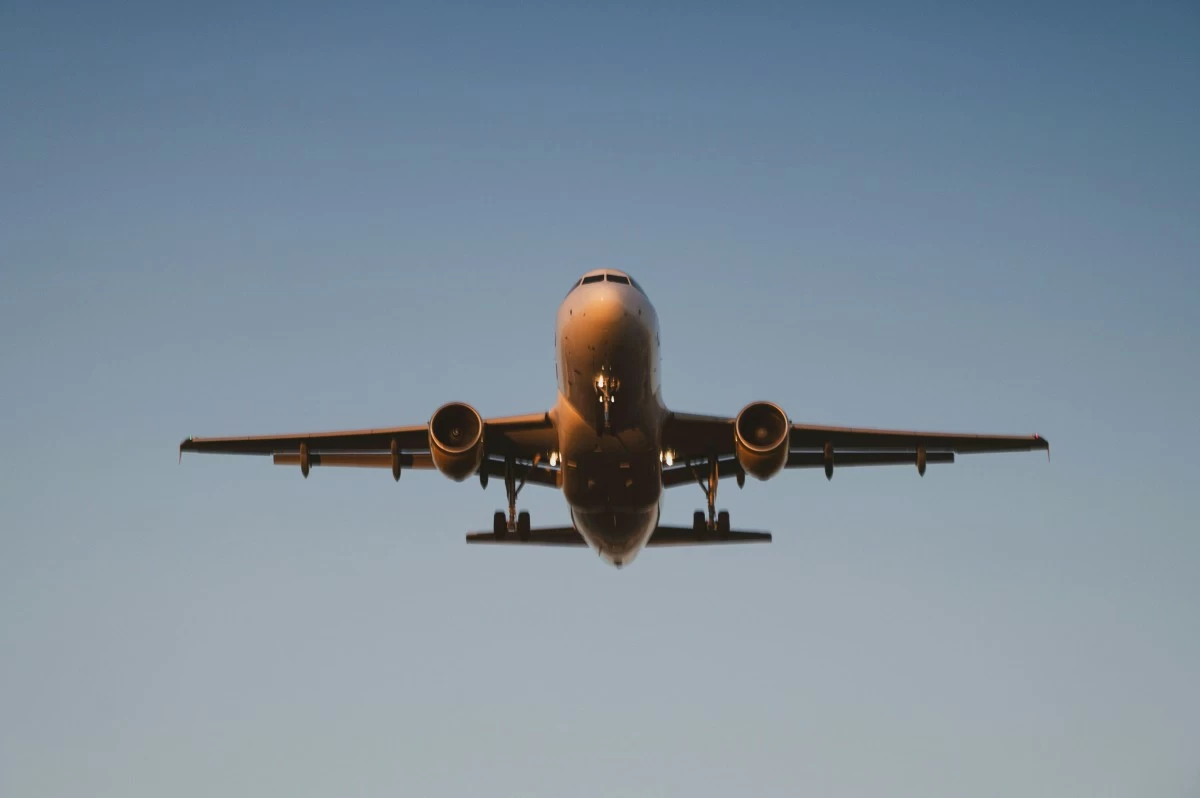
Airlines based in the Asia-Pacific region maintained positive momentum in passenger traffic during the first five months of 2026 despite reduced flight schedules beginning to take their toll, according to the Kuala Lumpur-based Association of Asia Pacific Airlines (AAPA).
The latest preliminary AAPA data released last Monday, June 29, showed that the region’s passenger volume from January to May increased by nearly four percent to 166.77 million from 160.48 million in the same period last year.
Asia-Pacific airlines recorded total demand of around 607 billion revenue passenger kilometers (RPK) by the end of May, up 5.8 percent from 573.73 billion RPK a year ago.
In terms of carrying capacity, available seat kilometers (ASK)—which measure the number of seats available multiplied by the distance flown—reached 720.44 billion ASK, up from 698.27 billion ASK.
While demand for air travel remained relatively healthy, AAPA recorded its first monthly decline in passenger traffic this year in May. Passenger volume for the month softened to 31.65 million from nearly 32 million in May last year.
The regional aviation group attributed the decline to a reduction in flight networks by some airlines, which cut key routes to the Middle East due to the ongoing conflict.
Other routes were also affected as airlines reduced overall capacity to cushion the impact of elevated jet fuel prices, which have contributed to higher airfares.
Despite this, the passenger load factor (PLF) in May improved by 1.2 percentage points (ppts) to 82 percent from 80.8 percent a year ago. For the five-month period, the PLF averaged 84.3 percent, reflecting higher seat occupancy relative to available capacity.
For the remainder of the year, AAPA director general Wong Hong said the recent easing of tensions in the Middle East may help alleviate concerns over flight safety and fuel costs.
However, Hong said airlines continue to face uncertainty due to shifts in global trade policies, broader economic headwinds, and geopolitical developments.
“Rising inflationary pressures are also contributing to higher non-fuel operating costs, and may weigh on consumer spending and travel demand in the months ahead,” he said.
Hong said he remains upbeat about the overall outlook for Asia-Pacific airlines for the rest of the year, citing their ability to respond effectively to evolving demand patterns and capture growth opportunities.
In the Philippines, passenger demand is likely to be supported by the easing of passenger fuel surcharge. The Civil Aeronautics Board (CAB) earlier reduced the surcharge to Level 9 for the period from July 1 to 15, down from Level 12.
This is the lowest surcharge level since the start of the Middle East conflict in February. It reached a record Level 19 in the second half of April as jet fuel prices nearly doubled from last year’s average levels.
Under Level 9, airlines may collect a fuel surcharge ranging from ₱287 to ₱839 for domestic flights and from ₱947.39 to ₱7,044.27 for international flights, depending on the distance.