






Manila Bulletin
 Philippines
National
Should eligible Filipinos be automatically registered for military reserve service? Padilla thinks so
Philippines
National
Should eligible Filipinos be automatically registered for military reserve service? Padilla thinks so
Philippines
National
Should eligible Filipinos be automatically registered for military reserve service? Padilla thinks so
Should eligible Filipinos be automatically registered for military reserve service? Padilla thinks so
By Dhel Nazario
Published Jun 29, 2026 02:31 pm


At A Glance
- Senator Robin Padilla filed Senate Bill No. 2042 to automatically register Filipinos aged 18 to 25 into the military reserve database using existing government records, including PhilSys.
- Padilla said the measure aims to improve the country's readiness for national defense, disaster response, humanitarian operations, and other emergencies—not to create a standing army or automatically place citizens into active military service.
- The proposal includes safeguards for data privacy, allows overseas Filipinos to verify and update their records through digital and consular channels, and seeks to maintain a more accurate and up-to-date reserve force registry.
With the Philippines facing increasingly complex security challenges and recurring natural disasters, Senator Robin Padilla is pushing for a modernized military registration system that he says will help ensure the country is prepared before the next crisis strikes.
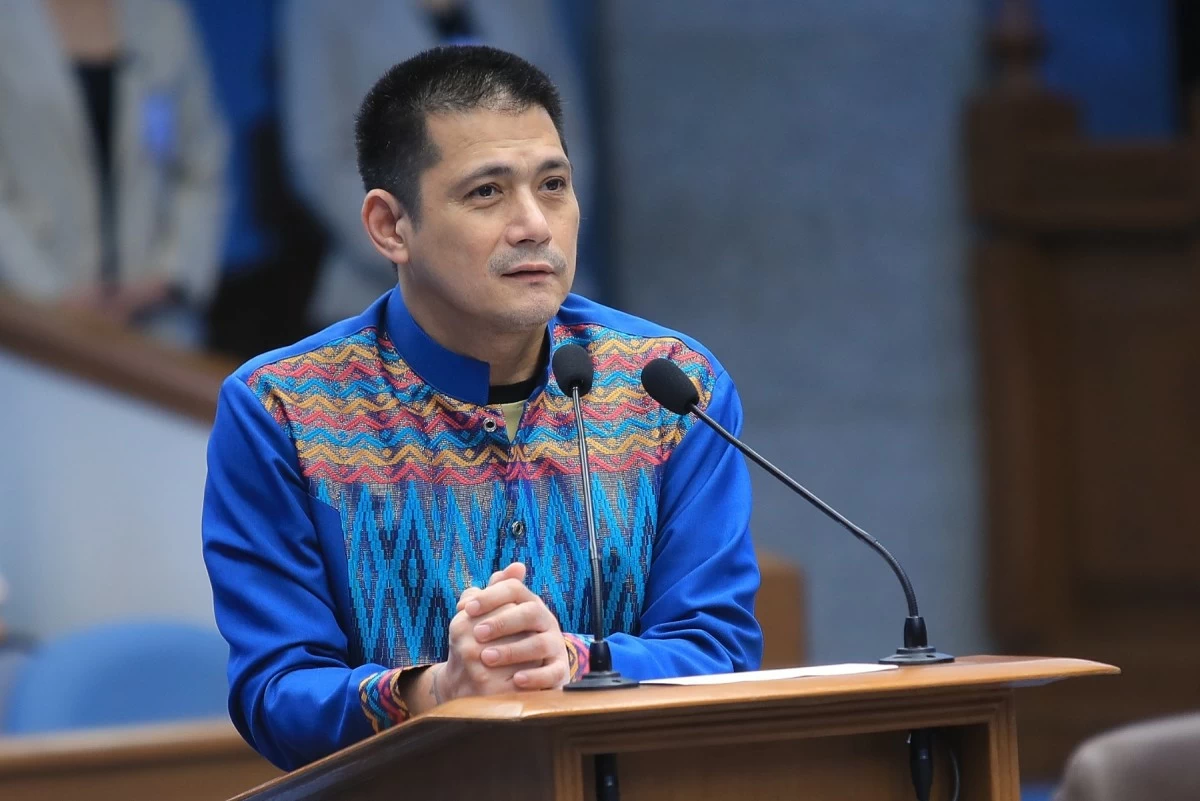
Senator Robinhood Padilla (Senate PRIB photo)
Padilla has filed Senate Bill No. 2042, which seeks to automatically register eligible Filipinos into the country's military reserve force database by integrating existing government records, including the Philippine Identification System (PhilSys).
The proposal amends the Citizen Armed Forces of the Philippines Reservist Act by requiring the continuous registration of Filipino citizens aged 18 to 25 through government databases instead of relying on manual enrollment.
According to Padilla, the measure is designed to strengthen the country's ability to mobilize personnel not only for national defense but also for humanitarian assistance, disaster response, and other national emergencies.
"Hindi natin hinihiling na magkaroon ng digmaan bago tayo maghanda. Ang tunay na sukatan ng isang matatag na bansa ay ang kahandaan nito bago pa man dumating ang anumang krisis (We do not ask for war before we prepare. The true measure of a strong nation is its readiness even before any crisis arrives)," he said.
He said the proposal comes as the Philippines contends with evolving threats, including territorial disputes in the West Philippine Sea, cybersecurity risks, and the increasing frequency of climate-related disasters.
"Sa tuwing may kalamidad, lindol, bagyo, pagbaha, o anumang pambansang sakuna, ang unang tanong ay lagi nating naririnig: sapat ba ang ating tao at sapat ba ang ating kahandaan? Ang panukalang ito ay bahagi ng sagot sa tanong na iyan (Whenever there is a calamity—earthquake, typhoon, flood, or any national disaster—the first question we always hear is: do we have enough people and are we adequately prepared? This proposal is part of the answer to that question)," he said.
Padilla stressed that the bill would not create a standing army or automatically place citizens into active military service. Instead, it seeks to establish a more accurate and updated registry of citizens who may be called upon if needed for military service, civil defense, humanitarian operations, disaster response, or other forms of national service.
Under the measure, registration would be facilitated through existing government databases, reducing administrative requirements for citizens while enabling the Department of National Defense to maintain a more reliable reserve force registry. The bill also includes provisions requiring compliance with existing data privacy and data protection laws.
The proposal extends to Filipinos living overseas by allowing automatic registration through available government databases, including passport records, while giving overseas Filipinos secure digital and consular channels to verify and update their information.
For Padilla, the proposal goes beyond military preparedness and is equally about strengthening the country's capacity to respond during emergencies.
He added that every Filipino has a role to play in serving and protecting the nation. In contrast, the government is responsible for building a system capable of organizing that contribution effectively.
"Ang bawat mamamayan ay may papel sa pagtatanggol at paglilingkod sa bayan. Ang responsibilidad ng pamahalaan ay tiyaking organisado, maayos, at makabago ang sistemang susuporta sa tungkuling ito (Every citizen has a role in defending and serving the nation. The responsibility of the government is to ensure that the system supporting this duty is organized, efficient, and modern)," he said.
Padilla said he hopes the bill will foster a stronger culture of preparedness and civic responsibility while equipping government agencies with the information needed to respond more effectively during times of national need.