







Philippines moves closer to rice import safeguards


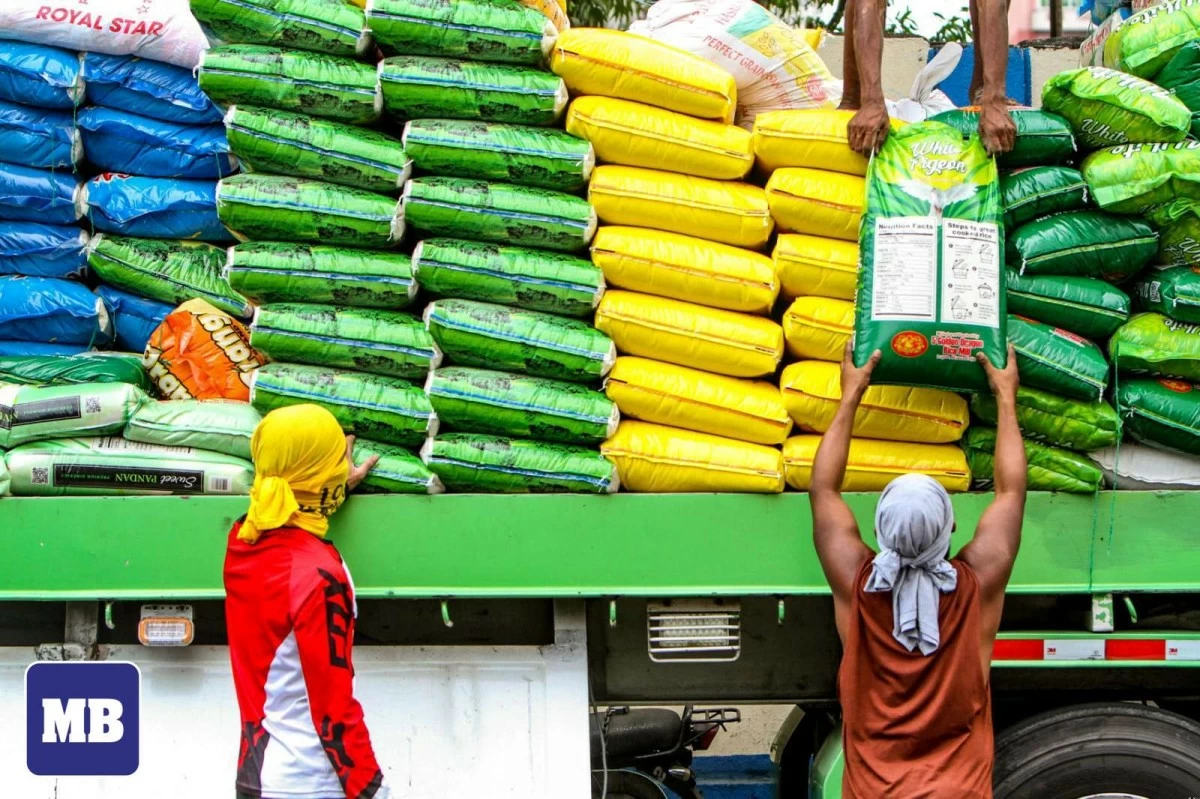
The Philippines may soon impose safeguard measures to control the entry of imported rice after the Department of Agriculture (DA) found that the surge in shipments of the household staple is directly harming farmers and the local rice sector.
Under Department Order (DO) No. 18 dated June 24, the DA said its investigation found a causal link between increased rice imports and serious injury to the domestic industry.
While DO 18 did not disclose the actual findings, the DA said its case records will be transmitted to the Tariff Commission (TC) for a formal investigation to determine whether there is a need to impose definitive safeguard measures.
The DA’s probe covered the submissions of petitioners Federation of Free Farmers (FFF) and Magsasaka Partylist, with the period of investigation spanning 2020 to August 2025.
In its notification to the World Trade Organization (WTO), the DA said it initiated a safeguard investigation after the petitioners argued that increased rice imports are a substantial cause of serious injury and pose a threat to the domestic industry.
In particular, the country’s rice importation has been linked to declining self-sufficiency, a contraction in harvested area, increasing production costs without corresponding productivity gains, and a widening farmgate-to-retail price gap.
FFF national manager Raul Montemayor earlier said that the DA’s claim that importation is only a last resort in addressing local supply gaps and rising rice prices is inconsistent with what is actually happening on the ground.
“[The DA] has effectively allowed the private sector to import unlimited volumes at low tariffs and balked at imposing safeguard duties even when imports have become excessive and seriously harmful to farmers,” Montemayor said.
The Philippines has been increasing rice imports this year to help supplement domestic production, which is expected to decline amid higher input costs and the threat of El Niño.
The latest Bureau of Plant Industry (BPI) data showed that the country’s rice imports from January to May reached 2.31 million metric tons (MT), up 20 percent from the 1.93 million MT recorded in the same period last year.
If the TC determines that safeguard measures are needed to limit importation, the government may consider actions such as the imposition of tariffs or QRs to protect the local industry from further harm.
“Should the investigation result in the imposition of safeguard measures, import volumes in marketing year (MY) 2026-2027 could face additional downward pressure,” the United States Department of Agriculture (USDA) said.
The USDA earlier raised its rice import forecast for the Philippines to 5.2 million MT in MY 2026-2027 from its previous estimate of 5.1 million MT. The MY for rice begins in July and ends in June of the following year.