






Manila Bulletin
 Lifestyle
Health and Wellness
Is a hair transplant in the Philippines worth the investment? The cost vs. confidence analysis
Lifestyle
Health and Wellness
Is a hair transplant in the Philippines worth the investment? The cost vs. confidence analysis
Lifestyle
Health and Wellness
Is a hair transplant in the Philippines worth the investment? The cost vs. confidence analysis
Is a hair transplant in the Philippines worth the investment? The cost vs. confidence analysis
By MBrand
Published Jun 29, 2026 04:36 pm


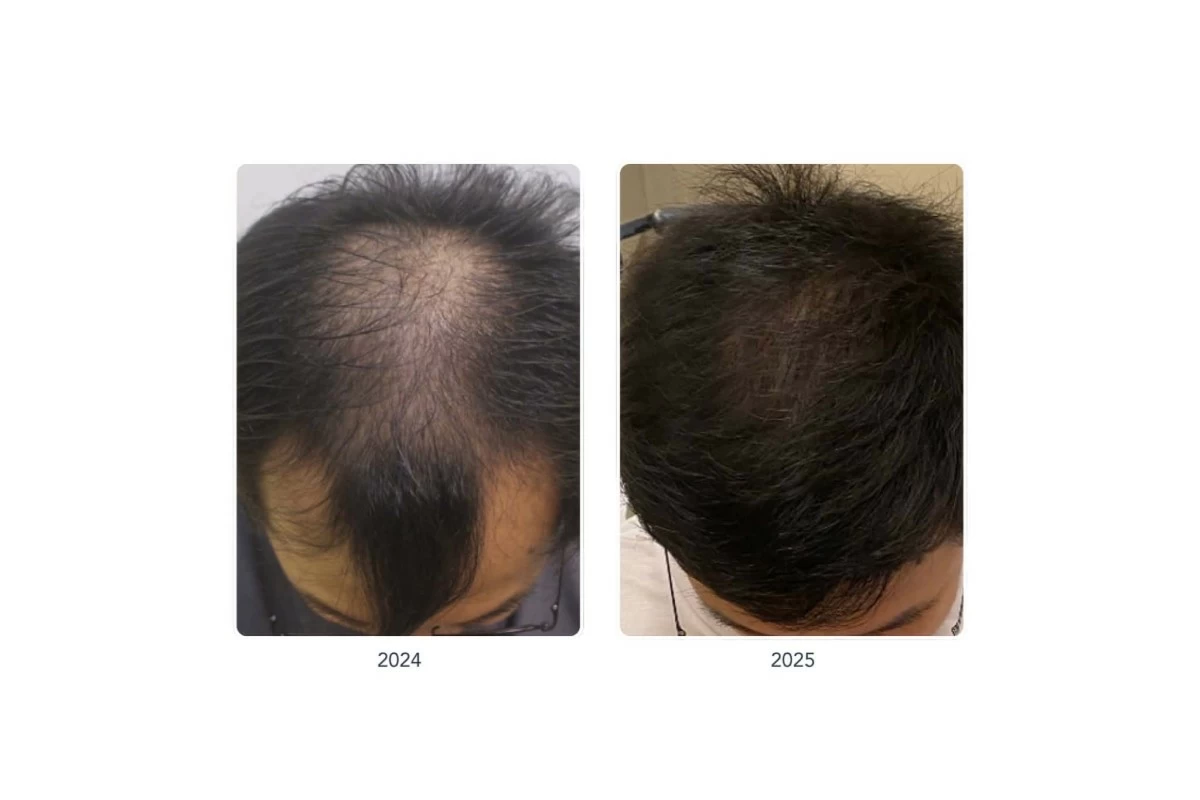
Hair does more than frame the face—it reflects our style, confidence, hygiene, and even our overall well-being. That’s why hair loss can feel deeply personal, affecting not only appearance but also self-esteem. Fortunately, advances in modern medicine have transformed hair restoration into a highly effective and increasingly sought-after solution.
Hair loss is remarkably common, affecting around 60 percent of men and 40 percent of women, and the most common cause is genetics, known medically as Androgenetic Alopecia. Other contributing factors may include stress, smoking, hormonal changes, and certain autoimmune conditions.
Choosing to undergo a hair transplant is more than a cosmetic decision—it is an investment in how you look and feel. By restoring natural hair growth, the procedure can enhance confidence, improve self-image, and positively influence both personal and professional opportunities over time.
French-Inspired standards of skincare and beauty
Clinique de Paris is a luxury medical aesthetics and hair restoration clinic in Manila that combines French-inspired standards of care, advanced technology, and highly personalized treatment. Specializing exclusively in surgical and non-surgical hair-loss solutions, the clinic has built a reputation for delivering natural-looking results in a discreet, world-class quality.
In dermatology and aesthetics, a "French-inspired" standard of care favors minimalism, prevention, and natural elegance over aggressive treatments. It prioritizes simplicity and consistency; instead of overloading the face with products, the routine is highly streamlined. Culturally, the French rely heavily on high-quality, scientifically formulated products. That’s why in Clinique de Paris, they only offer prescription-only medication, and an assessment with their doctors is required. Their philosophy centers on maintaining skin & scalp barrier health and natural aging, rather than changing so much of who you are. That beauty is about enhancing what has always been there, supporting your evolution, artfully refined. Its surgeons are internationally trained and dedicated exclusively to hair transplantation, with each doctor having successfully implanted more than one million hairs throughout their careers. This depth of experience ensures exceptional precision, artistry, and consistency in every procedure.
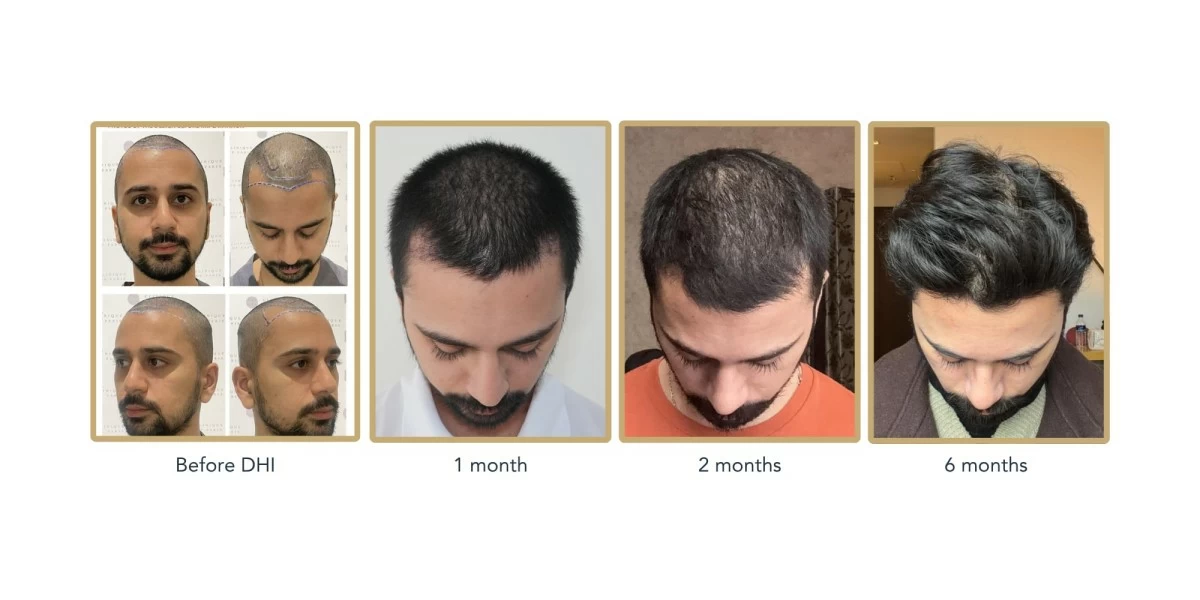
From the initial consultation to post-procedure recovery, every step is designed to provide a seamless and reassuring experience. The clinic uses Direct Hair Implantation (DHI), widely regarded as the most advanced hair transplant technique available today, offering no strips, no scars, and no stitches, and natural-looking results that people cannot tell are a hair transplant.
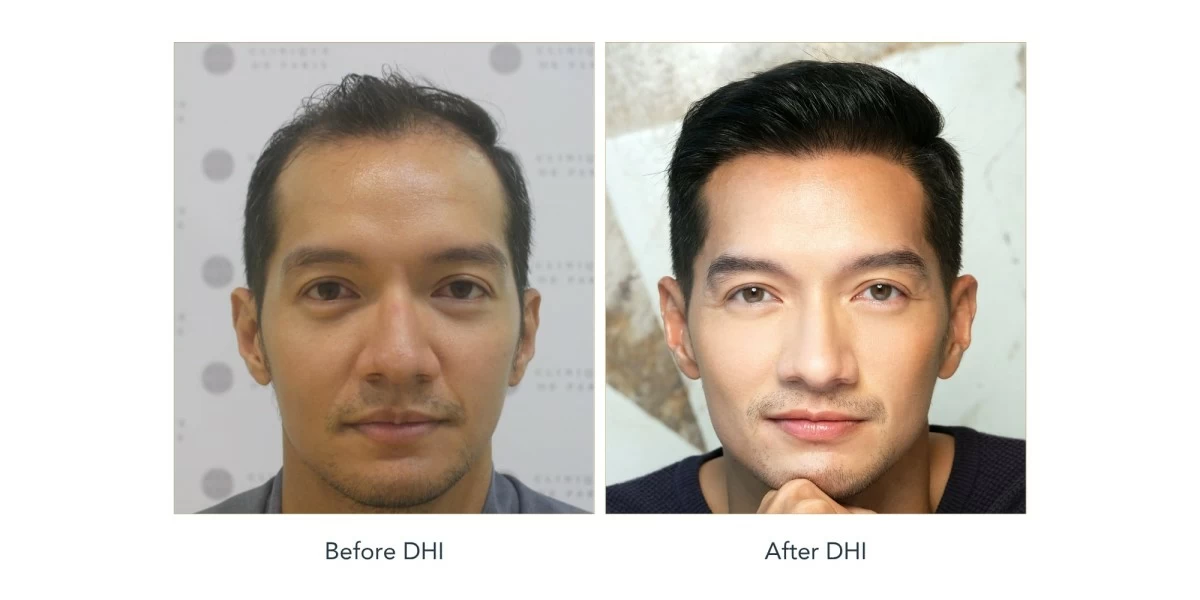
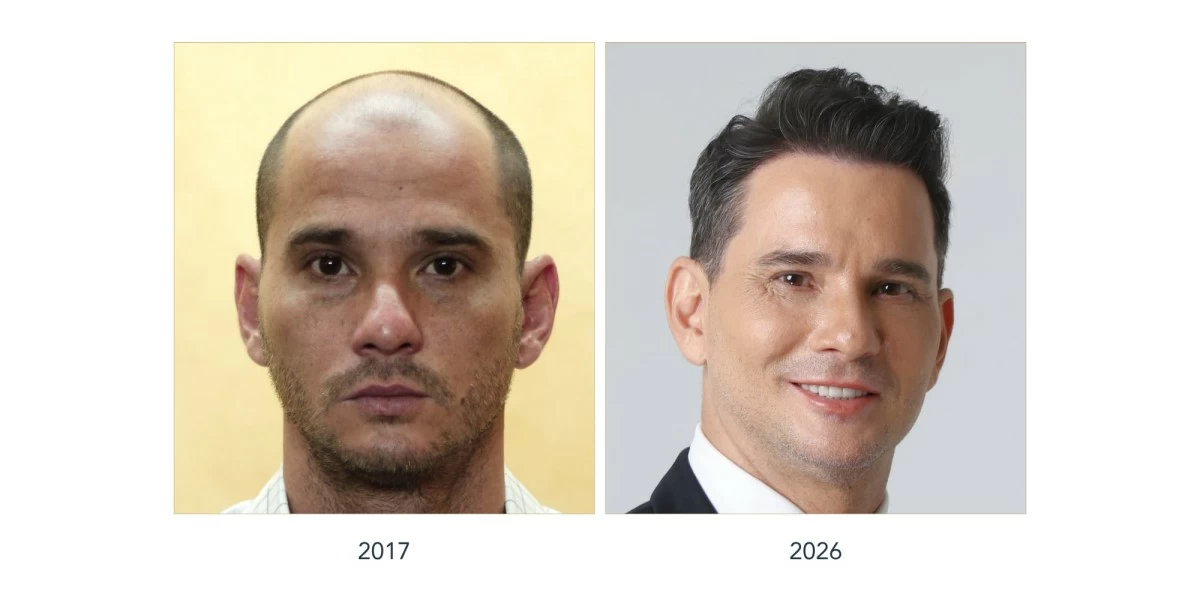
Unlike many clinics that charge by the graft, Clinique de Paris charges by the individual hair. This distinction matters because a single graft may contain anywhere from one to five hairs. By focusing on the exact number of healthy hairs transplanted, the clinic can preserve the donor area more effectively while tailoring each procedure with greater precision.
This patient-first approach ensures that only the necessary hairs are harvested to achieve the desired result, helping create fuller, more natural-looking density without compromising the long-term health of the scalp.
While countries such as Turkey and the United States are known for hair transplant tourism, treatment abroad often comes with added costs for travel, accommodations, and logistics. In the United States, procedures can exceed $20,000. Clinique de Paris offers an appealing balance: European-standard technology, Australian-led medical protocols, warm Filipino hospitality, precision and artistry, and globally competitive pricing—all delivered in Manila with results that meet international standards.
Invest in long-term hair loss treatment
Today’s hair restoration is far more sophisticated than many people realize. What was once seen as a purely cosmetic procedure has evolved into a highly specialized medical treatment, with techniques designed to deliver men and women with faster healing, increased growth rate, and beautiful, natural-looking, long-lasting results tailored to each individual.
Among the most commonly performed procedures are Follicular Unit Transplantation (FUT), Follicular Unit Extraction (FUE), and Direct Hair Implantation (DHI).
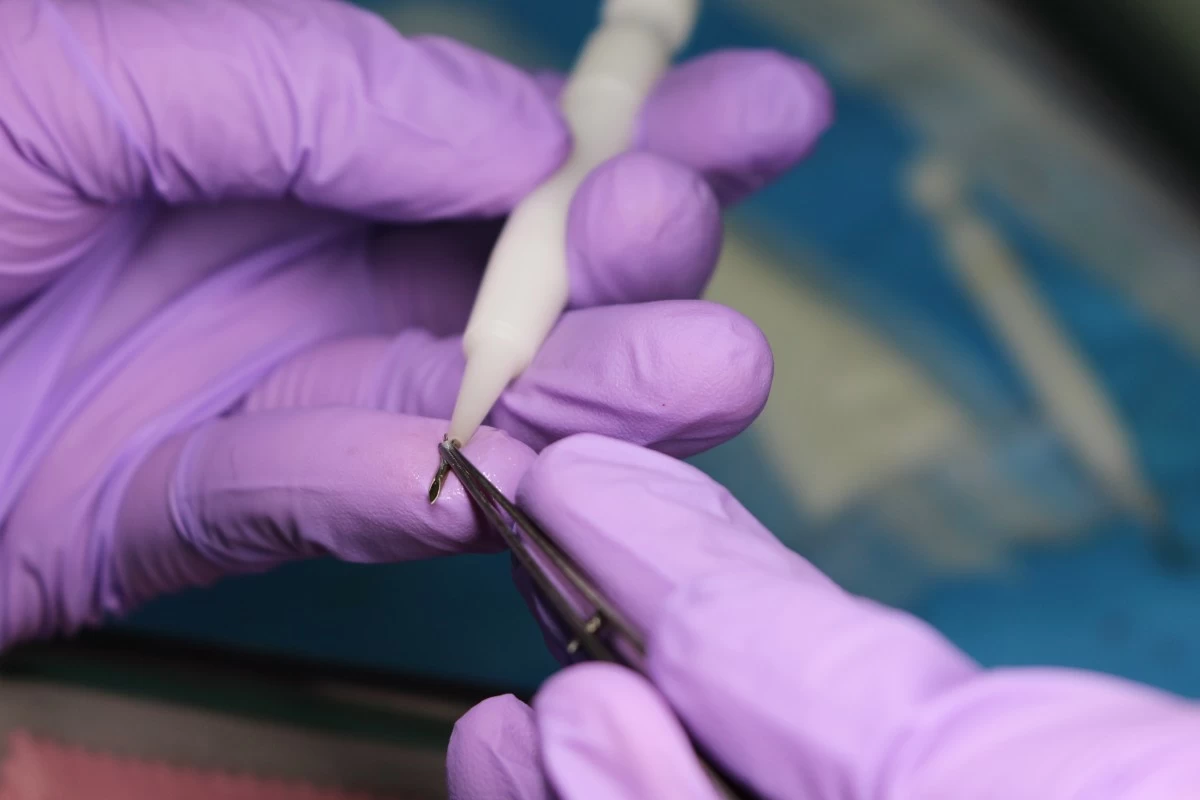
FUT involves removing a thin strip of scalp from the donor area and transplanting the harvested follicles to areas of thinning or baldness, making it ideal for patients who require a larger number of grafts. FUE takes a less invasive approach by extracting individual follicles and implanting them into tiny incisions, resulting in minimal scarring and faster recovery. DHI is a more precise variation of FUE that uses a specialized DHI-patented implantation device to place each follicle with greater control and precision, without the use of a scalpel, creating natural-looking density and hairlines.
As with any advanced medical treatment, the cost of a hair transplant depends on several factors: the extent of hair loss, the number of grafts required, and the technique best suited to your goals. Because every scalp tells a different story, pricing is ultimately determined after a thorough consultation with your doctor, who will recommend a personalized treatment plan based on your unique needs.
In Manila, a hair transplant typically costs between PHP 150,000 (approximately USD 2,500) and PHP 750,000 (approximately USD 12,500). The final price depends on several factors, including the number of healthy hairs available in the donor area, the size of the treatment zone, and the total number of hairs required to achieve the desired density and coverage. These figures serve as general estimates, and the most accurate way to determine your personalized treatment cost is through a consultation with a qualified specialist.
At Clinique de Paris, hair transplant procedures start at P250,000 and up, depending on the number of hairs required for optimum results. This all-inclusive package covers exclusive use of the clinic’s private facility, pre-procedure assessments and blood tests, postoperative medications, and care supplies. For larger areas requiring more hair, the overall investment increases accordingly.
Experience the most advanced procedures, facilities, and techniques while being served with the utmost care and attention. Visit https://cliniquedeparis.com/ and book a FREE consultation now!