







Connected by design for the cities of tomorrow
As developers weave transit, walkability, and connectivity into mixed-use communities, accessibility is emerging as a cornerstone of the next generation of communities
Published Jun 29, 2026 08:30 pm


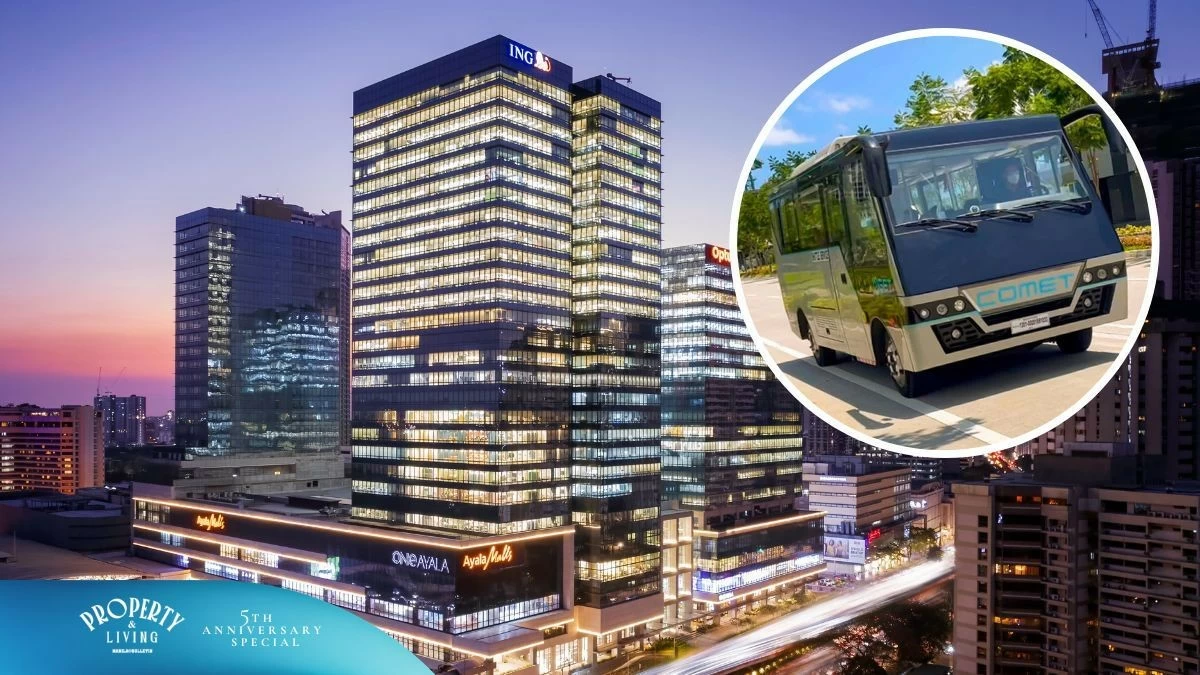
The future of living is not only shaped by where people live, but also by how easily they can access jobs, services, and everyday destinations. As cities become larger and more interconnected, accessibility is increasingly influencing how communities are planned and where new developments take shape.
To support this, urban planners and developers are placing greater emphasis on both walkability and connectivity. Rather than building communities that depend heavily on private vehicles, many new estates and mixed-use districts are designed to bring homes, workplaces, retail spaces, and public amenities closer together while linking them to broader transport networks. The goal is to make daily travel more efficient, whether on foot or through public transit.
This approach is reflected in a growing number of transport-integrated developments across the country. By combining transit hubs, mobility services, and regional transport connections with offices, commercial centers, public spaces, and housing, these developments help reduce travel time, improve accessibility, and create communities that are easier to navigate. In doing so, they are helping shape more connected and convenient environments for the cities of tomorrow.
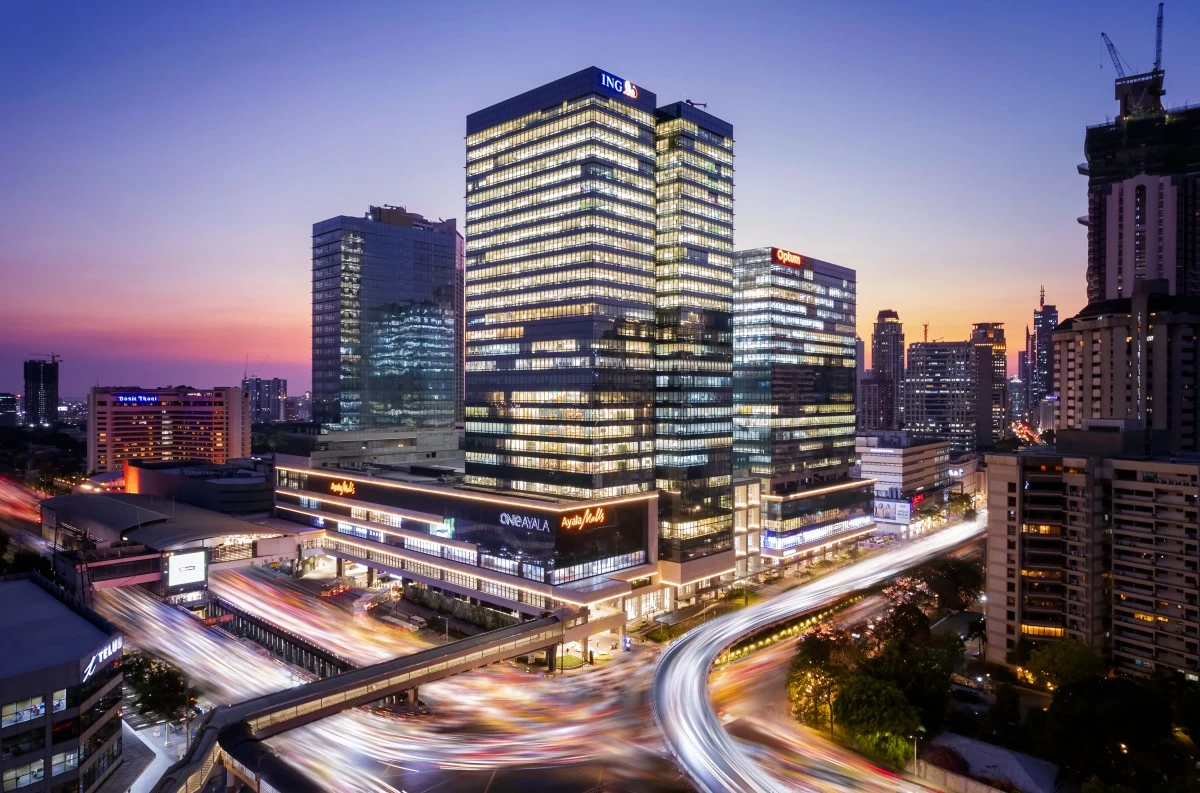
One Ayala (Photo: Ayala Land)
Ayala Land Inc.
Ayala Land Inc. has placed transportation at the center of several developments across Metro Manila and nearby growth areas. One Ayala in Makati integrates buses, P2P services, jeepneys, and the MRT-3 within a mixed-use complex. In Quezon City, the upcoming Exchange at Trinoma expands the mall's role as a transit-linked destination by bringing together retail, office, parking, and transport facilities. In Taguig, Arca South is being developed alongside future connections to the Taguig City Integrated Terminal Exchange, the North-South Commuter Railway, and the Metro Manila Subway. Meanwhile, Vermosa in Cavite features a transport terminal that provides direct links to key destinations such as Makati, BGC, Alabang, PITX, and nearby cities.
Ayala Land Inc. has placed transportation at the center of several developments across Metro Manila and nearby growth areas. One Ayala in Makati integrates buses, P2P services, jeepneys, and the MRT-3 within a mixed-use complex. In Quezon City, the upcoming Exchange at Trinoma expands the mall's role as a transit-linked destination by bringing together retail, office, parking, and transport facilities. In Taguig, Arca South is being developed alongside future connections to the Taguig City Integrated Terminal Exchange, the North-South Commuter Railway, and the Metro Manila Subway. Meanwhile, Vermosa in Cavite features a transport terminal that provides direct links to key destinations such as Makati, BGC, Alabang, PITX, and nearby cities.
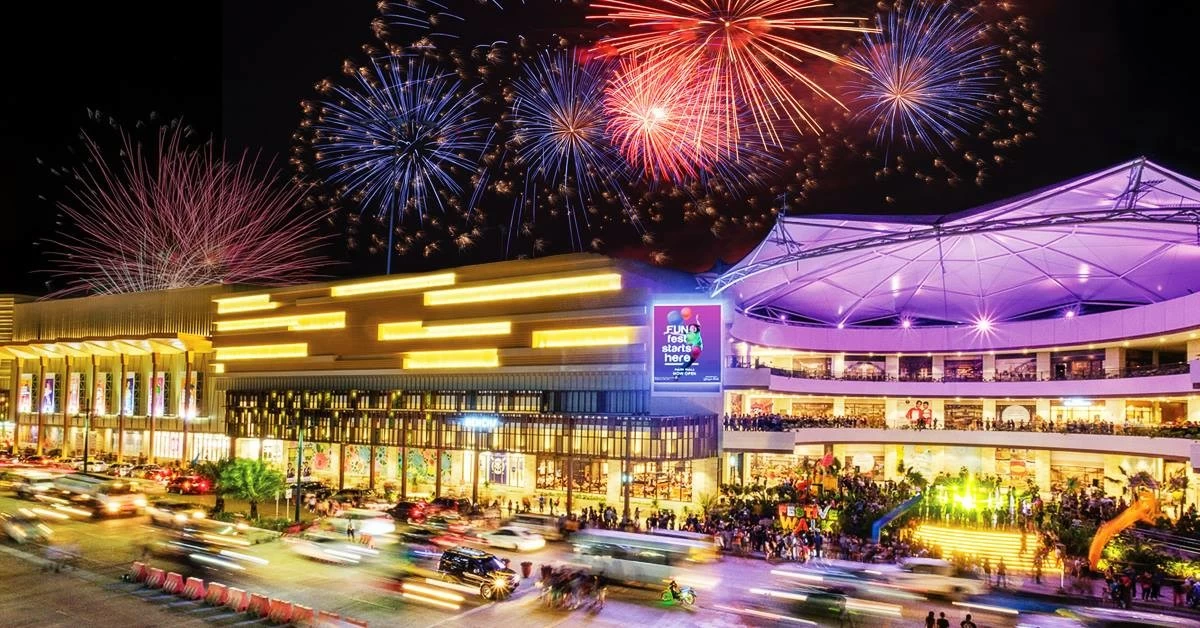
Festive Walk Mall Iloilo (Photo: Megaworld Lifestyle Malls)
Megaworld Corporation
Megaworld Corporation has incorporated transportation facilities across its township developments to improve access within and beyond its estates. In Iloilo City, the Festive Walk Transport Hub serves as a central gateway within the 72-hectare Iloilo Business Park, connecting commuters to destinations across Western Visayas while supporting the township's offices, hotels, retail centers, and residential developments. Similar facilities can be found in Eastwood City in Quezon City, Southwoods City in Biñan, Laguna, and Clark Cityfront Mall in Pampanga, providing residents, workers, and visitors with convenient links to surrounding business districts, transport networks, and key destinations.
Megaworld Corporation has incorporated transportation facilities across its township developments to improve access within and beyond its estates. In Iloilo City, the Festive Walk Transport Hub serves as a central gateway within the 72-hectare Iloilo Business Park, connecting commuters to destinations across Western Visayas while supporting the township's offices, hotels, retail centers, and residential developments. Similar facilities can be found in Eastwood City in Quezon City, Southwoods City in Biñan, Laguna, and Clark Cityfront Mall in Pampanga, providing residents, workers, and visitors with convenient links to surrounding business districts, transport networks, and key destinations.
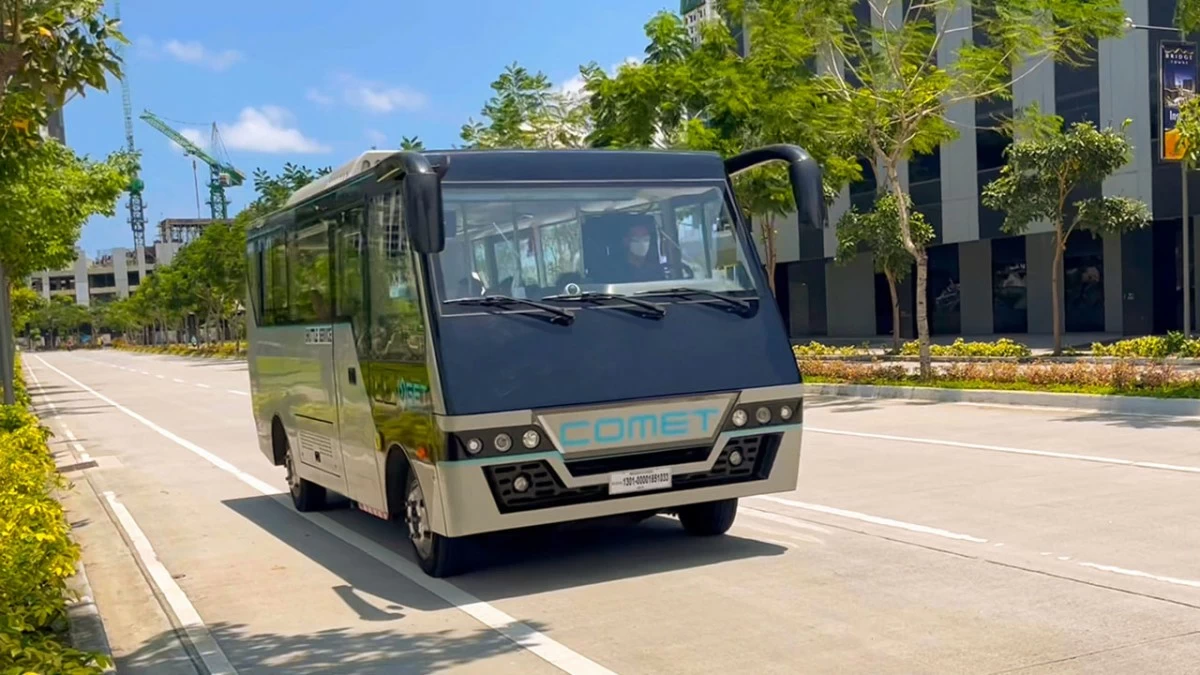
The COMET Electric Shuttle in Bridgetowne Destination Estate (Photo: Robinsons Offices)
Robinsons Land Corporation
Robinsons Land is expanding mobility options within Bridgetowne Destination Estate through initiatives that promote accessibility and sustainability. Located along the C-5 corridor between Pasig and Quezon City, the mixed-use development forms part of a broader network connecting Robinsons Land destinations across Metro Manila. In partnership with Global Electric Transport (GET) and the MMDA, the company launched the Electric Love Bus program, offering point-to-point electric shuttle services between Robinsons Galleria and Bridgetowne.SM Prime Holdings
SM Prime is strengthening connectivity within its developments through transport infrastructure that links its properties to major transit networks. The MOA Transportation Terminal connects commuters to destinations across Metro Manila and nearby provinces, while SM North EDSA and SM City Clark are being integrated with existing and future rail systems, including the MRT-3, Metro Manila Subway, and North-South Commuter Railway. Together, these projects reflect SM Prime's approach to integrating mobility into large-scale mixed-use developments.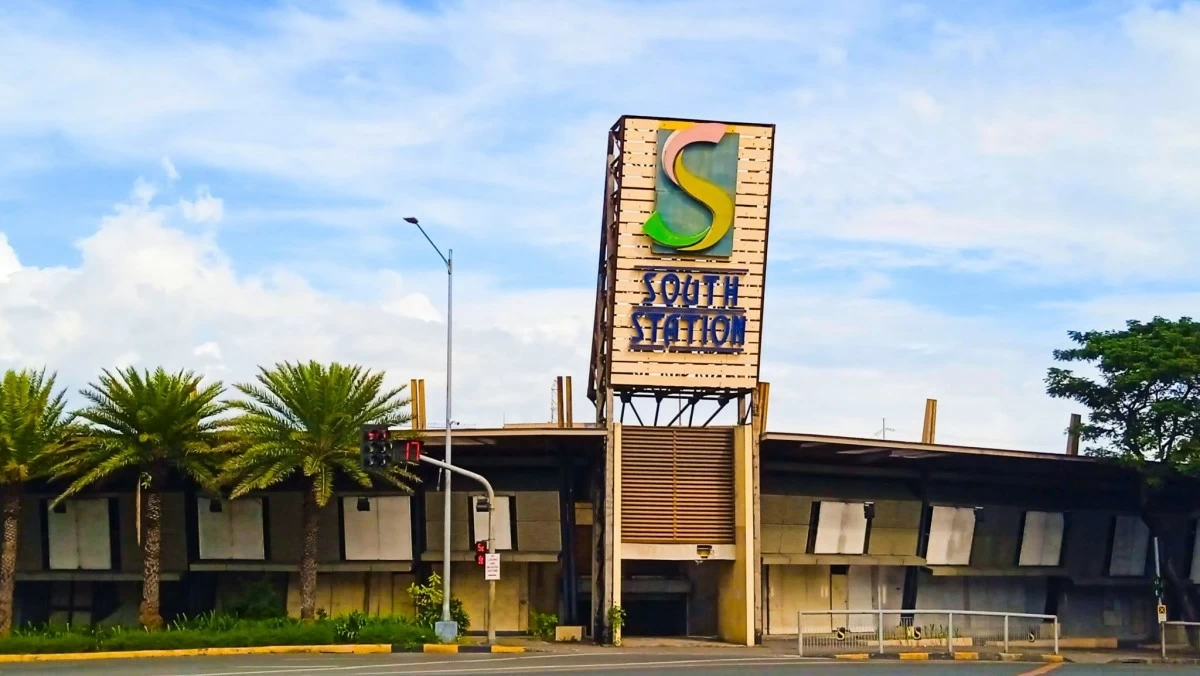
South Station (Photo: South Station/Facebook)
Filinvest Alabang Inc.
Filinvest Alabang Inc., through its development of Filinvest City and South Station in Muntinlupa, has created a key gateway connecting Metro Manila and the CALABARZON region. Designed to support the district's offices, retail centers, and residential communities, the transport hub is complemented by the Filinvest City 360 Eco-Loop, an electric shuttle service that improves mobility across the 244-hectare mixed-use estate.As cities grow, transportation is becoming an increasingly important part of urban planning. By integrating mobility networks into mixed-use developments, developers are creating communities that are easier to access, navigate, and enjoy. More than moving people from one place to another, these projects demonstrate how connectivity can support the convenience, walkability, and quality of life that will define the cities of tomorrow.